Underwriting Sources, FCRA, and Gramm-Leach-Bliley
Not sure you’re ready?
Take the ~3-minute readiness diagnostic and see where you stand.
Imagine agreeing to insure a stranger’s $500,000 home against fire, or handing over a $1 million liability policy to a nineteen-year-old driver, based entirely on a handshake. Insurance, at its core, is the transfer of risk. But before an insurer can confidently accept that transfer, they must first measure the exact shape, weight, and history of the risk they are taking on. They cannot rely on blind faith; they require data. This measurement process relies on a complex web of information gathering, balanced tightly against strict federal laws designed to protect the privacy of the individual sitting across your desk.
As an insurance producer, you act as the crucial conduit between the applicant's raw data and the underwriter's final decision. Understanding how this information is legally gathered, utilized, and protected is not merely a matter of passing a licensing exam—it is the functional mechanics of your daily profession.
To build a reliable model of a prospective insured, we begin with underwriting, which is the process of evaluating a risk to determine if the risk is acceptable to the insurance company. Underwriters do not operate on intuition; they operate on evidence. They draw this evidence from a hierarchy of specific, interconnected sources.
The Foundation: The Application and the Agent
The foundation of any risk evaluation is the applicant themselves. The primary source of underwriting information is the insurance application. When an applicant seeks coverage, the application establishes the baseline reality, containing the applicant's name, address, and granular details about the property to be insured.
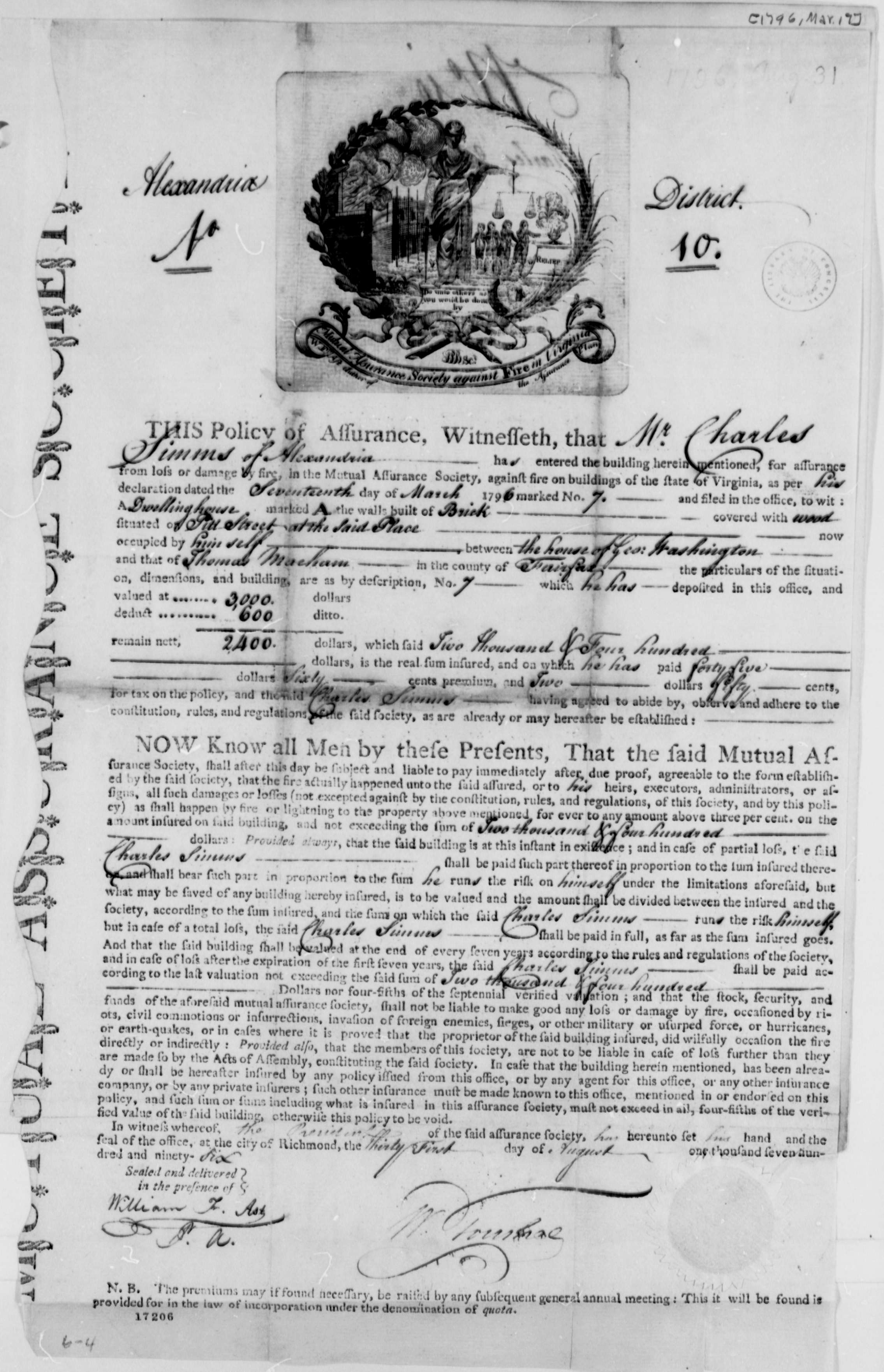
However, paper applications do not capture the nuance of a physical encounter. Because you, the producer, are the eyes and ears of the insurer on the ground, the underwriter relies on an agent's report. This report contains the insurance producer's personal observations about the applicant as well as the insurance producer's personal observations about the proposed risk. If an applicant is seeking a homeowners policy but you notice their yard is littered with rusted vehicles and a chained, aggressive dog, that vital context goes into the agent's report.
Verifying the Physical and Behavioral Reality
People sometimes omit unfavorable details. Therefore, underwriters turn to secondary verification mechanisms to uncover the complete picture.
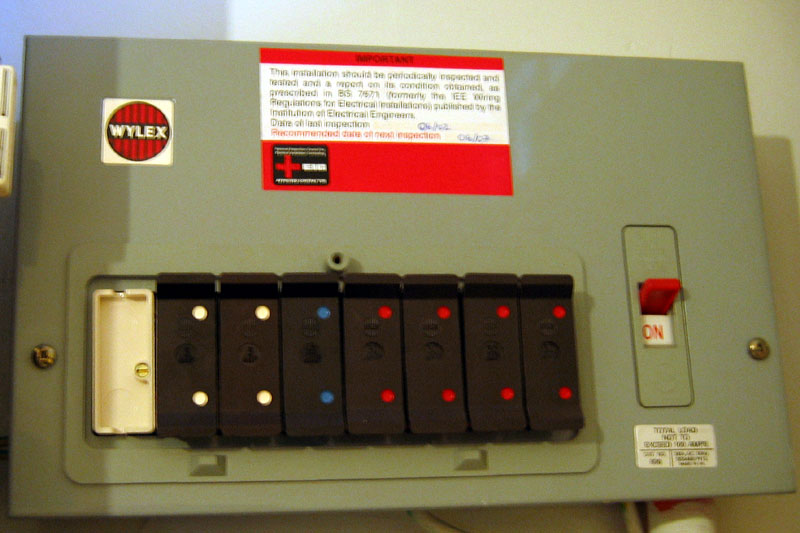
- Physical Inspection Reports: For property risks, an insurer uses physical inspection reports to evaluate the structural condition and hazards of a property. An inspector looks for failing roofs, outdated electrical panels, or unmaintained heating systems—variables the applicant may be unaware of or reluctant to disclose.
- Motor Vehicle Records (MVR): For auto risks, insurers use Motor Vehicle Records to underwrite auto insurance policies. These records provide an applicant's driving history, transforming a subjective claim ("I am a safe driver") into an objective historical metric of accidents and citations.
Tracking the Invisible Footprints: CLUE
Insurance companies have long recognized that past behavior is a strong statistical predictor of future losses. To access this history, they rely on the Comprehensive Loss Underwriting Exchange (CLUE).
The Comprehensive Loss Underwriting Exchange is a massive, centralized claims history database. Insurers use the Comprehensive Loss Underwriting Exchange to discover a property applicant's prior insurance claims.
The CLUE database contains up to seven years of personal property and auto claims history. If your applicant claims they have never had a water leak, but CLUE reveals three paid water damage claims on their previous home within the last five years, the underwriter must account for that discrepancy.

Sometimes, the risk involves not just the physical property or a driving record, but the financial and moral stability of the applicant. To assess this, underwriters turn to consumer reports.
There is a vital distinction in the insurance world between a standard consumer report and an investigative consumer report:
- Consumer reports provide information about an applicant's credit history and public records. They are generated purely from existing financial databases.
- Investigative consumer reports dig much deeper. They provide information about an applicant's character, general reputation, and lifestyle. These are unique because investigative consumer reports are gathered through personal interviews with the applicant's friends, neighbors, and associates.
Because gathering this data is highly intrusive, it is strictly governed by federal law.
The Fair Credit Reporting Act (FCRA)
Enacted to shield the public from abuses of their personal data, the Fair Credit Reporting Act is a federal law regulating the collection and use of consumer credit information. Fundamentally, the Fair Credit Reporting Act protects consumers against the circulation of inaccurate or obsolete personal financial information.
The FCRA imposes strict timelines and protocols on insurers, particularly regarding investigative reports and adverse actions.
Rules for Investigative Consumer Reports
If an underwriter decides they need to interview a person’s neighbors to assess their lifestyle, the applicant has a right to know they are being scrutinized.
- Under the Fair Credit Reporting Act, an insurer must notify an applicant in writing if an investigative consumer report is requested.
- This notification for an investigative consumer report must be mailed to the consumer within three days of the report request.
- Once notified, consumers have the right to request a complete disclosure of the nature and scope of an investigative consumer report.
- If the consumer asks for this disclosure, an insurer must provide the investigative consumer report disclosure to the consumer within five days of the consumer's request.
Adverse Actions
An adverse action occurs when an insurer uses information from a consumer report to make a decision that negatively impacts the consumer. In the insurance industry, an adverse action includes a denial of insurance coverage, the cancellation of insurance coverage, or charging a higher insurance premium based on information in a consumer report.
If your client's auto insurance premium is abruptly doubled because a consumer report revealed a plunging credit score, an adverse action has occurred. At that moment, the FCRA mandates a specific chain of events:
| The Insurer's Duty | The Consumer's Right |
|---|---|
| When an adverse action is taken based on a consumer report, the insurer must provide the consumer with the name and address of the reporting agency. | A consumer has the right to obtain a free copy of the consumer's credit report if an adverse action is taken against them. |
| The insurer must inform the consumer of this right. | A consumer must request the free copy of the consumer's credit report within sixty days of receiving the adverse action notice. |
Disputing Inaccurate and Obsolete Information
If a consumer obtains their report and finds an error—say, a defaulted loan belonging to someone with a similar name—they are not helpless. A consumer has the right to dispute inaccurate information directly with the consumer reporting agency.
Upon receiving a dispute, a consumer reporting agency must reinvestigate disputed information within a reasonable time frame. If a consumer reporting agency cannot verify the disputed information, the agency must remove the unverified information from the consumer's file.
Furthermore, data cannot haunt a consumer forever. The FCRA defines what constitutes "obsolete" information:
- Under the Fair Credit Reporting Act, most negative financial information must be removed from a consumer report after seven years.
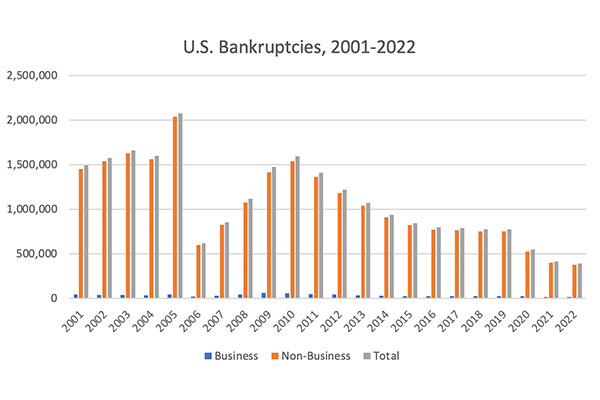
- Under the Fair Credit Reporting Act, bankruptcy information may remain on a consumer report for up to ten years.
Because of the power these reports hold over an individual's financial life, the law severely punishes misuse. Any person obtaining a consumer report under false pretenses may be subject to a fine and imprisonment.
While the FCRA governs credit and consumer reports, another powerful federal law governs how financial institutions—including insurance companies—handle the everyday personal data they collect.
The Gramm-Leach-Bliley Act mandates privacy protections for consumers' financial information. It fundamentally changed the financial services industry by requiring financial institutions to protect consumers' non-public personal information, and equally important, requiring insurance companies to explain the company's information-sharing practices to customers.
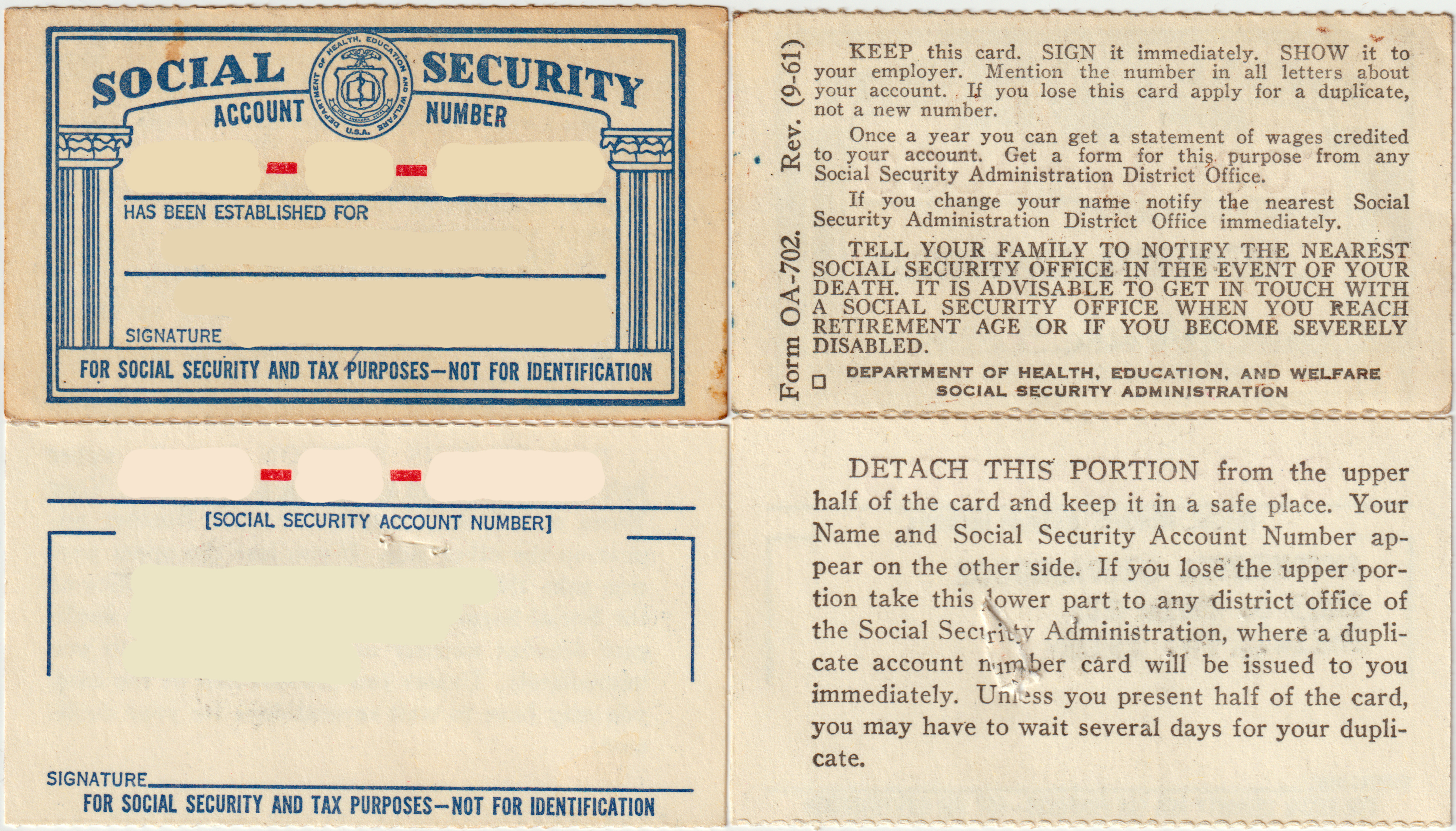
Non-public personal information includes highly sensitive data that is not available in public records. By law, this includes a consumer's social security number, income, and account balances.
The Privacy Notice Requirement
To ensure transparency, under the Gramm-Leach-Bliley Act, an insurer must provide a clear and conspicuous privacy notice at the time a customer relationship is established. This tells the applicant exactly what data is being collected and with whom it might be shared. Because corporate policies evolve, this is not a one-time event; an insurer must provide a privacy notice to all policyholders at least once per year.
The Right to Opt Out
The GLBA recognizes that while an insurer needs your data to underwrite a policy, they do not necessarily have the right to sell that data to a third-party marketing firm.
The Gramm-Leach-Bliley Act gives consumers the right to opt out of having the consumer's non-public personal information shared with non-affiliated third parties. However, a right is meaningless if it is impossible to exercise. Therefore, the law dictates that an insurer must provide consumers with a reasonable means to exercise the privacy opt-out right.
What constitutes a "reasonable means"? The process must be practically frictionless for the consumer.
- Reasonable: A reasonable means to opt out includes providing a toll-free telephone number.
- Reasonable: A reasonable means to opt out includes providing a detachable form with a pre-printed address.
- Unreasonable: Requiring a consumer to write a customized letter is not considered a reasonable means to opt out. You cannot force a consumer to draft their own legal correspondence to protect their data.
The Safeguards Rule and Pretexting
Telling consumers how their data is shared is only half the battle; the insurer must also keep hackers and fraudsters from stealing it.
The Safeguards Rule of the Gramm-Leach-Bliley Act requires financial institutions to develop a written information security plan. This is not a vague promise. The written information security plan must describe the measures used to protect customer information, dictating both digital encryption standards and physical security protocols for filing cabinets and servers.
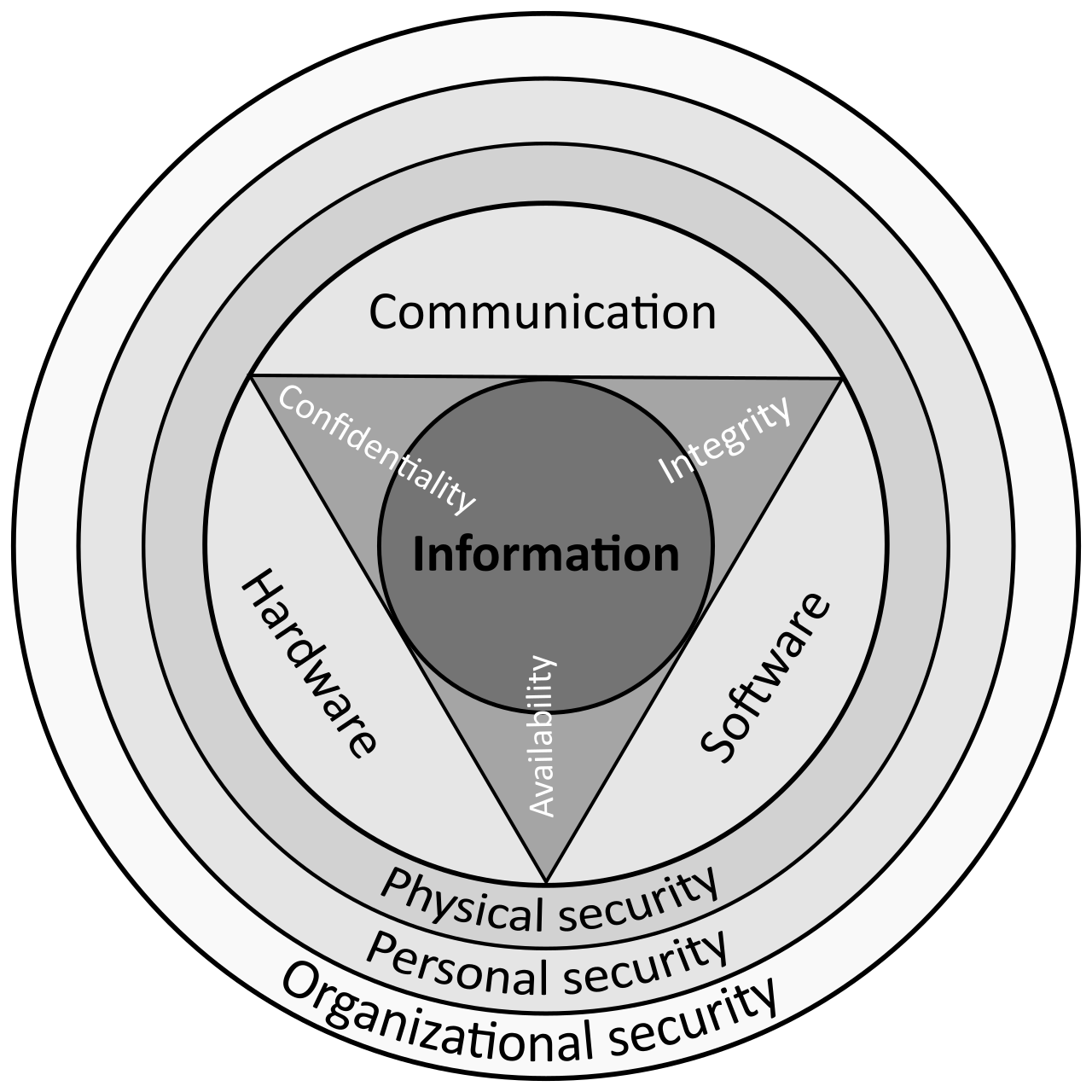
Finally, the GLBA directly attacks social engineering fraud. The Gramm-Leach-Bliley Act prohibits pretexting. Pretexting is the practice of obtaining personal financial information under false pretenses—for example, a fraudster calling an insurance company, pretending to be a specific policyholder, and attempting to trick a customer service representative into revealing account balances or a social security number.
Summary for the Professional Producer
When you sit down to write a policy, you are initiating a highly regulated chain reaction of data collection. You gather the initial facts on the application. The underwriter supplements it with MVRs, CLUE reports, and physical inspections. If the insurer leverages consumer reports or neighbor interviews, the FCRA ensures the consumer is notified, protected from permanent financial scars, and granted a means to fight inaccuracies. Meanwhile, the GLBA acts as an overarching umbrella, ensuring that the applicant’s most sensitive financial data is fiercely guarded, safely stored, and never sold to outsiders without the consumer's consent.