Pennsylvania Health Insurance Mandates & Continuation of Coverage
Not sure you’re ready?
Take the ~3-minute readiness diagnostic and see where you stand.
The architecture of a health insurance policy is not a free-market accident; it is a highly engineered machine, governed by the precise physical laws of state regulation. When you sit across the kitchen table from a client in Pennsylvania, the contract you are selling is fundamentally shaped by the Pennsylvania Insurance Department. While federal law sets the broad topography—like gravity dictating that water flows downhill—Pennsylvania’s state mandates act as the local aqueducts, determining exactly how and where that coverage must flow to protect its citizens.

To pass the Pennsylvania Life & Health exam, and more importantly, to properly advise the families relying on you, you must understand where the federal government steps back and the Commonwealth of Pennsylvania steps in.
Imagine a local auto repair shop with ten employees. Federal law (COBRA) generally requires employers with 20 or more employees to offer continuation of coverage to workers who lose their jobs. But what about the mechanics at that ten-person shop? Without state intervention, they would be thrust immediately into the ranks of the uninsured.
Pennsylvania Small Group Fundamentals
In Pennsylvania, the small group health insurance market applies to employers with 1 to 50 employees.
When an insurer operates in this market, they must issue small group health insurance policies on a guaranteed issue basis. What does guaranteed issue mean in practice? Guaranteed issue in the Pennsylvania small group market means insurers must offer coverage to all eligible small employers regardless of the health status of the employees. If the auto shop's lead mechanic has a chronic heart condition, the insurer cannot refuse to cover the group.
The Lifeline: Pennsylvania Mini-COBRA
To protect workers in these smaller enterprises, the state created Pennsylvania Mini-COBRA. This is a state law requiring certain small employers to offer continuation of group health insurance coverage to eligible individuals experiencing a qualifying event.
Crucially, Pennsylvania Mini-COBRA mandates apply exclusively to small businesses that employ between 2 and 19 employees. (Once an employer hits 20 employees, federal COBRA takes over).
Qualifying Events and Eligibility
To trigger this continuation, an employee must experience a "qualifying event." Under Pennsylvania Mini-COBRA, the following are all considered qualifying events:
- Termination of employment (for reasons other than gross misconduct). Note carefully: Pennsylvania Mini-COBRA coverage does not apply to individuals who lose group health coverage due to being terminated from employment for gross misconduct.
- A reduction in work hours that results in the loss of group health coverage.
- The death of a covered employee (which acts as a qualifying event for the surviving covered dependents).
- A divorce or legal separation resulting in the loss of coverage (a qualifying event for the spouse).
- A dependent child aging out of group coverage (a qualifying event for the dependent child).
To be eligible to step onto this Mini-COBRA bridge, the state requires proof of prior stability: an employee must have been continuously insured under the employer group policy for at least three consecutive months prior to the qualifying event.
Duration and Scope of Coverage
Federal COBRA can last 18 to 36 months. Pennsylvania is much stricter: Pennsylvania Mini-COBRA provides up to nine months of continued health group coverage after a qualifying event. Furthermore, state law does not allow for any extensions of Pennsylvania Mini-COBRA continuation coverage beyond the initial nine-month limit.
What exactly are they continuing? Pennsylvania Mini-COBRA continuation coverage is limited to medical benefits. It does not apply to standalone dental and vision insurance plans.
Financial and Administrative Mechanics
Continuation coverage is not subsidized by the employer; the former employee pays the premium. Pennsylvania Mini-COBRA allows employers to charge up to 105% of the regular group premium for continuation coverage. Why the extra 5%? The additional premium percentage allowed under Pennsylvania Mini-COBRA is intended to defray the administrative expenses incurred by the employer in managing this former employee's file.
The clockwork of Mini-COBRA moves rapidly:
- Employer Duty: Pennsylvania employers must notify the insurance carrier of an individual becoming eligible for Mini-COBRA coverage within 14 days of the date the individual loses group coverage.
- Employee Duty: An eligible individual has 30 days from the date of receiving notification of Pennsylvania Mini-COBRA rights to elect continuation coverage.
How Coverage Ends Early (Disqualifications)
The nine-month timer is a maximum, not a guarantee. The state’s philosophy is that Mini-COBRA is a bridge to other coverage, not a permanent home. Therefore, coverage ends automatically before the nine-month limit if:
- The covered individual becomes enrolled in Medicare.
- The covered individual becomes enrolled in another group health plan.
At the time of application, an individual is entirely ineligible for Pennsylvania Mini-COBRA coverage if they are covered or eligible for coverage under the federal Medicare program. Furthermore, they are ineligible if they fail to verify ineligibility for other employer-based group health insurance.
Exam Warning: Do not confuse Medicare with state assistance. Eligibility for Pennsylvania Medical Assistance (Medicaid) or the Children's Health Insurance Program (CHIP) does not disqualify an individual from obtaining Pennsylvania Mini-COBRA continuation coverage.
A health insurance policy in Pennsylvania is not allowed to be a hollow shell. The state mandates that certain critical human events—birth, childhood, and severe illness—are universally protected.
Maternal and Infant Care
The biological reality of birth requires immediate, guaranteed medical support.
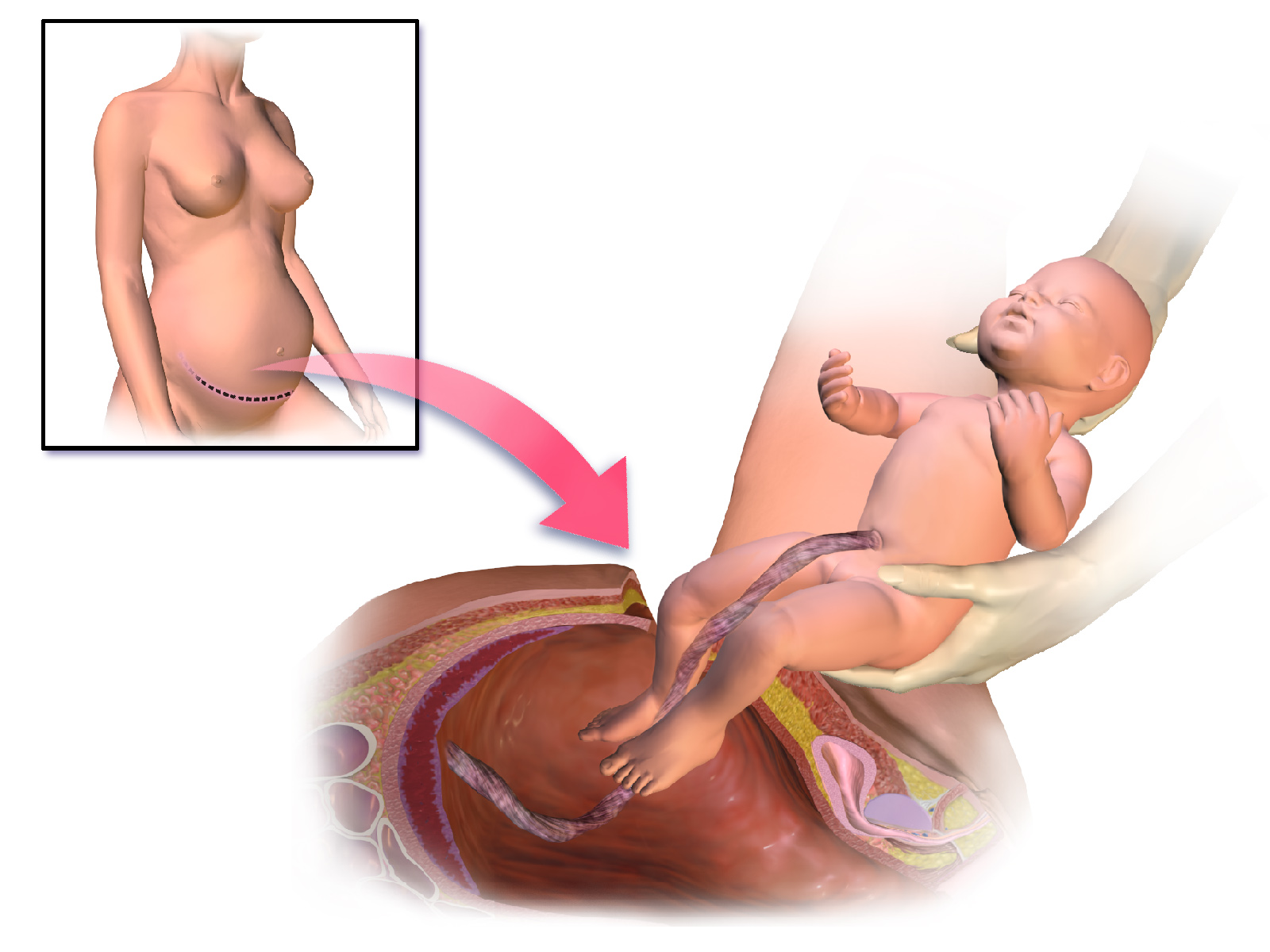
- Postpartum Care: Insurers cannot rush mothers out of the hospital. Pennsylvania health insurance policies must provide coverage for postpartum inpatient hospital care for a minimum of 48 hours following a normal vaginal delivery, and a minimum of 96 hours following a cesarean section delivery.
- Newborns: A child's coverage cannot wait for paperwork. Pennsylvania health insurance policies must provide coverage for newborn children starting from the exact moment of birth. However, the parents have an administrative duty: to continue health insurance coverage for a newborn child beyond the initial 31 days in Pennsylvania, the policyholder must notify the insurer and pay any required premium within the 31-day period.
- Adoption: State law treats the assumption of parental responsibility with the same immediate gravity as physical birth. Pennsylvania health insurance plans must provide coverage for an adopted child starting from the exact date of placement for adoption.
Childhood Development and Preventive Care
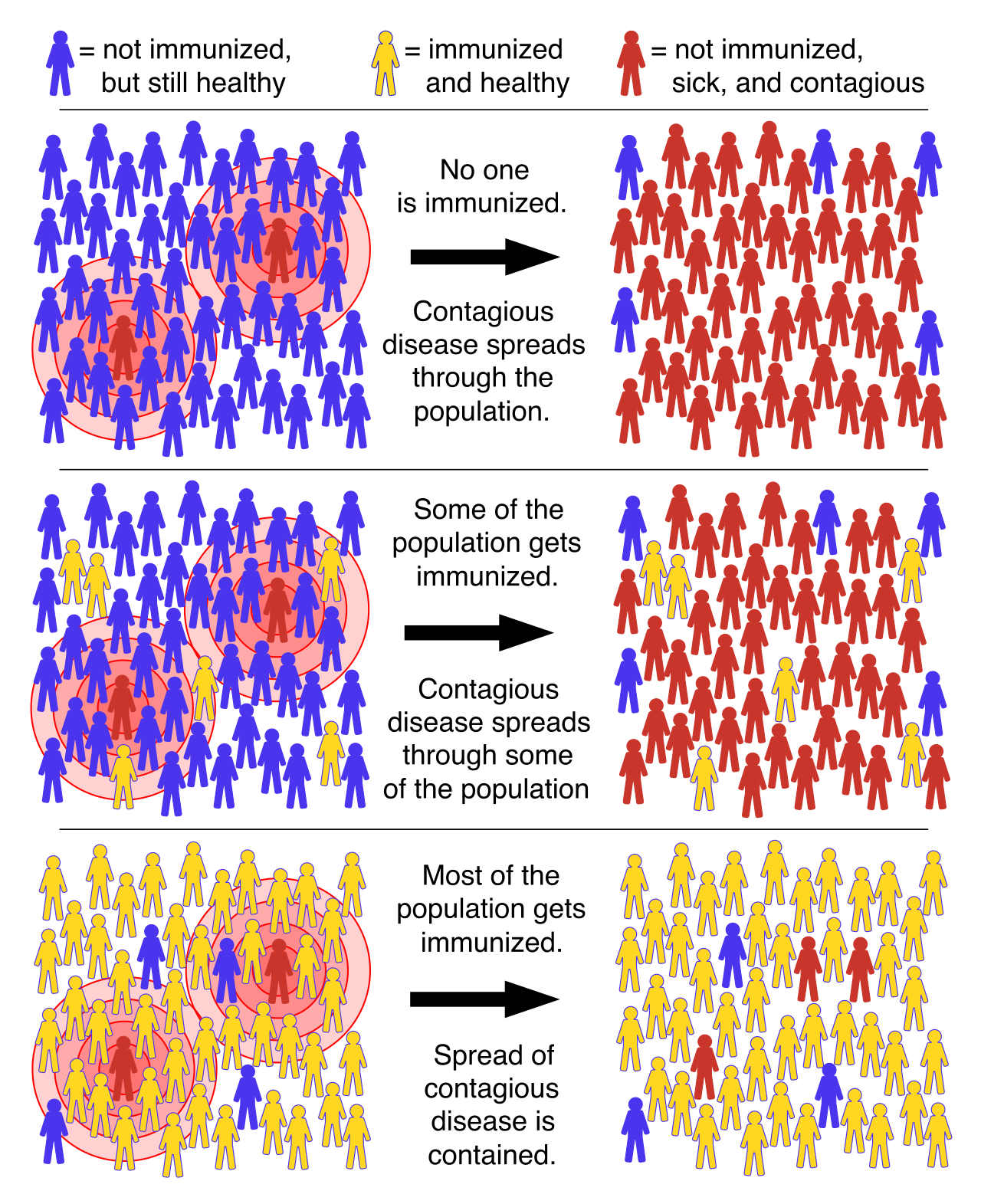
- Immunizations: Public health relies on herd immunity. Therefore, Pennsylvania law requires health insurance policies to provide coverage for routine childhood immunizations without applying deductibles or copayments.
- Mammograms: Early detection saves lives and money. Pennsylvania health insurance plans are required to provide coverage for mammograms for women starting at age 40.
The Autism Insurance Act & Mental Health Parity
Neurological and mental health conditions were historically underinsured. Pennsylvania aggressively corrected this.
- Autism: Under the Pennsylvania Autism Insurance Act, policies must provide coverage for the diagnostic assessment of autism spectrum disorders, as well as the treatment of autism spectrum disorders, for covered individuals under 21 years of age. Specifically, the law dictates that policies must cover behavioral therapy, including applied behavioral analysis (ABA), for the treatment of these disorders.
- Mental Health: For adults and children alike, Pennsylvania requires group health insurance policies to provide parity for severe mental illnesses. Parity is a mathematical concept of equality: Under Pennsylvania severe mental illness parity requirements, coverage terms for severe mental illnesses cannot be more restrictive than the coverage terms for physical illnesses. A day in the hospital for schizophrenia must be treated financially the same as a day in the hospital for appendicitis.

When your clients turn 65, they enter the Medicare ecosystem. Medicare leaves "gaps" (like the 20% Part B coinsurance), which private Medicare Supplement policies fill. Pennsylvania heavily regulates how these policies are sold to protect seniors.
The most critical window of a senior's life is their open enrollment period. A Medicare Supplement open enrollment period in Pennsylvania lasts for exactly six months.
When does the clock start? The Pennsylvania Medicare Supplement open enrollment period begins on the first day of the month an individual is both age 65 or older AND enrolled in Medicare Part B.
During this golden six-month window, the applicant holds all the cards. During the six-month Medicare Supplement open enrollment period in Pennsylvania, an insurance company cannot deny coverage or charge higher premiums based on preexisting health conditions.
Preexisting Conditions and Creditable Coverage
While an insurer must issue the policy during open enrollment, they are allowed a brief defensive posture regarding recent illnesses. Pennsylvania Medicare Supplement policies may impose a waiting period of up to six months for the coverage of preexisting medical conditions.
However, insurers cannot impose this waiting period if the senior has been responsible with their insurance history. The preexisting condition waiting period on a Pennsylvania Medicare Supplement policy can be avoided if the applicant had prior creditable coverage without a break in coverage of more than 63 days.
Finally, buyer's remorse is legally protected. Pennsylvania requires all Medicare Supplement policies to include a 30-day free look period. The 30-day free look period on a Pennsylvania Medicare Supplement policy allows the policyholder to return the policy for a full premium refund without penalty.
Every health insurance contract in Pennsylvania contains standard provisions dictating the exact timelines for claims, grace periods, and legal disputes. You must know these numbers cold.
Defenses and Grace Periods
- Time Limit on Certain Defenses: Normally, an insurer can investigate an application for misstatements. However, in Pennsylvania, the Time Limit on Certain Defenses provision prevents an insurer from voiding a health insurance policy for unintentional misstatements after the policy has been in force for three years. (Note: The national NAIC standard is often 2 years; Pennsylvania is heavily tested because it uses 3 years). However, fraud is a permanent stain. Under the Time Limit on Certain Defenses provision in Pennsylvania, an insurer can void a health insurance policy at any time for fraudulent misstatements made on the health insurance application.
- Grace Periods: If a client misses a premium payment, the policy doesn't instantly vanish. The grace period depends entirely on how often they pay:
- Seven days for a policy with weekly premium payments.
- Ten days for a policy with monthly premium payments.
- Thirty-one days for a policy with premium payments made less frequently than monthly (e.g., quarterly or annually).
Reinstatement
If the grace period expires, the policy lapses. To get it back, the client applies for reinstatement.
- In Pennsylvania, a health insurance policy is automatically reinstated if the insurer does not reject the reinstatement application within 45 days of issuing a conditional receipt.
- Once reinstated, the law protects insurers from clients who only reinstate because they feel a cold coming on: Following reinstatement, coverage for accidents is effective immediately, but coverage for sickness is subject to a 10-day waiting period.
The Claims Process and Legal Action
When a loss occurs, a strict timeline begins.
- Notice of Claim: The insured must tell the insurer they are hurt. Under Pennsylvania health insurance regulations, an insured must provide written notice of claim to the insurer within 20 days after the occurrence or commencement of any loss.
- Claim Forms: Once notified, the burden shifts to the insurer. In Pennsylvania, an insurer must provide claim forms to the insured within 15 days of receiving a notice of claim.
- Proof of Loss: The insured fills out the forms and submits written proof of loss.
- Legal Action: If the insurer refuses to pay, the insured cannot sue immediately—they must give the insurer time to process. Under Pennsylvania law, legal action against a health insurer cannot be initiated until 60 days after written proof of loss has been provided. But they cannot wait forever: Legal action against a health insurer for failure to honor a valid claim must be initiated within three years from the time written proof of loss is required to be furnished.
Professor's Closing Thought: Do not memorize these facts as isolated trivia. View them as the physical parameters of the insurance environment you operate within. The 31 days to add a newborn, the 105% Mini-COBRA premium, the 3-year time limit on certain defenses—these are the levers and gears that dictate how well you can protect your clients when life happens. Master the machinery, and you will ace the exam and serve your clients exceptionally well.