Binders, Endorsements, and Limits of Liability in Casualty
Not sure you’re ready?
Take the ~3-minute readiness diagnostic and see where you stand.
An insurance contract is not a static, unyielding monolith; it is a dynamic legal instrument engineered to bridge the gap between immediate risk and formalized underwriting. As a casualty insurance professional, you do not simply sell a static document. You actively manage the timeline of risk by temporarily binding millions of dollars in liability before a formal policy exists, you dynamically alter the DNA of that policy through written endorsements, and you strictly enforce the mathematical boundaries of the insurer’s promise through limits of liability. Understanding these mechanics is not merely about passing a licensing exam—it is about mastering the structural integrity of the contracts that protect your clients from financial ruin.
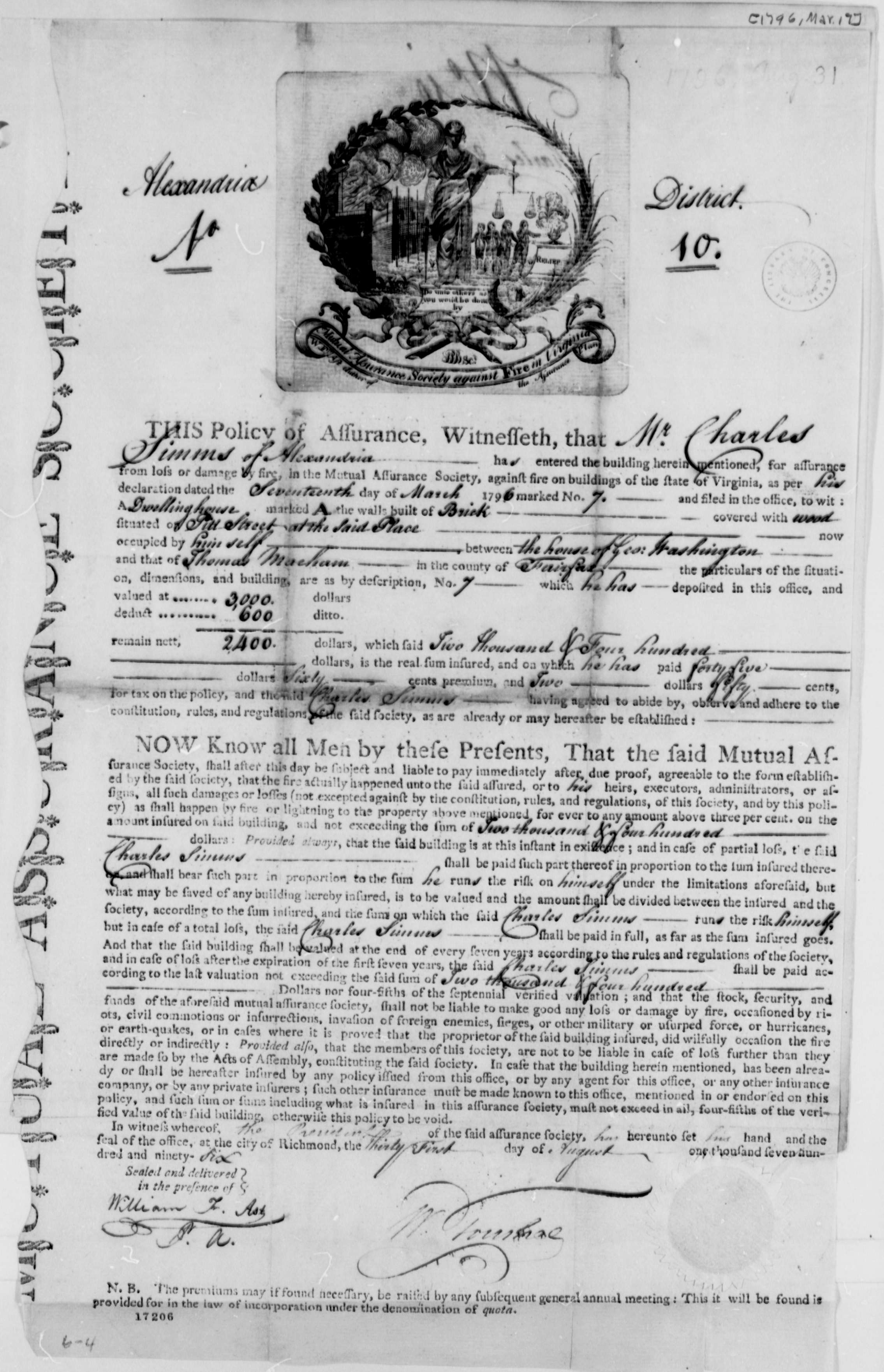
Imagine a commercial client who just purchased a fleet of delivery vans on a Friday afternoon. They cannot legally or financially afford to drive those vehicles off the lot without liability protection, but the insurance company's underwriting department will not formally issue the permanent policy until next week. How do we bridge this temporal gap? We use a binder.
A casualty insurance binder is a temporary insurance contract providing coverage until a permanent policy is issued or declined.
Think of a binder as a handshake with legal teeth. It grants immediate authority and protection based on the presumption of a future, formalized agreement. Because business moves rapidly, a casualty insurance binder can be issued orally or in writing. However, the law demands an eventual paper trail; an oral insurance binder must be followed by a written binder within a specific timeframe (often 5 to 30 days, depending on the jurisdiction).
When you issue this temporary contract, a common question arises: What exactly is covered? The answer is one of exact replication. An insurance binder provides the identical coverages and limits requested for the pending permanent policy. If your client applied for a $1,000,000 liability limit, the binder provides precisely that $1,000,000 limit—no more, no less.
However, a binder is inherently conditional. An insurance binder does not guarantee that a permanent insurance policy will be issued. The underwriter retains the right to evaluate the risk and decline it. Because it is a temporary bridge, a binder is designed to self-terminate. The expiration of this temporary contract occurs under three specific conditions:
- Replacement: An insurance binder expires immediately on the effective date of the issued permanent policy. The bridge vanishes the moment the destination is reached.
- Rejection: An insurance binder expires if the insurance company officially rejects the application.
- Statutory Time Limit: Even if the insurer is silent, an insurance binder expires automatically after a specific maximum duration set by state law (commonly 30, 60, or 90 days).
If the application is rejected or the client walks away before the permanent policy is issued, the insurer still bore the burden of risk during that bridging period. Consequently, an insurer can charge a pro-rata premium for the days temporary coverage was provided under a canceled binder. Risk is never free.
Once the permanent policy is issued, it functions as a standardized template. But standard templates rarely fit complex, real-world risks perfectly. To customize the contract, we rely on endorsements.
An endorsement is a written document attached to an insurance policy that alters the original contract terms.
If the main policy is the baseline genetic code of the agreement, endorsements are targeted genetic modifications. The power of an endorsement lies in its legal supremacy: an endorsement takes legal precedence over any conflicting provisions in the original policy contract. If the main policy excludes a specific liability, but an attached endorsement specifically covers it, the endorsement always wins the dispute. The last word governs.
Endorsements serve three primary functions in casualty insurance:
- Expansion: Insurance endorsements can be used to add specific casualty coverages to an existing policy (e.g., adding an endorsement to cover a home daycare business on a Homeowners policy).
- Restriction: Insurance endorsements can be used to remove specific casualty coverages from a policy (e.g., excluding liability coverage for a specific high-risk driver in a household).
- Financial Adjustment: Insurance endorsements can be used to modify existing limits of liability within a policy, either increasing or decreasing the financial caps.
Because an endorsement represents a material change to a legally binding contract, formality is required. If a change is made mid-term, an endorsement added after the policy inception date must be signed by an authorized representative of the insurer to be legally valid.
A fundamental tenet of casualty insurance is that the insurer's promise to pay is not infinite. It is strictly bounded by mathematics.
Limits of liability represent the absolute maximum amount an insurance company will pay for a covered casualty loss.
When analyzing a liability claim, you must understand how these boundaries apply to the insured parties. A common misconception among insureds is that multiple people sued in the same incident can "stack" the policy limits. This is false. The limit of liability shown on the declarations page is the maximum payout regardless of the number of insureds involved in a claim. If a husband and wife are both sued for the same incident under their homeowner's policy, the $300,000 limit does not magically become $600,000. The umbrella of coverage protects both of them, but the umbrella does not increase in size.
There is, however, one critical area where casualty insurers are remarkably generous: the cost of legal defense. Liability lawsuits can drag on for years, racking up hundreds of thousands of dollars in attorney fees. If these legal fees eroded the limit of liability, an insured could win their case in court but be left bankrupt, with no money remaining to pay a settlement. Therefore, the payment of defense costs in casualty insurance is typically provided in addition to the stated limits of liability.
How these limits are structured determines how funds are depleted and replenished over the life of the policy.
Per Occurrence vs. Aggregate Limits
A per occurrence limit is the maximum amount the insurer will pay for a single casualty event. Think of this limit like a specialized faucet: it can pour out a maximum amount of water for one fire, but once that fire is out, the faucet resets. Paying a claim under a per occurrence limit does not reduce the per occurrence limit available for future separate events.
An aggregate limit, conversely, is a reservoir. An aggregate limit is the maximum total amount the insurer will pay for all covered casualty losses during the policy period (usually one year). Every claim paid under a policy reduces the remaining aggregate limit available for the rest of the policy period. If the reservoir runs dry in month eight, the insured has zero liability coverage for the final four months of the year. Fortunately, an aggregate limit is fully restored to its original amount when a new policy term begins.
In the commercial world, these two limits act in tandem. Commercial General Liability (CGL) policies typically include both a per occurrence limit and a general aggregate limit. For example, a business might have a $1,000,000 per occurrence limit and a $2,000,000 general aggregate limit. No single slip-and-fall can cost the insurer more than $1,000,000, and the total of all claims for the year cannot exceed $2,000,000.

Furthermore, because certain commercial risks have distinctly long-tail exposures, Commercial General Liability policies commonly utilize a separate aggregate limit specifically for products and completed operations claims. This ensures that a massive product defect lawsuit does not entirely drain the general aggregate limit, leaving the business unprotected from everyday premises liability claims.
Slicing the Pie: Split vs. Combined Single Limits
When we look specifically at auto insurance, limits are typically divided based on the nature of the damage. Split limits divide the limit of liability into distinct monetary caps for different types of damages.
In auto insurance, split limits typically represent bodily injury per person, bodily injury per occurrence, and property damage per occurrence.
If you see a policy with limits of 250/500/100, you are looking at a split limit structured as follows:
- The first number in an auto insurance split limit represents the maximum payout for bodily injury to a single person in one occurrence. (Here, $250,000).
- The second number in an auto insurance split limit represents the maximum total payout for all bodily injuries combined in a single occurrence. (Here, $500,000, regardless of how many people are injured in the other vehicle).
- The third number in an auto insurance split limit represents the maximum payout for property damage in a single occurrence. (Here, $100,000 to fix the vehicles, lampposts, or buildings the insured struck).
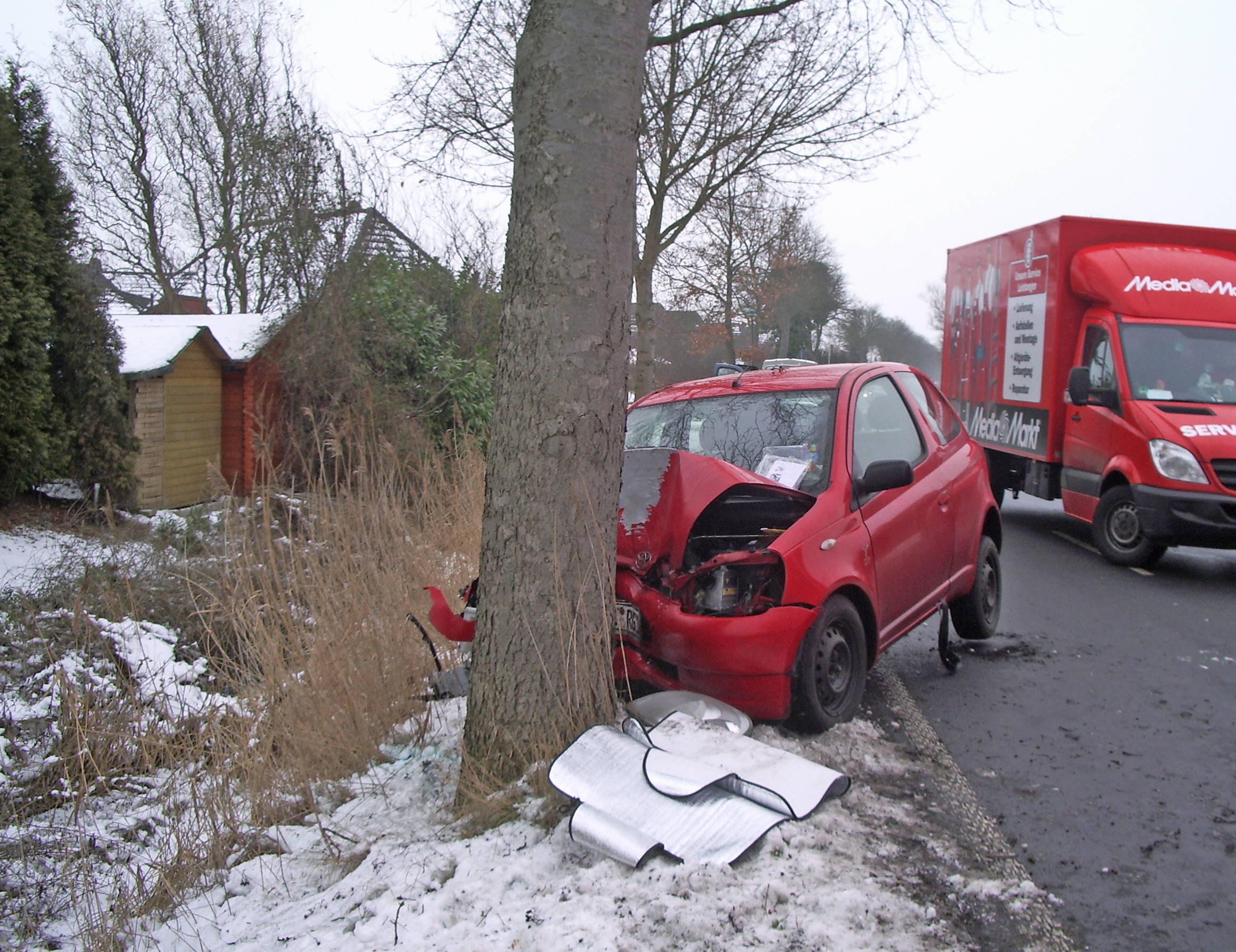
While split limits are the industry standard for personal auto policies, they contain a rigid vulnerability. What if the insured swerves to miss a pedestrian (zero bodily injury) but crashes into a $300,000 exotic sports car? Under a 250/500/100 split limit policy, the insurer will only pay $100,000 for the property damage, leaving the insured personally on the hook for the remaining $200,000.

The solution to this rigidity is a different structural approach. A combined single limit applies one total maximum payout amount to cover both bodily injury and property damage for a single occurrence. If our driver had a Combined Single Limit of $500,000, that entire pool of money could be used for the property damage, paying the $300,000 loss in full. Because it does not artificially compartmentalize the funds based on the type of damage, a combined single limit offers more flexibility than split limits when a claim involves disproportionately high property damage.
As you prepare for your licensing exam, remember that casualty insurance is a discipline of defined boundaries. You will bind coverage to create the initial bridge of protection, use endorsements to adapt the contract to the reality of the risk, and rely on policy limits—whether per occurrence, aggregate, split, or combined—to define the exact mathematical threshold of the insurer's financial duty. Master these mechanics, and you master the very foundation of property and casualty insurance.