Dwelling Policies (DP-1, DP-2, DP-3)
Not sure you’re ready?
Take the ~3-minute readiness diagnostic and see where you stand.
Imagine an investor purchases a pristine Victorian duplex with the intention of leasing it out. The investor attempts to purchase a standard Homeowners policy, only to be rejected by the underwriter. The fundamental friction here is one of risk: a Homeowners policy assumes the insured occupies the property, actively monitors it, and stores the bulk of their personal wealth within its walls. When a property is purely an investment, those assumptions collapse.

To solve this, the insurance industry created the Dwelling policy, a modular framework designed to insure residential properties that do not qualify for Homeowners policies. By stripping away automatic assumptions about liability, personal property, and occupancy, the Dwelling policy allows agents to construct targeted coverage for landlords, flippers, and property managers.
This study guide dissects the architecture of the Dwelling forms—Basic (DP-1), Broad (DP-2), and Special (DP-3). For your licensing exam, you must master not only what these policies cover, but mathematically how their coverage limits interact and mathematically diminish one another depending on the form selected.
Because Dwelling policies are primarily utilized as landlord policies, owner occupancy is not required to purchase a Dwelling policy. Consequently, Dwelling policies are frequently used to insure tenant-occupied rental properties.
However, the property must still maintain a strictly residential character. To qualify, the risk must meet the following physical parameters:
- Unit limits: Dwelling policies can cover properties with up to four residential units.
- Occupancy density: Dwelling policies can cover properties with up to five roomers or boarders.
- Mobile Homes: Dwelling policies can insure mobile homes permanently tied down to a foundation. However, underwriting rules heavily restrict this: Dwelling policies restrict mobile home coverage exclusively to the DP-1 Basic Form.
Standard Property and Casualty architecture divides risk into distinct "Coverages" lettered A through E. In a Dwelling policy, these letters dictate exactly where the premium dollar is applied.
- Coverage A (Dwelling): Covers the residential dwelling itself, as well as structures attached to the residential dwelling (like an attached garage).
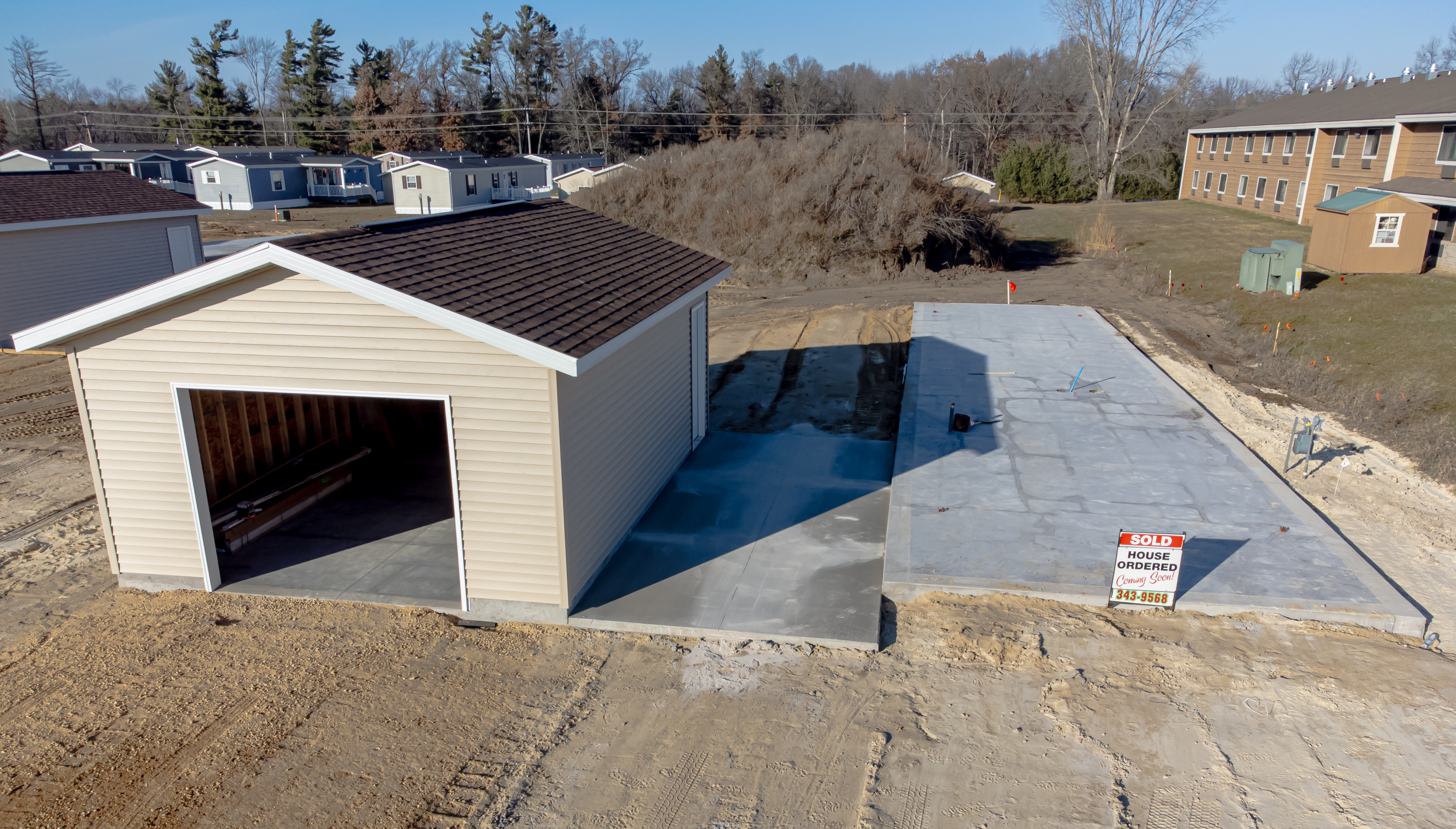
- Coverage B (Other Structures): Covers detached structures located on the insured premises (like a detached shed, standalone garage, or fence).
- Coverage C (Personal Property): Covers personal property at the insured location.
- Coverage D (Fair Rental Value): Reimburses the insured for lost rent if the covered property becomes uninhabitable due to a covered loss.
- Coverage E (Additional Living Expense): Reimburses the insured for extra living costs incurred while the covered owner-occupied property is uninhabitable.
Exam Warning on Coverage E: Pay close attention to the form type. Coverage E Additional Living Expense is automatically included in DP-2 and DP-3 policies. However, Coverage E Additional Living Expense is not automatically included in the unendorsed DP-1 policy.
The Mathematics of Policy Limits
When an insured purchases a Coverage A limit, the Dwelling policy automatically calculates sub-limits for the other coverages. You will be tested on these percentages.
- Coverage B (Detached Structures): Dwelling policies automatically allocate up to 10 percent of the Coverage A limit to cover Coverage B detached structures.
- The DP-1 Penalty: The 10 percent Coverage B allocation reduces the available Coverage A limit in a DP-1 policy.
- The DP-2/DP-3 Benefit: The 10 percent Coverage B allocation is provided as additional insurance above the Coverage A limit in DP-2 and DP-3 policies.
- Coverage C (Personal Property - Off-Premises): Dwelling policies allow up to 10 percent of the Coverage C limit to apply to covered personal property located anywhere in the world.
- Coverage D (Fair Rental Value): Dwelling policies allocate up to 20 percent of the Coverage A limit for Coverage D Fair Rental Value.
- Coverage E (Additional Living Expense): DP-2 and DP-3 policies allocate up to 20 percent of the Coverage A limit for Coverage E Additional Living Expense.
The most heavily tested concept in Dwelling policies is the evolution of peril coverage from the bare-bones DP-1 to the comprehensive DP-3.
The DP-1 Basic Form
The DP-1 Basic Form is a named-perils policy, meaning if a peril is not explicitly typed out in the contract, there is zero coverage. It is an austere, survival-level policy.
The unendorsed DP-1 policy covers only three perils: fire, lightning, and internal explosion. Specifically, the unendorsed DP-1 policy covers internal explosions occurring within the dwelling (e.g., a furnace blowing up), but provides no coverage for external explosions affecting the home.
Because DP-1 is a basic contract, it strictly limits how it pays out. The DP-1 policy settles Coverage A dwelling losses strictly on an Actual Cash Value (ACV) basis. Likewise, the DP-1 policy settles Coverage B other structures losses strictly on an Actual Cash Value basis.
Enhancing the DP-1: An insured can add Extended Coverage (EC) perils to a DP-1 policy for an additional premium. The Extended Coverage endorsement for a DP-1 policy adds protection against:
Notice how the EC endorsement replaces the DP-1 internal explosion peril with a broader general explosion peril, extending coverage to explosions originating outside the property.
Furthermore, an insured can add Vandalism and Malicious Mischief (VMM) coverage to a DP-1 policy only if the Extended Coverage perils are also purchased. However, property property owners must be vigilant: Vandalism and Malicious Mischief coverage is suspended if the insured building is vacant for more than 60 consecutive days.
The DP-2 Broad Form
The DP-2 Broad Form is also a named-perils policy, but it vastly expands the list of what is covered. The DP-2 policy automatically includes the Basic perils, Extended Coverage perils, and Vandalism and Malicious Mischief perils.
To this foundation, the DP-2 policy adds coverage for:
- Damage by burglars (damage to the property itself, not the theft of goods)
- Falling objects
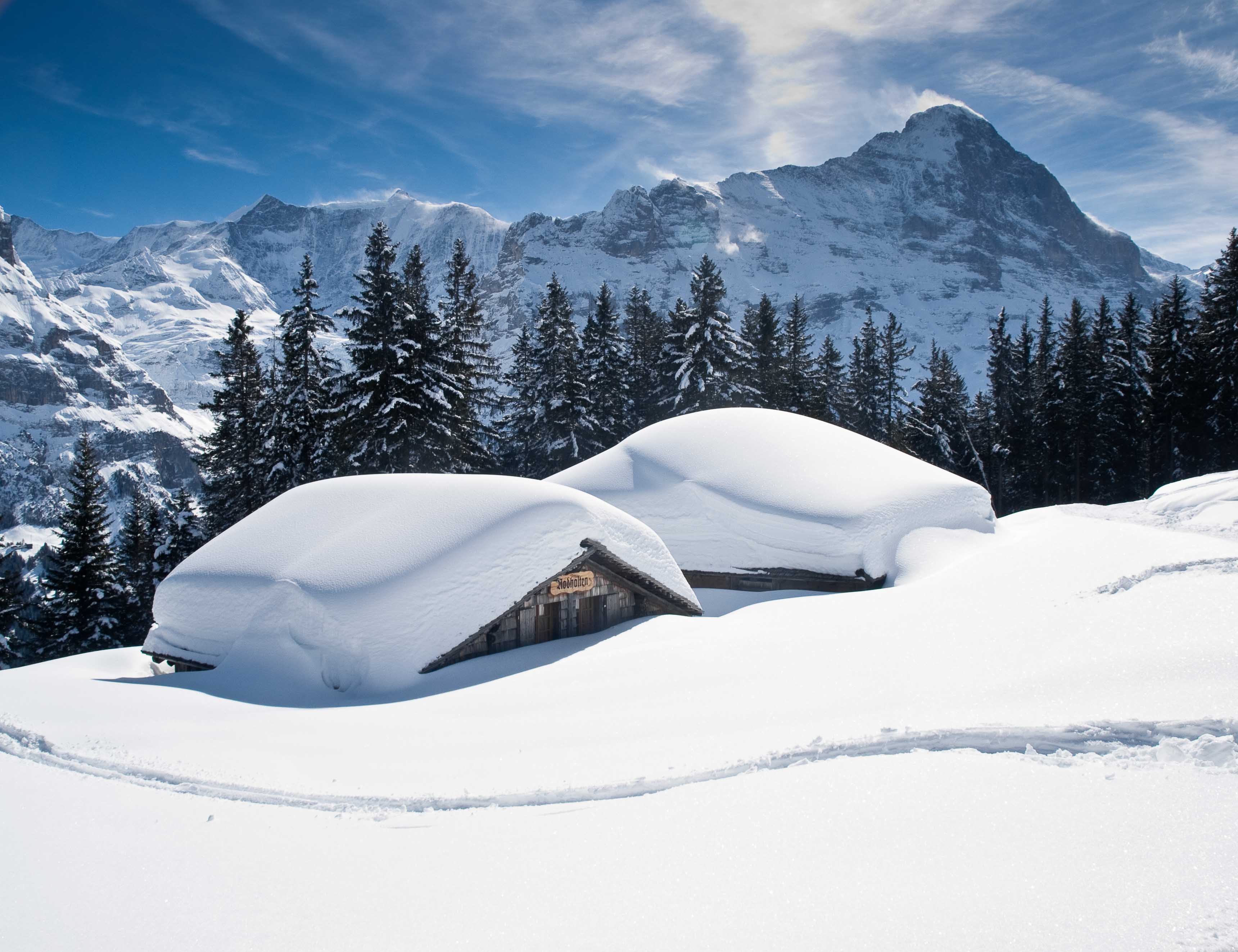
- Weight of ice, snow, or sleet
- Accidental discharge or overflow of water or steam
- Sudden and accidental tearing apart, cracking, burning, or bulging of a steam or hot water heating system
- Freezing of plumbing, heating, air conditioning, or automatic fire protective sprinkler systems
- Sudden and accidental damage from artificially generated electrical current
The DP-2 upgrades its valuation clause. Instead of depreciating the loss, the DP-2 policy settles Coverage A dwelling losses on a Replacement Cost basis, and similarly settles Coverage B other structures losses on a Replacement Cost basis.
The 80% Rule: Replacement Cost settlement for a DP-2 dwelling requires the insured to carry a coverage limit equal to at least 80 percent of the home replacement value. If the insured falls below this threshold, a coinsurance penalty reduces the claim payout.
The DP-3 Special Form
The DP-3 Special Form represents the peak of Dwelling coverage. The DP-3 Special Form provides open-perils coverage for the dwelling and other structures.
Open-perils coverage in a DP-3 policy means all direct physical losses are covered unless specifically excluded in the policy. This shifts the burden of proof: in a DP-1 or DP-2, the insured must prove a named peril caused the damage; in a DP-3, the insurer must pay the claim unless they can point to a specific exclusion in the contract.
Like the DP-2, the DP-3 policy settles Coverage A dwelling losses on a Replacement Cost basis and Coverage B other structures losses on a Replacement Cost basis. Again, Replacement Cost settlement for a DP-3 dwelling requires the insured to carry a coverage limit equal to at least 80 percent of the home replacement value.
The DP-3 Personal Property Exception: Do not assume open-perils coverage applies universally. The DP-3 policy provides named-perils coverage for personal property. For the exam, remember that the named perils for personal property in a DP-3 policy precisely match the broad perils covered in a DP-2 policy.
Insurance relies on exclusions to avoid uninsurable catastrophic risks and inevitable maintenance failures. All Dwelling policy forms exclude property damage resulting from:
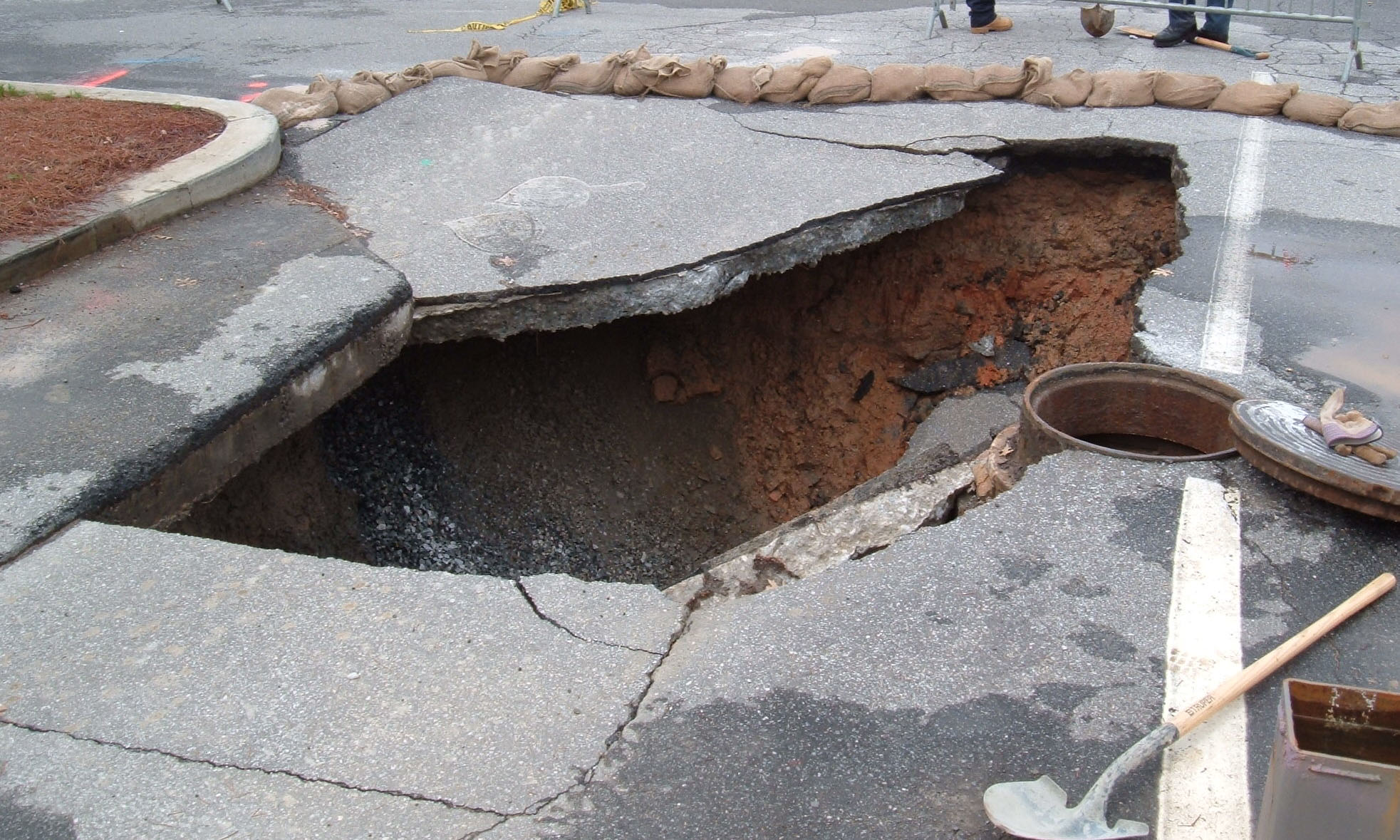
- Earth movement (earthquakes, sinkholes)
- Water damage from floods, surface water, or sewer backups
- Acts of war
- Nuclear hazards
- Power failures occurring off the insured premises (e.g., a grid failure that spoils food)
The DP-3 explicitly excludes intentional losses caused by the insured, losses caused by the enforcement of any ordinance or law regulating construction or repair, and wear and tear, gradual deterioration, or inherent vice.
Specific Peril Limitations
You must understand how Dwelling policies handle tricky claims involving wind, glass, and vegetation.
Windstorm Restrictions:
- The DP-2 policy excludes windstorm damage to the interior of a building unless wind or hail first creates an opening in the roof or exterior wall. (If a tenant leaves a window open during a storm, the resulting water damage is excluded).
- The DP-3 policy carries this exact same exclusion: interior windstorm damage is excluded unless wind or hail first creates an opening in the roof or exterior wall.
- The DP-1 policy provides no coverage for trees, shrubs, plants, or lawns.
- The DP-2 and DP-3 policies cover trees, shrubs, and plants against a limited set of named perils (such as fire or lightning).
- Dwelling policies cap the coverage for any single tree, shrub, or plant at $500.
- Crucial Exam Fact: Windstorm damage to trees, shrubs, and plants is entirely excluded under all Dwelling policy forms.
Glass Breakage and Collapse: DP-2 and DP-3 policies include coverage for the breakage of glass constituting a part of the building, and include additional coverage for the abrupt collapse of a building. However, glass breakage coverage under DP-2 and DP-3 policies is suspended if the building is vacant for more than 60 consecutive days.
Dwelling policies feature several built-in mechanisms to handle the aftermath of a loss.
- Debris Removal: Following a fire or storm, the site must be cleared. Dwelling policies include debris removal coverage within the overall policy limit applicable to the damaged property (it does not increase the total payout limit).
- Fire Department Service Charge: Dwelling policies provide up to $500 to pay for fire department service charges incurred to save the property from a covered peril. However, this coverage does not apply if the property is located within the limits of the responding fire department municipality (as the insured is already paying for it via municipal taxes).
- Ordinance or Law: Building codes change over time. When rebuilding a home after a loss, city ordinances may mandate expensive modern upgrades (like updated wiring or specific roofing materials). The DP-1 policy provides no additional coverage for increased costs due to ordinance or law requirements. In contrast, the DP-2 and DP-3 policies allocate up to 10 percent of the Coverage A limit for increased costs due to ordinance or law requirements.
Valuation of Personal Property (Coverage C): Regardless of whether a policy is a DP-1, DP-2, or DP-3, Dwelling policies settle Coverage C personal property losses strictly on an Actual Cash Value basis across all form types.
The Dwelling policy was built to be austere. Two massive gaps exist in the unendorsed contract: Dwelling policies do not automatically include personal liability coverage, and they do not automatically include theft coverage for personal property.
To solve these deficiencies, producers attach specific endorsements.
1. The Liability Solution
If a tenant trips on a broken staircase and sues the landlord, a standard unendorsed DP policy provides no defense or payout. To fix this, the agent adds the Personal Liability Supplement.
- The Personal Liability Supplement adds coverage for bodily injury liability to a Dwelling policy.
- The Personal Liability Supplement adds coverage for property damage liability to a Dwelling policy.
- The Personal Liability Supplement adds medical payments to others coverage to a Dwelling policy (a no-fault coverage to quickly settle minor injuries and avoid lawsuits).
2. The Theft Solutions
Even the premier unendorsed DP-3 policy does not cover the theft of personal property (though the unendorsed DP-3 policy does cover damage to the dwelling structure caused by burglars, such as broken doors). To obtain theft coverage for belongings, the insured must purchase one of two endorsements, dictated by occupancy:
- Broad Theft Coverage Endorsement: Requires the insured to be an owner-occupant of the dwelling. It adds coverage for theft, attempted theft, and vandalism resulting from theft. Crucially, it provides theft coverage for personal property both on and off the insured premises.
- Limited Theft Coverage Endorsement: Designed for non-owner-occupied properties (landlords). It adds theft coverage to a Dwelling policy, but it restricts theft coverage to personal property located strictly on the insured premises.
3. Construction and Inflation Solutions
- Dwelling Under Construction Endorsement: Used to cover a building while it is being built. Because the exposure is small when only the foundation is poured but massive when the home is completed, this endorsement calculates the premium based on the average amount of insurance in force during the construction period.
- Automatic Increase in Insurance Endorsement: Over time, inflation silently erodes the purchasing power of the policy limit. This endorsement provides an annual percentage increase in the Coverage A limit to offset inflation, ensuring the property does not inadvertently slip below the 80% coinsurance threshold.
Professor's Final Note: When you sit for your exam, do not view Dwelling policies as a random list of facts. View them as a sliding scale of risk transfer. The DP-1 provides mere survival against fire and wind. The DP-2 acknowledges the realities of modern residential structures—bursting pipes, ice dams, and electrical surges. The DP-3 shifts the ultimate burden of proof entirely onto the insurance company. If you can track the mathematics of the sub-limits and remember that Liability and Theft must be explicitly requested, you will master this section of the state licensing exam.