Mortgagee Rights, Proof of Loss, and Notice of Claim
A [property insurance](https://en.wikipedia.org/wiki/Property_insurance) policy is fundamentally a mechanism designed to transfer [financial risk](https://en.wikipedia.org/wiki/Financial_risk), acting as a two-party [contract](https://en.wikipedia.org/wiki/Contract) between an [insurer](https://en.wikipedia.org/wiki/Insurance_company) and a [policyholder](https://en.wikipedia.org/wiki/Insurance_policy). Yet, the reality of modern [real estate](https://en.wikipedia.org/wiki/Real_estate) dictates that most insured properties are inextricably tethered to a third party: the [financial institution](https://en.wikipedia.org/wiki/Financial_institution) that funded the purchase. When a building burns or a storm strikes, the resulting claim does not merely involve the homeowner and the [insurance adjuster](https://en.wikipedia.org/wiki/Claims_adjuster). It sets off a rigorous sequence of legal and procedural requirements that dictate exactly who gets paid, when they get paid, and what evidence must be sworn to before a single dollar is disbursed. Understanding the rights of a financial lender and the exacting protocols of claims reporting—specifically the Notice of Claim and the Proof of Loss—is the cornerstone of [property and casualty](https://en.wikipedia.org/wiki/Property_and_casualty_insurance) underwriting and claims adjustment.

When a [bank](https://en.wikipedia.org/wiki/Bank) lends half a million dollars to a homebuyer, the bank assumes immense financial risk. Because the bank's capital is tied directly to the physical survival of the building, a [mortgagee](https://en.wikipedia.org/wiki/Mortgage_loan) has an [insurable interest](https://en.wikipedia.org/wiki/Insurable_interest) in the insured [real property](https://en.wikipedia.org/wiki/Real_property). In the eyes of the law, they possess a valid, measurable financial stake in the asset's preservation.
To formalize this protection, property policies include specific contractual language. The standard mortgage clause grants the mortgagee the right to receive claim payments up to the outstanding loan balance. If a house burns down, the insurer does not simply hand a $500,000 check to the homeowner and hope they pay off the bank. The mortgagee is named on the settlement draft, ensuring their insurable interest is satisfied first.
However, what happens if the policyholder intentionally violates the terms of the insurance contract? Suppose a homeowner, facing [foreclosure](https://en.wikipedia.org/wiki/Foreclosure), deliberately sets fire to their own house. Ordinarily, an insured's intentional act completely voids their insurance coverage. But the bank did not light the match.

This is where the true power of the contract is revealed: The standard mortgage clause protects the mortgagee from the intentional acts of the insured. Specifically, an insured's act of [arson](https://en.wikipedia.org/wiki/Arson) does not void the property coverage for the mortgagee. The insurer will deny the arsonist's claim, but they will still pay the innocent bank up to the remaining balance of the loan. The standard mortgage clause effectively creates a separate, severable [contract](https://en.wikipedia.org/wiki/Contract) between the insurer and the mortgagee, insulating the lender from the policyholder's misdeeds.
Real vs. Personal Property
It is crucial to recognize the boundary of this specific clause. The standard mortgage clause applies exclusively to real property—buildings, homes, and attached structures.
What if a business takes out a loan to purchase a fleet of delivery vans or specialized factory machinery? For movable assets, the contract relies on a different mechanism. A loss payee clause grants third-party rights for insured [personal property](https://en.wikipedia.org/wiki/Personal_property).
| Protection Mechanism | Applies To | Typical Scenario |
|---|---|---|
| Standard Mortgage Clause | Exclusively Real Property | A bank holding a 30-year [mortgage](https://en.wikipedia.org/wiki/Mortgage_loan) on a residential dwelling. |
| Loss Payee Clause | Insured Personal Property | A [credit union](https://en.wikipedia.org/wiki/Credit_union) financing an insured's commercial [printing press](https://en.wikipedia.org/wiki/Printing_press). |
Because the mortgagee's financial security depends on the insurance policy remaining active, the insurer cannot cancel the coverage in secret. A mortgagee has the right to receive advance written notice of policy cancellation from the insurer, as well as the right to receive advance written notice of policy nonrenewal from the insurer.
The most common reason for policy cancellation is the policyholder's failure to pay the premium. In this scenario, the insurer must typically provide the mortgagee with at least ten days of notice before canceling a policy for nonpayment of premium.
This ten-day window is not merely a courtesy; it is an actionable [grace period](https://en.wikipedia.org/wiki/Grace_period). A mortgagee has the right to pay the [insurance premium](https://en.wikipedia.org/wiki/Insurance_premium) if the insured fails to pay the premium. Naturally, paying the insurance premium allows the mortgagee to keep the property policy in force, thereby preserving the protective shield over their [collateral](https://en.wikipedia.org/wiki/Collateral_%28finance%29).
But these rights come with reciprocal duties. The mortgagee cannot be a purely passive observer if they possess knowledge that alters the insurer's risk profile. To maintain their protected status under the policy, the mortgagee is legally obligated to act as a partner in [risk management](https://en.wikipedia.org/wiki/Risk_management):
- The mortgagee must notify the insurer of any known change in the property's ownership.
- The mortgagee must notify the insurer of any known change in the property's occupancy. (For example, if the bank discovers the property has become vacant, which dramatically increases the risk of
[vandalism](https://en.wikipedia.org/wiki/Vandalism)). - The mortgagee must notify the insurer of any known substantial increase in risk regarding the insured property.
When a loss occurs, the procedural clock begins ticking immediately. The first step in this process is the notice of claim, which is the insured's initial notification to the insurer that a loss has occurred.
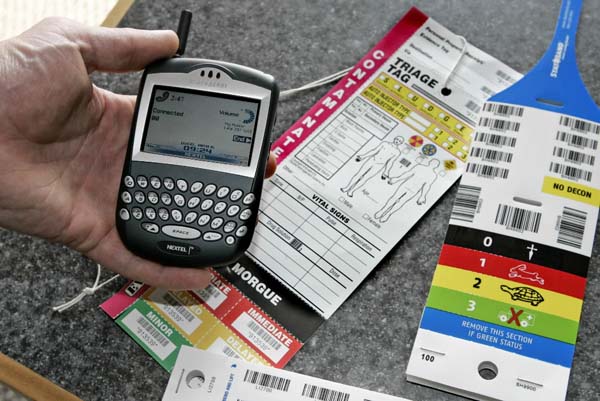
Think of the notice of claim as emergency [triage](https://en.wikipedia.org/wiki/Triage). It does not require a granular [forensic accounting](https://en.wikipedia.org/wiki/Forensic_accounting) of every damaged floorboard. Instead, it provides just enough data to open the file and deploy an adjuster. Consequently, a notice of claim typically requires the insured to provide the insurance policy number, the date of the loss, and a brief description of the loss (e.g., "Windstorm damaged the roof on Tuesday").

Promptness Requirement: Property insurance policies require the insured to provide prompt notice of a claim.
In [insurance law](https://en.wikipedia.org/wiki/Insurance_law), "prompt" is a flexible but vital concept. It does not mean within exactly 14 minutes, nor does it mean whenever the insured gets around to it. [Courts](https://en.wikipedia.org/wiki/Court) generally interpret prompt notice as providing notification as soon as reasonably possible under the circumstances.
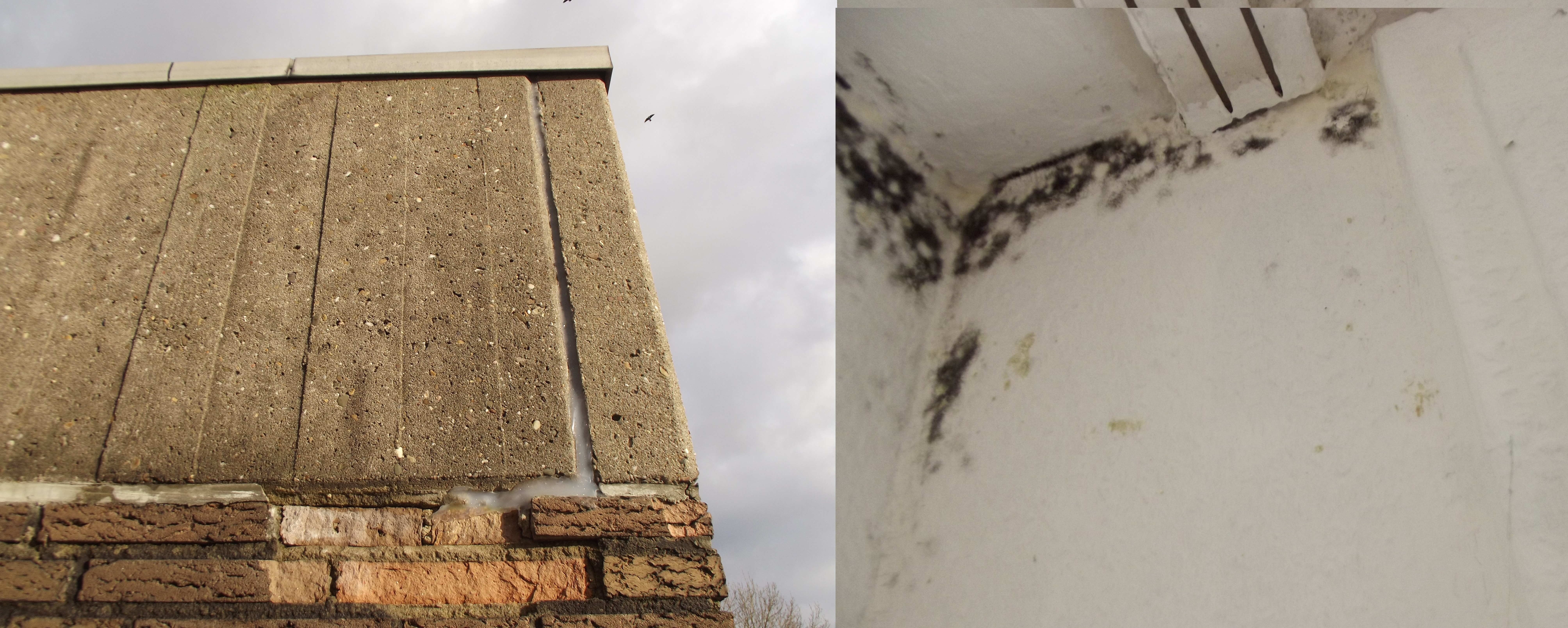
Why is promptness so critical? Because physical evidence degrades. If an insured waits six months to report a burst pipe, the initial water damage will have transformed into systemic [mold](https://en.wikipedia.org/wiki/Mold) and structural rot. The insurer can no longer differentiate between the initial covered loss and the secondary, uninsured neglect. Therefore, an insurer may deny a claim if an unreasonable delay in the notice of claim prejudices the insurer's ability to investigate. If the delay destroys the insurer's capacity to verify the facts of the loss, the insured forfeits their right to [indemnity](https://en.wikipedia.org/wiki/Indemnity).

If the notice of claim is the triage, the Proof of Loss is the surgeon's final operative report. It is the ultimate substantiation of the claim.
A proof of loss is a formal sworn document submitted by the insured to the insurer, which provides the insurer with the official details of a property claim. Unlike the casual nature of a phone call or an app submission used for a notice of claim, the proof of loss carries the weight of a legal [affidavit](https://en.wikipedia.org/wiki/Affidavit).
A property insurance policy requires the insured to submit a signed and sworn proof of loss upon the insurer's request. The timeline here is strictly standardized: The standard time frame for an insured to submit a proof of loss is sixty days after the insurer requests the document.
Because an insurer relies on the proof of loss document to determine the exact monetary [liability](https://en.wikipedia.org/wiki/Legal_liability) for a claim, the document must be meticulously detailed. To be considered legally sufficient, the proof of loss must contain the following components:
- The exact time of the loss and the exact cause of the loss.
- An itemized detailing of the
[actual cash value](https://en.wikipedia.org/wiki/Actual_cash_value)or[replacement cost](https://en.wikipedia.org/wiki/Replacement_value)of the damaged property. - A list of any other insurance policies covering the damaged property (to prevent the insured from illegally double-dipping across multiple carriers).
- The identification of all parties holding an insurable interest in the damaged property.
- A list of all
[encumbrances](https://en.wikipedia.org/wiki/Encumbrance)or[liens](https://en.wikipedia.org/wiki/Lien)on the damaged property.
The Consequences of Failure
Because the insurer cannot finalize a payout without this sworn arithmetic, failure to submit a requested proof of loss within the specified timeline can result in claim denial.
But what happens if the insured simply refuses to cooperate? Consider the earlier scenario of the arsonist. The policyholder who burns down their own house and is sitting in a [jail cell](https://en.wikipedia.org/wiki/Prison_cell) is certainly not going to submit a sworn proof of loss to help the bank recover its money.
The insurance contract anticipates this breakdown in cooperation. The mortgagee must submit a proof of loss if the insured fails to submit a proof of loss. The timeline shifts to accommodate this reality: The mortgagee typically has sixty days to submit a proof of loss after receiving notice of the insured's failure to submit the document. By stepping into the shoes of the insured, the mortgagee fulfills the procedural requirements of the contract, triggers the release of the settlement funds, and makes themselves financially whole.
As an insurance professional, mastering these intersecting timelines and duties allows you to see a property policy not just as a promise to pay, but as a meticulously engineered system of financial physics—one where every action, from a missed premium to a delayed notice, creates an equal and highly predictable contractual reaction.