Occurrence, Cancellation, Nonrenewal, Vacancy, and Unoccupancy
Not sure you’re ready?
Take the ~3-minute readiness diagnostic and see where you stand.
An insurance policy is not a static shield; it is a living contract bound strictly to time, space, and physical reality. Its protections are triggered by specific events, its duration is governed by precise chronological mechanics, and its promises fluctuate based on how a property is physically utilized by human beings. To master property and casualty insurance is to understand this exact geometry of risk: knowing precisely when a claim is legally born, how a policy is prematurely severed or allowed to natural expiration, and why a hollow, empty building is mathematically more dangerous than a populated one.
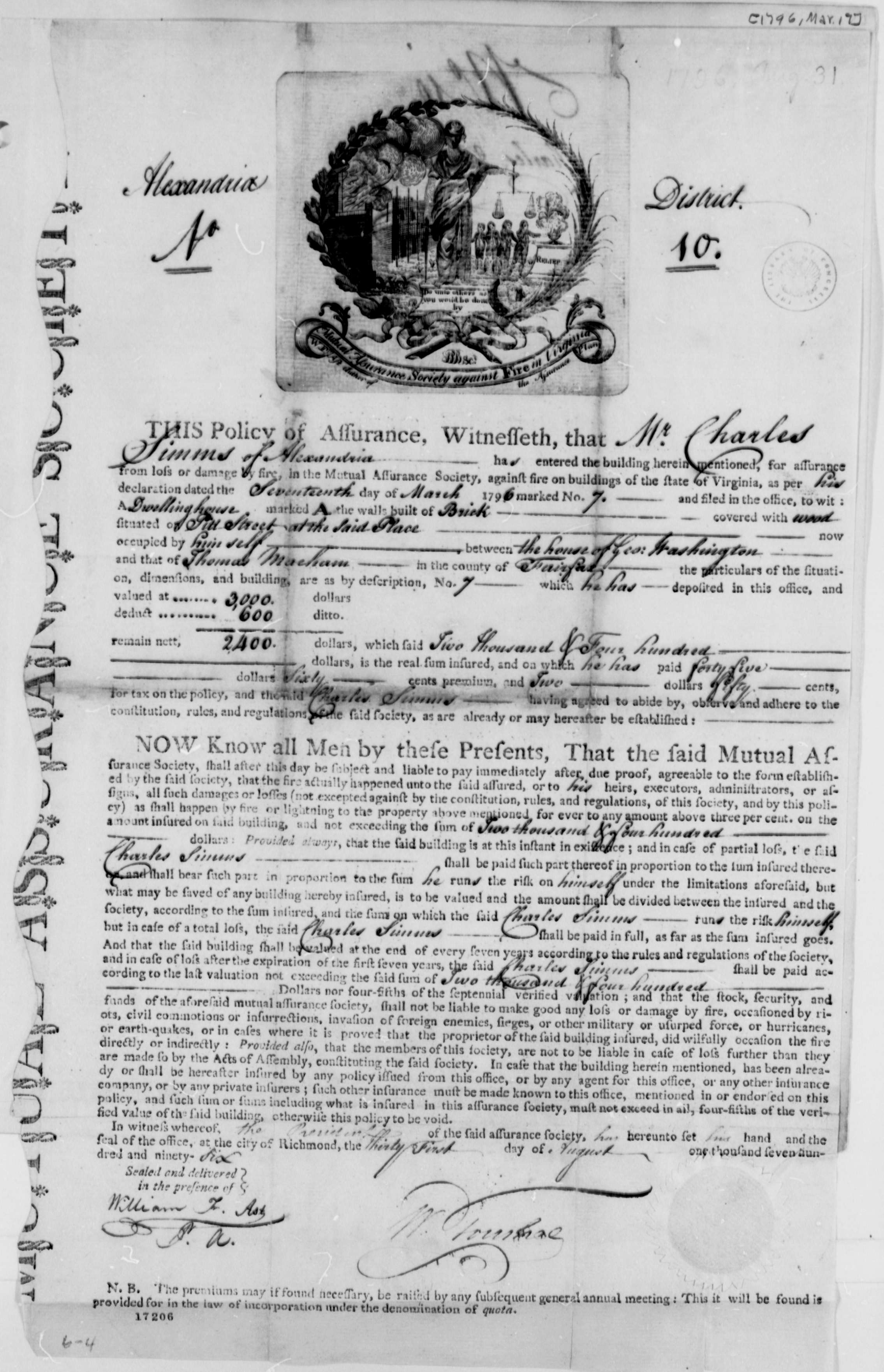
As an insurance producer, you are not merely selling paper; you are structuring a financial safety net that responds to the unpredictable laws of physics and human behavior. Let us examine the fundamental rules that govern the timeline and status of an insurance policy.
Before a policy can pay, it must be triggered. In the early days of insurance, policies were written almost exclusively on an "accident" basis. But as industry, manufacturing, and modern litigation evolved, the strict definition of an accident proved insufficient. We must distinguish carefully between an accident and an occurrence.
Accident: In property and casualty insurance, an accident is a sudden, unforeseen, and unintended event resulting in financial loss.
An accident happens at an exact point in time. A driver runs a red light and strikes a pedestrian. A kitchen grease fire erupts at 6:00 PM on a Tuesday. The timeline is undeniable, and the cause is immediate.
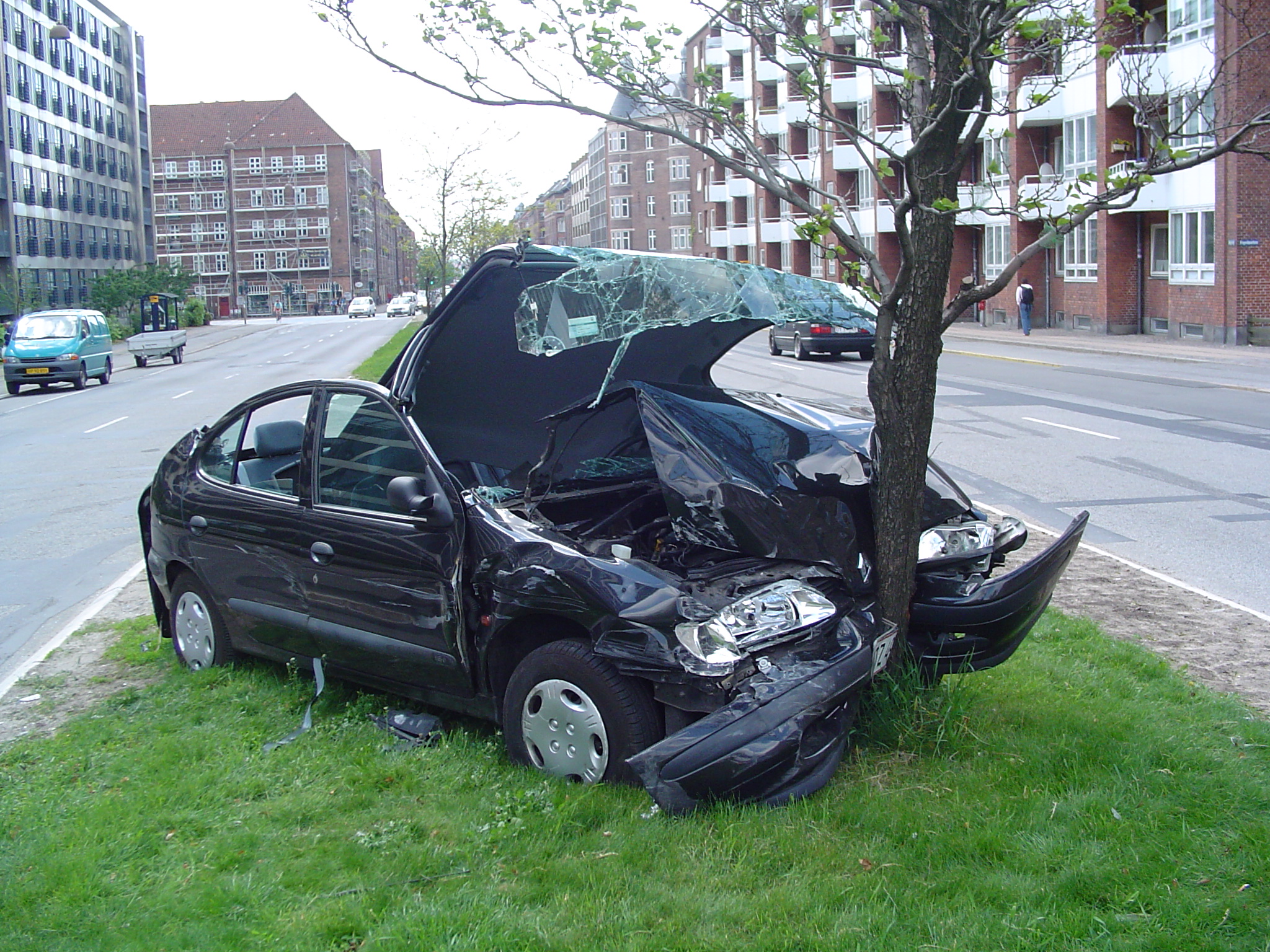
However, reality is rarely so cleanly defined. What happens when a manufacturing plant slowly leaks a toxic solvent into the local groundwater over a period of three years? The damage was unintended, but it was certainly not "sudden." If the policy only covered "accidents," the business would be entirely unprotected against this slow-moving disaster.
To solve this, the insurance industry broadened its trigger by adopting the concept of an occurrence.
Occurrence: An event that results in an insured loss. Crucially, the definition of an occurrence includes sudden and unforeseen accidents, but it expands further to include continuous exposure to substantially the same general harmful conditions, as well as repeated exposure to substantially the same general harmful conditions.
All accidents are occurrences, but not all occurrences are accidents.
Why the Distinction Matters in Practice
This distinction fundamentally changes how a producer structures a commercial or personal liability policy. Because an occurrence encompasses continuous or repeated exposure to the same harmful conditions, a single occurrence can encompass multiple individual claims arising from the same continuous exposure.
Imagine you insure a contractor who installs defective, moisture-trapping stucco on a neighborhood of twenty homes. Over five years, all twenty homes develop severe structural rot. Is this twenty separate deductibles your client must pay? No. Because the damage arose from continuous exposure to substantially the same harmful condition (the defective installation technique and material), it is treated as a single occurrence.

Insurance policies are issued for a specific term—usually six months or one year. But the lifecycle of a policy can be altered. Terminating a policy requires strict adherence to legal notice and mathematical proration. We separate termination into two distinct categories based on when the termination takes effect: cancellation and nonrenewal.
Cancellation (The Mid-Term Severance)
Cancellation is the termination of an in-force insurance policy before the scheduled expiration date.
A policy cancellation can be initiated by either party:
- Initiated by the named insured: An insured might sell their car, close their business, or find a cheaper premium elsewhere. They have the right to cancel their policy at any time.
- Initiated by the insurance company: An insurer might cancel a policy if the insured stops paying premiums, commits fraud, or if the underwriting risk drastically changes (e.g., the insured starts storing commercial explosives in their residential garage).
Because mid-term cancellation disrupts a financial guarantee, the law protects the insured. If the cancellation is initiated by the insurer, insurance companies must provide advance written notice to the insured before a policy cancellation becomes effective. This allows the insured time to secure replacement coverage and avoid a dangerous lapse.

The Mathematics of Unearned Premium
When a policy is canceled mid-term, the insurer is holding "unearned premium"—money the insured paid for future days of coverage that will no longer be provided. How that money is refunded depends entirely on when it is canceled and who initiates the cancellation.
| Type of Cancellation | Who Initiates? | Timing | Refund Mechanism | Underwriting Logic |
|---|---|---|---|---|
| Flat Cancellation | Either Party | Exactly on the effective date of the policy. | The insurance company must issue a full refund of any paid premium to the insured. | The contract never functionally began. No risk was borne by the insurer, so 100% of the money goes back. |
| Pro Rata Cancellation | Insurance Company | Prior to the expiration date. | The insurance company refunds the exact mathematical proportion of the unearned premium for the remaining policy term. | The insurer is breaking the promise early. Therefore, they must give back every single penny corresponding to the unfulfilled days, down to the decimal. |
| Short Rate Cancellation | Named Insured | Prior to the expiration date. | The insurance company retains a percentage of the unearned premium to cover administrative costs. | The insured is breaking the contract early. The insurer spent money underwriting, inspecting, and issuing the policy. By applying a short rate penalty, the insurer recoups these fixed operational costs. |
Nonrenewal (The End-of-Term Separation)
If cancellation is a sudden mid-term severance, nonrenewal is simply choosing not to sign a new contract once the current one naturally expires.
Nonrenewal: The termination of an insurance policy at the exact end of the current policy term.
Like cancellation, nonrenewal is a two-way street. Nonrenewal happens when the insurer decides not to offer coverage for an additional policy term (perhaps the insured has filed too many claims, making them unprofitable). Conversely, nonrenewal happens when the insured decides not to accept coverage for an additional policy term (choosing to move to a competitor).
Just as with mid-term insurer cancellations, an insurance company must provide advance written notice to the insured before a policy nonrenewal takes effect. The state expects producers and insurers to ensure no citizen suddenly finds themselves driving an uninsured vehicle or holding a completely unprotected mortgage without fair warning.
Insurance is priced based on statistical probability. When pricing property insurance, actuaries assume a baseline level of human presence. Humans act as a property’s immune system. If a pipe bursts while a family is eating dinner, someone rushes to the basement and shuts off the water valve. If a teenager throws a rock through a window, a business owner boards it up the next morning, preventing squatters from entering.
When humans leave, the risk profile of a building skyrockets. Therefore, standard property policies feature strict provisions detailing how coverage alters when a building becomes empty. To apply these rules, we must differentiate between a building that is merely unoccupied and one that is entirely vacant.
Unoccupancy: The Humans Are on Vacation
Unoccupancy refers to an insured building that temporarily contains no people.
Crucially, an unoccupied insured building still contains personal property. Even though no human is walking the halls, an unoccupied building remains adequately furnished or equipped for customary use. The beds have mattresses, the kitchen has appliances, the living room has furniture, and the utilities are functioning.
The classic example of unoccupancy is a primary residence when the residents are away on a vacation. The house is waiting for its inhabitants to return. Because the intent to return is clear and the absence is temporary, standard property insurance policies generally maintain full coverage during periods of unoccupancy.
Vacancy: The Hollow Shell
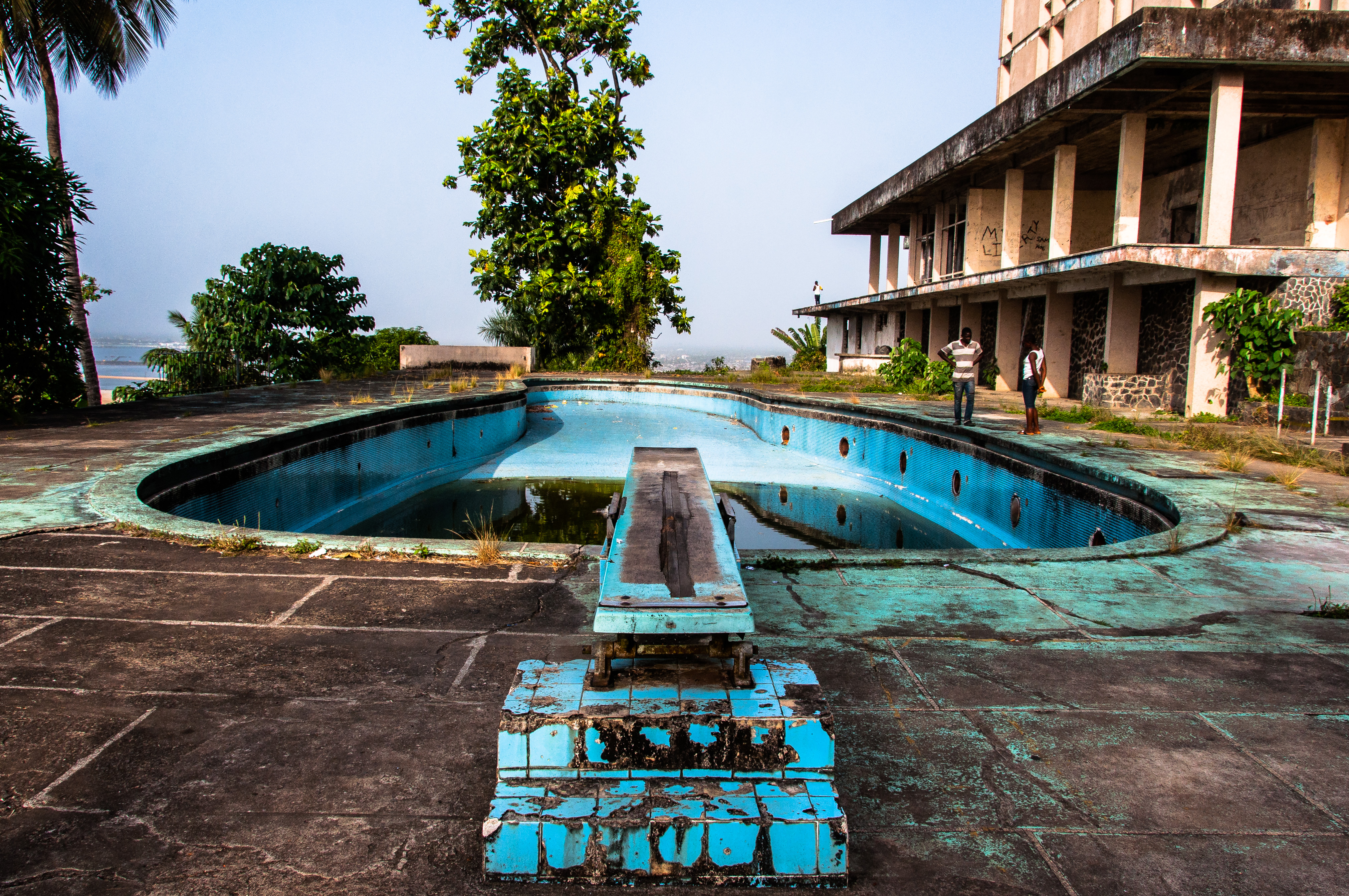
Vacancy refers to an insured building that contains no people and contains no personal property.
A vacant building lacks the necessary contents for customary operations or residential use. There are no desks in the office; there are no beds in the master bedroom. It is a hollow shell.
To an insurance underwriter, a vacant building is an extreme hazard. An empty, abandoned structure attracts vagrants, copper thieves, and mischievous teenagers. A tiny spark in a vacant building burns until the entire structure collapses, because no one is there to smell the smoke.
Because of this severe, un-underwritten hazard, property policies heavily penalize vacancy.
The 60-Day Vacancy Rule
Standard property insurance policies draw a hard line at 60 days. If a building is vacant for 60 consecutive days, the policy acts to protect the insurer from the magnified risks of abandonment.
After 60 consecutive days of vacancy, standard property insurance policies entirely suspend coverage for the following specific perils:
- Vandalism
- Malicious mischief
- Glass breakage
- Theft
- Attempted theft
- Water damage
If squatters strip the copper wiring out of a building on the 65th day of vacancy, the insured receives nothing. The policy considers the insured practically negligent for abandoning the property without securing specialized "vacant property" coverage.
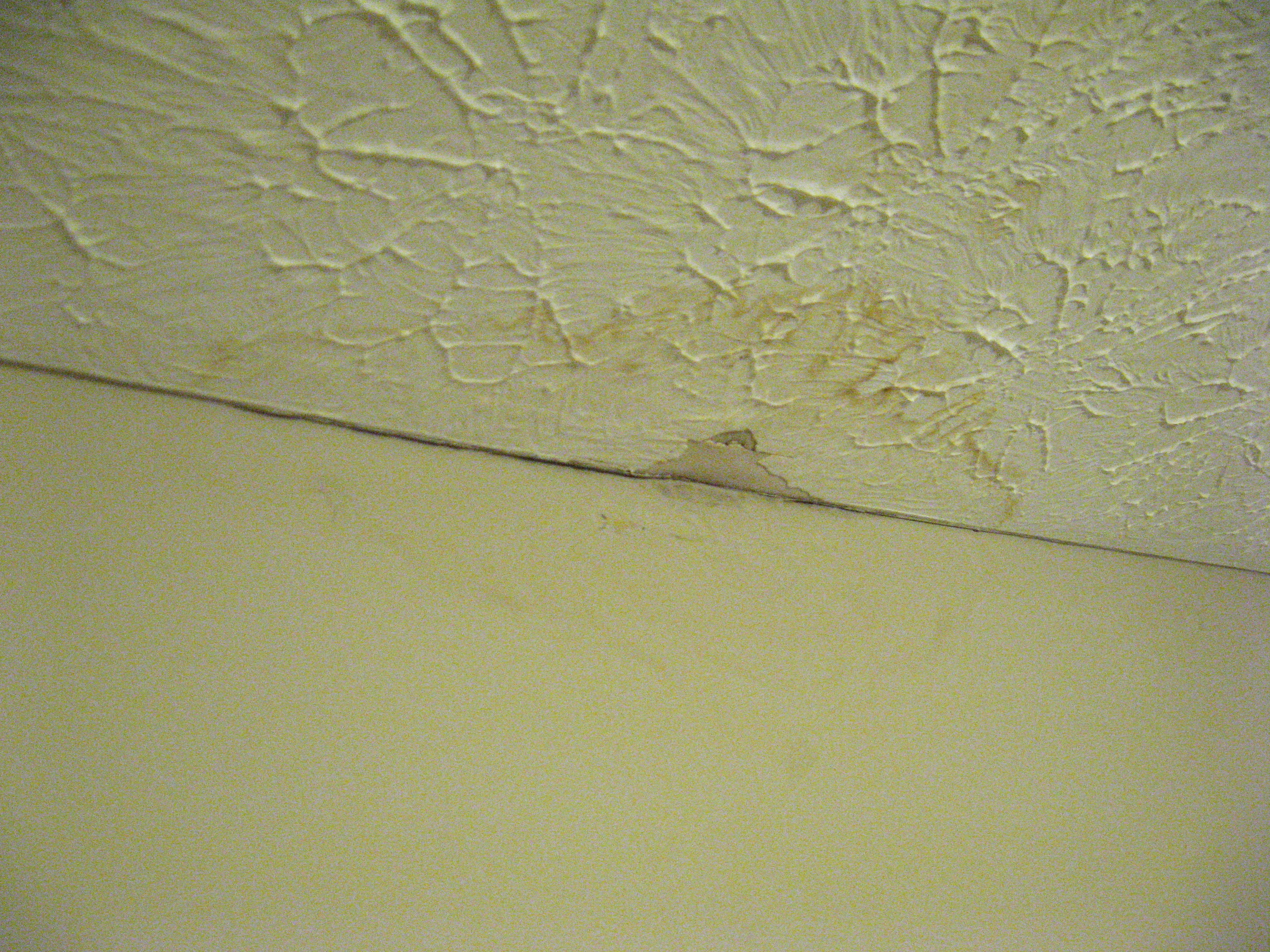
Furthermore, the penalty extends beyond those six suspended perils. What if the vacant building is struck by lightning (a peril completely unrelated to human abandonment) on day 70? While fire caused by lightning is still a covered peril, the financial payout is penalized. Commercial property policies reduce the claim payout by 15 percent for covered perils if the building is vacant for more than 60 consecutive days.

As a producer, identifying when a client's property transitions from unoccupied to vacant is one of your most vital advisory duties. A client transitioning between commercial tenants or attempting to sell an empty home must be warned of the 60-day rule, allowing you to endorse the policy or rewrite the coverage to ensure their greatest asset does not become a catastrophic financial loss.