Pennsylvania Insurance Code & Department of Insurance
Not sure you’re ready?
Take the ~3-minute readiness diagnostic and see where you stand.
An insurance policy is nothing more than a piece of paper representing a complex financial promise. Every policy you write as a producer relies on the fundamental premise that, on the worst day of a client's life, a check will clear and a business or family will survive. To prevent these promises from devolving into illusions, the state requires a strict regulatory referee to ensure both the players (insurers) and the agents (producers) possess the operational integrity to back up their contracts.
In this state, that referee is the Pennsylvania Insurance Department. As an aspiring producer, you must understand not just how to sell policies, but the legal framework that governs your every action.
The Pennsylvania Insurance Department is headed by the Insurance Commissioner. This is not an elected position; rather, the Pennsylvania Governor appoints the Insurance Commissioner. However, the Governor cannot act unilaterally—the appointment requires the advice and consent of the Pennsylvania State Senate. Once confirmed, the Pennsylvania Insurance Commissioner holds office for a term of four years.

It is crucial to understand the Commissioner's boundaries. They do not write the laws—that is the job of the state legislature. Instead, the primary duty of the Pennsylvania Insurance Commissioner is to execute and enforce the insurance laws of the state. To fulfill this mandate, the Commissioner possesses the profound authority to issue, suspend, and revoke insurance producer and company licenses.
To ensure this regulatory power remains entirely objective, Pennsylvania enforces a strict conflict-of-interest rule: No officer or employee of the Pennsylvania Insurance Department may have a financial interest in an insurance company other than as a policyholder. You can buy a standard auto policy to protect your personal vehicle, but you cannot own stock, sit on a board, or hold a financial stake in the entities you are tasked with regulating.

How does the Commissioner ensure insurance companies are playing by the rules in the real world? Through observation and auditing.
The Pennsylvania Insurance Commissioner conducts market conduct examinations to review an insurer’s claims handling, policy issuance, and sales practices. They are primarily looking for violations of the Pennsylvania Unfair Insurance Practices Act, the statutory framework that defines and prohibits unfair methods of competition and deceptive business acts in the insurance industry.
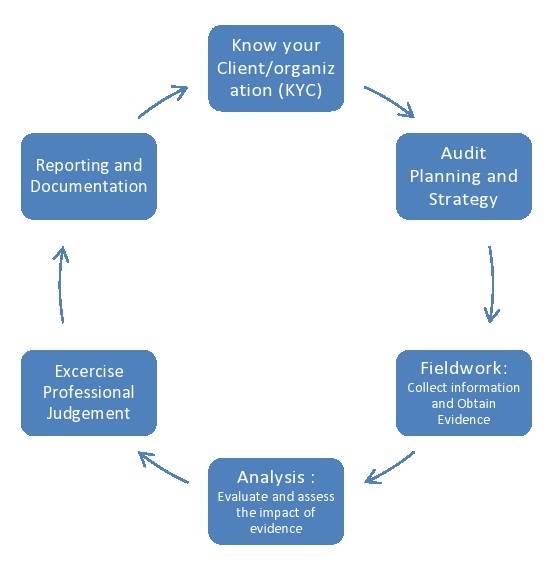
The Scope of the Exam: The Commissioner is not limited to observing the insurance company's headquarters. The Commissioner may examine the records of any authorized insurer or licensed producer to ensure compliance with state insurance laws. If they suspect your agency is misrepresenting policies, they have the legal right to open your books.
If the state dispatches auditors to camp out in an insurance company's headquarters for a month, the taxpayers do not foot the bill. The insurance company being examined is responsible for paying the costs and per diem fees associated with a Pennsylvania market conduct examination.
When the audit concludes, the state does not simply leave quietly. The Pennsylvania Insurance Commissioner issues a formal examination report outlining any statutory violations discovered during a market conduct exam.
As a licensed producer, you are the frontline of the insurance industry. The state grants you the authority to bind coverage and handle client funds, and in exchange, they demand absolute transparency.
First and foremost, Pennsylvania insurance producers must maintain complete and accurate records of all insurance transactions to allow the Insurance Commissioner to verify regulatory compliance. If an auditor walks into your office, you must be able to trace every application, premium payment, and policy delivery.
Second, your communication with the Department must be flawless and timely. The state operates on strict 30-day clocks for administrative reporting:
- Address Changes: A Pennsylvania insurance licensee must report any change of residential or business address to the Insurance Department within 30 days of the relocation.
- Outside Administrative Actions: A Pennsylvania insurance producer must report any administrative action taken against them in another jurisdiction to the Pennsylvania Insurance Department within 30 days. If Ohio suspends your non-resident license, Pennsylvania demands to know about it immediately.
Do not treat these 30-day rules as mere suggestions. Failure to notify the Pennsylvania Insurance Department of a residential or business address change within the required 30-day window can result in monetary fines or license suspension.
When the Department suspects a violation, the Commissioner cannot simply drop the hammer on a whim. The law guarantees due process.
The Pennsylvania Insurance Commissioner must provide written notice and an opportunity for a hearing before imposing administrative penalties on a licensee. If the Department conducts an inquiry and issues an investigative report against you or an insurer, the timeline to defend yourself is tight: An individual or insurer has exactly 10 days to request a formal administrative hearing after receiving an investigative report.
Administrative Actions
If a violation is actively occurring, the Pennsylvania Insurance Commissioner can issue a cease and desist order requiring an individual or entity to immediately stop violating the state insurance code.
If a producer's license is revoked or an application is denied due to severe violations, the Pennsylvania Insurance Commissioner can refuse to issue a new license to an offending individual for a period of up to one year following a violation.
Financial Penalties
The Pennsylvania Insurance Commissioner handles civil and administrative penalties related to insurance code violations. It is vital to note the limits of this power: The Pennsylvania Insurance Commissioner does not have the authority to impose criminal sentences such as imprisonment. (If a producer commits criminal fraud, the Commissioner levies civil fines and revokes the license, but they hand the criminal file to the Attorney General or a District Attorney for prosecution).
When calculating administrative fines, Pennsylvania scales the financial pain based on the severity of intent and the size of the entity:
| Type of Violation | Penalty per Violation | Annual Aggregate Maximum |
|---|---|---|
| Non-Willful (An honest, albeit negligent, mistake) | Up to $5,000 | Producer / Non-Insurer: $100,000 |
| Willful (You knew the rule and intentionally broke it) | Up to $10,000 | Insurance Company: $500,000 |
Note on Aggregate Limits: To prevent a single cascade of errors from generating infinite, unpayable fines, the state caps penalties in a calendar year. Aggregate administrative fines imposed against a non-insurer licensee (like you, the producer) may not exceed $100,000 during a single calendar year. Conversely, because they possess deeper capital reserves, aggregate administrative fines imposed against an individual insurer may not exceed $500,000 during a single calendar year.
The Avenue of Appeal
Finally, if a licensee goes through an administrative hearing and believes the Commissioner’s resulting penalty is unjust or legally flawed, they are not without recourse in the judicial system. A licensee against whom administrative penalties are assessed by the Pennsylvania Insurance Commissioner may appeal the decision to the Commonwealth Court.

Understanding these rules ensures you don't just pass the licensing exam—it ensures that when you step into the real world of risk management, your career is built on a compliant, unshakeable foundation.