Pennsylvania P&C Guaranty Association & Workers Compensation
Not sure you’re ready?
Take the ~3-minute readiness diagnostic and see where you stand.
When an architectural structure bears a load, we calculate its breaking point to ensure it never fails. Insurance is the financial architecture that bears the unpredictable loads of modern life—from a collapsed roof to a shattered femur on a factory floor. But two critical questions arise in the architecture of risk: what happens when the financial backstop itself collapses under the weight of its obligations, and how do we manage the inevitable physical toll exacted on human laborers?
In Pennsylvania, state law resolves these vulnerabilities through two distinct mechanisms. First, the Pennsylvania Property and Casualty Insurance Guaranty Association acts as a definitive safety net for insolvent insurers. Second, the Workers Compensation system establishes a strict, no-fault economic framework for workplace injuries. Understanding these systems requires examining not just their rules, but the precise mechanical limits placed on benefits, the thresholds for coverage, and the uncompromising penalties for those who attempt to bypass the structure.
To understand the Pennsylvania Property and Casualty Insurance Guaranty Association (PPCIGA), you must first recognize the systemic risk of an insurance company going bankrupt. If an insurer becomes insolvent, outstanding claims freeze, and policyholders face financial ruin. The PPCIGA was engineered to prevent this exact catastrophe.
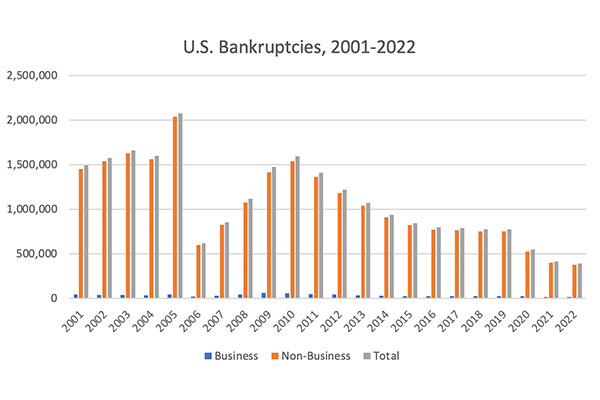
The Pennsylvania Property and Casualty Insurance Guaranty Association pays covered claims when a member property and casualty insurer becomes insolvent. By doing so, the Pennsylvania Property and Casualty Insurance Guaranty Association prevents excessive delays in claim payments resulting from an insurer insolvency. Furthermore, it operates proactively; the Pennsylvania Property and Casualty Insurance Guaranty Association assists in the detection and prevention of insurer insolvencies in the state.
How is this funded and enforced? It is an inescapable requirement of doing business. All admitted property and casualty insurers must participate in the Pennsylvania Property and Casualty Insurance Guaranty Association as a condition of receiving authority to write insurance in the state.
Anatomy of a Covered Claim
To trigger PPCIGA protection, a claim cannot merely exist in a vacuum. A covered claim under the Pennsylvania Property and Casualty Insurance Guaranty Association must arise from an insurance policy issued by a member insurer that has become insolvent.
Jurisdiction is equally strict. To qualify for Pennsylvania Property and Casualty Insurance Guaranty Association coverage, the claimant or insured must be a resident of Pennsylvania at the time of the insured event.
However, physical geography can override residency for real property. Claims involving property permanently located in Pennsylvania are eligible for Pennsylvania Property and Casualty Insurance Guaranty Association coverage regardless of the owner's state of residency. If a resident of Ohio owns a commercial building in Pittsburgh and their admitted insurer collapses, the Pittsburgh building is still protected by the PPCIGA.
Ceilings, Limits, and the Duty to Defend
The Association does not possess unlimited funds; it applies strict statutory caps to its payouts.
| Type of Claim | Maximum PPCIGA Limit |
|---|---|
| Return of Unearned Premium | The maximum amount the Pennsylvania Property and Casualty Insurance Guaranty Association will pay for a covered claim for the return of unearned premium is $10,000 per policy. |
| All Other Covered Claims | The maximum amount the Pennsylvania Property and Casualty Insurance Guaranty Association will pay for any covered claim other than unearned premium is $300,000 per claimant. |
Crucial Concept: The PPCIGA respects the original underwriting boundaries. The Pennsylvania Property and Casualty Insurance Guaranty Association will never pay an amount exceeding the applicable limit of the insolvent insurer's original policy. If an insured had a liability policy with a $100,000 limit, the PPCIGA cap is $100,000, not the statutory $300,000 maximum.
Liability policies also include a duty to defend the insured in court. However, the Pennsylvania Property and Casualty Insurance Guaranty Association's obligation to defend an insured ceases once the association pays an amount equal to the association's covered claim obligation or the policy limit.
Exclusions: What the Association Will Not Pay
The PPCIGA is designed to protect the vulnerable public, not to shield wealthy entities, cover regulatory penalties, or bail out the broader financial sector. Consequently, several claims are explicitly excluded:
- Punitive Damages: Punitive and exemplary damages are specifically excluded from coverage under the Pennsylvania Property and Casualty Insurance Guaranty Association.
- Retrospective Premiums: Claims for the return of premium under a retrospective rating plan are not covered by the Pennsylvania Property and Casualty Insurance Guaranty Association.
- Industry Subrogation: Claims due to any reinsurer, insurer, or underwriting association as subrogation recoveries are excluded from Pennsylvania Property and Casualty Insurance Guaranty Association coverage. The safety net is for consumers, not for insurers to recoup losses from one another.
- High Net Worth Insureds: First-party claims by an insured whose net worth exceeds $25 million are excluded from Pennsylvania Property and Casualty Insurance Guaranty Association coverage. The $25 million net worth limit for the Pennsylvania Property and Casualty Insurance Guaranty Association exclusion is calculated on December 31 of the year prior to the insurer's insolvency.
- Non-Admitted Markets: Surplus lines insurance policies are not protected by the Pennsylvania Property and Casualty Insurance Guaranty Association. Insureds seeking coverage in the surplus lines market assume the risk of operating outside the admitted market's safety net.
Historically, an injured factory worker had to sue their employer for negligence to recover medical costs or lost wages. This resulted in delayed medical care, overwhelmed courts, and unpredictable financial ruin for both labor and capital.
The modern system replaces that chaos with a highly regulated tradeoff. The Pennsylvania workers compensation system operates on a no-fault basis. In exchange for guaranteed, immediate medical and wage benefits regardless of who caused the accident, we apply the exclusive remedy provision: an employee receiving workers compensation benefits generally cannot sue the employer in tort for the workplace injury.
Mandates and Mechanisms
Pennsylvania law requires nearly all employers with one or more employees to carry workers compensation insurance. The employment status duration does not matter; Pennsylvania workers compensation insurance coverage is mandatory for full-time, part-time, and seasonal employees.
To fulfill this legal obligation, Pennsylvania employers can secure workers compensation coverage through three primary avenues:
- Private insurance carriers.
- Approved self-insurance programs (usually reserved for highly capitalized corporations).
- The State Workers' Insurance Fund.
The State Workers' Insurance Fund is a state-operated entity providing workers compensation insurance to Pennsylvania employers. Crucially, the State Workers' Insurance Fund serves as a guaranteed source of coverage for employers unable to obtain workers compensation insurance in the private market, often due to high-risk operations or poor claims history.
The Boundary Lines of Employment
Not every individual performing labor is classified as a covered employee under the statute. You must be able to categorize the exceptions:
- Independent Contractors: Independent contractors are not considered employees and do not qualify for Pennsylvania workers compensation benefits.
- Owners and Partners: Sole proprietors and business partners are not automatically covered under Pennsylvania workers compensation. However, because they may also face physical risks, sole proprietors and business partners in Pennsylvania may voluntarily elect to be covered by workers compensation insurance.
- Domestic Workers: Domestic servants are exempt from mandatory workers compensation coverage in Pennsylvania. Yet, employers may voluntarily choose to provide workers compensation coverage for domestic servants in Pennsylvania.
- Agricultural Workers: Pennsylvania agricultural workers earning less than $1,200 in a calendar year from one employer are exempt from mandatory workers compensation coverage.
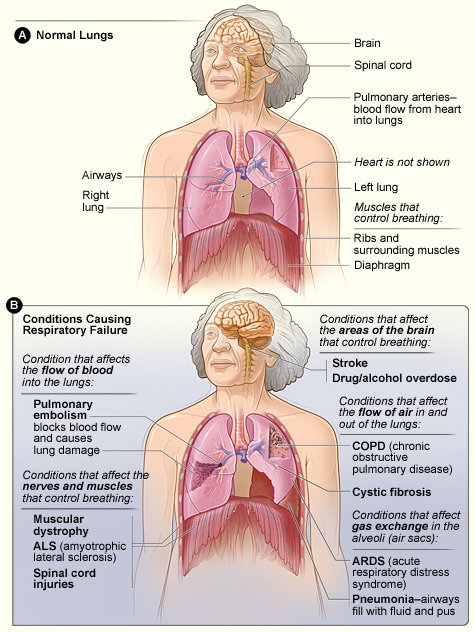
To be compensable under Pennsylvania law, a workers compensation injury or illness must occur in the course and scope of employment. This covers acute trauma, but it also extends to gradual harm. Pennsylvania workers compensation covers occupational diseases that result directly from workplace exposures and hazards, such as a coal miner developing black lung or a chemical plant worker developing chronic respiratory failure.
When the legal trigger is met, the system deploys four specific categories of benefits. Each is mathematically precise.
1. Medical Benefits
The immediate priority of the system is physical recovery. Medical benefits under Pennsylvania workers compensation cover 100 percent of reasonable and necessary medical treatments with no maximum monetary limit. Furthermore, there is no waiting period for medical benefits to begin under the Pennsylvania workers compensation system; coverage attaches the moment the injury occurs.
However, the employer is granted a measure of cost control during the initial recovery phase. An injured Pennsylvania worker must use a medical provider from an employer-designated panel for the first 90 days of treatment.
The Posting Rule: The requirement to use a panel physician only applies when the Pennsylvania employer has properly posted a list of approved medical providers. If an injured worker refuses to treat with a properly posted panel physician during the first 90 days of treatment, the employer is not required to pay for those medical services.
2. Wage Loss Benefits
Wage loss benefits provide financial compensation for Pennsylvania workers who are totally or partially disabled due to a work-related injury.
Pennsylvania wage loss benefits are generally calculated as two-thirds of the injured worker's pre-injury average weekly wage. To prevent infinite liability for highly compensated executives, the Pennsylvania Department of Labor and Industry sets a statutory maximum limit on the weekly amount a worker can receive for wage loss benefits.
3. Specific Loss Benefits
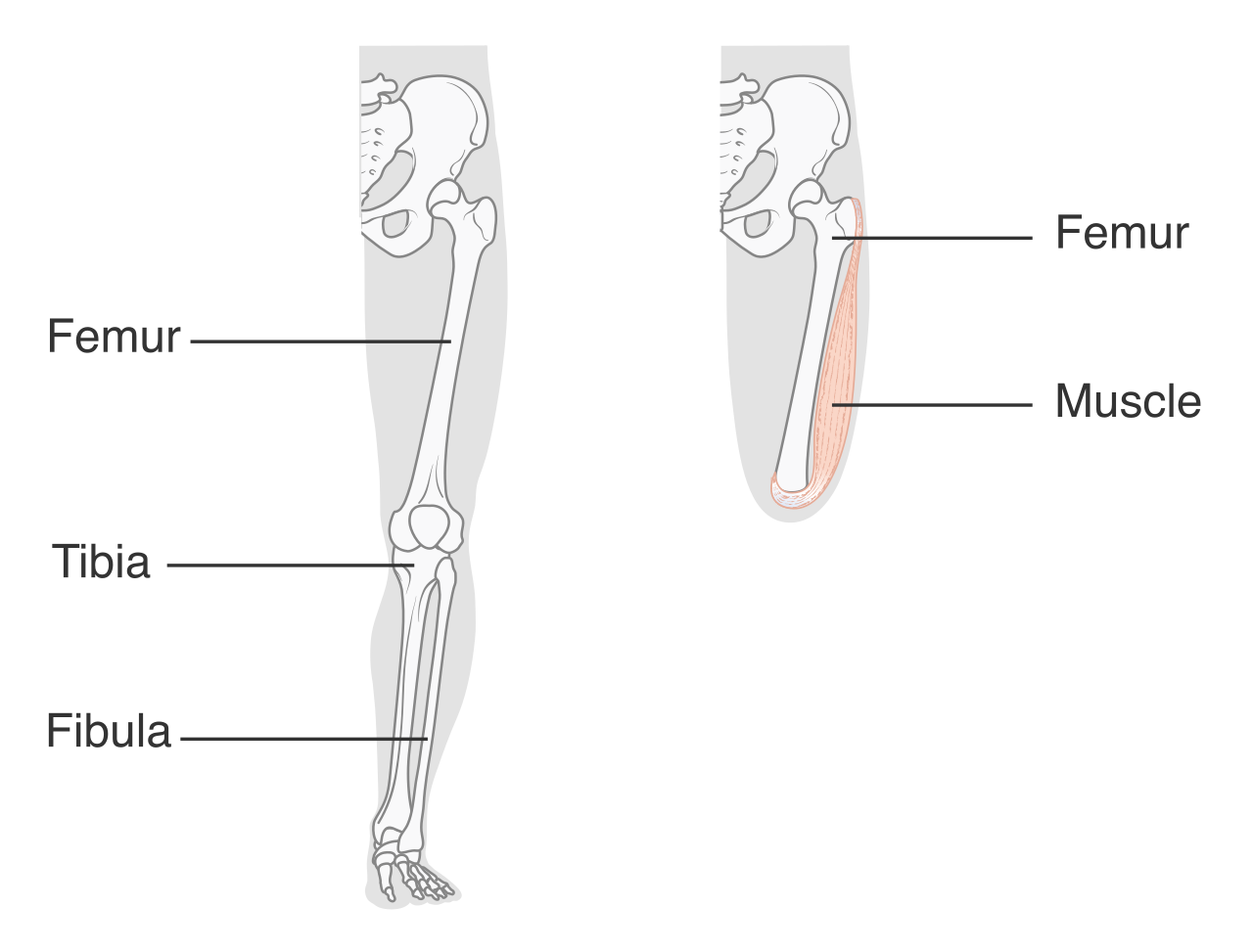
Certain catastrophic injuries bypass standard wage loss calculations. Specific loss benefits in Pennsylvania compensate workers for the permanent loss of use of a body part, amputation, or the loss of vision or hearing. This acts as a scheduled payout recognizing the permanent reduction in physical capability, regardless of whether the individual eventually returns to work.
4. Death Benefits
In the most tragic scenarios, the financial obligation outlives the employee. Workers compensation death benefits in Pennsylvania are payable to surviving dependents if a worker dies from a work-related injury or occupational disease.
The administrative machinery of workers compensation runs on strict timelines. An injured worker in Pennsylvania must notify the employer of a work-related injury within 120 days to preserve the right to receive benefits. If an injured worker fails to provide notice of the injury to the employer within 120 days, the Pennsylvania workers compensation claim is barred.
The Consequences of Non-Compliance
What happens when an employer ignores the mandate to purchase coverage? The legal consequences are swift and severe. Employers who fail to maintain required workers compensation insurance in Pennsylvania face civil and criminal penalties.
Furthermore, the employer loses their most critical legal shield. If an employer is uninsured at the time of a work-related injury, the injured Pennsylvania worker may sue the employer in tort. The exclusive remedy provision evaporates, exposing the employer's total assets to civil litigation.
But civil litigation takes time, and an injured worker needs immediate medical care and wage replacement. To solve this, the state relies on a specialized safety net: injured workers of an uninsured Pennsylvania employer may receive compensation from the Uninsured Employers Guaranty Fund (UEGF).
The state will not absorb this cost on behalf of a negligent business owner. Following the payout, the Pennsylvania Bureau of Workers Compensation will seek reimbursement from an uninsured employer for all monies paid out of the Uninsured Employers Guaranty Fund.
By enforcing these mandates and maintaining both the PPCIGA and the UEGF, Pennsylvania ensures that the structural integrity of its insurance and labor markets remains sound, even when individual entities fail to uphold their obligations.