Personal and Commercial Automobile Insurance
Not sure you’re ready?
Take the ~3-minute readiness diagnostic and see where you stand.
An automobile in motion is a multi-ton assembly of glass, steel, and combustible liquid navigating shared public spaces at high velocities. When kinetic energy is abruptly redirected into another vehicle, a storefront, or a human body, the resulting financial liabilities can obliterate a lifetime of wealth. Automobile insurance is the legal and financial shock absorber designed to absorb this impact. To master automobile insurance is to understand exactly how risk is segmented, transferred, and ultimately paid out when a split-second driver error translates into a catastrophic loss.
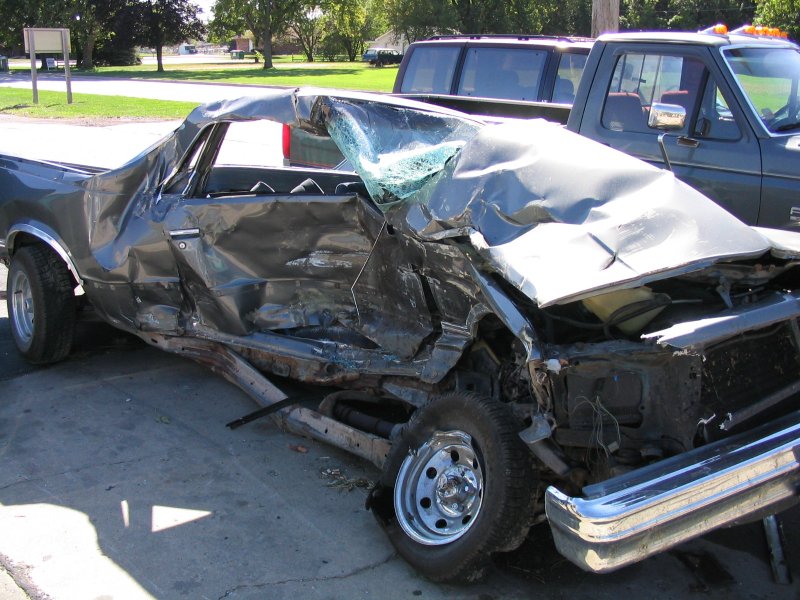
If you look closely at the Personal Auto Policy (PAP), you will notice it is not a single monolith of coverage, but an interlocking system of distinctly engineered parts. Like the structural compartments of a ship, a breach in one area is handled by a specific bulkhead.
The Personal Auto Policy contains six main coverage sections designated Part A through Part F:
- Part A: Liability Coverage
- Part B: Medical Payments Coverage
- Part C: Uninsured Motorists Coverage
- Part D: Coverage for Damage to Your Auto
- Part E: Duties After an Accident or Loss
- Part F: General Provisions
Let’s dismantle how each section operates in the real world.
Part A: Liability Coverage (The Financial Firewall)
When a driver makes a catastrophic error, Part A Liability Coverage pays for bodily injury and property damage for which an insured becomes legally responsible because of an auto accident. This is third-party coverage; it does not pay the insured. It pays the people the insured has injured or whose property they have destroyed.
But who exactly is protected under this firewall? An insured under Part A of the Personal Auto Policy includes the named insured and any resident family member. Crucially, the policy follows the vehicle: it also includes any person using the covered auto with the permission of the named insured. If you hand your keys to your neighbor, you are also handing them your Part A liability limits.
These limits are not infinitely elastic. Split limits of liability are expressed as three numbers representing maximum limits for per-person bodily injury, per-accident bodily injury, and per-accident property damage. (For example, 25/50/25 means a maximum of $25,000 per person for bodily injury, a maximum of $50,000 total per accident for bodily injury, and $25,000 per accident for property damage).
The Duty to Defend: When your client is sued, the insurer steps in. The cost of legal defense is provided in addition to the liability limits of the Personal Auto Policy. This is a massive benefit. However, this well of legal funding is not bottomless. The insurer's duty to defend the insured ends when the liability limit has been exhausted by payment of judgments or settlements. Once the insurer writes the check for the policy limit, the client is on their own for the remainder of the defense.
To ease the friction of legal entanglements, the policy offers specialized "Supplementary Payments." Personal Auto Policy supplementary payments include up to $250 for the cost of bail bonds required because of an accident, and up to $200 per day for the insured's loss of earnings during trial appearances.
Why this matters for your clients crossing state lines: What happens if a client with state minimum limits drives into a neighboring state with higher minimum requirements? They aren't suddenly driving illegally. The out-of-state coverage provision automatically increases the Personal Auto Policy liability limits to meet the minimum mandatory requirements of the state where the accident occurs. The policy behaves like an accordion, expanding automatically to keep the client legally compliant.
Parts B & C: Protecting the Human Body
While Part A pays others, Parts B and C protect the people inside the insured vehicle.
Part B Medical Payments Coverage pays reasonable medical and funeral expenses incurred by an insured in an auto accident regardless of fault. Why "regardless of fault"? Because tying up urgent emergency room bills in a three-year court battle over who ran the red light is disastrous. Medical Payments Coverage provides immediate liquidity for bodily repair. Structurally, Medical Payments Coverage under the Personal Auto Policy applies to expenses incurred for services rendered within three years of the accident date.
But what if the other driver caused the crash and they are wholly uninsured? Enter Part C Uninsured Motorists Coverage. This part pays compensatory damages that an insured is legally entitled to recover from the owner or operator of an uninsured motor vehicle.
The Hit-and-Run Rule: An unidentified phantom vehicle that strikes your client's car and vanishes leaves no liability policy to claim against. Therefore, a hit-and-run vehicle whose operator cannot be identified qualifies as an uninsured motor vehicle under the Personal Auto Policy.
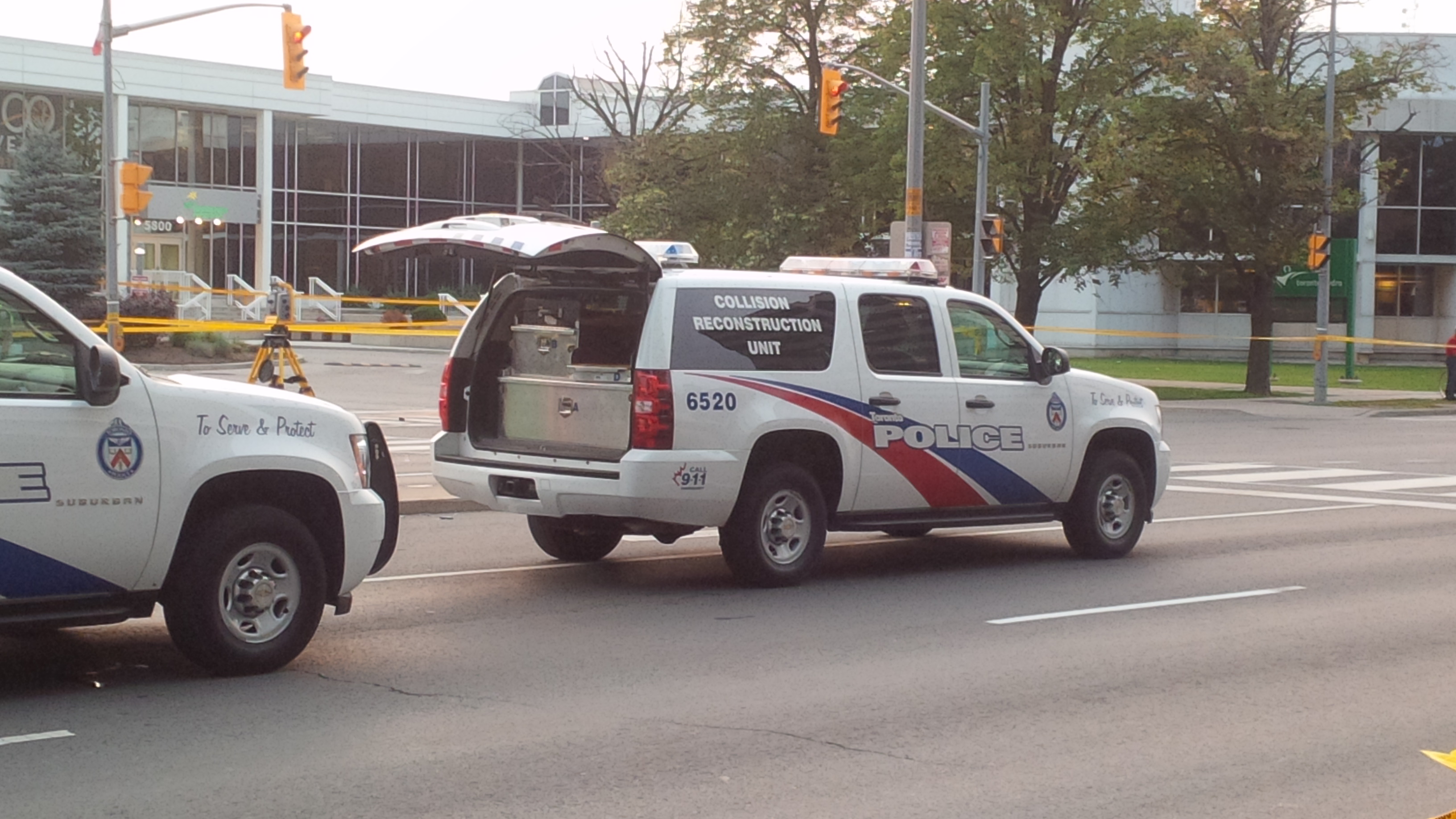
Sometimes the at-fault driver has insurance, but barely enough to cover a fraction of the hospital bills. In this scenario, Underinsured Motorists Coverage pays the difference between the injured insured's damages and the at-fault driver's bodily injury liability limits. If your client suffers $100,000 in injuries, and the at-fault driver carries only a $25,000 limit, your client's Underinsured Motorists Coverage steps in to bridge that $75,000 gap, up to its own policy limit.
Part D: Coverage for Damage to Your Auto (Protecting the Machine)
Part D Coverage for Damage to Your Auto pays for direct and accidental loss to a covered auto or any non-owned auto used by the insured.
This physical damage protection is bifurcated into two mutually exclusive peril categories: Collision and Other Than Collision (OTC).
| Coverage Type | Definition & Application |
|---|---|
| Collision | Pays for damage to the covered auto caused by the upset of the vehicle (flipping over) or the vehicle's impact with another vehicle or object. |
| Other Than Collision (OTC) | Pays for physical damage to the covered auto caused by perils excluding collision. Often called "Comprehensive" coverage. |
The insurance industry heavily tests your ability to categorize these perils. Why? Because the insured pays different deductibles and faces different rate impacts depending on the categorization. A collision is usually the driver's fault; a falling piano is an act of God.
Notice how the policy strictly classifies the following as Other Than Collision losses under the Personal Auto Policy:
- Contact with a bird or animal: (Even though your car physically "collided" with a deer, animals are unpredictable forces of nature. The industry shields the driver from a collision penalty).
- Glass breakage
- Falling objects and missiles
- Theft or larceny of the covered auto
If a vehicle is severely damaged or stolen, the insured still needs to get to work. Part D of the Personal Auto Policy includes transportation expenses coverage up to $20 per day and a maximum of $600. However, the clock does not start ticking immediately. To discourage fraudulent "quickie" rental claims, transportation expenses coverage for a stolen vehicle begins 48 hours after the theft, whereas transportation expenses coverage for a collision loss begins 24 hours after the loss.
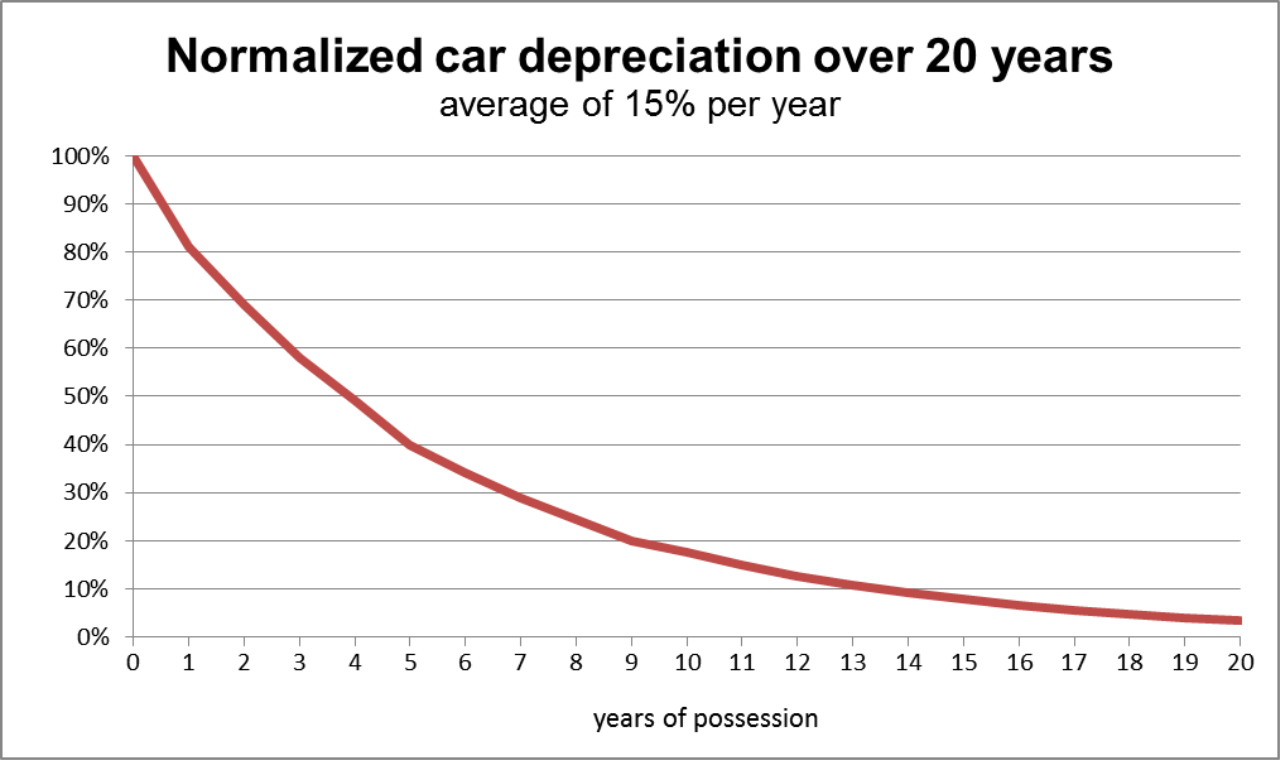
When it comes time to cut the check for the mangled metal, insurers do not buy the client a brand-new car. Physical damage losses under the Personal Auto Policy are settled on an actual cash value (ACV) basis, meaning replacement cost minus depreciation.
Parts E & F: The Engine of the Contract
The final two sections provide the administrative operating rules of the policy.
- Part E of the Personal Auto Policy outlines Duties After an Accident or Loss. (The insured must notify the police of a theft, cooperate with the insurer's investigation, and protect the vehicle from further damage).
- Part F of the Personal Auto Policy contains General Provisions. (Outlining the mechanics of policy cancellation, subrogation rights, and fraud conditions).
Vehicles are not static assets; people buy, trade, and rent them constantly. The PAP accommodates this reality through specific transition rules.
- The "Broadest Coverage" Rule: A newly acquired auto automatically receives the broadest coverage provided to any vehicle already shown on the Personal Auto Policy declarations.
- The 14-Day Rule: This automatic coverage is a temporary grace period. The insured must ask the insurer to insure a newly acquired additional auto within 14 days to continue coverage under the Personal Auto Policy.
- The Substitute: What if the covered auto breaks down, and the insured borrows a neighbor's car to buy groceries? A temporary substitute auto is any vehicle not owned by the insured being used because the covered auto is out of normal use due to breakdown or repair.
Expanding the PAP (Endorsements)
The standard PAP is built for four-wheel private passenger vehicles. To modify it, we use endorsements:
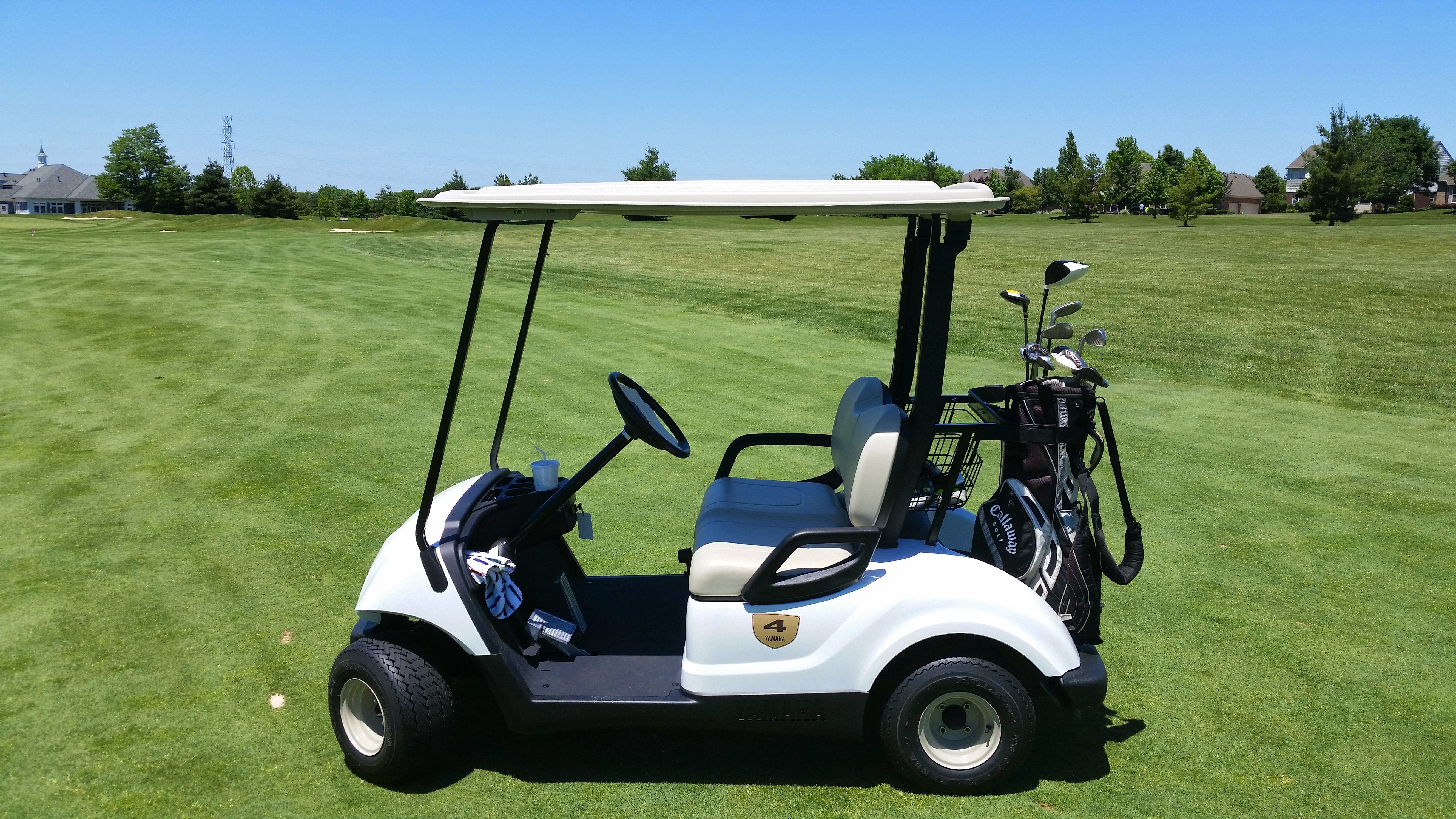
- The Miscellaneous Type Vehicle Endorsement expands the Personal Auto Policy to cover motorcycles, motor homes, and golf carts.
- The Extended Non-owned Coverage Endorsement provides broader liability coverage for individuals driving company cars or frequently driving non-owned vehicles. (Without this, the standard PAP would exclude regular use of a non-owned company car).
When we shift from a family garage to a corporate fleet, the Personal Auto Policy collapses under the weight of the risk. We must deploy the Business Auto Coverage Form.
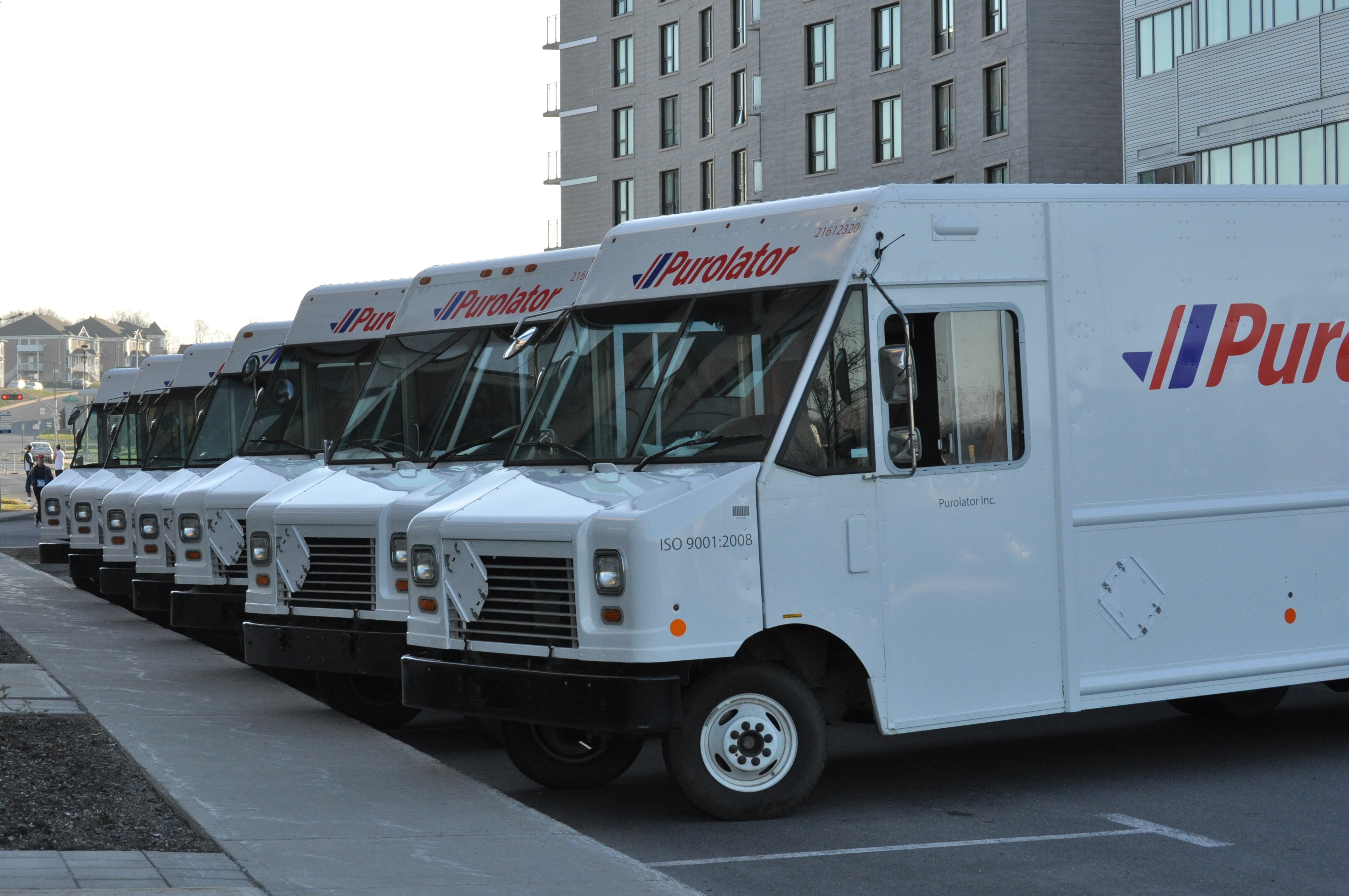
The Business Auto Coverage Form covers commercial vehicles and relies on a numerical symbol system to denote which autos have coverage. Rather than listing every single vehicle and family member, the underwriter assigns a symbol to trigger coverage dynamically.
You must memorize the foundational symbols:
- Symbol 1 denotes "Any Auto" and provides the broadest possible liability coverage. (If the business acquires a new car, rents a truck, or borrows a van, Symbol 1 covers it).
- Symbol 7 denotes "Specifically Described Autos." (Coverage applies strictly to the VINs listed on the declarations page).
- Symbol 8 denotes "Hired Autos Only." (Covers vehicles the business leases, hires, or borrows).
- Symbol 9 denotes "Non-owned Autos Only."
Understanding the Non-owned Commercial Exposure: Why does a business need Symbol 9? Non-owned Autos under the Business Auto Coverage Form include autos owned by the insured's employees while being used in the insured's business. If a manager asks an employee to use their personal Honda Civic to drop off a bank deposit and the employee hits a pedestrian, the business will be sued. Symbol 9 protects the business entity against this vicarious liability.
Exclusions and Structural Differences
The BAP is a precision instrument for commercial liability, not human resources or intentional acts. Therefore:
- The Business Auto Coverage Form excludes bodily injury or property damage expected or intended from the standpoint of the insured.
- The Business Auto Coverage Form excludes liability for bodily injury to an employee of the insured arising out of their employment. (This prevents double-dipping; employee injuries belong exclusively in the Workers' Compensation system).
- Similarly, the fellow employee exclusion in the Business Auto Coverage Form eliminates coverage for bodily injury to any fellow employee of the insured arising out of employment. If Employee A backs a company truck over Employee B, the BAP liability will not pay Employee B. That is a Workers' Compensation claim.
Physical Damage in the BAP: While the BAP offers Comprehensive coverage similar to the PAP's OTC, it also offers a cheaper, narrower alternative. Specified Causes of Loss coverage is a named peril alternative to Comprehensive physical damage coverage in the Business Auto Coverage Form. (It covers exactly what it names: fire, lightning, explosion, theft, windstorm, etc., leaving no room for "mystery" losses).
What is Missing from the BAP? Unlike the Personal Auto Policy, which inherently cares for the human body, the commercial BAP is strictly a liability and property contract by default. Medical Payments coverage is not automatically included in the Business Auto Coverage Form and requires an optional endorsement. Furthermore, Uninsured Motorists coverage is not automatically included in the Business Auto Coverage Form and requires an optional endorsement.
Certain businesses have auto exposures so bizarre and severe that even the standard BAP cannot handle them.
The Dealership Problem (Garage Coverage Form)
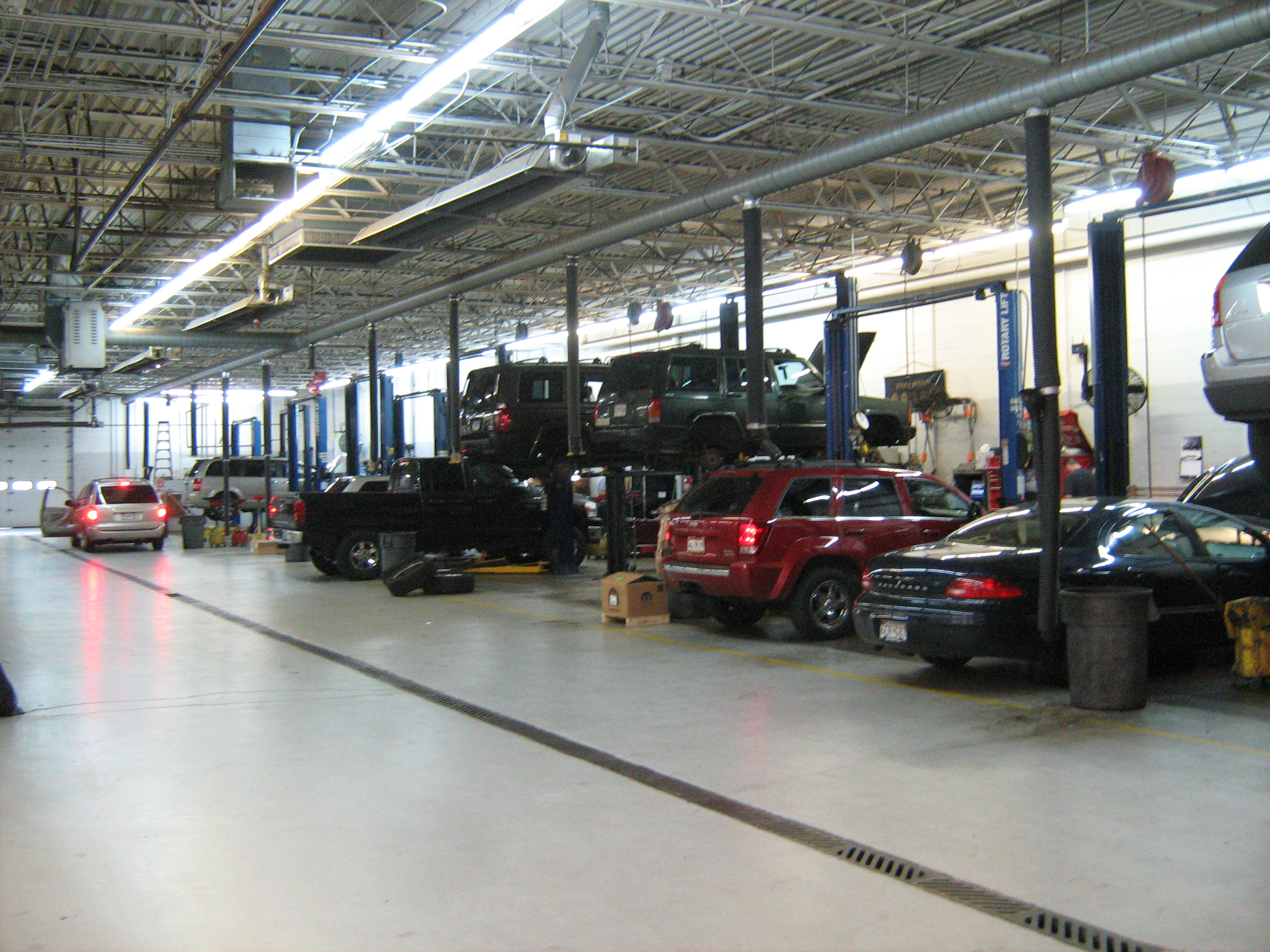
Imagine a Honda dealership. They have inventory vehicles, customers walking the showroom floor (slip and fall risk), and customer vehicles hoisted on hydraulic lifts in the service bay.
- The Garage Coverage Form combines commercial auto coverage and commercial general liability coverage specifically for auto and trailer dealers. It solves the problem of needing two separate massive policies to run a dealership.
- However, if a mechanic drops a wrench through the windshield of a customer's car, standard liability won't pay for property the business has in its custody. Therefore, dealers must add Garagekeepers Legal Liability coverage, which pays for damage to customers' vehicles left in the care, custody, or control of the insured business. (This is fundamentally a bailee coverage).
The Trucking Problem (Motor Carrier Coverage Form)
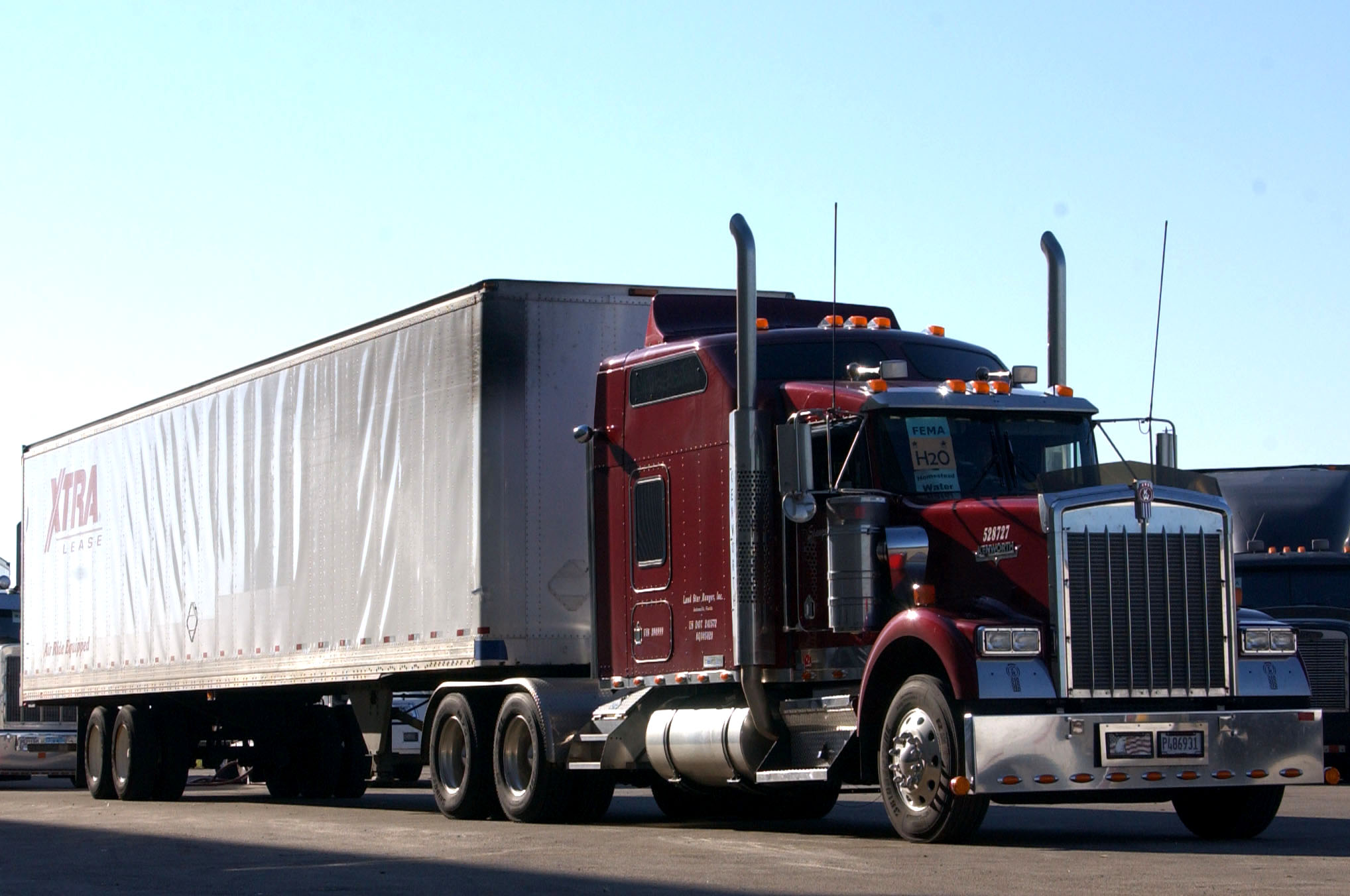
Eighteen-wheelers hauling interstate freight face intense federal scrutiny.
- The Motor Carrier Coverage Form provides commercial auto coverage for businesses that transport property of others or their own property by auto.
- Because interstate trucking accidents can decimate entire highways, the federal government mandates absolute proof that the trucking company can pay for catastrophic damages and environmental clean-up. The MCS-90 Endorsement provides evidence of financial responsibility for motor carriers to meet the strict liability requirements of the Motor Carrier Act of 1980. (Crucially, the MCS-90 is not "extra insurance"; it is a federal guarantee that the public will be paid, even if the insurer later seeks reimbursement from the trucker for a coverage violation).
- Finally, logistics companies frequently haul trailers they do not own. Trailer Interchange Coverage pays for physical damage to non-owned trailers in the insured's care under a written trailer interchange agreement.
Mastering these provisions isn’t just about passing an exam. It is about understanding the exact financial mechanics that stand between your future commercial and personal clients and absolute ruin. When you map these coverages to the real world, the complex language of insurance policies reveals itself as a highly logical blueprint for protecting human lives and capital.