Policy Application, TRIA, and Territory
Not sure you’re ready?
Take the ~3-minute readiness diagnostic and see where you stand.
An insurance policy is an intricate financial machine constructed entirely of promises, designed to deploy capital at the exact moment of catastrophe. But before a single gear turns or a premium dollar is exchanged, the machine must be calibrated. This calibration occurs through the policy application, the strict geographic boundaries defining where the machine operates, and the overarching federal frameworks that prevent catastrophic systemic failure. Understanding how an application binds a contract, where a policy’s physical borders lie, and how the Terrorism Risk Insurance Act (TRIA) backstops the commercial market is the fundamental physics of how risk is quantified, contained, and absorbed in the modern financial system.
Here, we will deconstruct these three final contract considerations.
Before an underwriter can price a risk, they must understand its properties. This is achieved through the insurance application, which is a formal written request for coverage submitted by an applicant to an insurance company.
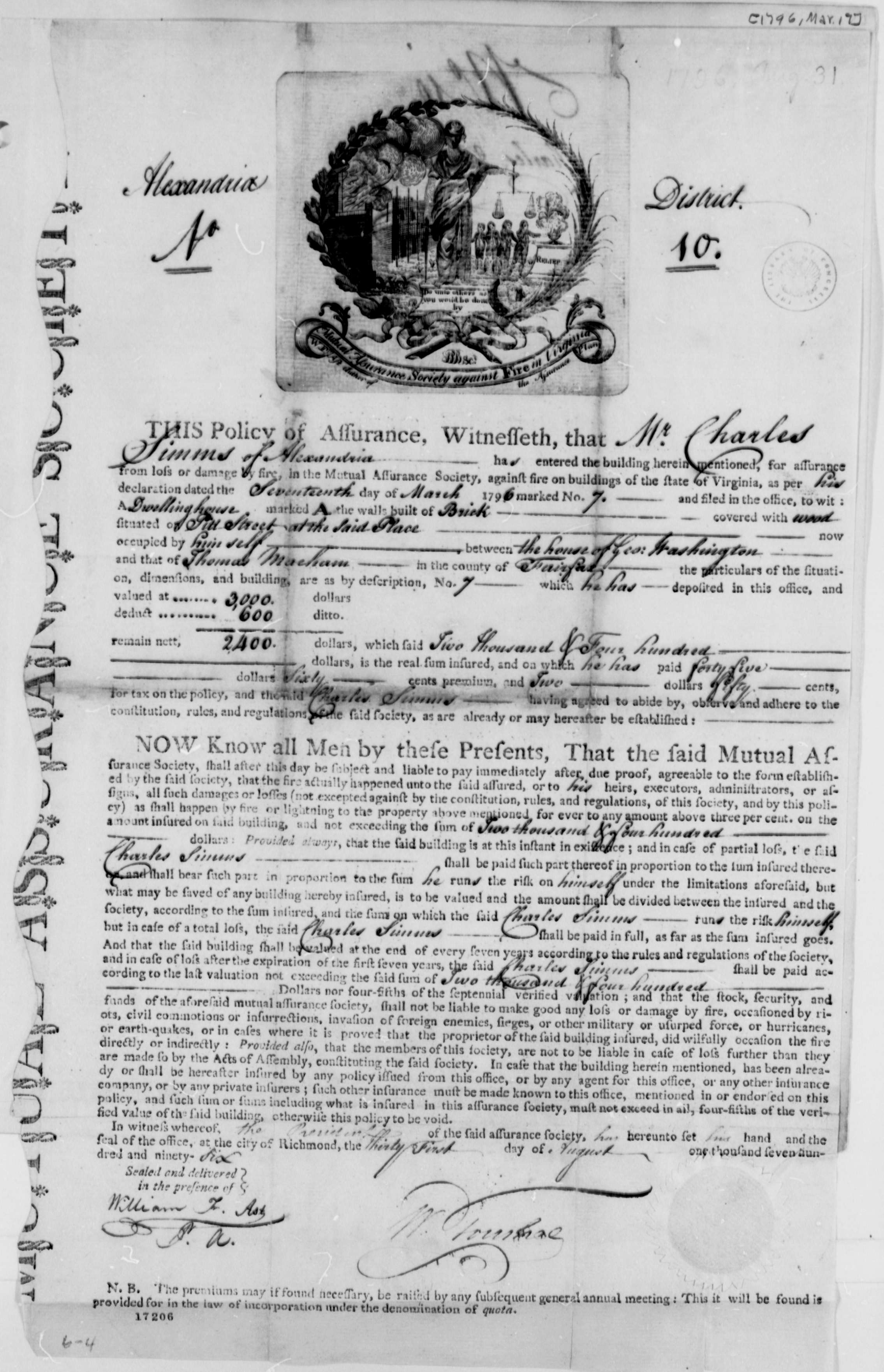
The application is the fundamental dataset of the insurance transaction. It contains the precise information used by the underwriter to evaluate the insurance risk and to determine the appropriate policy premium. If the data is flawed, the pricing and the risk assessment will be inherently flawed. Therefore, the law places strict parameters around the truthfulness of the application.
Representations vs. Warranties
In the realm of contract law, truth comes in two distinct varieties: representations and warranties. Understanding the difference is vital for any insurance producer.
Representation: A statement on an application believed to be true to the best of the applicant's knowledge.
Warranty: An absolute guarantee of truth within an insurance contract.
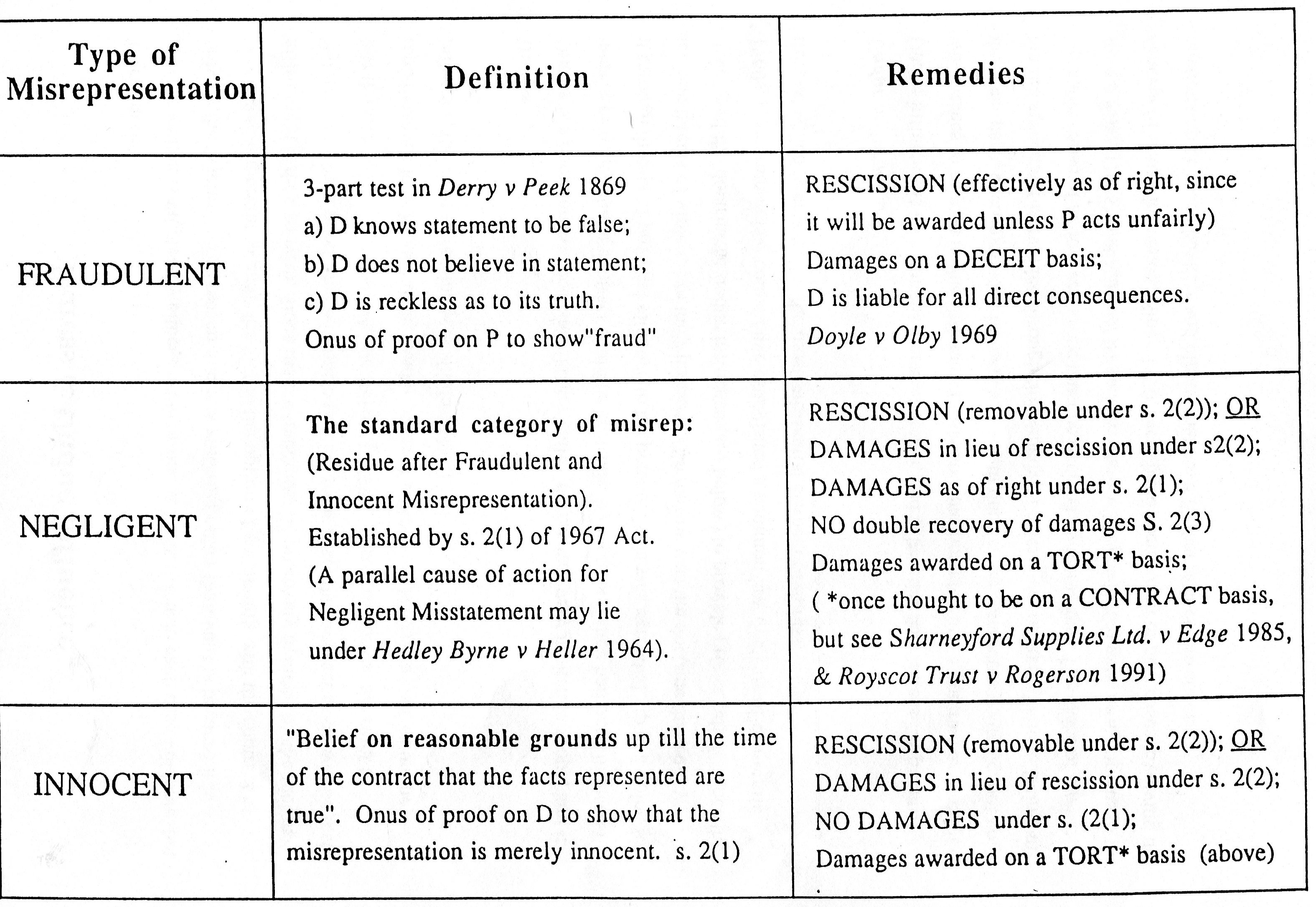
In modern property and casualty insurance, information provided on an insurance application is legally considered a representation rather than a warranty. If an applicant states their roof is ten years old because that is what the previous homeowner told them, they are making a representation. If it turns out the roof is actually twelve years old, the contract does not instantly implode, because the statement was true to the best of their knowledge.
However, there is a strict limit to this leniency: material misrepresentation and concealment.
- Material Misrepresentation: A false statement on an application that would have altered the insurer's underwriting decision. If an applicant claims they have had no auto accidents in the past three years to secure a lower rate, but they actually totaled a car six months ago, that is material. A material misrepresentation on an insurance application gives the insurer the legal right to void the insurance contract entirely.
- Concealment: While misrepresentation is an active lie, concealment is a passive one. Concealment is the intentional withholding of material facts on an insurance application. If an applicant knows they operate a commercial bakery out of their residential kitchen but fails to mention it, they are concealing material risk.
Execution and Binding
Because the application is a legal document, its execution requires formal validation.
- The Applicant's Signature: The insurance applicant must sign the insurance application to verify the accuracy of the provided information.
- The Producer's Signature: The insurance producer must sign the insurance application to confirm their role in the insurance transaction, establishing professional accountability.
- Corrections: If a mistake is made during the drafting of the application, any changes or corrections made to a written insurance application must be initialed by the insurance applicant to prevent fraudulent alterations after the fact.
Because underwriting takes time, the market requires a mechanism for immediate protection. Binders provide temporary insurance coverage while the formal insurance policy application is being underwritten and processed. Once the underwriting is complete and an insurance policy is issued, the written application often becomes a legally binding part of the entire insurance contract.
Insurance is not a universal force field; it is strictly localized. The coverage territory provision specifies the geographic boundaries where insurance policy coverage applies.
This is a binary condition: if a loss occurs inside the boundary, the policy responds. Losses occurring outside the defined coverage territory are explicitly excluded from coverage by the property insurance policy.
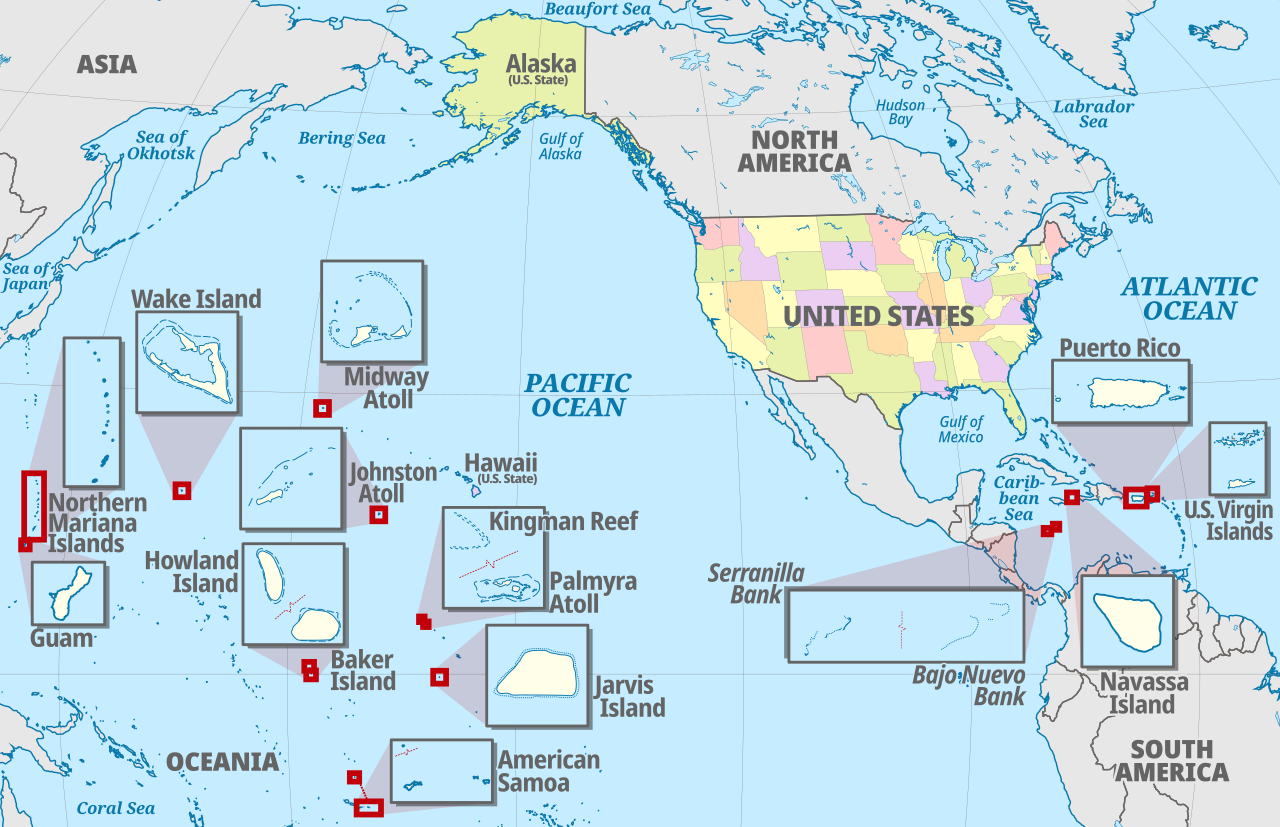
For standard United States property and casualty policies, the coverage territory is not strictly limited to the fifty states. It reflects the broader economic footprint of North America.
The Standard Coverage Territory Map
| Region | Status under Standard US Policy | Notes |
|---|---|---|
| All Fifty States | Included | The standard coverage territory includes all 50 states. |
| US Territories & Possessions | Included | The standard coverage territory includes United States territories and possessions. Puerto Rico and Guam are explicitly included. |
| Canada | Included | The standard coverage territory includes Canada, allowing seamless transit of goods and vehicles across the northern border. |
| Mexico | Excluded | The standard coverage territory explicitly excludes Mexico. |
The Mexico Exclusion: Why is Canada included while Mexico is excluded? The answer lies in the harmonization of civil liability laws. US and Canadian liability frameworks are relatively similar, making underwriting predictable. Mexico utilizes a distinctly different civil law system. Therefore, extending standard property insurance coverage to Mexico requires a specific policy endorsement or an entirely separate insurance policy underwritten for that specific jurisdiction.
To understand TRIA, we must look to history. Prior to 2001, terrorism coverage was generally included in commercial insurance policies at little to no cost because the perceived risk was incredibly low. The September 11 terrorist attacks caused unprecedented multi-billion dollar losses, fundamentally altering the actuarial reality of global risk. Reinsurance companies, fearing catastrophic future losses, immediately stopped covering terrorism. Primary insurers, lacking reinsurance, began excluding terrorism entirely.
To prevent a sudden, catastrophic halt to commercial real estate and construction, the Terrorism Risk Insurance Act (TRIA) was enacted by Congress in 2002.
Purpose and Scope
The primary purpose of the Terrorism Risk Insurance Act is to provide a federal backstop for commercial terrorism insurance losses. The government acts as the ultimate reinsurer of last resort, absorbing the shock of catastrophic, systemic events so that the private insurance market can continue to function.
It is critical to note TRIA's strict boundaries:
- TRIA applies exclusively to commercial property and casualty insurance policies.
- TRIA explicitly excludes personal lines of insurance. Standard homeowners insurance policies and personal auto insurance policies are not covered by the Terrorism Risk Insurance Act.
Under TRIA, the law requires insurance carriers to make terrorism coverage available to all commercial property and casualty policyholders. It cannot be hidden or withheld. However, this is not a mandate for the buyer; commercial policyholders have the legal right to decline the terrorism coverage offered.
Certification: Defining an Act of Terrorism
Not every violent act is legally "terrorism" under TRIA. For the federal backstop to deploy, an event must be officially certified as an act of terrorism by the federal government.
The certification process is rigorous and relies on top-level executive authority:
- Primary Authority: The United States Secretary of the Treasury holds the primary authority to certify an event as an act of terrorism.
- Required Consultation: The Secretary of the Treasury cannot act unilaterally. They must consult with the Secretary of Homeland Security and the United States Attorney General to certify an act of terrorism.
To be certified, the event must meet specific physical and financial criteria:
- Physical Nature: An act must be violent or dangerous to human life, property, or infrastructure.
- Financial Threshold: An act must cause at least $5 million in property and casualty damage in the United States to even be considered for certification.
The Mechanics of the Financial Backstop
Even if an act is certified, the federal government does not immediately pay out from dollar one. TRIA utilizes a layered approach to risk sharing, ensuring the private industry absorbs what it can before public funds are deployed.
- The Program Trigger: The federal government shares in certified terrorism losses only after aggregate industry losses exceed a designated program trigger threshold. The current program trigger threshold for aggregate industry losses under the Terrorism Risk Insurance Act is $200 million.
- The Annual Cap: The law imposes a hard limit on total exposure. TRIA imposes a $100 billion annual cap on combined government and insurer liability for certified acts of terrorism.
- Beyond the Cap: If the unthinkable occurs and damages breach the $100 billion mark, the music stops. Neither the federal government nor insurance carriers are required to pay for terrorism losses that exceed the $100 billion annual cap.
Because the geopolitical threat landscape is constantly evolving, TRIA was never designed as a permanent, immutable law. The Terrorism Risk Insurance Act has been periodically reauthorized by the United States Congress to adapt to current market conditions. Presently, the Terrorism Risk Insurance Act is extended through December 31, 2027, ensuring continuous stability for the commercial property and casualty sectors.