Annuities
Not sure you’re ready?
Take the ~3-minute readiness diagnostic and see where you stand.
Imagine a client who has spent forty years accumulating a mountain of wealth, only to face a terrifying mathematical problem at retirement: how do they draw down that mountain without the balance hitting zero before their heartbeat does? Life insurance solves the financial tragedy of dying too soon by creating an instant estate. An annuity solves the exact opposite problem: the financial tragedy of living too long.
At its core, an annuity is a financial contract designed to liquidate an estate through a series of regular payments. By systematically distributing capital and accumulated interest, the primary purpose of an annuity is to protect individuals from outliving their retirement income.
As a future insurance producer, you will use annuities to build fortresses of guaranteed income for your clients. To do this, you must master the fundamental mechanics of how these contracts are funded, how they grow, and how they pay out.
Every annuity contract is built around three distinct roles. It is vital to understand who holds the power, whose life dictates the math, and who stands to inherit.
- The Annuity Owner: The annuity owner is the person who purchases the annuity contract and retains all ownership rights. They name the annuitant, choose the payout options, and decide when to deposit or withdraw funds.
- The Annuitant: The annuitant is the individual whose life expectancy determines the annuity payout amounts. Because actuaries must calculate mortality and longevity to price the payouts, the annuitant designated in an annuity contract must be a natural person. A corporation or a trust cannot be an annuitant because a legal entity does not have a human life expectancy.
- The Beneficiary: The beneficiary receives the annuity assets if the annuitant dies during the accumulation period.
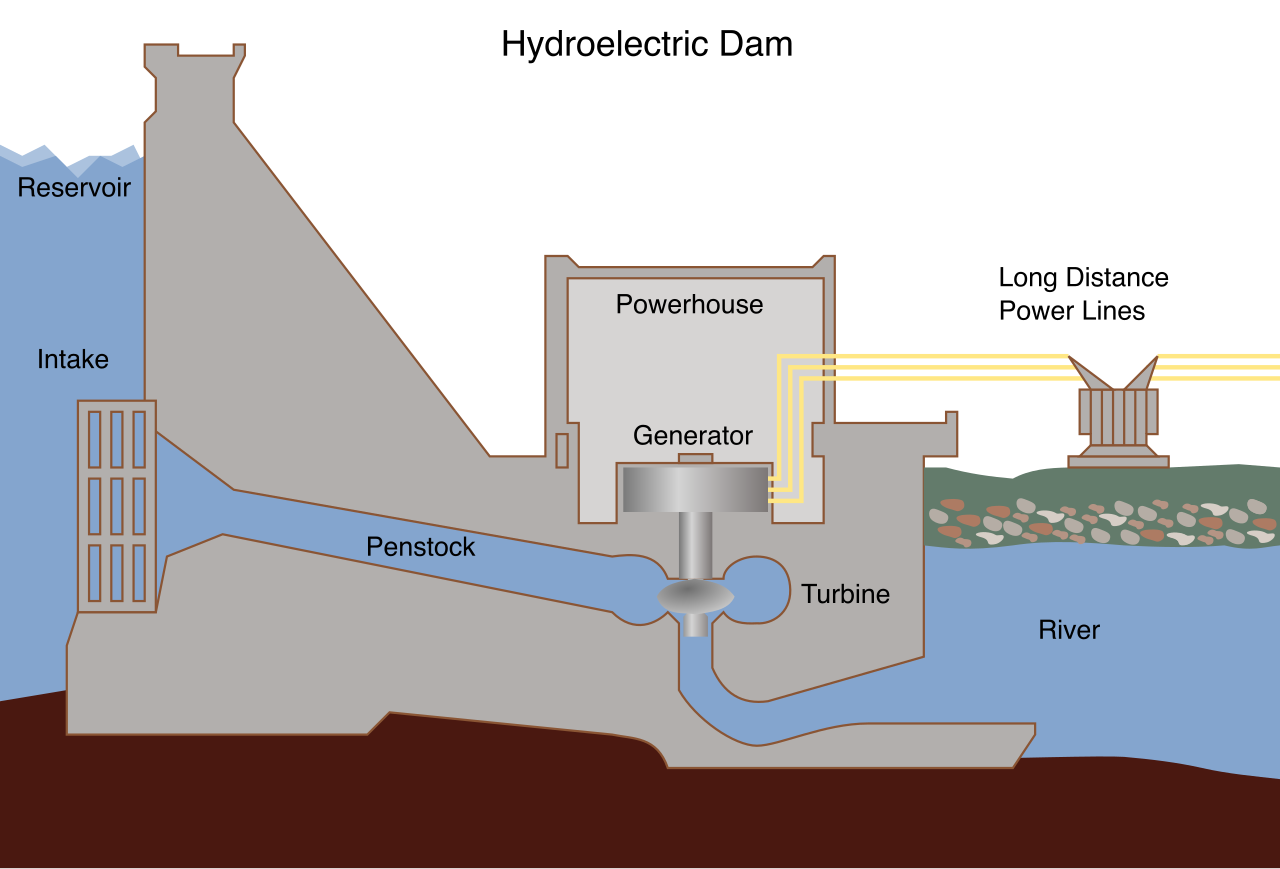
An annuity operates like a reservoir. First, you must fill the reservoir with water. Later, you open the dam to generate a steady, predictable flow of electricity.
The Accumulation Period
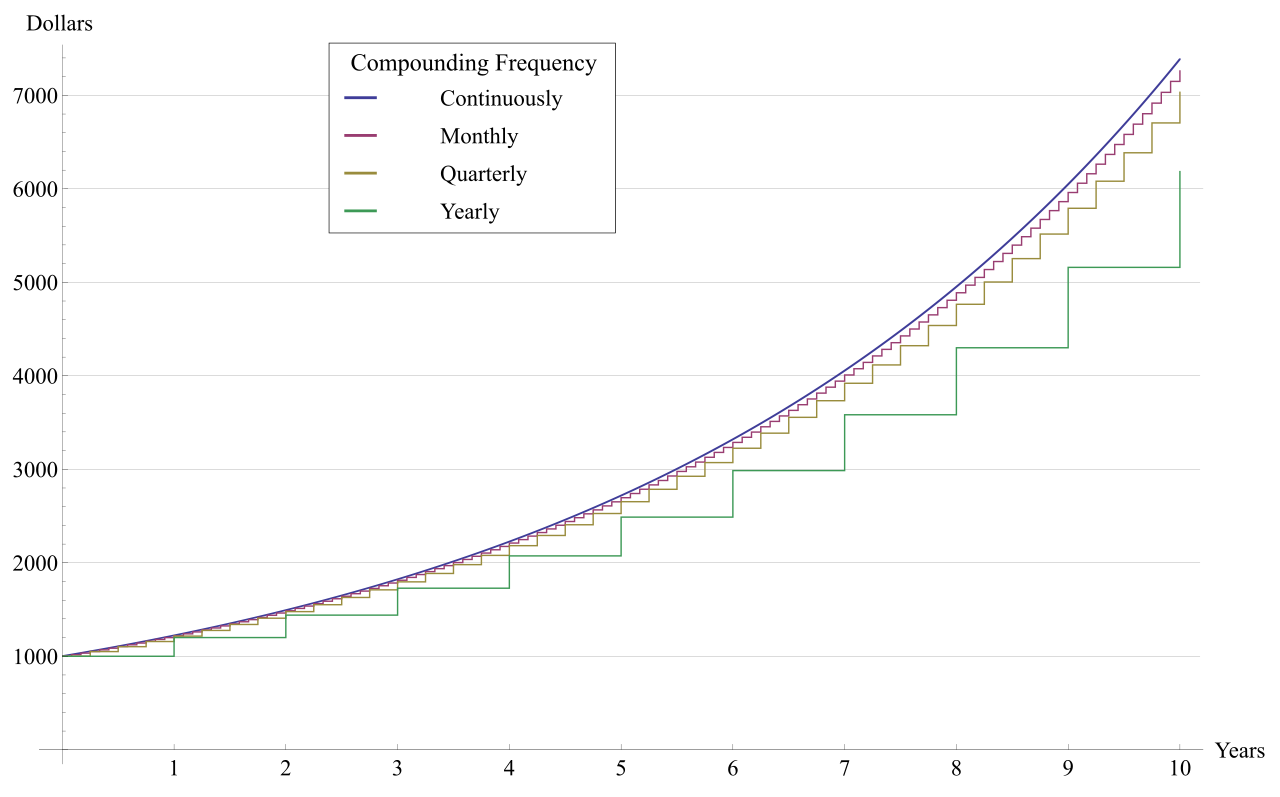
The accumulation period is the time over which the annuity owner makes premium payments into the contract. Think of this as the "pay-in" phase. During this time, the money is not simply sitting idle; annuity funds grow on a tax-deferred basis during the accumulation period. The owner does not pay taxes on the interest or investment gains while the funds remain inside the contract, allowing the wealth to compound efficiently.
The Annuity Period
When the client is ready to retire, they flip the switch. The annuity period is the time during which the accumulated money is converted into an ongoing income stream. This phase is alternatively referred to as the annuitization period or the payout period. Once annuitization begins, the accumulation phase permanently ends.
How a client pays for an annuity, and when they expect to receive income, fundamentally dictates the type of contract you will write for them.
Funding Options (Premium Payments)
- Single Premium: The annuity is funded entirely with one initial lump-sum payment (e.g., depositing a $250,000 inheritance all at once).
- Periodic Premium: The annuity is funded with multiple premium payments spread over time.
- Flexible Premium: A subset of periodic payments, flexible premium annuities allow the contract owner to vary the premium payment amounts. A client might deposit $500 one month, skip the next, and deposit $2,000 at the end of the year.
Timing Options (When Payouts Begin)
The trigger point for income generation separates annuities into two distinct categories: immediate and deferred.
Single Premium Immediate Annuity (SPIA): A SPIA begins making income payments within one year of the purchase date. Because it pays out so quickly, it can only be funded with a single lump-sum premium.
Deferred Annuity: A deferred annuity begins making income payments more than one year after the purchase date. It is designed for long-term accumulation. Because the payout is delayed, deferred annuities can be funded with either a single lump sum or with periodic premium payments.
Withdrawing Early from a Deferred Annuity
Because insurers invest deferred annuity premiums in long-term assets to generate yield, they penalize early withdrawals. A surrender charge is a fee levied by the insurance company for early withdrawal of funds from a deferred annuity. To be fair to the consumer, the surrender charge on a deferred annuity typically decreases gradually over the early years of the contract (e.g., 7% in year one, 6% in year two, scaling down to 0%).
There are exceptions to these penalties. A highly testable feature is the bailout provision, which allows the annuity owner to surrender the contract without a surrender charge if interest rates drop below a specific pre-determined level. It serves as a safety valve for the consumer.
Where does the insurance company put the client's money during the accumulation phase? The answer dictates who bears the investment risk.
Fixed Annuities
In a fixed annuity, the premiums are deposited into the general account of the insurance company. The insurer guarantees a specific minimum rate of interest during the accumulation phase (and a guaranteed income amount during the payout phase). Because the returns are guaranteed, the insurance company bears the entire investment risk in a fixed annuity contract. If the insurer's investments perform poorly, they must still credit the client's account with the guaranteed rate.
Variable Annuities
Variable annuities offer the potential for higher returns based on underlying stock market performance. Premiums are held in the separate account of the insurance company, which is insulated from the insurer's general creditors. The funds are invested in equity sub-accounts (similar to mutual funds).
Because the returns fluctuate with the market, the contract owner bears the full investment risk in a variable annuity contract. If the market crashes, the client's account value crashes with it.
To account for this fluctuating value, ownership is measured in units rather than strict dollar amounts:
- Accumulation units represent ownership in a separate account during the pay-in (accumulation) phase of a variable annuity.
- Annuity units represent ownership in a separate account during the payout (annuitization) phase of a variable annuity. The number of annuity units remains fixed upon annuitization, but the value of each unit fluctuates with market performance.
Crucial Regulatory Note: Because the client bears the investment risk, a variable annuity is legally classified as a security. Therefore, selling variable annuities requires a producer to hold both a state life insurance license and a federal securities license (e.g., FINRA Series 6 or 7).
Equity-Indexed Annuities
What if a client wants the safety of a fixed annuity but the upside potential of a variable annuity? Enter the equity-indexed annuity.
Equity-indexed annuities provide a guaranteed minimum interest rate (protecting the principal against loss), but their returns are credited based on the performance of a specific stock market index (like the S&P 500). Because there is a minimum floor guarantee, the insurance company bears the investment risk in an equity-indexed annuity.
| Feature | Fixed Annuity | Variable Annuity | Equity-Indexed Annuity |
|---|---|---|---|
| Account Used | General Account | Separate Account | General Account |
| Interest Rate | Guaranteed minimum | Fluctuates with market | Minimum floor + Index upside |
| Who bears risk? | Insurance Company | Annuity Owner | Insurance Company |
| License Required | Life Insurance | Life + Securities | Life Insurance |
When a client chooses to annuitize, they are trading a lump sum of accumulated cash for a promise of ongoing income. The size of that monthly income check depends entirely on how much risk the client is willing to take regarding their own mortality.
Actuaries use a simple balancing scale: the more guarantees the client wants (like promising money to heirs), the lower the monthly payout. The fewer guarantees requested, the higher the monthly payout.
The Purest Form: Straight Life
The Straight Life payout option provides the highest monthly income among all annuity settlement options. Why? Because the client assumes the maximum risk.
Payments under a Straight Life payout option cease entirely upon the death of the annuitant. If the annuitant receives one monthly check and is struck by lightning the next day, the insurance company keeps the rest of the money. The Straight Life payout option leaves no remaining cash value for a beneficiary after the annuitant dies.

Adding Guarantees: Period Certain and Refund Options
Most clients cannot stomach the risk of a Straight Life option. They want guarantees that if they die early, their family won't lose everything.
Life with Period Certain: The Life with Period Certain payout option guarantees income for the entire lifetime of the annuitant. However, it also guarantees payments for a specified minimum number of years (e.g., 10 or 20 years) regardless of when the annuitant dies. If an annuitant with a 10-Year Period Certain payout dies in year 4, a beneficiary receives the remaining guaranteed payments for the final 6 years. If the annuitant lives for 30 years, they continue getting paid—the "certain" period simply acts as a minimum safety net.
Refund Options: Rather than guaranteeing a timeframe, refund options guarantee the return of the original principal.
- A Cash Refund payout option pays income for the life of the annuitant while guaranteeing the return of the total principal. If an annuitant with a Cash Refund option dies before receiving payments equal to the principal, the beneficiary receives a lump sum of the remaining balance.
- An Installment Refund payout option operates on the same mathematical guarantee, but it continues periodic payments to the beneficiary until the total principal has been paid out.
Covering Multiple Lives
Often, annuities are designed to protect spouses. Instead of covering a single life, annuities can cover two or more lives.
- A Joint and Survivor annuity option continues payments until the death of the last surviving annuitant. A common structure is "Joint and 50% Survivor," where the surviving spouse receives half the original payment amount after the first spouse dies. The key is that the income does not stop until both are gone.
- A Joint Life annuity option stops making payments upon the death of the first annuitant among two or more covered individuals. Because the payout period is statistically shorter (it only lasts until the first person passes), this option provides a higher monthly payment than a Joint and Survivor contract, but it leaves the surviving spouse without annuity income.
When sitting for your exam, look for the distinctions in risk and timing. Remember that annuities exist to prevent the liquidation of an estate before the end of a human life. Know who takes the risk during the accumulation period (the insurer for fixed, the owner for variable), and know who takes the risk during the annuity period (the annuitant under Straight Life, the insurer under Period Certain). Master these foundational mechanics, and you will not only pass your exam, but you will be equipped to secure the financial futures of the clients who rely on you.