Loss Valuation Methods
Not sure you’re ready?
Take the ~3-minute readiness diagnostic and see where you stand.
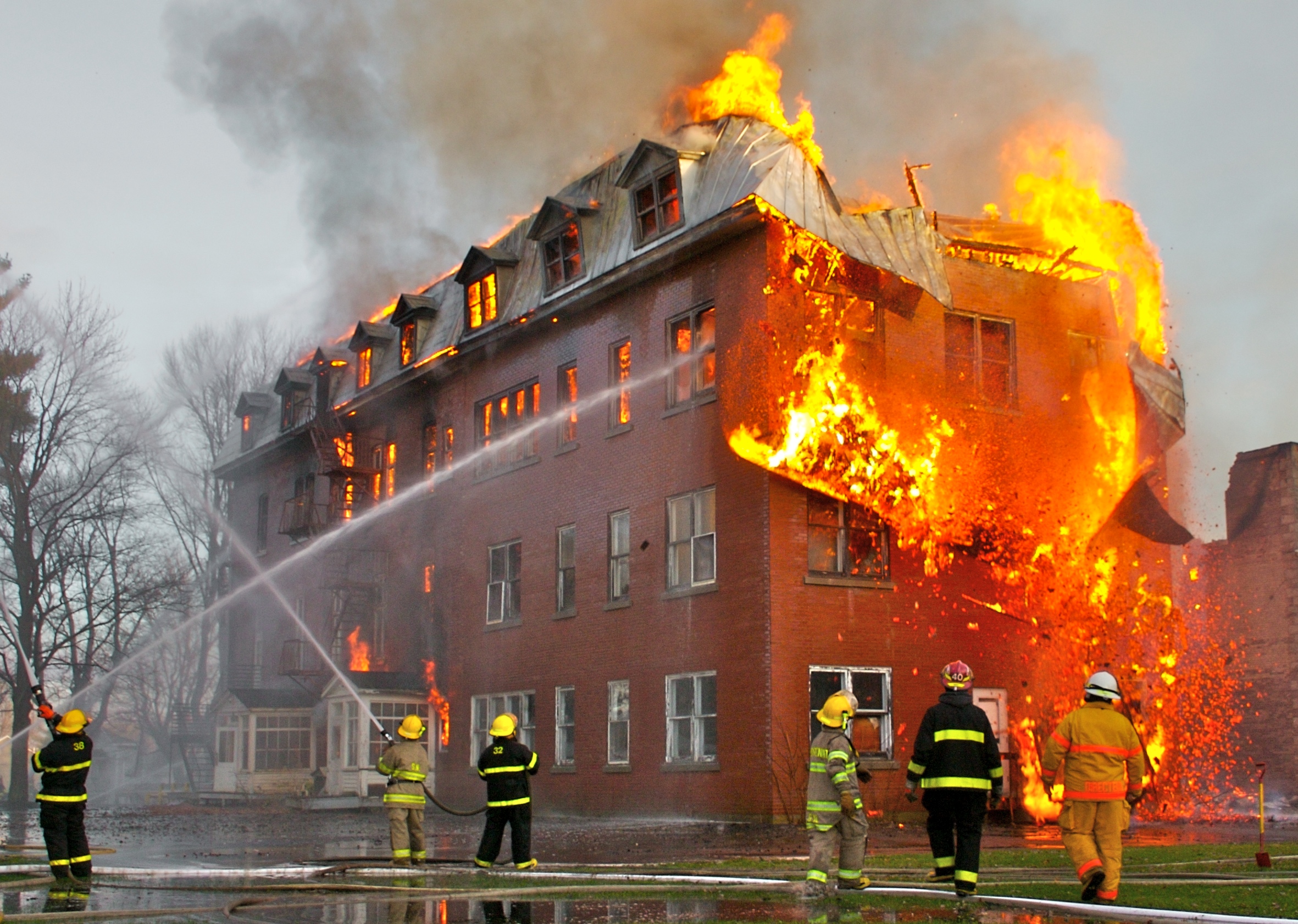
Imagine a devastating kitchen fire that completely destroys a five-year-old refrigerator. To a homeowner, the loss feels like the cost of walking into an appliance store today and buying a brand new model. To an actuary, however, the loss is merely the remaining lifespan of a depreciating asset. The fundamental tension in property insurance lies exactly in this gap: between what a policyholder feels they lost and the mathematically quantifiable economic value of that property at the moment of destruction. Resolving this tension requires precise loss valuation methods. As an insurance professional, your primary job is to guide clients through the architecture of these methods before a claim ever occurs. If you fail to match the right valuation method to the right asset, your client might find themselves thousands of dollars short when they attempt to put their lives back together.
To understand how an insurance company values a loss, we first have to understand the fundamental law governing the entire industry: the principle of indemnity.
Think of indemnity as a financial time machine. Its sole purpose is to transport the insured back to the exact economic position they occupied one second before the disaster occurred—no better, no worse. Consequently, the principle of indemnity restricts the insured from making a financial profit from an insurance claim. If your five-year-old television is stolen, insurance is designed to compensate you for a five-year-old television, not a state-of-the-art cinematic display.
Actual Cash Value (ACV)
The most direct mathematical translation of the principle of indemnity is Actual Cash Value (ACV). Actual Cash Value valuation upholds the strict principle of indemnity by ensuring the policyholder only receives the true, current economic worth of the item.
The ACV Formula:
Actual Cash Value = Current Replacement Cost – Depreciation
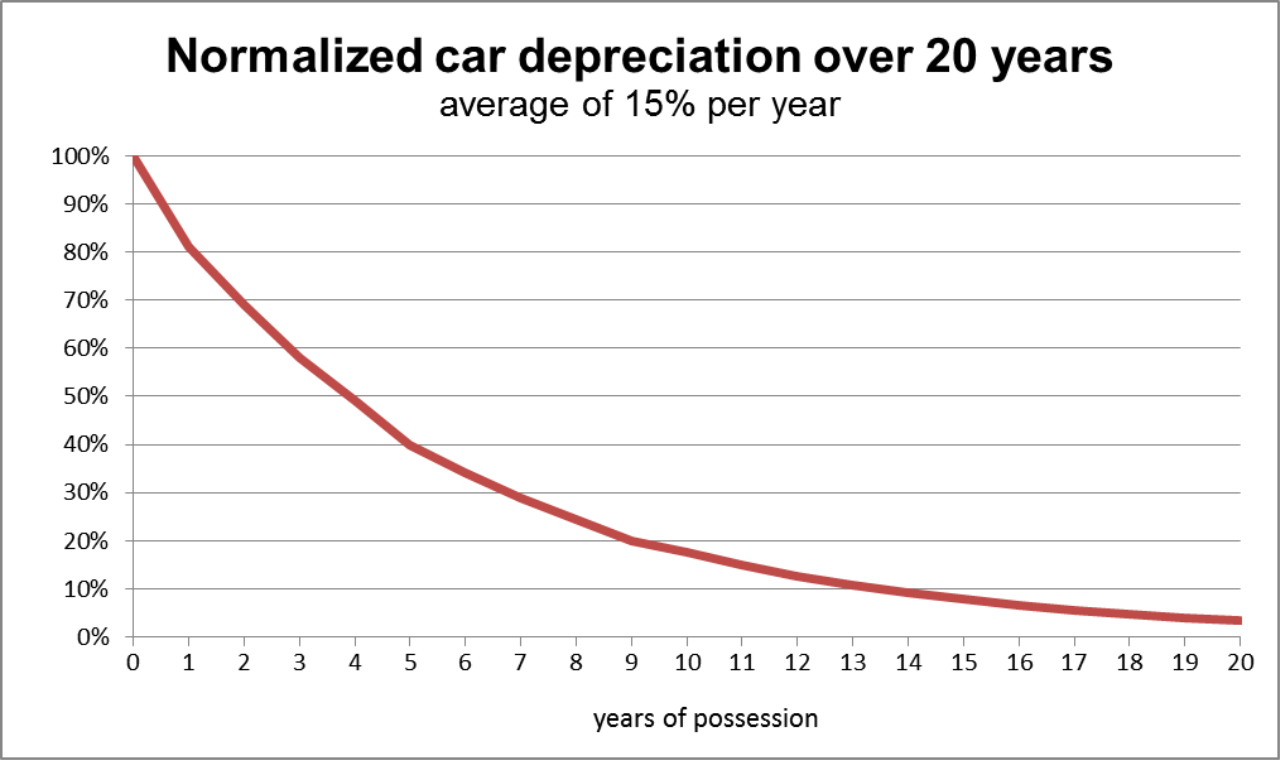
Depreciation in property insurance measures the decrease in an item's monetary value due to age, wear and tear, or obsolescence. It is a strict accounting of the life that has already been squeezed out of the property.
Let’s look at the math: If a property item has a ten-year useful life and is destroyed after five years, its calculated depreciation is exactly fifty percent. If it costs $2,000 to buy a brand new version of that item today, the insurer subtracts the 50% depreciation ($1,000), leaving an ACV claim payout of $1,000.
Because it prevents financial windfalls, standard unendorsed property insurance policies typically settle personal property losses on an Actual Cash Value basis.
Here is the practical problem with Actual Cash Value: you cannot walk into a store and buy a "half-used" refrigerator. If an insured receives a $1,000 ACV check for a fridge that costs $2,000 to replace today, they are forced to pay $1,000 out of pocket just to restore their kitchen to working order.
Enter Replacement Cost valuation. Replacement cost valuation represents the exact cost to repair or replace damaged property with materials of like kind and quality at current prices. Most importantly, replacement cost loss settlement does not subtract depreciation from the final claim payout.
This means replacement cost coverage allows the insured to legally replace older damaged items with brand new equivalents. Conceptually, replacement cost valuation represents a deliberate departure from the strict principle of indemnity. It acknowledges that to truly make a homeowner whole in the modern marketplace, the insurer sometimes has to buy them slightly better (newer) stuff.
The Replacement Requirement
Insurance companies are well aware of the moral hazard this creates. If an insurer simply handed out brand new replacement cash for heavily worn items, older homes might start experiencing a suspicious number of fires.
To prevent fraud, insurers often require policyholders to physically repair or replace the damaged property before paying the full replacement cost. The typical workflow looks like this:
- The insurer writes an initial check for the ACV of the property.
- The insured goes out and actually buys the replacement item.
- The insured submits the receipt, and the insurer pays the difference.
If an insured decides not to replace the damaged property—perhaps they simply want to pocket the money—the insurer will only pay the Actual Cash Value of the loss.
Functional Replacement Cost
Sometimes, exact replacement isn't just expensive; it’s practically impossible. This brings us to Functional Replacement Cost, which pays to replace damaged property with less expensive and functionally equivalent modern materials.
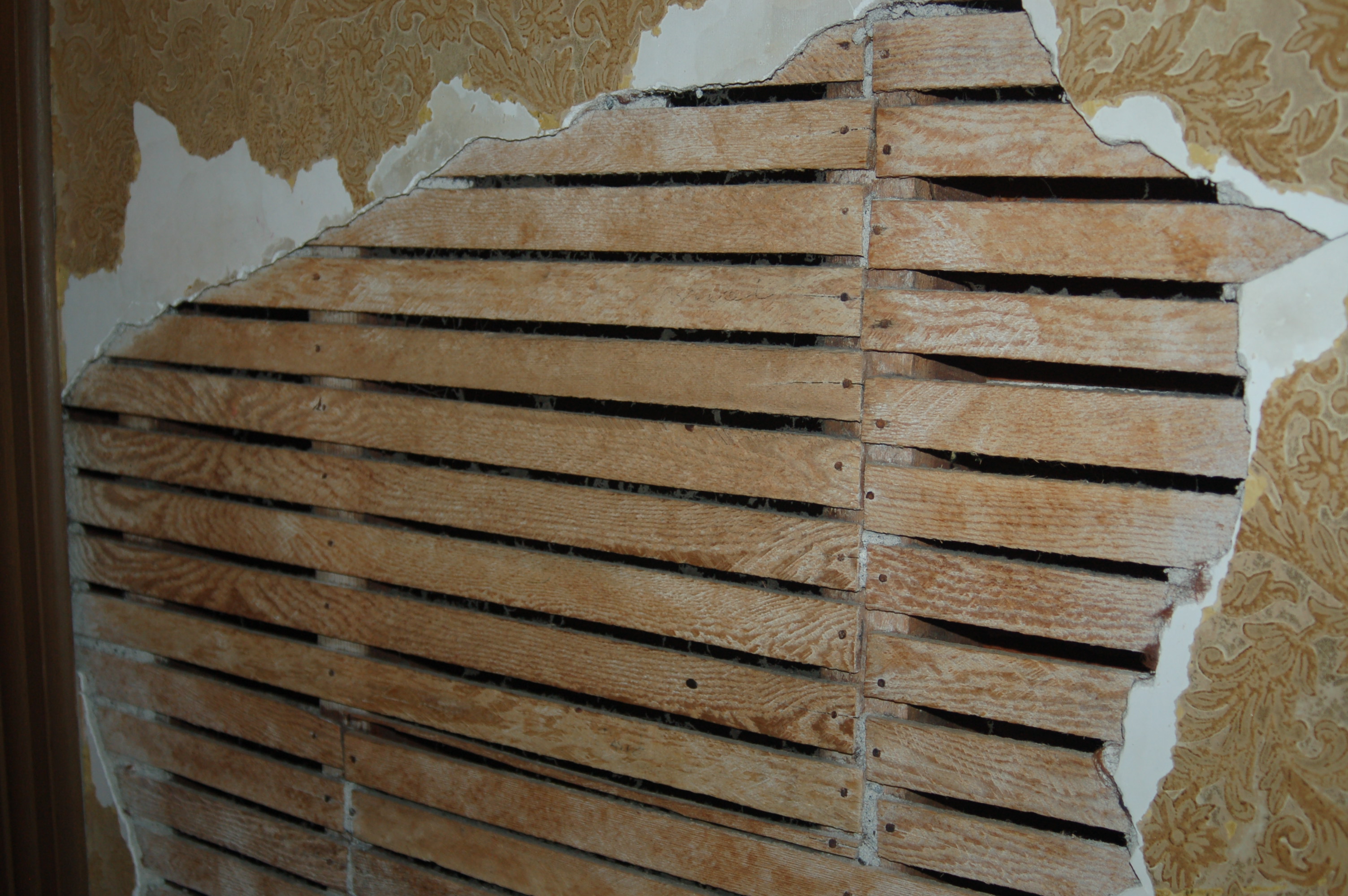
Functional replacement cost is utilized for older homes featuring obsolete or highly expensive original construction materials. Imagine a grand Victorian home built in 1890 with hand-troweled lath and plaster walls. If a fire destroys the living room, finding a master artisan to recreate that exact 19th-century plasterwork would be astronomically expensive. Instead, replacing a destroyed historic plaster wall with modern drywall constitutes a functional replacement cost settlement. The wall serves the exact same function, but uses materials standard to modern construction.
When clients look at their homeowner's policy limit, they frequently ask, "Why is my home only insured for $350,000 when Zillow says my house is worth $500,000?"
They are confusing replacement cost with Market Value. Market value represents the price a willing buyer would pay a willing seller for property in an open and competitive market.
Here is the critical distinction: a real estate market value calculation inherently includes the financial value of the land underneath a structure. But fire, wind, and hail do not destroy dirt. Therefore, standard property insurance policies explicitly exclude coverage for the value of land. Because of this massive discrepancy, market value is rarely used to determine the insurable limit of a residential home.
Standard valuation methods fall apart when applied to rare, unique, or historically significant items. How do you calculate the depreciation of a 19th-century oil painting? You don't. You use specialty valuation methods.
Understanding the stark difference between Agreed Value and Stated Amount is arguably one of the most critical legal distinctions you will make as a producer.
Agreed Value: The Absolute Guarantee
An agreed value provision is a property policy provision where the insurer and insured establish the exact value of the property at the time the policy is issued. Because you are locking in a guaranteed payout amount, insurance companies normally require a professional appraisal of the property before issuing an agreed value policy.
An agreed value provision is frequently applied to fine arts and antiques. If the insured item is destroyed, the math is refreshingly simple: in the event of a total loss under an agreed value provision, the insurer pays the exact agreed amount regardless of current depreciation.
Furthermore, because the insurer and insured have already agreed the property is insured to its proper value, an agreed value provision legally suspends any coinsurance requirements within the property insurance policy.
Stated Amount: The "Lesser Of" Trap
Do not confuse Agreed Value with a stated amount valuation. A stated amount valuation schedules a maximum specific dollar limit for a particular insured item on the policy declarations page.
Notice the word maximum. Under a stated amount provision, the insurer pays the lesser of the stated amount, the actual cash value, or the repair cost. Therefore, a stated amount provision provides no guarantee that the insured will receive the scheduled maximum amount in the event of a total loss.
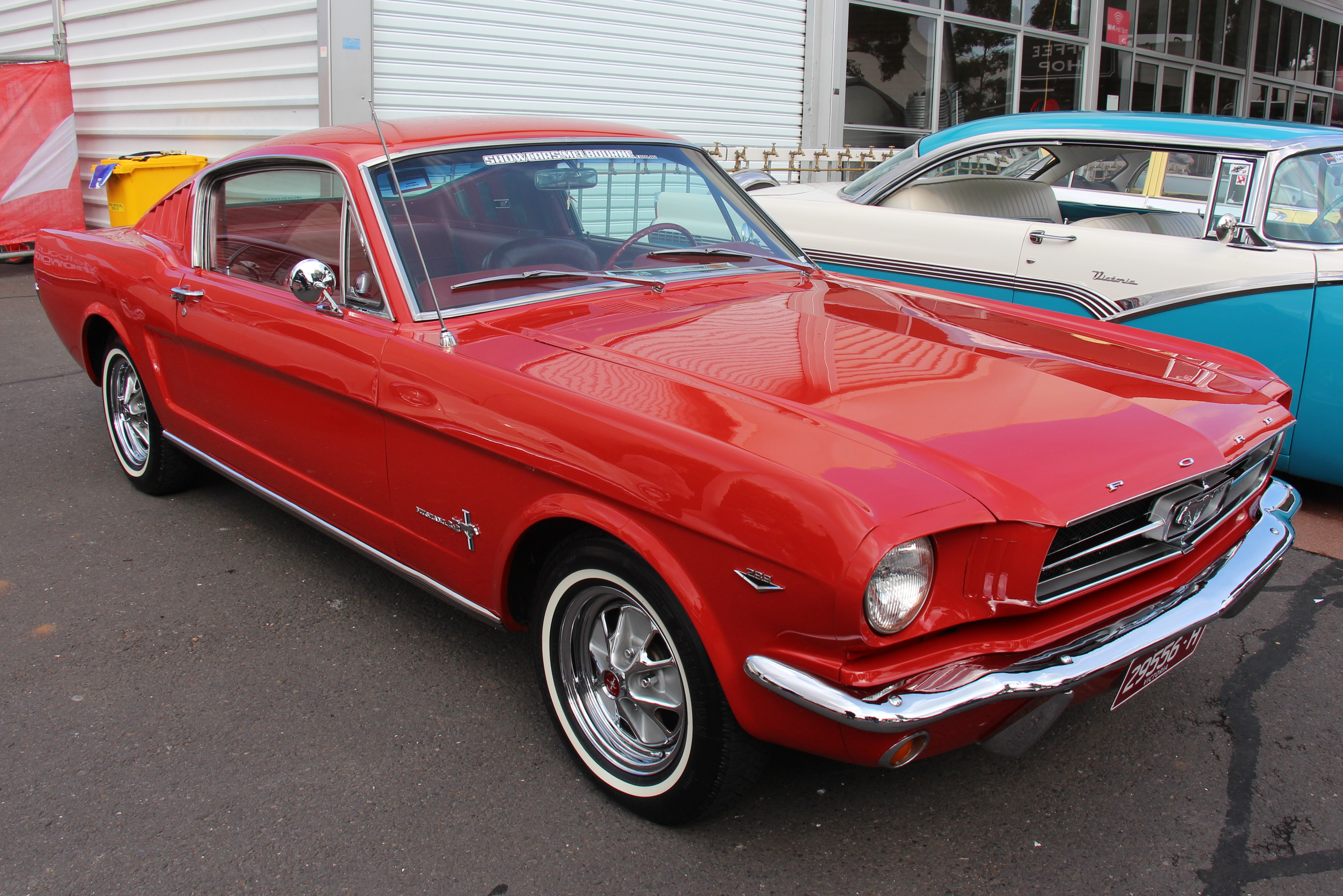
Stated amount valuation is frequently utilized to determine the maximum payout limits and premiums for classic or antique automobiles. If a client insures a classic Mustang with a stated amount of $50,000, they are simply telling the insurer, "Do not charge me premiums for a car worth more than $50,000, because you will never pay more than that." However, if the car is destroyed and its ACV at the time of loss is only $40,000, the insurer will pay $40,000.
| Feature | Agreed Value | Stated Amount |
|---|---|---|
| Common Use | Fine Arts, Antiques | Classic / Antique Autos |
| Appraisal Required? | Usually yes | Sometimes, but less rigorous |
| Total Loss Payout | The exact agreed amount | The lesser of stated amount, ACV, or repair cost |
| Coinsurance? | Legally suspended | Still applies |
While the principle of indemnity rules the insurance landscape, state legislatures sometimes rewrite the rules of the game. Valued Policy Laws are state-specific statutes applying exclusively to total losses of real property or buildings.
A Valued Policy Law requires the insurer to pay the full face amount of the policy if a building is totally destroyed by a covered peril. These laws were historically designed to prevent insurers from over-insuring a property, collecting high premiums for years, and then arguing the ACV was actually much lower after a total loss occurred.
Crucially, a Valued Policy Law overrides other loss valuation methods like Actual Cash Value for total building losses. If a building is insured for $400,000 in a Valued Policy state, and it burns to the ground, the insurer cuts a check for $400,000—even if the replacement cost or ACV was later calculated to be $300,000.
What happens to the physical wreckage after a claim is paid? The property doesn't simply vanish.
Salvage value represents the remaining monetary worth of damaged property following an insurance loss. Even a "totaled" vehicle has pristine parts, scrap metal, and usable glass.
Insurance companies are well aware of this remaining value. After paying a full total loss claim for a damaged item, the insurer acquires legal ownership of the damaged property. By taking possession, insurers sell salvaged property to third parties to recoup a portion of the funds paid out for a claim. This secondary market keeps the overall cost of insurance premiums lower for everyone.
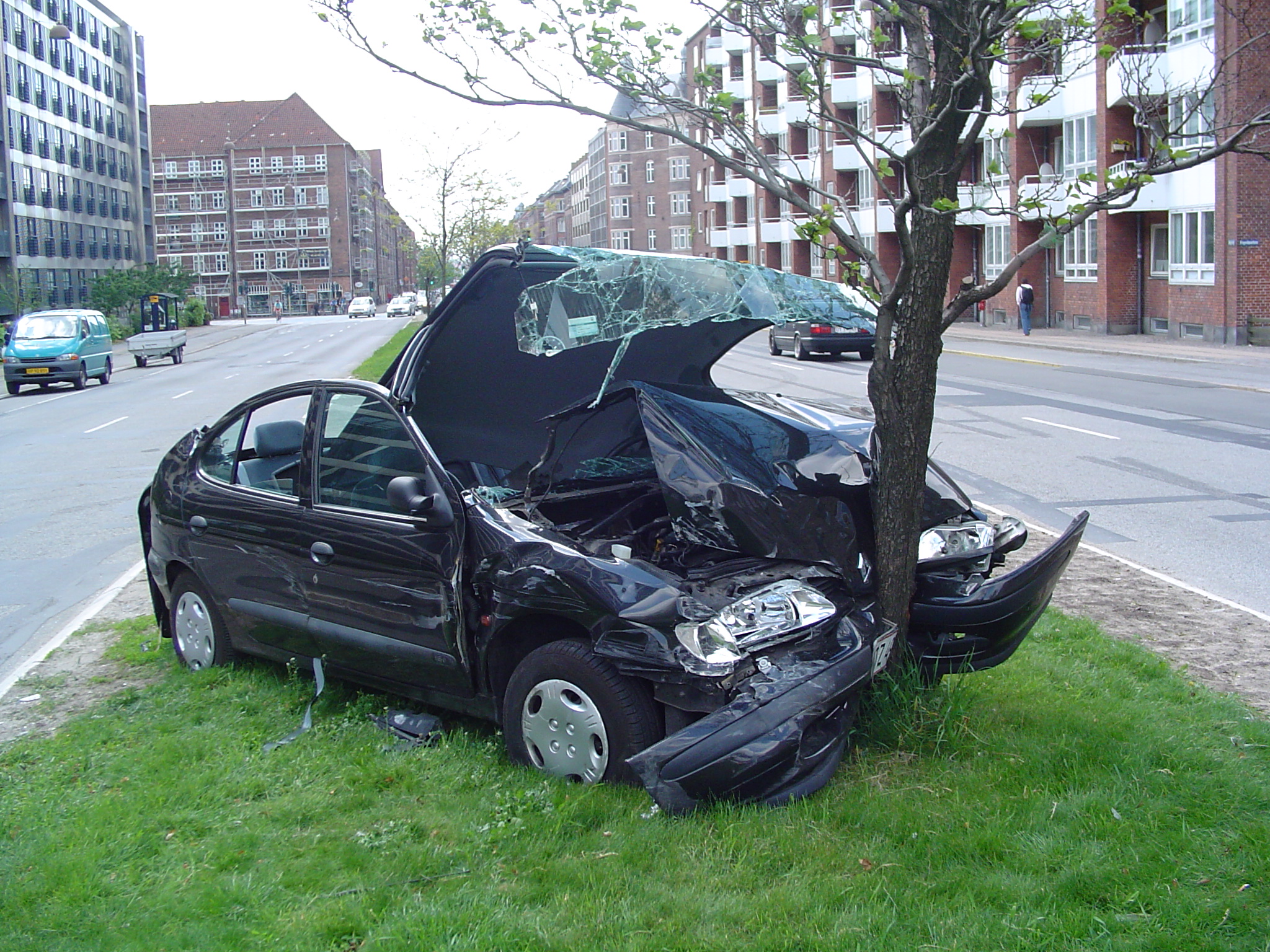
However, the transfer of damaged property is strictly regulated by the abandonment clause. The abandonment condition establishes that the insured cannot simply leave damaged property with the insurer and demand a total loss payout.
If a tree crushes half of your client's car, they cannot legally tow the vehicle to the insurer's corporate headquarters, drop the keys on an adjuster's desk, and demand a check for the full value. The abandonment clause in a property policy prohibits the insured from forcing the insurer to take possession of partially damaged property. The insurer retains the absolute right to evaluate the damage and choose whether to repair the item or declare it a total loss.