Other Property Policies
Not sure you’re ready?
Take the ~3-minute readiness diagnostic and see where you stand.
Standard property policies are meticulously engineered to shelter an insured from the predictable hazards of daily life: a kitchen fire, a burglarized television, or a burst pipe. Yet, the moment the earth fractures, a home rolls down a highway, or a hurricane redefines a coastline, that standard contractual umbrella collapses. To bridge the gap between ordinary risks and extraordinary perils, the insurance industry relies on specialized property policies. Mastering these alternative policies is not merely an exercise in passing a state exam; it is the mechanics of saving a client from financial ruin when the physical realities of nature or circumstance violate the assumptions of a standard policy.
Let us dissect the anatomy of these specialized policies, examining the physical risks they cover, the exact mechanisms of their deductibles, and the strict boundaries of their conditions.
The earth is in a constant state of geologic tension. When that tension releases, the resulting kinetic energy destroys structures from the foundation up. Because this peril is catastrophic and highly regional, standard homeowners policies specifically exclude earthquake damage. Spreading this risk across all homeowners universally would unjustly inflate premiums for those living far from fault lines.
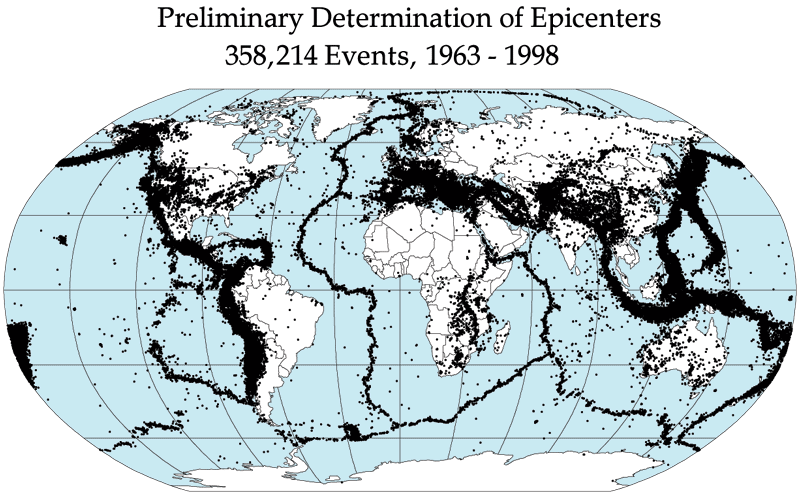
To secure protection, earthquake coverage can be acquired in two ways: it can be added to an existing homeowners policy via an endorsement, or it can be purchased as a separate standalone policy.
Deductibles and Classifications
Unlike standard property policies that utilize flat-dollar deductibles (e.g., $1,000), earthquake deductibles are typically calculated as a percentage of the coverage limit.
Crucial Application Rule: An earthquake deductible applies separately to each coverage type under the property policy. If an insured has a 10% deductible, they will pay 10% of their Coverage A (Dwelling) limit for home damage, and a separate 10% of their Coverage C (Personal Property) limit for destroyed belongings.
Insurance carriers are acutely aware of building materials. Wood-frame houses flex during seismic waves, but brick shatters. Consequently, masonry veneer structures often require a separate premium classification for earthquake coverage due to their severe susceptibility to cracking and collapse.
Timeframes and Ensuing Losses
Seismology dictates that a major earthquake is rarely a single event; it is followed by severe aftershocks. To prevent the insured from paying a new percentage deductible for every subsequent tremor, the insurance industry standardizes the event. The standard timeframe for grouping multiple earthquake tremors into a single occurrence is 72 hours.
When an earthquake strikes, it triggers a chain reaction of other perils. It is critical to understand which policy pays for which subsequent damage:
- Water Exclusion: Earthquake policies exclude damage caused by flood or tidal waves resulting from the earthquake (tsunamis require flood insurance).
- The Fire Paradox: When gas lines snap during an earthquake, fires ignite. Earthquake policies do not cover ensuing fire damage. Why? Because the standard homeowners policy covers fire universally. Therefore, ensuing fire damage following an earthquake is covered by the underlying standard property policy.
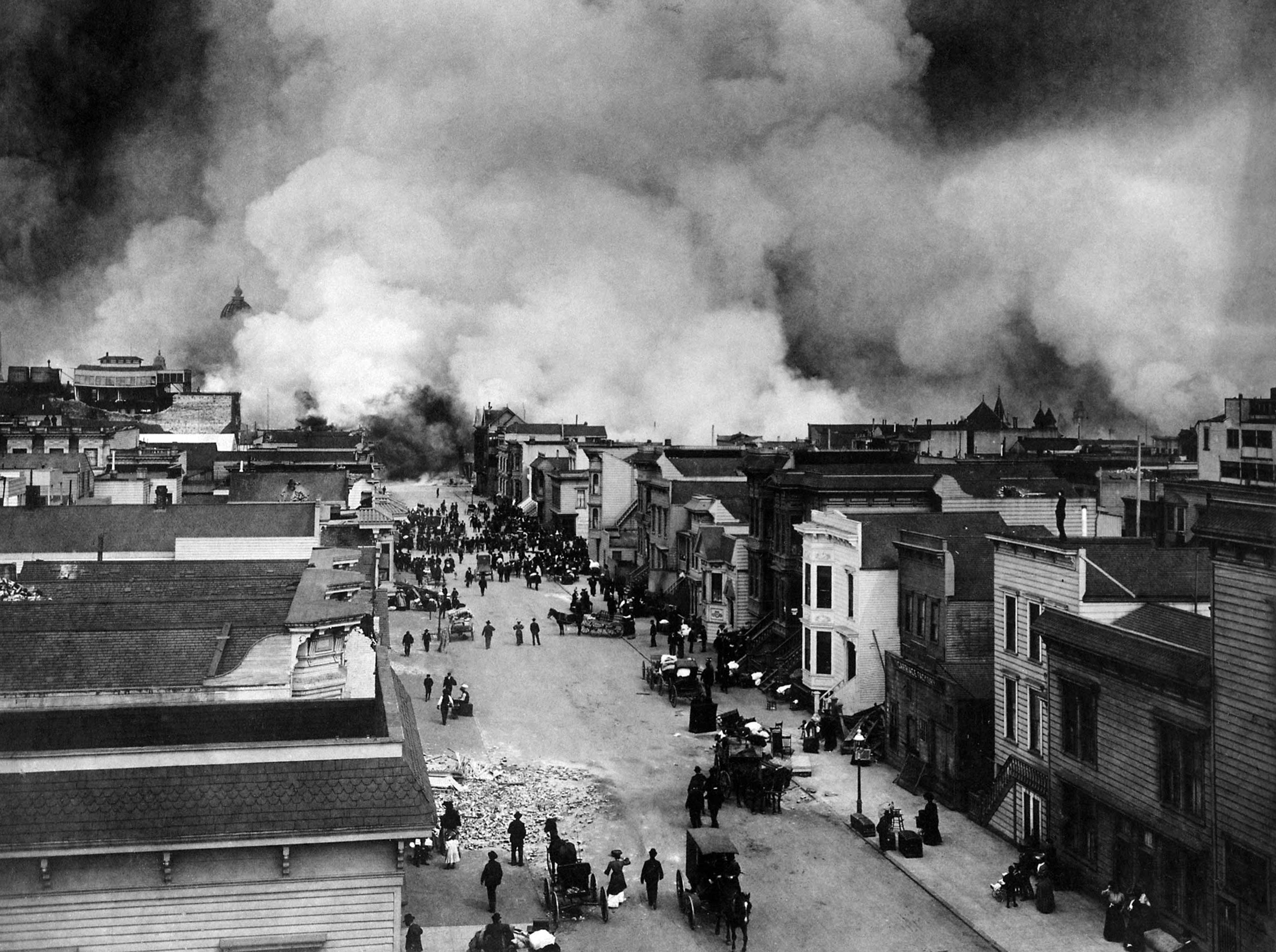
A standard homeowners policy is engineered for a structure anchored to the earth. Consequently, a standard homeowners policy does not automatically provide property coverage for a mobile home. The manufacturing, framing, and mobility of a manufactured home present entirely different underwriting risks.
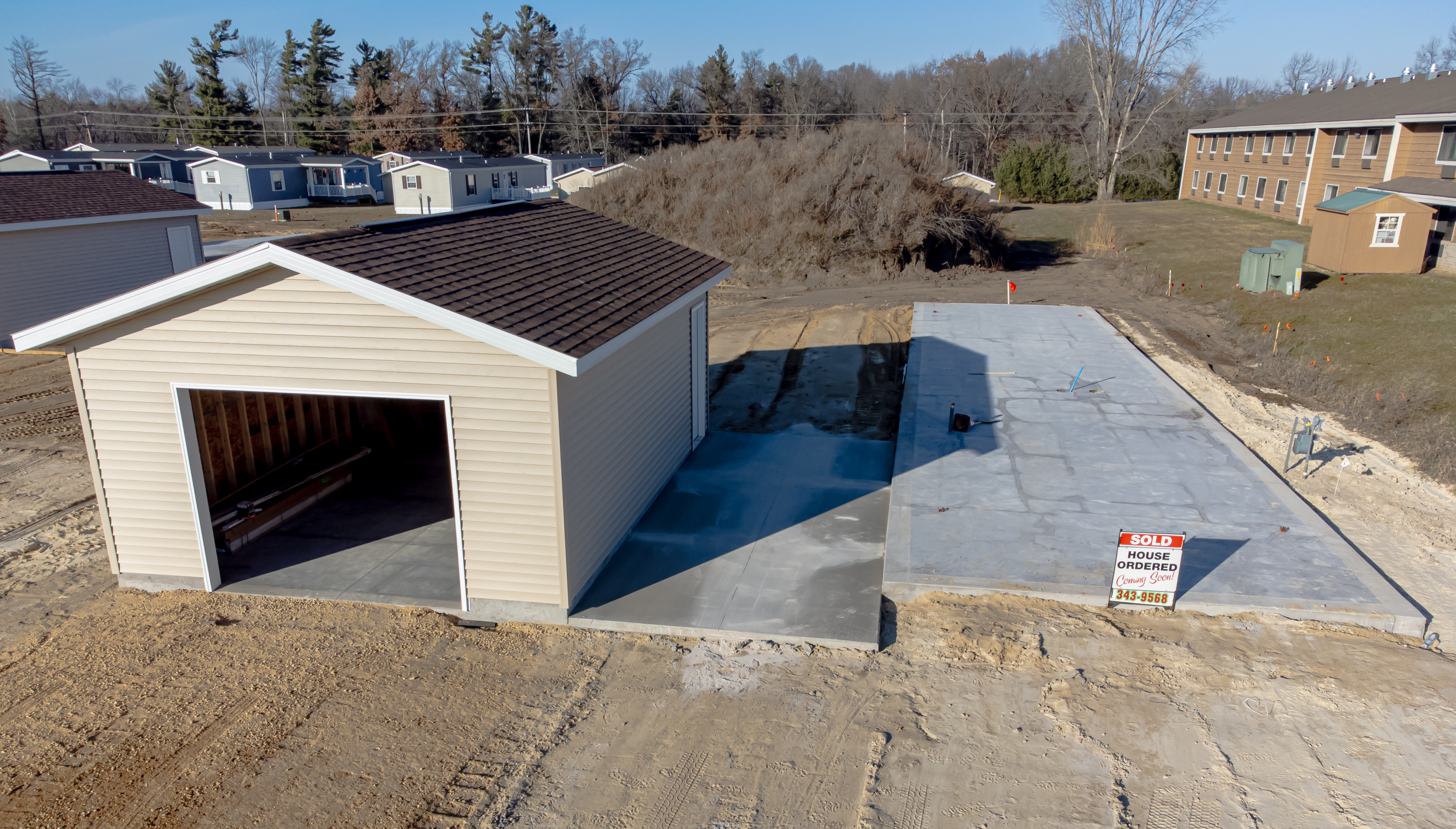
To insure one, the coverage can be written as an endorsement to a standard homeowners policy, or it can be issued as a specialized standalone Mobile Homeowners policy. However, to qualify for a true Mobile Homeowners policy, the structure cannot be treated as a vehicle: a mobile home must typically be permanently situated on a foundation.
Coverage Details and Valuation
Coverage A in a Mobile Homeowners policy insures the mobile home structure itself. Importantly, it also includes attached structures and utility tanks, recognizing the unique setup of manufactured housing.
Valuation is where producers must be highly observant. Unlike a standard HO-3 policy that defaults to Replacement Cost for the dwelling, Mobile Homeowners policies generally value Coverage A losses on an actual cash value (ACV) basis. Because mobile homes historically depreciate much like vehicles, an endorsement is required to obtain replacement cost coverage for the structure.
The Transit Exception
What happens when the home actually needs to be mobile? If the insured needs to relocate the home, they must attach a Mobile Home Transportation endorsement. This endorsement provides collision and upset coverage while the mobile home is in transit. To strictly limit the insurer's exposure on the highway, this endorsement typically covers transit for a maximum of 30 days.
Boats exist in a hazardous intersection of property and liability. While standard homeowners policies offer a tiny sliver of protection, they are completely inadequate for a dedicated mariner.
Standard homeowners policies provide a maximum of $1,500 of physical damage coverage for watercraft. Furthermore, this coverage applies strictly on a named peril basis. The wind coverage is highly restrictive: standard homeowners policies exclude wind and hail damage for watercraft located outside a fully enclosed building.
To properly insure vessels, we use standalone policies scaled to the size and use of the boat.
The Boatowners Policy
A standalone Boatowners policy provides physical damage coverage for smaller boats used for personal recreation.
- What it covers: It provides property coverage for the hull, motor, trailer, and marine equipment.
- Valuation: Similar to auto insurance, Boatowners policies typically value physical damage losses on an actual cash value (ACV) basis.
The Yacht Policy
When a vessel moves from a recreational outboard to a large, complex ship, it transitions to a Yacht policy, which provides specialized property and liability coverage for larger vessels.
Yacht policies have distinct marine insurance terminology that you must memorize:
- Hull Coverage: This is the marine term for physical damage coverage to the vessel itself.
- Protection and Indemnity (P&I): This is marine liability. P&I coverage pays for bodily injury and property damage liability related to the operation of a yacht.
- The Jones Act: Because large yachts require a hired crew, standard workers' compensation does not apply on navigable waters. Yacht policies include coverage under the Jones Act for injuries to hired crew members.
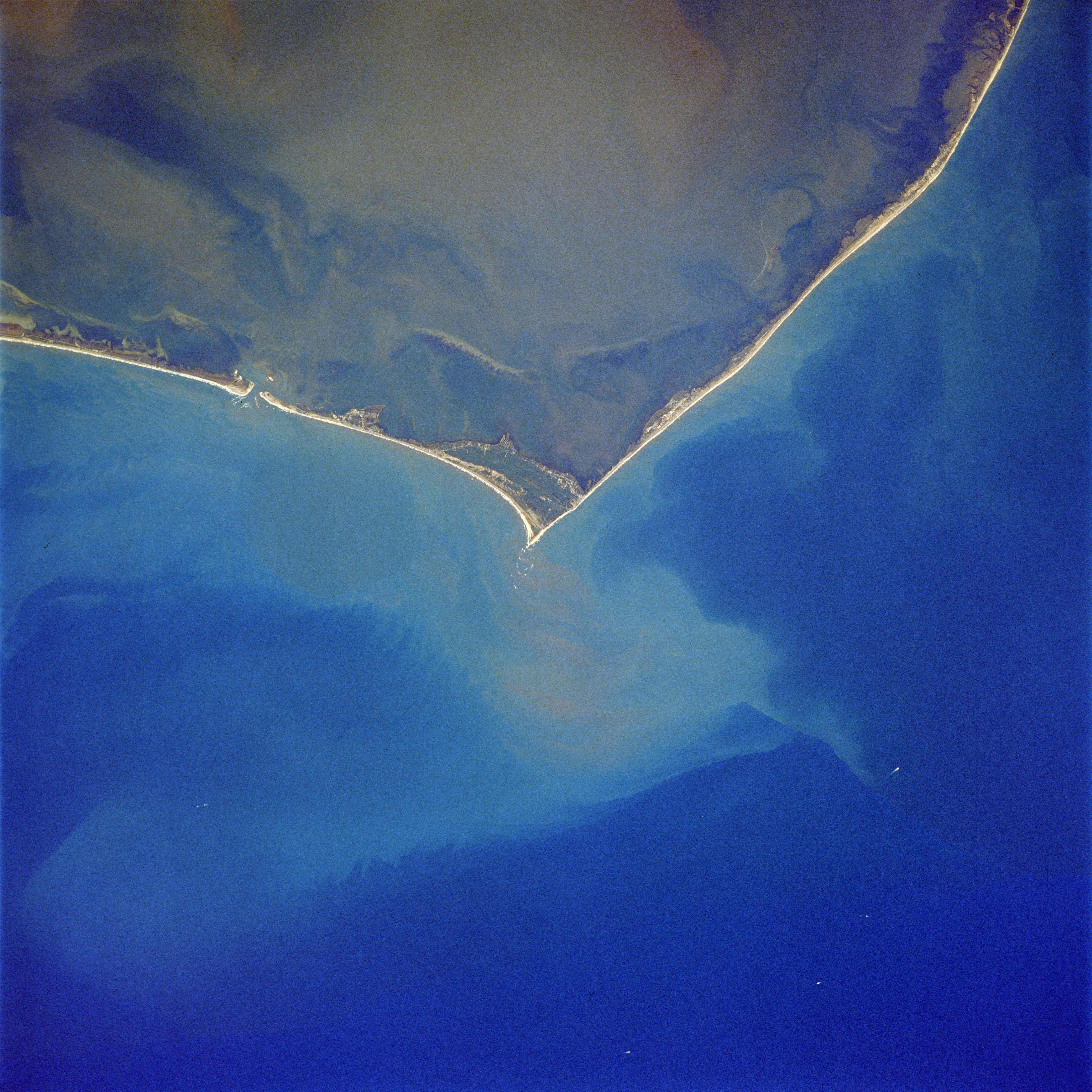
Warning on Navigation Limits: Yacht policies contain strict navigation limits restricting the geographical areas where the vessel can be operated (e.g., "Inland waters of the US," or "Coastal waters south of Cape Hatteras"). Operating a vessel outside a Yacht policy's navigation limits breaches the policy condition and suspends coverage. It is an absolute warranty; if the yacht sinks outside the designated territory, the claim is denied.
Farms are unique economic engines. The insured lives on the premises, stores heavy commercial equipment on the premises, and conducts business on the premises. Farm owners policies combine personal residential property coverages with commercial farming coverages into a single, elegant hybrid policy.
You must be able to categorize the Farm coverages accurately. They are divided logically into Residential Property, Farm Property, and Farm Liability.
| Category | Coverage Part | What it Insures |
|---|---|---|
| Residential | Farm Coverage A | The main residential farm dwelling. |
| Residential | Farm Coverage B | Detached private structures not used for farming purposes (e.g., a personal detached garage). |
| Residential | Farm Coverage C | Household personal property belonging to the farm owner (e.g., sofas, personal TVs). |
| Residential | Farm Coverage D | Loss of use coverage for the residential farm dwelling. |
| Farm Property | Farm Coverage E | Scheduled farm personal property on an itemized basis. Covers specific scheduled items such as individual tractors, livestock, and harvested grain. |
| Farm Property | Farm Coverage F | Unscheduled farm personal property on a blanket basis (a single limit for farm property not explicitly itemized). |
| Farm Property | Farm Coverage G | Farm-specific buildings such as barns, silos, and outbuildings. |
| Farm Liability | Farm Coverage H | Bodily injury and property damage liability coverage for farming operations. |
| Farm Liability | Farm Coverage I | Personal and advertising injury liability coverage for farming operations. |
| Farm Liability | Farm Coverage J | Medical payments coverage for third parties injured on the farm premises. |
The Great Agricultural Exclusion
Notice what is conspicuously missing from Coverages E, F, and G. While the policy covers harvested grain sitting in a silo, it explicitly refuses to insure the seeds in the dirt. Farm owners policies explicitly exclude property coverage for growing crops. The risk of drought, hail, and disease over hundreds of acres is too immense for a standard casualty carrier. Crop insurance must be purchased separately from a Farm owners policy, typically through specialized federally-backed programs.
As coastal populations have exploded, the catastrophic threat of hurricanes has forced carriers to limit their exposure. Standard property policies in high-risk coastal areas frequently exclude windstorm and hail damage. If a homeowner lives in a hurricane-prone tier, they are required to buy back that protection.
Windstorm coverage can be purchased through a standalone policy in regions where standard policies exclude the peril.
The Mechanics of Windstorm Deductibles
Much like earthquake policies, windstorm risk is catastrophic, meaning standard $500 deductibles would bankrupt an insurer during a major hurricane. Therefore, windstorm deductibles are structured as a percentage of the property coverage limit. These deductibles typically range from one percent to five percent of the dwelling coverage limit. (A $500,000 home with a 5% deductible means the insured absorbs the first $25,000 of damage).
However, insurance operates on precision. The percentage deductible does not apply to every stiff breeze:
- Percentage windstorm deductibles only apply to officially named storms or hurricanes. (The trigger is usually a declaration by the National Weather Service).
- Standard flat property deductibles apply to wind damage originating from unnamed storms (such as a severe localized summer thunderstorm).
The Wind vs. Water Collision
When a hurricane makes landfall, it brings both kinetic wind energy and a wall of ocean water. You must separate these forces at the time of claim.
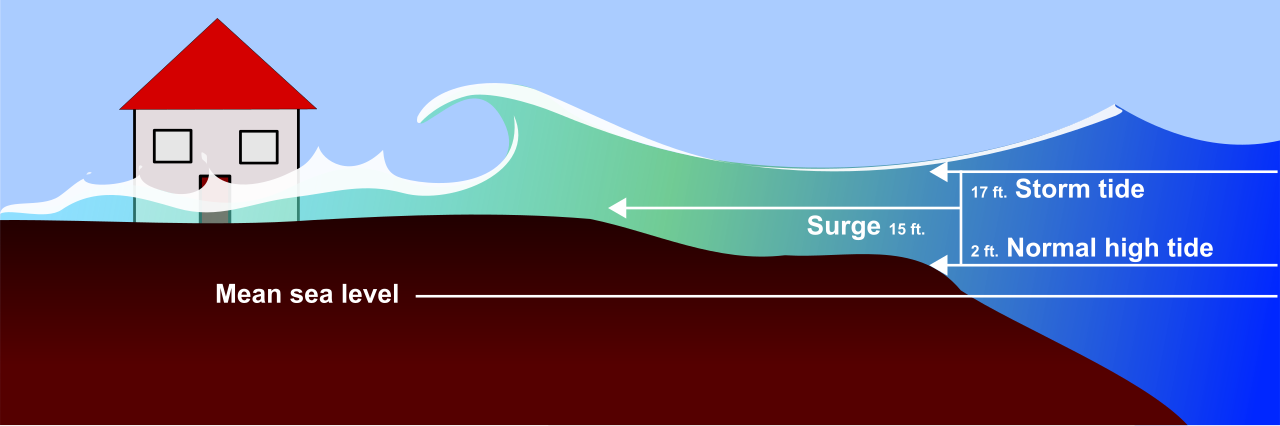
A windstorm policy strictly covers direct physical loss caused by wind or hail. If the wind rips the shingles off the roof, the policy pays. However, windstorm policies expressly exclude water damage from storm surge or flooding driven by the storm driven by the wind. Even though the wind pushed the water into the home, the proximate cause of the loss at ground level is floodwater. To cover the storm surge, the client must hold a separate Flood Insurance policy.
Summary for the Producer
When sitting across from a client, your job is to identify the gaps in the standard policy forms before nature does. If they live on a fault line, put the house on wheels, buy a 40-foot yacht, run a dairy operation, or build a home facing the Atlantic Ocean, standard rules no longer apply. Master these alternative coverage triggers, exclusions, and percentage deductibles, and you transition from being a mere salesperson to a true risk manager.