Professional, Umbrella, and Excess Liability
Not sure you’re ready?
Take the ~3-minute readiness diagnostic and see where you stand.
A standard Commercial General Liability (CGL) policy is designed to respond to the physical world: a customer slipping on a wet retail floor, or a defective product causing a fire. But when an architect's miscalculation requires a building's foundation to be completely rebuilt, or when an insurance producer misreads a coverage form and leaves a client exposed, the resulting damage bypasses physical property entirely. It strikes directly at the client's financial stability. Traditional liability frameworks are blind to the intangible, catastrophic consequences of professional misjudgment. To bridge this gap—and to build a high-capacity fortress around a client's assets when primary policies reach their limits—the insurance industry relies on specialized professional liability, excess liability, and umbrella liability structures.
To understand why professional liability insurance exists, we must look at what foundational business insurance deliberately ignores. Standard Commercial General Liability policies exclude coverage for liability arising out of professional services. The CGL is built to trigger on bodily injury or property damage.
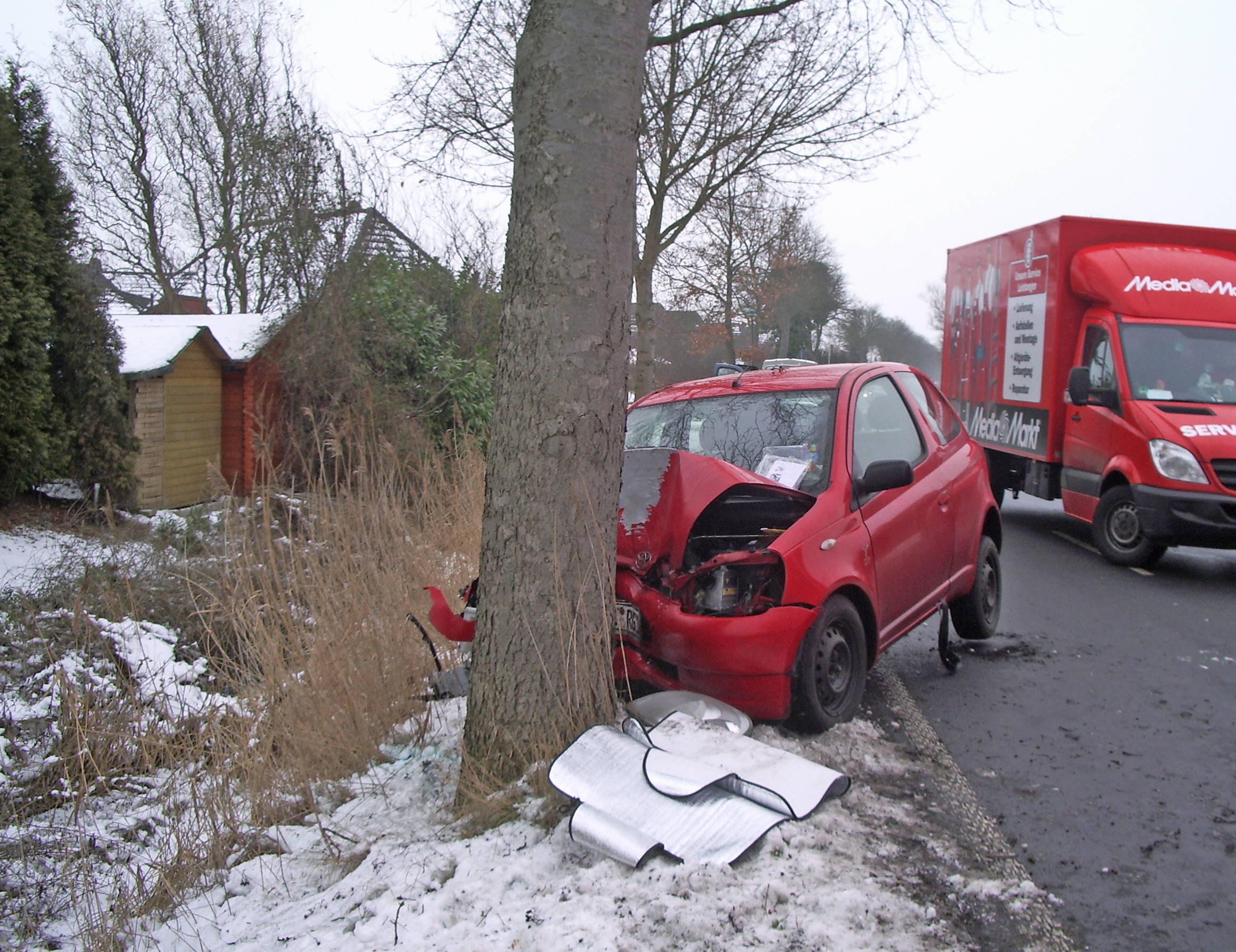
Professional liability insurance, by contrast, protects professionals from financial loss caused by errors or omissions in their specialized services. Instead of physical harm, professional liability policies typically trigger coverage based on financial damages rather than bodily injury or property damage.
If you are a professional selling your expertise, your brain is the hazard. When a client relies on your specialized knowledge and suffers a financial loss because you made a mistake, traditional policies will not defend you.
Triggering Coverage: The Claims-Made Model
Because the consequences of bad professional advice can take years to materialize, insurers need a predictable way to manage risk. For this reason, most professional liability policies are written on a claims-made trigger basis, rather than the occurrence basis typical of CGL.
The Claims-Made Mechanism: A claims-made professional liability policy requires the claim to be made against the insured during the active policy period or an extended reporting period.
If an accountant makes a tax error in 2022, but the client isn't audited and doesn't file a lawsuit until 2025, the policy covering the accountant in 2025 is the one that responds, provided the error occurred after the policy's retroactive date. If the accountant retires and cancels the policy in 2024, they have no coverage in 2025 unless they purchased an extended reporting period (commonly called "tail coverage").
Protecting the Asset of Reputation: Consent-to-Settle
In standard liability insurance, the insurer has the right to settle a claim out of court if it is cheaper than litigating. In the professional realm, however, a quick settlement can be interpreted by the public as an admission of incompetence.
To safeguard the insured, professional liability policies often contain a consent-to-settle provision to protect the professional reputation of the insured. A consent-to-settle provision prohibits the insurer from settling a claim without the written consent of the insured professional. If the professional believes they acted perfectly and wants to fight the claim in court to clear their name, the insurer cannot force a settlement behind their back.
While the core mechanics remain the same, professional liability splinters into specialized forms depending on the exact nature of the expertise being insured.
- Medical Malpractice Insurance: This is a specialized form of professional liability insurance designed specifically for healthcare providers. When a physician misdiagnoses a patient, this policy responds.
- Errors and Omissions (E&O): Errors and Omissions insurance provides professional liability coverage for non-medical professionals. Think of accountants, engineers, lawyers, and real estate agents.
- Producer E&O: As an aspiring agent, this is your lifeline. Insurance producers frequently purchase Errors and Omissions insurance to protect against claims of improper advice or inadequate coverage placement. If you fail to recommend an essential endorsement and your client suffers an uncovered $500,000 loss, your E&O policy defends you.
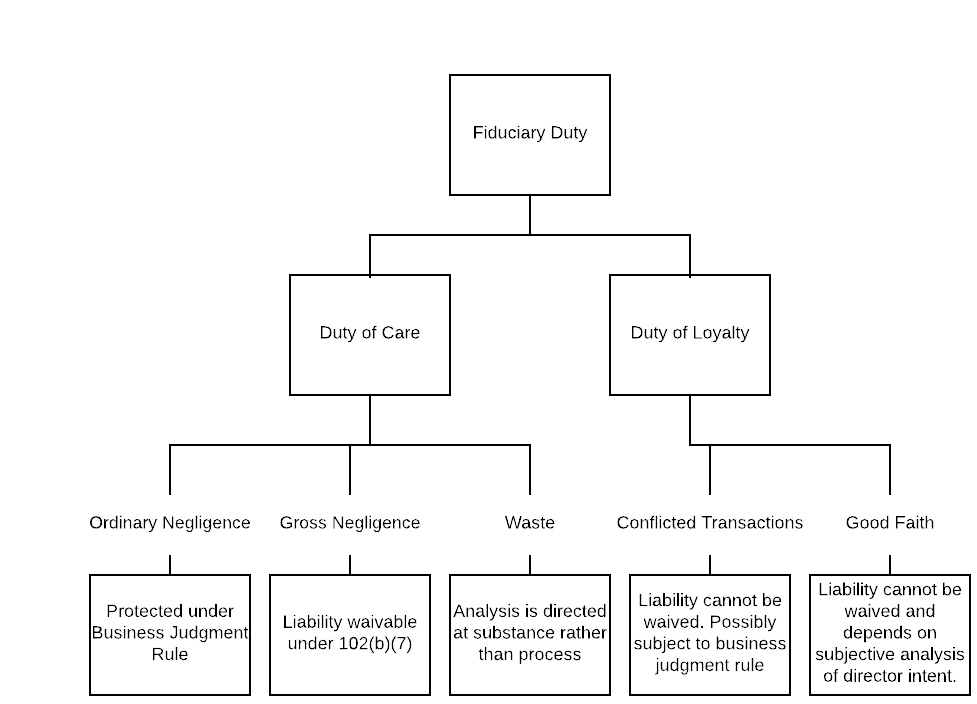
- Directors and Officers (D&O): Directors and Officers liability insurance protects corporate officers against claims alleging mismanagement or breach of fiduciary duty. If a company's board of directors makes a reckless acquisition that tanks the stock price, shareholders will sue the directors personally. D&O shields their personal assets.
- Employment Practices Liability Insurance (EPLI): Employment Practices Liability Insurance covers employers against claims of wrongful termination, discrimination, and sexual harassment. In the modern corporate landscape, this is a distinct, highly utilized coverage separate from general management liability.
- Fiduciary Liability: Fiduciary liability insurance protects administrators of employee benefit plans against claims of mismanaging plan assets or violating ERISA regulations. If an HR director selects a retirement plan with exorbitant hidden fees that drain employee pensions, this policy responds.
While professional liability fills gaps in types of coverage, high-net-worth individuals and large corporations also face gaps in amount of coverage. A primary liability policy might max out at $1 million or $2 million. In a world of multi-million dollar jury verdicts, that is often insufficient.
Both Excess and Umbrella policies exist to solve this problem, but they behave differently. Think of primary insurance as the foundation of a house. Excess and Umbrella policies are the upper floors, but their architecture differs fundamentally.
Excess Liability: The Exact Same Floor Plan
Excess liability insurance provides additional coverage limits above the limits of an underlying primary liability policy.
However, excess insurers are strict about the foundation they are building upon. An excess liability policy requires the insured to maintain underlying primary insurance policies with specific minimum limits (for example, demanding you carry at least $1 million in primary CGL before they offer an additional $5 million).
Furthermore, an excess liability policy will not pay a claim until the underlying primary policy limits are completely exhausted by payment of claims.
The defining characteristic of excess liability is its strict adherence to the primary policy's rules. A follow-form excess liability policy incorporates exactly the same coverages, conditions, and exclusions as the underlying primary policy. Because it merely extends the limit without altering the contract, an excess liability policy never provides broader coverage than the underlying primary policy. If the primary policy excludes a specific hazard, the follow-form excess policy automatically excludes it as well.
Umbrella Liability: The Wider Canopy
Like an excess policy, an umbrella liability policy provides high liability limits over underlying primary policies.
However, an umbrella gets its name because its canopy is wider than the foundation beneath it. An umbrella liability policy can provide broader coverage than the underlying primary policies.
Because of this broader scope, the umbrella operates in two distinct ways:
- Vertical Exhaustion: An umbrella liability policy drops down to cover claims when the aggregate limit of the underlying primary policy has been exhausted. In this scenario, it acts exactly like an excess policy.
- Horizontal Drop-Down: An umbrella liability policy drops down to act as primary coverage when a claim is excluded by the underlying policy but covered by the umbrella policy. For example, if a primary policy excludes coverage for slander occurring globally, but the umbrella has a worldwide coverage territory, the umbrella drops down to act as the first line of defense.
To secure this coverage, specific foundations are required:
- Commercial umbrella policies typically require underlying commercial general liability, commercial auto liability, and employers liability policies.
- Personal umbrella policies typically require underlying personal auto liability and homeowners liability policies.
Comparing the Two Frameworks
| Feature | Excess Liability | Umbrella Liability |
|---|---|---|
| Adds higher limits? | Yes | Yes |
| Requires primary policies? | Yes | Yes |
| Coverage Scope? | Never broader than primary. | Can be broader than primary. |
| Follow-form capability? | Yes, mirrors underlying exactly. | No, has its own insuring agreement. |
| Acts as primary insurance? | No. | Yes, if primary excludes the covered claim. |
When an umbrella policy drops down to act as primary coverage for a claim that was excluded by the underlying policy, the insurer faces a problem. Normally, an insured pays a deductible on their primary policy, which ensures they retain some "skin in the game." But if the primary policy denies the claim entirely, its deductible is never paid.
To prevent the insured from getting first-dollar coverage with zero out-of-pocket expense, umbrella policies utilize a Self-Insured Retention (SIR).
The SIR Defined: A self-insured retention is a specified dollar amount the insured must pay out of pocket before an umbrella policy responds to a claim.
Mechanically, the self-insured retention functions similarly to a deductible for an umbrella liability policy. If a business has a $10,000 SIR and faces a $100,000 claim that falls solely under the broader scope of the umbrella, the business pays the first $10,000, and the umbrella covers the remaining $90,000.
The Rule of Application for the SIR
It is critical for a producer to understand exactly when the SIR applies, because it does not apply to every claim.
A self-insured retention only applies when an umbrella policy drops down to act as primary coverage for a claim completely excluded by the underlying policy.
Conversely, a self-insured retention does not apply when an umbrella policy pays in excess of an exhausted underlying policy limit. Why? Because in an exhaustion scenario, the insured has already paid the deductible on their primary policy, and the primary policy has already paid out its maximum limit. Penalizing the insured with a second out-of-pocket retention when the umbrella takes over would be redundant and punitive. The SIR solely exists to replace the missing primary deductible when the umbrella steps in to fill a coverage gap from the ground up.