Texas Insurance Code & Department of Insurance
Not sure you’re ready?
Take the ~3-minute readiness diagnostic and see where you stand.
In the complex machinery of risk and capital that constitutes the Texas economy, the Texas Department of Insurance (TDI) functions as the essential governing mechanism. The TDI regulates the business of insurance in the state of Texas, ensuring that when an individual or business transfers a catastrophic risk to an insurer, the promise to pay is backed by actual financial stability and ethical conduct. To understand this regulatory framework, one must understand not just the rules themselves, but the mechanical enforcement of those rules by the state.
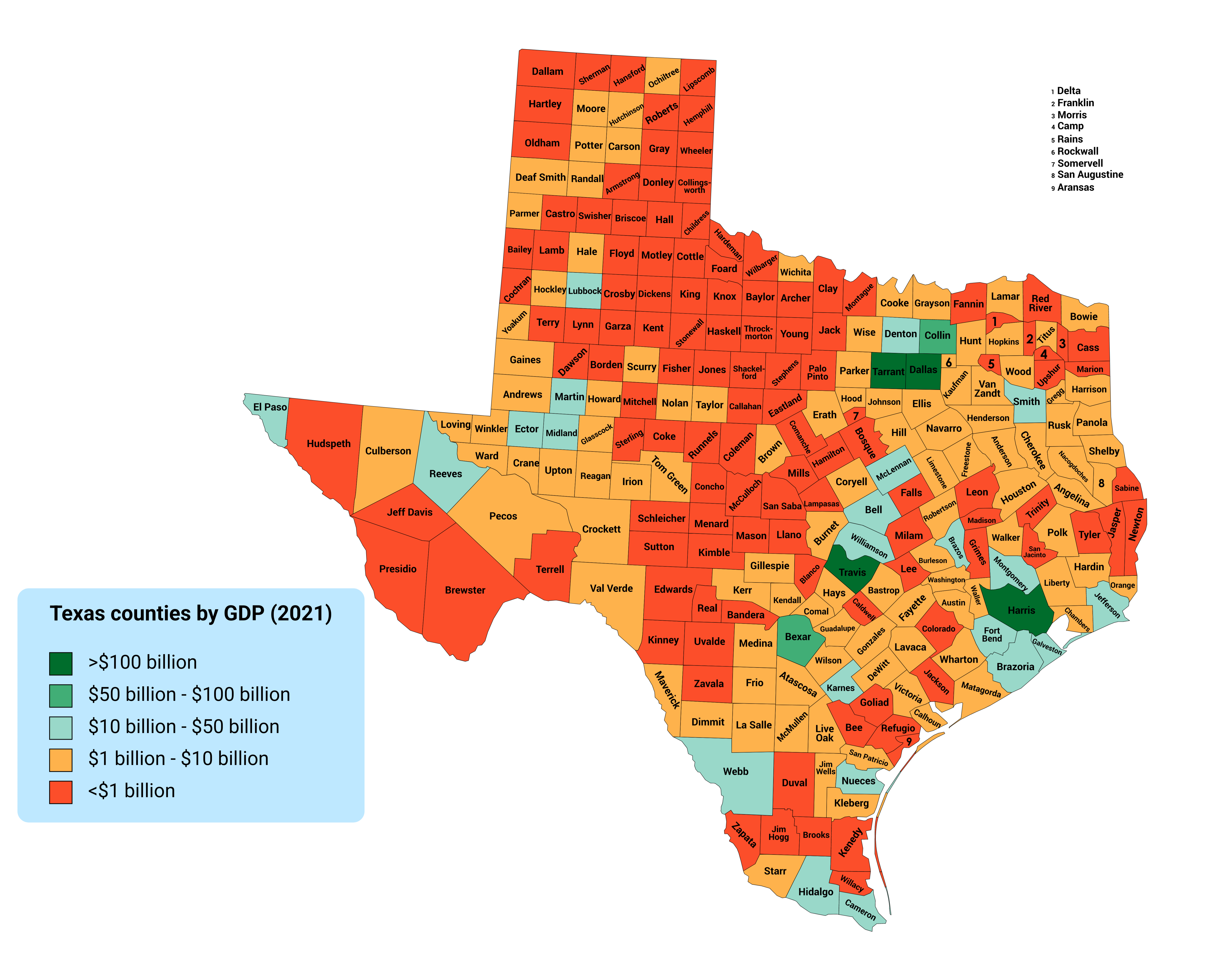
To govern a market of this scale, the state requires an active, enforcement-oriented executive branch. At the head of the Texas Department of Insurance sits the Commissioner of Insurance, who operates as the chief executive and administrative officer of the TDI.
Think of the Texas Insurance Code as a set of physical laws governing how insurance products are built, priced, and sold. The Commissioner of Insurance has the duty to administer the Texas Insurance Code and the duty to enforce the Texas Insurance Code. However, there is a fundamental separation of powers at play: the Commissioner of Insurance does not have the legislative power to enact insurance laws. Only the Texas State Legislature can write or change the law; the Commissioner acts as the supreme referee, ensuring the players on the field obey the rulebook.

Appointing the Commissioner
Because the Commissioner wields immense authority over the Texas economy, the position requires specific qualifications and a strict appointment process. The Commissioner of Insurance is appointed by the Governor of Texas, and to ensure appropriate checks and balances, the appointment of the Commissioner of Insurance must be confirmed by the Texas state Senate.
Once confirmed, the Texas Commissioner of Insurance serves a two-year term.
To ensure the person occupying this role has the requisite expertise to oversee complex financial institutions, Texas law mandates a high threshold of professional experience. A candidate can meet the professional requirement for Commissioner of Insurance by having at least five years of experience in one of the following roles:
- As a business executive
- As a government administration executive
- As a practicing attorney
- As a certified public accountant (CPA)
The TDI oversees the raw materials of the insurance transaction. Before a Property & Casualty (P&C) producer can sell a policy, the state must ensure the product is fundamentally sound and fairly priced. Therefore, the Texas Department of Insurance regulates the policy forms used by property and casualty insurers, ensuring the contractual language is not deceptive. Simultaneously, the Texas Department of Insurance regulates the premium rates charged by property and casualty insurers to prevent price gouging and ensure rates are adequate to cover future claims.

To verify that insurance carriers are keeping their promises, the Commissioner conducts two distinct types of audits: Financial Examinations and Market Conduct Examinations.
Financial Examinations
An insurer's promise to rebuild a $500,000 home is worthless if the insurer does not have the capital to pay the claim. To protect the public, the Commissioner of Insurance has the authority to examine the financial condition of any authorized insurer and to examine the business records of any authorized insurer.
- Frequency: The Commissioner of Insurance may conduct a financial examination of a licensed insurance carrier as frequently as the Commissioner deems necessary. However, there is a hard statutory floor: the Texas Department of Insurance must conduct a financial examination of domestic insurers at least once every five years.
- Cost: Regulatory oversight is not subsidized by the taxpayer. An insurer must pay all expenses associated with a financial examination conducted by the Texas Department of Insurance.
Market Conduct Examinations
While financial exams ensure the carrier has the ability to pay, market conduct exams ensure the carrier has the willingness to treat consumers fairly.
- A market conduct examination investigates an insurance carrier's marketing and sales practices (ensuring producers and carriers aren't misleading the public to get a sale).
- A market conduct examination investigates an insurance carrier's claim handling practices to ensure consumer protection (ensuring the carrier isn't acting in bad faith when it is time to pay out).
As an aspiring P&C producer, the TDI's rules directly dictate your daily operations. Your agency is the crucial link between the consumer and the carrier, and your paperwork is the evidentiary trail of that relationship.
The Five-Year Rule
Texas insurance producers must maintain complete records of all insurance transactions. This is not a suggestion; it is a strict compliance requirement. Every application, binder, endorsement, and piece of correspondence must be preserved.
Crucial Timeline: Texas insurance producers must retain all insurance transaction records for a minimum of five years.
Furthermore, you do not have the right to withhold these documents from the regulator. Texas insurance producers must make all business records available to the Commissioner of Insurance upon request.
The 15-Day Rule
When the TDI comes knocking, the clock ticks incredibly fast. If a consumer files a complaint regarding a policy you sold, the TDI will send you a formal inquiry.
- A licensed insurance producer must respond to a written inquiry from the Texas Department of Insurance within 15 days of receiving the request.
- Similarly, an insurance carrier must respond to a written inquiry from the Texas Department of Insurance within 15 days of receiving the request.
Failure to meet this deadline is a secondary violation of the Insurance Code, independent of whatever the original complaint was about.
When the rules are broken, the Commissioner wields a formidable arsenal of disciplinary tools. The enforcement process is designed to act quickly to stop consumer harm, while legally preserving the accused party's right to due process.
Cease and Desist Orders
If a producer or carrier is actively harming the public (for instance, selling fraudulent policies), the Commissioner of Insurance has the authority to issue a cease and desist order to stop an entity from violating the Texas Insurance Code.
In severe cases, the Commissioner can issue an emergency cease and desist order, which takes effect immediately. However, due process remains intact: a person receiving an emergency cease and desist order has 30 days to request a hearing to contest the emergency cease and desist order.
Disciplinary Hearings
Before the state can strip a producer of their livelihood, a formal administrative process must occur.
- Notice: The Texas Department of Insurance must provide at least 10 days of advance written notice before holding a public hearing on an administrative action.
- Clarity of Charges: A licensee must receive written notice of an administrative hearing detailing the specific charges against the licensee. You will never be forced to guess why you are on trial.
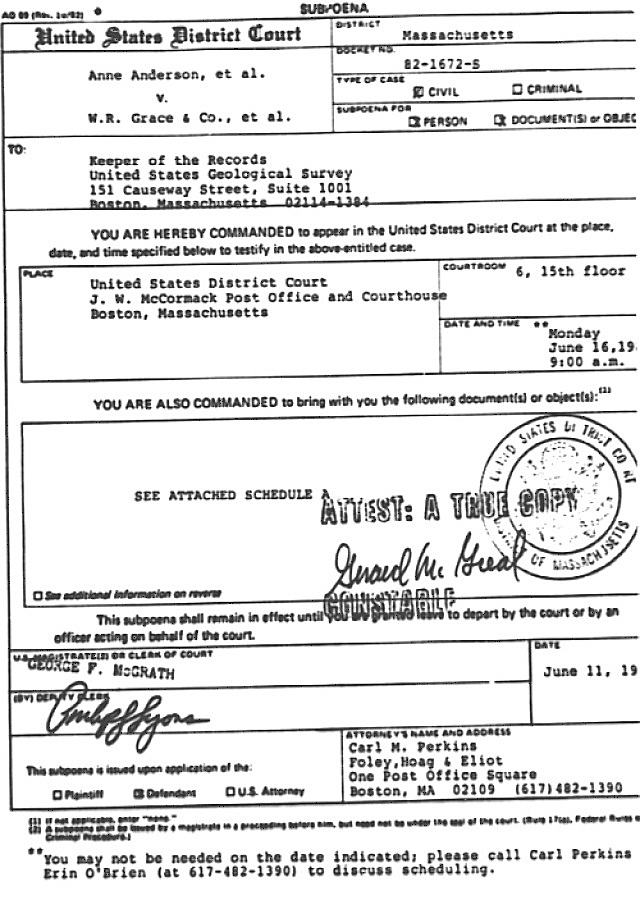
- Evidence Collection: To ensure all facts are brought to light, the Commissioner of Insurance can issue subpoenas to compel witnesses to testify at disciplinary hearings.
Administrative Actions and Penalties
If a licensee is found guilty of violating the Texas Insurance Code, the Commissioner has broad discretion regarding the punishment.
The Commissioner of Insurance may take actions directly against your license:
- Suspend an insurance license (a temporary halt).
- Revoke an insurance license (a permanent termination).
- Refuse to renew an insurance license.
Alternatively, the Commissioner of Insurance may impose a financial administrative penalty instead of suspending an insurance license, or impose a financial administrative penalty instead of revoking an insurance license.
Calculating the Fines
Financial penalties in Texas insurance law are uniquely catastrophic for non-compliant entities.
The maximum administrative penalty for a violation of the Texas Insurance Code is $25,000 per violation.
If a producer uses an unapproved, deceptive marketing brochure for two months, they haven't just committed one violation. For ongoing violations of the Texas Insurance Code, each day of noncompliance constitutes a separate violation for the purpose of calculating administrative penalties. At $25,000 per day, fines can bankrupt a rogue agency in a matter of weeks.
How does the Commissioner decide whether to levy a $500 fine or a $25,000 fine? The math is not arbitrary.
- The dollar amount of an administrative penalty is based on the severity of the Texas Insurance Code violation.
- The dollar amount is also based on the economic harm caused by the Texas Insurance Code violation.
Restitution and Appeals
Fines are paid to the state, but what about the client who was cheated? The Commissioner of Insurance can order an offending licensee to pay restitution to consumers harmed by a Texas Insurance Code violation.
Finally, the Commissioner's word is not absolute law. If a producer believes the TDI acted unfairly or misinterpreted the law, a licensee has the right to appeal disciplinary actions issued by the Commissioner of Insurance in a Texas state court.

Summary for the Exam: Remember the numbers and the boundaries. The Commissioner is an administrator (appointed by the Governor for a 2-year term), not a legislator. Exams happen every 5 years for domestic carriers. Keep your records for 5 years, answer the TDI within 15 days, and understand that failing to comply can result in fines up to $25,000 per day, per violation. Understand this system, and you will understand the operational reality of being a compliant, successful P&C producer in Texas.