Evolving Network Use Cases
Not sure you’re ready?
Take the ~3-minute readiness diagnostic and see where you stand.
For decades, computer networks operated much like a sprawling city where every single intersection possessed its own isolated, mechanical traffic light. Each individual router and switch was a self-contained island, burdened with the dual task of figuring out the overall map (the control plane) and physically moving the cars along (the data plane). When you needed to re-route traffic or add a new neighborhood, a network engineer had to manually touch every device and reprogram it using a command-line interface. Today, the sheer scale of cloud computing, remote workforces, and hyper-connected data centers renders that manual, device-by-device approach obsolete. The evolution of network architecture has stripped the brain away from the muscle, moving intelligence into centralized software and abstracting the underlying physical cables. This fundamental shift allows networks to be spun up, manipulated, and secured dynamically, completely altering how modern IT professionals approach wide area networking, data center interconnects, and perimeter defense.
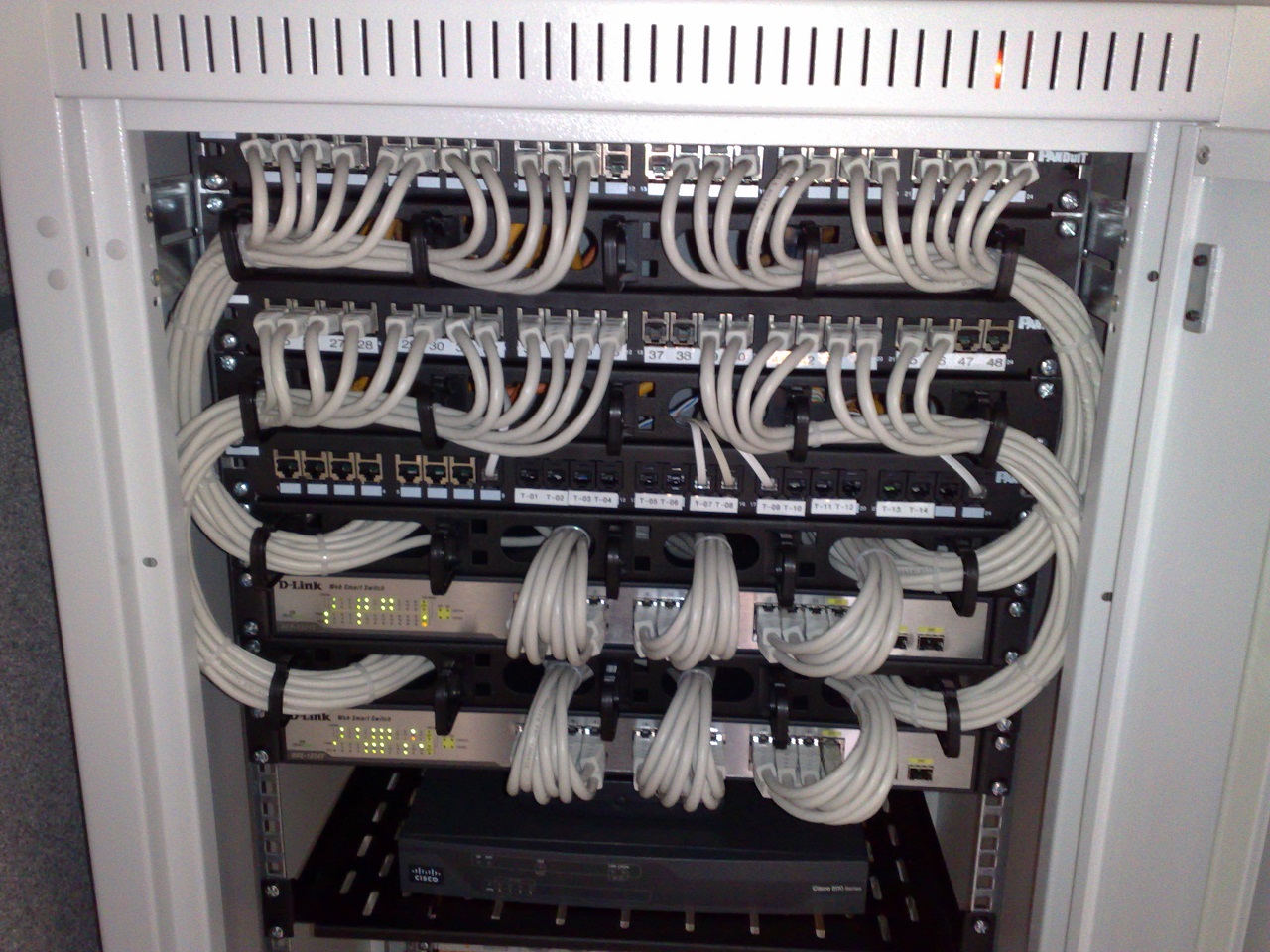
To understand modern networking, we must first understand how to divide labor. Software-defined networking (SDN) physically or logically separates the network control plane from the data forwarding plane.
In a traditional switch, the hardware both decides where a packet should go and actually moves it there. SDN tears these functions apart. It dictates that the SDN control plane acts as a central intelligence entity to make traffic routing decisions for the entire network. Think of the control plane as the air traffic control tower. It has perfect visibility over the entire airspace.
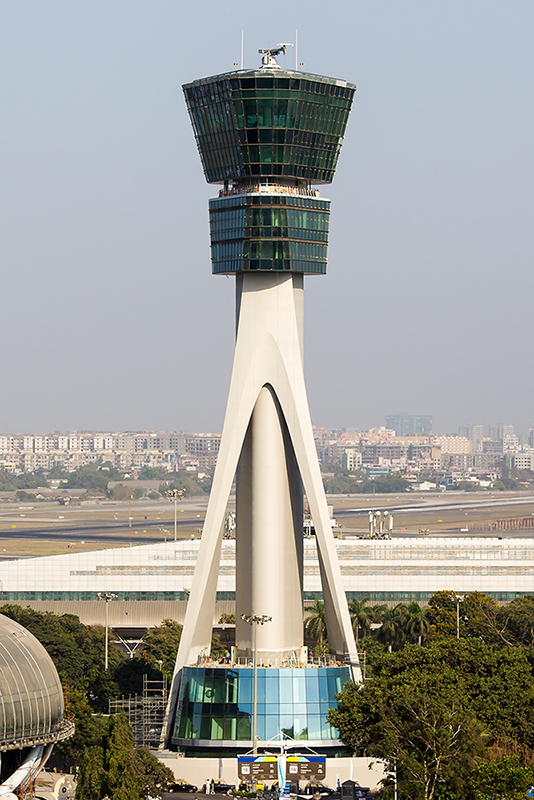
Meanwhile, down on the runway, the hardware switches act as the SDN data plane, which is responsible solely for forwarding traffic based on programmed instructions received from the control plane. They no longer think; they simply execute.
Because the brain and the brawn are now separated, they need a way to communicate. SDN relies heavily on APIs (Application Programming Interfaces) to pass instructions up and down the architecture. We categorize these APIs by their "direction" relative to the controller:
| API Direction | Function in the SDN Architecture | Real-World Analogy |
|---|---|---|
| Northbound APIs | Facilitate communication between the centralized SDN controller and higher-level network management applications. | The "Executive Level." Management apps tell the controller what the business needs (e.g., "Prioritize VoIP traffic"). |
| Southbound APIs | Facilitate communication between the centralized SDN controller and the physical network switches/routers. | The "Factory Floor." The controller translates the business needs into raw technical instructions and pushes them to the switches. |
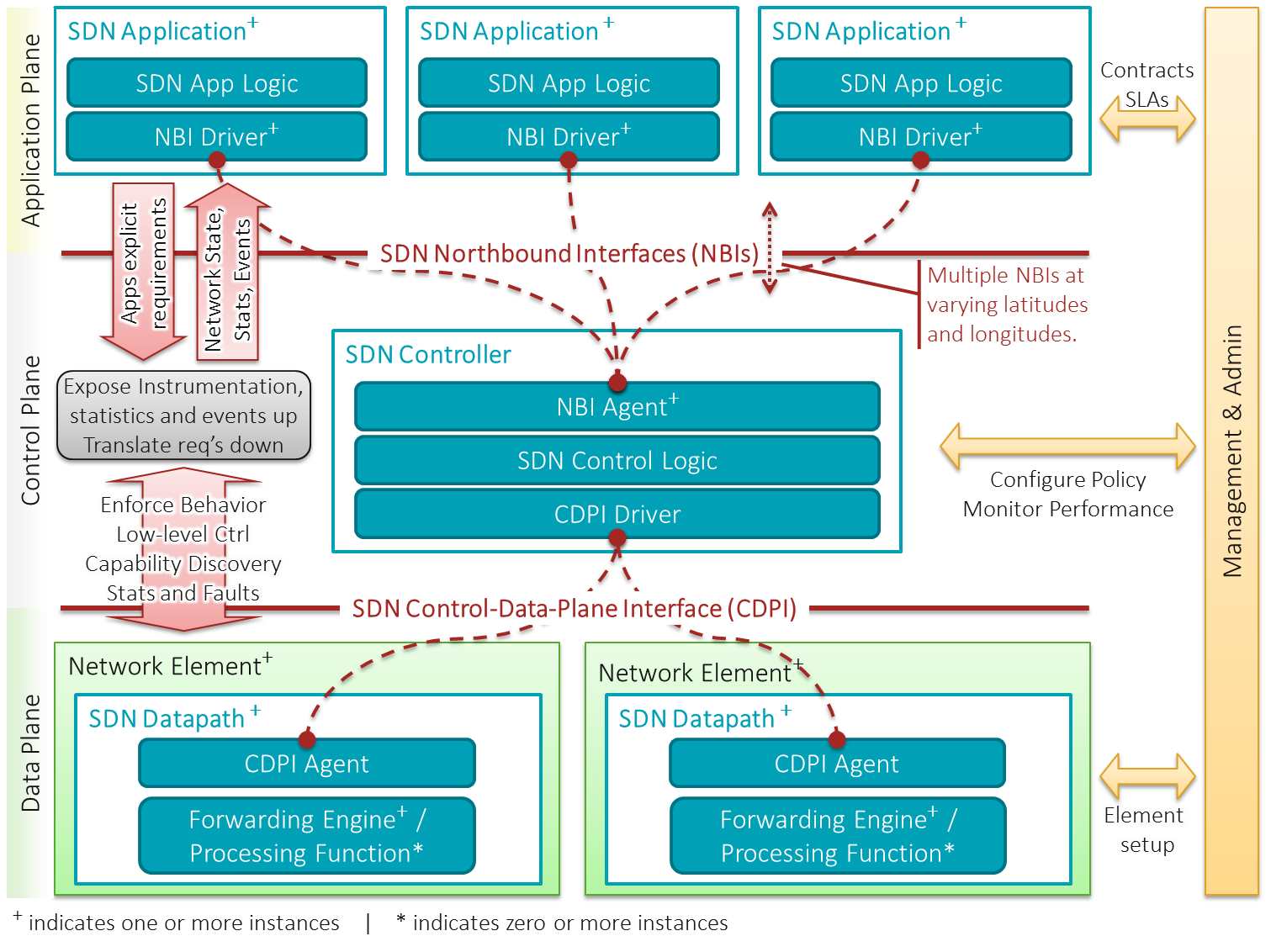
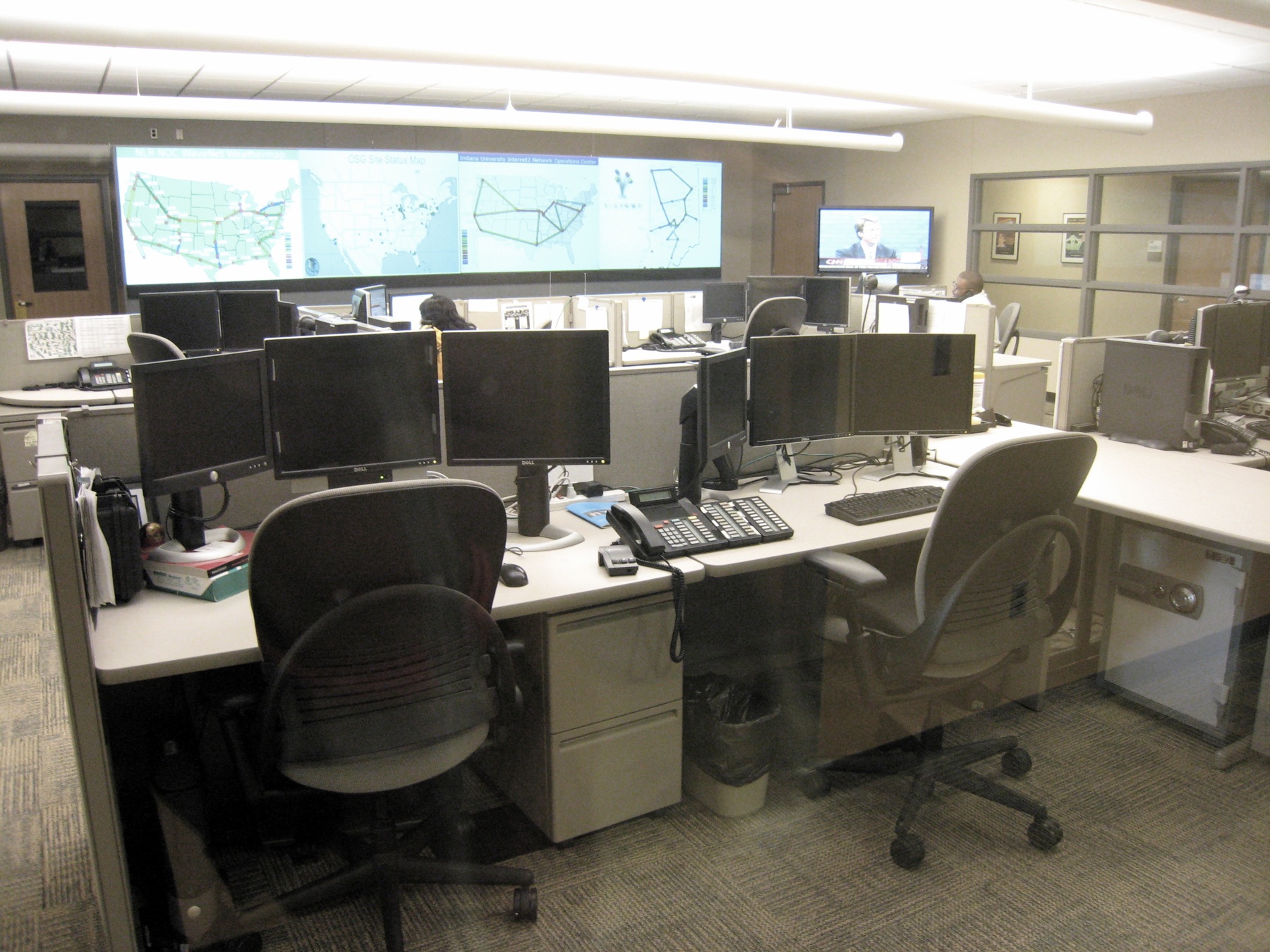
Why this matters to you: As a NOC analyst, you will rarely log into individual switches via SSH anymore. Instead, you will log into a dashboard powered by Northbound APIs to deploy policies, and the controller will use Southbound APIs to instantly program hundreds of switches on your behalf.
If SDN revolutionized the local area network and the data center, Software-Defined Wide Area Network (SD-WAN) applies these exact software-defined networking principles to geographic wide area networks.
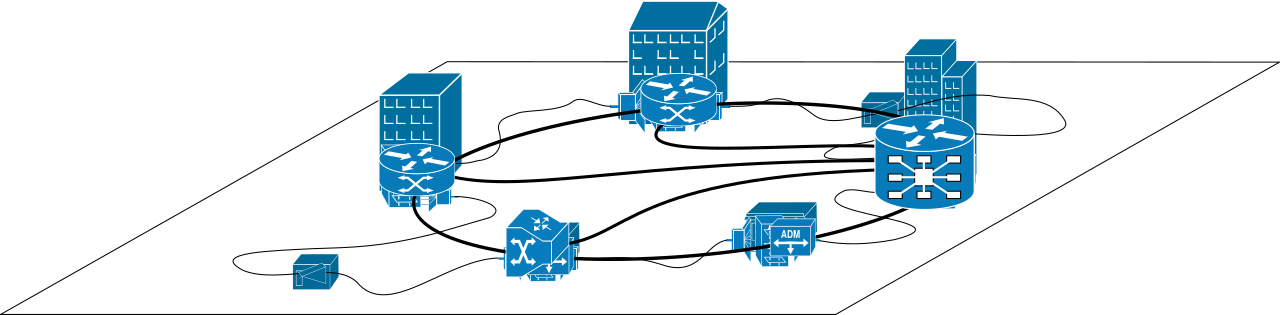
Historically, connecting branch offices required expensive, rigid leased lines like MPLS. SD-WAN changes the economic reality of networking. SD-WAN controllers aggregate multiple WAN connections to create a transport-agnostic overlay network. "Transport-agnostic" simply means the controller does not care what kind of wire is carrying the data. Under the hood, SD-WAN dynamically routes traffic across transport links such as MPLS, broadband, and cellular connections based on real-time network conditions. If the primary broadband connection suffers from high latency, the SD-WAN controller instantly reroutes critical traffic over a 5G cellular backup without dropping a single voice call.
This centralization also eliminates one of the biggest headaches in IT: deploying equipment to remote sites. In the past, deploying a branch router required an expensive network engineer to travel on-site with a console cable. Today, we use Zero-touch provisioning (ZTP), which automatically configures network devices upon initial boot and connection without manual command-line intervention.
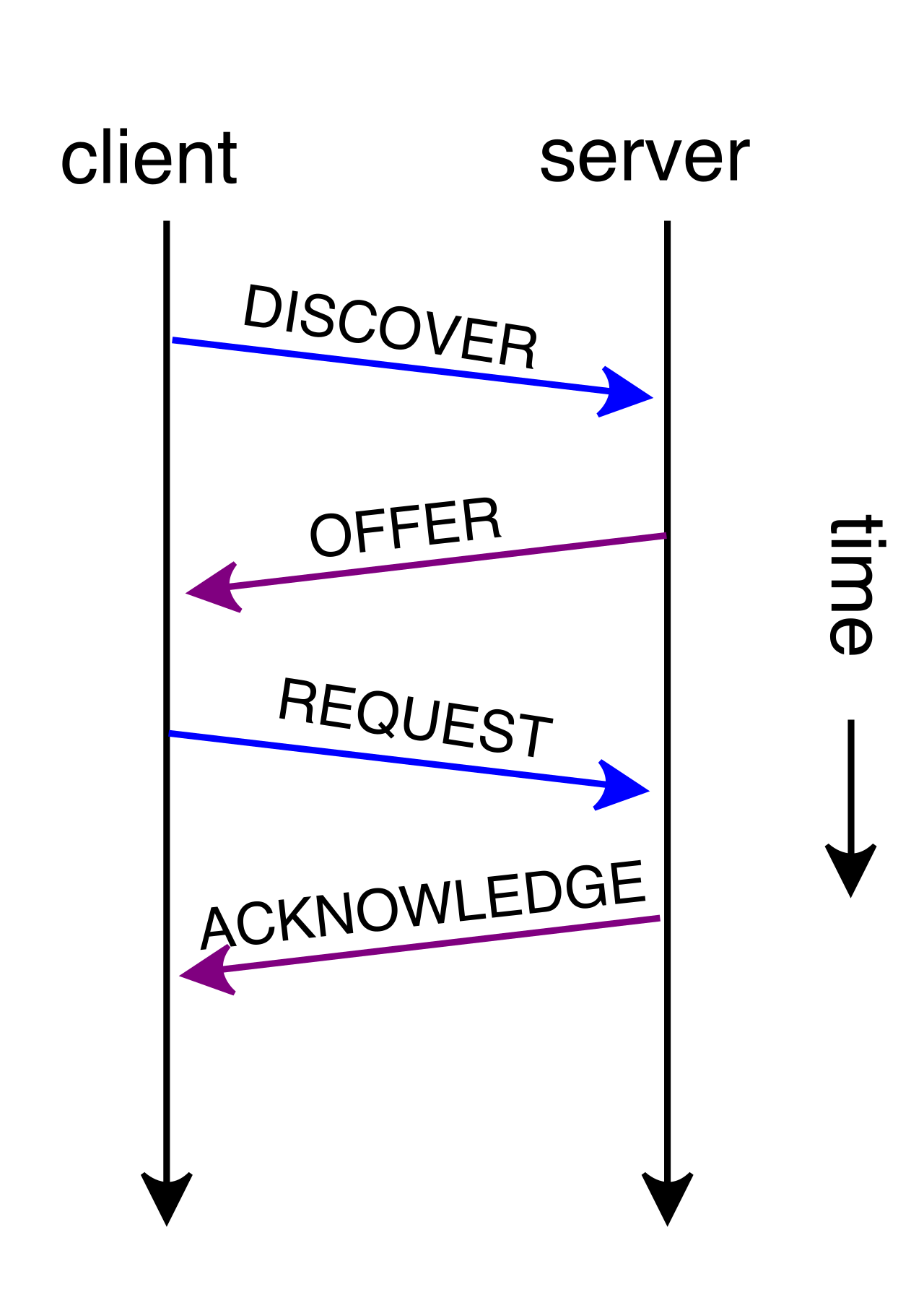
How does ZTP work in practice? When you ship an unconfigured SD-WAN appliance to a retail store, a cashier can plug it into the wall. Zero-touch provisioning (ZTP) frequently relies on DHCP options to direct a newly booted device to a central configuration server. The device requests an IP address, the DHCP server says, "Here is your IP, and by the way, your configuration file is waiting for you at this specific URL," and the device configures itself.
As networks grew, so did the limitations of our legacy protocols. For decades, we used VLANs (Virtual LANs) to separate traffic. However, traditional VLANs use a 12-bit identifier that limits the network to a maximum of 4,096 distinct segments. In a massive cloud data center hosting thousands of different client environments, 4,096 segments run out almost immediately.
The solution is the Virtual Extensible LAN (VXLAN). VXLAN overcomes this limitation because it uses a 24-bit identifier known as the VXLAN Network Identifier (VNI). Mathematically, this small increase in bit length is massive: The 24-bit VXLAN Network Identifier supports over 16 million distinct virtual network segments.
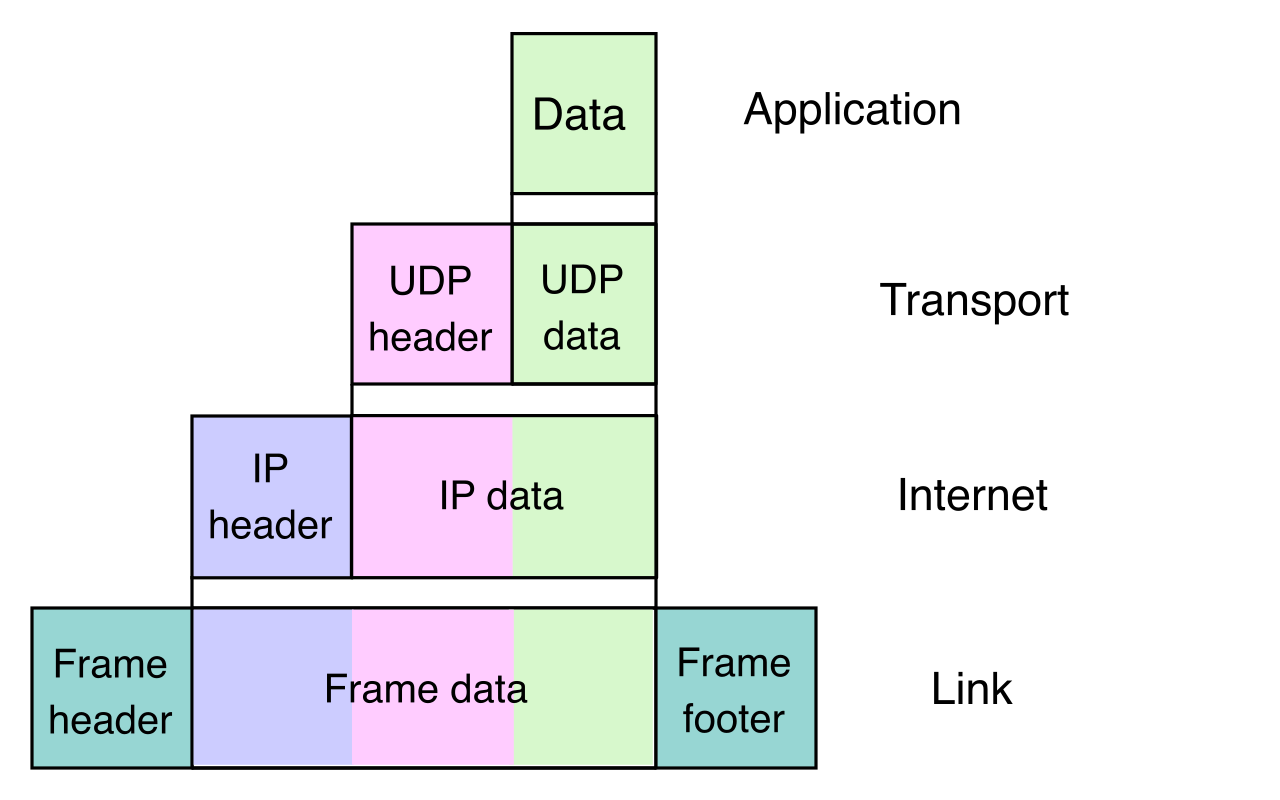
But VXLAN does more than just increase the ID space; it performs a neat architectural magic trick. VXLAN creates a virtual overlay network on top of a physical underlay network. To do this, VXLAN encapsulates Layer 2 Ethernet frames within Layer 4 UDP packets. By default, standard Virtual Extensible LAN (VXLAN) communication utilizes UDP port 4789.
Why wrap a Layer 2 frame inside a Layer 4 packet? Because routers normally block Layer 2 broadcast traffic. By hiding the Layer 2 frame inside a routable UDP packet, VXLAN transmits Layer 2 broadcast domains across routed Layer 3 networks to facilitate data center interconnects.
The Real-World Scenario: Imagine you need to migrate a live, running Virtual Machine from a data center in New York to a data center in London. If the VM's IP address changes, active connections will drop. VXLAN allows you to stretch the exact same Layer 2 subnet across the ocean over a Layer 3 internet connection. The VM moves, keeps its IP, and no one notices.
To perform this encapsulation, the network relies on a specific component: A VXLAN Tunnel Endpoint (VTEP) performs the encapsulation and decapsulation of VXLAN packets. Think of the VTEP as the shipping and receiving department. It takes the local Layer 2 frame, boxes it up in a UDP packet with a shipping label (IP header), and sends it across the data center. When the receiving VTEP gets the box, it opens it, extracts the original Layer 2 frame, and delivers it locally.
Traditionally, network security was built like a medieval castle. Firewalls acted as the moat; if you were outside the moat, you were considered an enemy. If you authenticated via VPN and crossed the drawbridge, you were completely trusted. This "castle-and-moat" model is terrifyingly vulnerable today because once a hacker breaches the perimeter, they have free rein to move laterally across the network.
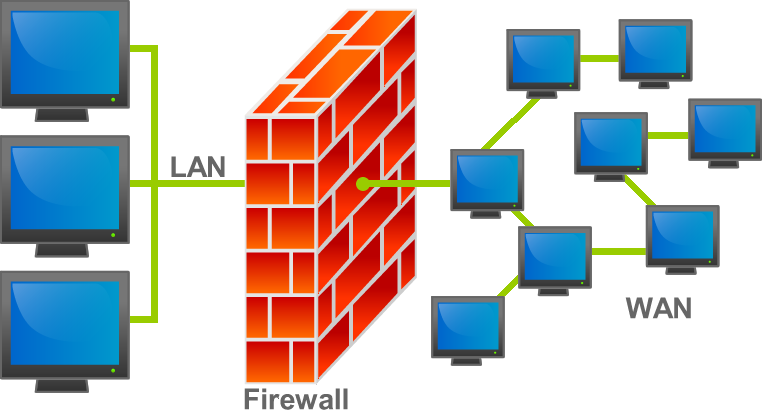
Modern security relies on Zero Trust Architecture (ZTA). The core philosophy is simple: Zero Trust Architecture (ZTA) operates on the principle that no user or device is trusted by default regardless of network location. It fundamentally assumes the internal corporate network is just as hostile as the external public internet.
Because trust is never granted purely by location, Zero Trust Architecture (ZTA) requires continuous authentication and authorization for every application access request. You don't just log in once in the morning; your device health, location, and identity are verified in the background every single time you attempt to open an internal app or access a file.
Granular Defense: Micro-segmentation and ZTNA
To enforce Zero Trust on the network level, administrators utilize micro-segmentation, which divides a network into highly granular security zones to prevent lateral movement by malicious actors. Instead of one giant trusted VLAN, every server or virtual machine is placed in its own isolated zone. If a hacker compromises an email server, micro-segmentation acts like watertight doors on a submarine, preventing the breach from flooding the payroll servers.
Furthermore, how users access resources has fundamentally changed. Instead of giving users a VPN that places them on the whole network, Zero Trust Network Access (ZTNA) grants user access to specific requested applications rather than providing broad access to an entire network. It is the difference between giving a contractor a master key to your entire office building versus a keycard that only opens the specific conference room they need.
The Convergence of Cloud and Security: SASE and SSE
As applications moved to the cloud, routing all remote branch traffic back to a centralized corporate firewall before sending it to the internet became incredibly inefficient. The industry responded by merging SD-WAN and cloud security into unified frameworks.
Secure Access Service Edge (SASE) is the ultimate realization of this trend. SASE is a cloud architecture model combining wide area networking capabilities with cloud-native security functions. Instead of buying separate SD-WAN routers and physical firewalls, Secure Access Service Edge (SASE) integrates SD-WAN with security tools like Cloud Access Security Brokers (CASB) and Secure Web Gateways (SWG), delivering it all from the cloud edge.
However, not every organization wants to rip out their existing WAN routers. If an enterprise wants the modern cloud security controls of SASE but wants to handle their own routing, they opt for an SSE. Security Service Edge (SSE) provides cloud-delivered security services without the network routing capabilities found in SASE. It is essentially the security half of the SASE equation, decoupled from the networking half.
As an IT professional, mastering these concepts—how SDN separates the brain from the brawn, how VXLAN bends space to connect data centers, and how Zero Trust assumes everywhere is hostile—will empower you to design, troubleshoot, and secure the modern enterprise network.