Records, Reconciliation and Bills
A client's money and a firm's money are chemically distinct substances that must never be allowed to mix, and the entire architecture of solicitors' accounting exists to prove, on demand, that they haven't. This is not bureaucratic caution for its own sake — it is the mechanism by which a stranger can hand a solicitor hundreds of thousands of pounds to complete a house purchase and trust that the money will still be there, untouched by the firm's own financial fortunes, when it is needed. Understanding how that trust is built and verified is the whole of this topic.
Everything in solicitors' accounts flows from one rule in the SRA Accounts Rules 2019 (which replaced the SRA Accounts Rules 2011 and took effect on 25 November 2019): solicitors must keep client money separate from the firm's own business money at all times.
Client money is any money a firm holds or receives for a client, or for a third party in connection with regulated services, other than money due to the firm for its own costs.
Business money is money belonging to the firm itself — earned costs, office expenses, and profit.
The test is functional, not merely descriptive of the source. Money you are holding for someone else's benefit is client money; money that is yours to spend is business money. A client account — a bank or building society account used only for holding client money, kept separate from the firm's business account — is where the former lives, and client money must be paid into it without delay on receipt. Miss this distinction and every subsequent entry you make will be wrong, because the whole double-entry system below is really just this one rule, executed transaction by transaction.

A useful edge case sharpens the principle: a solicitor acting as a stakeholder — holding money on behalf of two or more parties pending the outcome of some condition (say, a deposit held pending exchange of contracts) — is holding stakeholder money, and this too counts as client money. The solicitor has no beneficial claim to it; it belongs, contingently, to someone else. Similarly, where a firm receives a mixed payment that is part client money and part business money (for example, a client sends a single cheque covering an unbilled disbursement together with money on account of costs), the sensible default is to pay the whole sum into the client account — you can always transfer the business element out later once it is billed, but you cannot un-mix money that was wrongly banked into the business account.
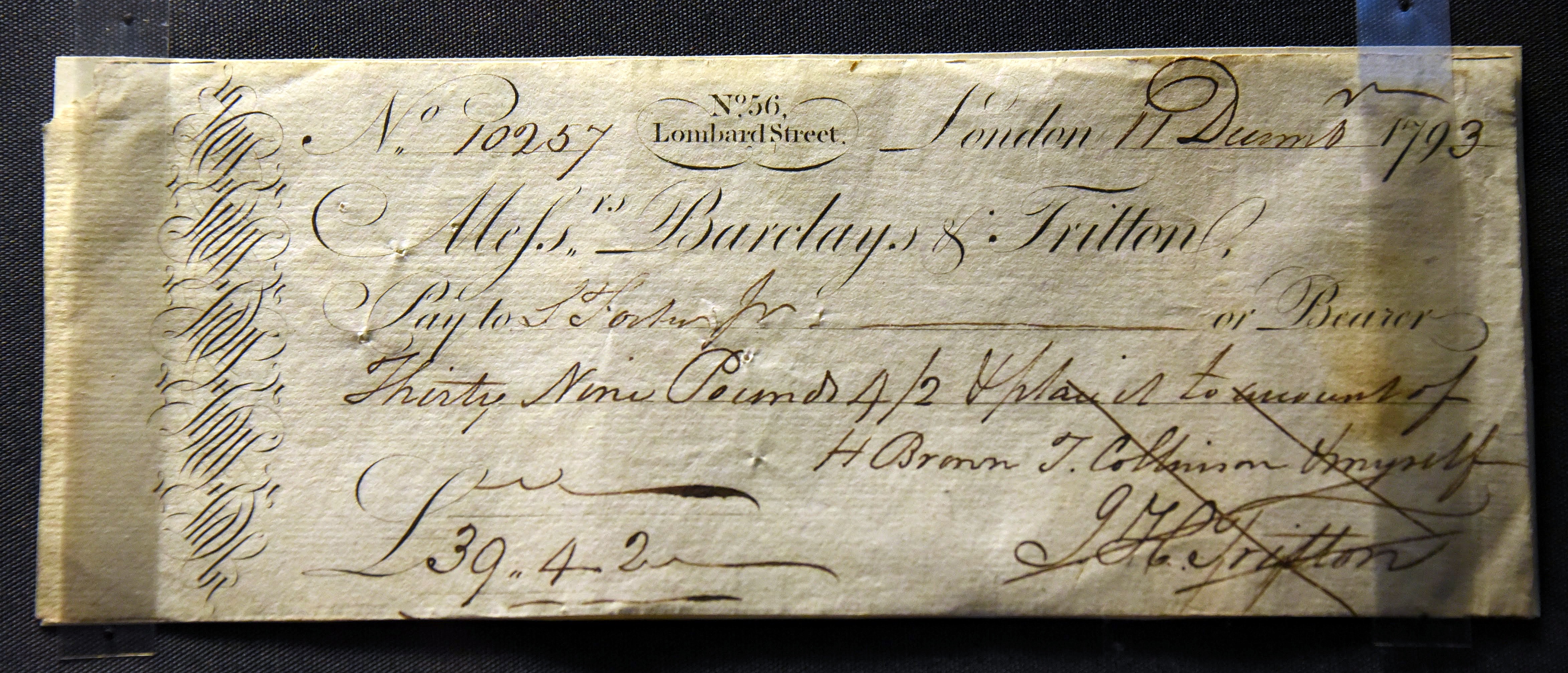
Every transaction in solicitors' accounts — indeed in any accounting system — is recorded using double-entry bookkeeping: every transaction produces one debit entry and one equal, corresponding credit entry. This is not a stylistic choice; it is a built-in check. Because debits and credits for every transaction must always balance to zero net effect, an accounting system that has been correctly maintained is self-verifying — if the books don't balance, you know immediately that an error has occurred somewhere.

What makes solicitors' accounts distinctive is that firms run two parallel sets of double-entry records side by side:
Because a firm typically handles many matters simultaneously, the ledger for each matter is built with two columns — a client account column and a business account column — mirroring the two separate sets of records within a single page. Think of it as two entirely separate accounting universes that happen to be recorded on the same piece of paper for convenience: money that belongs to the client lives in the client column, money that belongs to the firm lives in the business column, and the two must never be netted against each other.
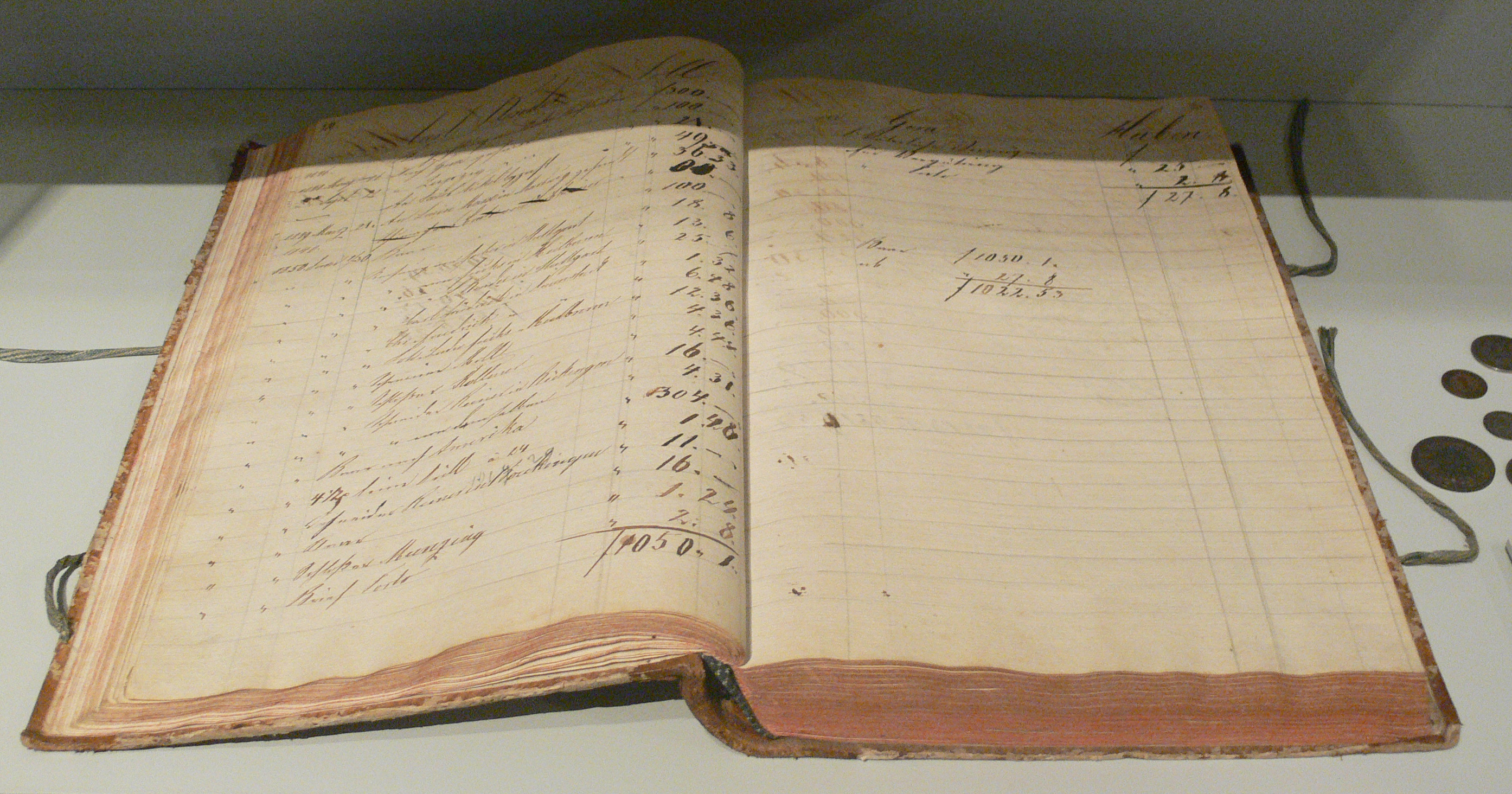
Recording the Basic Movements
The mechanics are consistent once you fix the pattern in your mind:
| Event | Cash account entry | Ledger entry |
|---|---|---|
| Receiving client money | Debit client cash account | Credit client column of the client ledger |
| Paying out of client account for the client | Credit client cash account | Debit client column of the client ledger |
| Receiving business money (e.g. payment of a bill) | Debit business cash account | Credit relevant ledger account |
| Paying an expense from the business account | Credit business cash account | Debit relevant expense or ledger account |
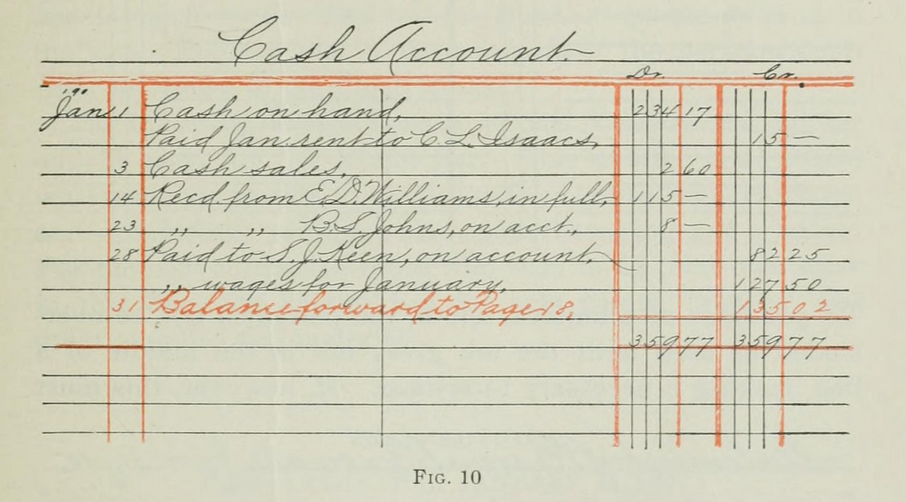
Notice the elegant symmetry: cash coming in is always a debit to the relevant cash account; cash going out is always a credit. The ledger entry is simply the mirror image, because every debit needs an equal credit somewhere. Once this pattern is automatic, you can work out the correct entries for almost any client transaction by asking two questions: which "universe" (client or business) does this money belong to, and is it coming in or going out?
When a solicitor finishes work (or reaches a billing point), a bill of costs is issued to the client. A bill typically comprises three components:
- Profit costs — the solicitor's charge for the professional work done, excluding VAT and disbursements.
- VAT on those profit costs, charged at the UK standard rate of 20%.
- Disbursements — expenses paid to third parties on the client's behalf (more on these below).
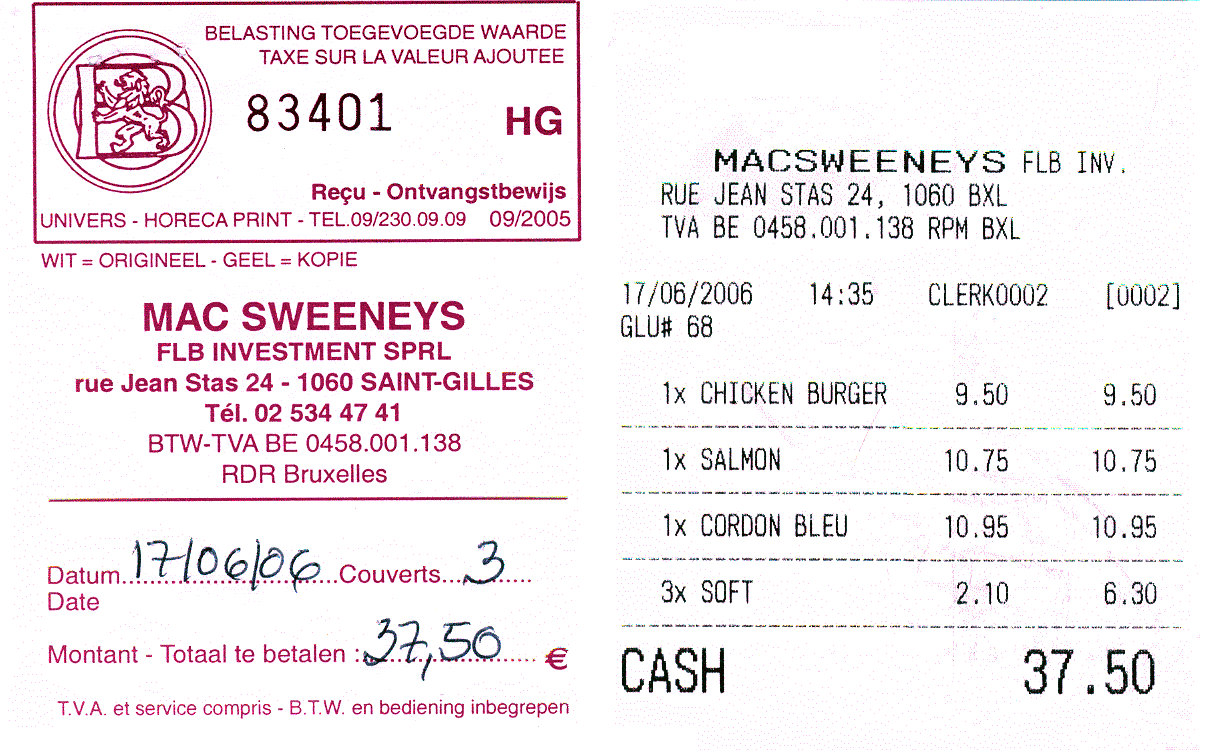
Crucially, delivering a bill for profit costs and VAT is an entirely business-side event. It has nothing to do with the client account, because the debt being created is owed to the firm, not held for the client. The entries are:
- Credit the firm's costs (income) account in the business ledger, for the profit costs.
- Debit the client's ledger account (business column), for the same amount — this records the debt now owed by the client.
- Credit the HMRC VAT account in the business ledger, for the VAT charged.

Once delivered, the entire billed sum — profit costs, VAT, and disbursements together — becomes a debt due to the firm, no longer client money, even though moments earlier related funds might have been sitting in the client account.
Splitting a Bill
Where a bill contains disbursements handled under different VAT treatments (agency and principal — explained next), the bill can be split so the principal-method items are shown separately from the agency-method items, keeping the VAT treatment transparent to the client and to HMRC.
A disbursement is an expense the solicitor pays to a third party on the client's behalf during a matter — a court fee, a search fee, an expert's charge. Disbursements paid from the client account are recorded through the client ledger first (as an ordinary client-account payment out) before being reflected on the eventual bill.
The tricky part — and the part SQE1 loves to test with scenario questions — is whether VAT gets added a second time when the solicitor re-charges the disbursement to the client. This turns on whether HMRC treats the item as a genuine disbursement for VAT purposes, and two competing methods describe how a solicitor might treat the same payment.
Agency method: the disbursement is treated as a supply made directly to the client, with the solicitor acting merely as the client's paying agent — essentially a "post box" passing the payment through. Because VAT was already charged by the third-party supplier, an agency disbursement paid before delivery of the bill can be passed on to the client without the firm adding VAT again. A standard-rated disbursement handled this way is simply re-billed at the same VAT-inclusive figure originally paid.
Principal method: the disbursement is treated as a cost the solicitor incurred as part of its own supply of services to the client. Here the solicitor is not a mere conduit — it has used the third-party supply as an input into its own work. Because the item forms part of the solicitor's taxable supply, VAT is chargeable on the full amount when the item is billed to the client.
HMRC does not simply take a solicitor's word for which category applies; it looks at a set of indicating factors to decide whether an expense genuinely qualifies as a disbursement — including title (who has legal title to the item purchased), the identity of the supply (is it clearly identifiable as something bought for the client rather than folded into the solicitor's own service), whether the cost is separately identified on the bill, and whether the solicitor had the client's authorisation to incur it as their agent. The unifying question underneath all these factors is simple: was the underlying supply made to the client, with the solicitor acting merely as the client's known representative in paying for it — or did the solicitor use that third-party supply as an ingredient of its own service? If it's genuinely the former, agency treatment (no extra VAT) applies. If the solicitor folded the item into its own work — say, using a expert report as part of preparing its own advice — the item forms part of the solicitor's taxable supply, and VAT is due on the full re-billed amount.
Not every small cost needs this careful treatment. Petty disbursements incurred without a specific, identifiable client charge — ordinary postage stamps, for instance — are typically absorbed into the firm's overheads rather than itemised as chargeable disbursements at all; they are simply too trivial and too generic to attribute to any one client.

Once a bill has been delivered and the amount owed has become a business debt, a firm may transfer money already held in the client account for that matter to the business account, to settle it. Two constraints govern this transfer:
- The transfer must not exceed the amount of the bill delivered to the client. You cannot help yourself to more than what has actually been billed, however much client money happens to be sitting in the account.
- If the client's ledger balance in the client account is insufficient to cover the whole bill, the firm may only transfer the amount actually held. The unpaid balance is left standing as an ordinary business debt owed by the client — it does not create any entitlement to dip into another client's funds to make up the shortfall.
The transfer itself is recorded across both universes simultaneously:
- Credit the client cash account and debit the client column of the ledger (money leaving the client side).
- Debit the business cash account and credit the business column of the ledger (the same money arriving on the business side, satisfying the debt).
This four-legged entry is a good test of whether you have truly internalised the two-ledger system: a single economic event — "the bill has been paid from money already held" — produces four bookkeeping entries because it touches both the client universe and the business universe at once.
A more general rule underlies every payment out of a client account: a withdrawal can only be made for a specific client if there are sufficient client funds held for that client to cover it. A firm cannot run an "overdraft" on one client's ledger by drawing on the pooled balance of the general client account — doing so would mean using one client's money to cover another client's shortfall, which is precisely the kind of cross-contamination the whole system is designed to prevent.
This is why a debit balance on the client side of a client ledger — meaning the ledger shows money owed to the firm from what should be a client-holding account, rather than money held for the client — is a serious red flag. It indicates a breach requiring immediate investigation, because it can only arise if client money belonging to other matters has effectively been used to fund the shortfall.
As a matter of general position, interest earned on a general client account belongs to the firm, not to individual clients — the bank pays interest on the pooled balance, and tracking a proportional share to each matter would be impractical. However, this does not mean clients get nothing: firms must still account to the client for a fair sum of interest under their own interest policy where money has been held for the client for a meaningful period. The rule is a pragmatic compromise between administrative simplicity (pooled interest to the firm) and fairness (a policy-based payment where warranted) — and firms must publish and follow a consistent interest policy rather than deciding case by case.

None of the above is worth anything if it cannot be independently verified, which is why client account reconciliation sits at the center of solicitors' accounting compliance. Reconciliation is the process of comparing three figures that, in a correctly run system, must always agree:
- The client bank statement balance (what the bank says is actually in the account).
- The client cash account balance (the firm's own cash-book record of client money).
- The total of all individual client ledger balances (the sum of what is supposedly held for each separate client).

A client account reconciliation confirms that the total of all individual client ledger balances equals the client cash account balance and the client bank statement balance, adjusted for any uncleared items (cheques written but not yet cleared, or deposits not yet credited by the bank).
If all three figures agree once uncleared items are accounted for, the firm has strong evidence that its records are accurate and that no client money has gone astray. If they don't agree, something has gone wrong — a misposting, a missed entry, or worse, a genuine shortfall — and it needs to be found immediately.
Under the SRA Accounts Rules 2019, firms must carry out this reconciliation at least every five weeks, and — reflecting the SRA's concern that oversight was sometimes too delegated within firms — the reconciliation record must be signed off by the firm's COFA (Compliance Officer for Finance and Administration, the individual with formal responsibility for the firm's compliance with the Accounts Rules) or a manager of the firm. This sign-off requirement means the COFA or manager cannot later claim ignorance of a problem that a properly performed reconciliation would have revealed. Notably, this five-week requirement is not limited to the firm's general client account: it applies equally to accounts operated as a client's own account (an account in the client's own name over which the solicitor has some control), closing off what might otherwise be a convenient loophole.
Whatever the reconciliation turns up, the rule is unforgiving on timing: any discrepancy revealed must be investigated and resolved promptly — not filed away for the next accounting period.
Supporting the reconciliation is the trial balance, which lists all client ledger balances and all business ledger balances together to confirm that total debits equal total credits across the whole system. Because the double-entry principle guarantees that a correctly maintained set of books balances, a trial balance that fails to balance is an immediate signal that an entry has been recorded wrongly (or omitted) somewhere in either ledger — the reconciliation checks client money against external bank evidence, while the trial balance checks the internal arithmetic of the books themselves.
None of this checking is possible without disciplined underlying records. Firms must keep accounting records that show all dealings with client money and business money on a current, accurate, and chronological basis, and those records must distinguish client money from business money for each individual client and matter. Reconciliation and the trial balance are only as trustworthy as the entries feeding into them — which is exactly why the entry-level discipline covered earlier in this note (get the debit and credit right, in the right ledger, every single time) is the real foundation on which client protection rests.
Step back and the shape of the whole topic becomes clear: SQE1 tests this material not because examiners enjoy double-entry arithmetic for its own sake, but because a solicitor who cannot keep client money separate, correctly billed, and independently verifiable is a solicitor who cannot be trusted with other people's money — and trust with other people's money is close to the core of what it means to be a solicitor. Every rule here — the client/business split, the parallel ledgers, the VAT treatment of disbursements, the five-week reconciliation, the ban on borrowing from one client to cover another — is a specific technical answer to the same general question: how do we make it structurally impossible, or at least immediately detectable, for a firm to spend money that was never its own to spend?