NHRA Nursing Scope of Practice, Licensing & Professional Conduct (Bahrain)
Not sure you’re ready?
Take the ~3-minute readiness diagnostic and see where you stand.
A nursing license is not merely a bureaucratic certificate; it is a legally binding contract of trust between a healthcare professional and the public. In the Kingdom of Bahrain, the custodian of this trust is the National Health Regulatory Authority (NHRA). The National Health Regulatory Authority is the independent government body responsible for licensing all healthcare professionals in Bahrain. To fully grasp what is required to secure and maintain a nursing license in this jurisdiction, one must systematically understand the mechanisms of qualification, the rigorous parameters of the licensing examination, the legal boundaries of clinical practice, and the ethical bedrock upon which patient care is built.

For the internationally-educated nurse, navigating this system requires precise knowledge of the regulatory pathway. Every rule, from the duration of an eligibility number to the legal weight of delegating a task, exists to enforce a unified standard of patient safety.
Before a nurse can administer a single medication in Bahrain, their foundational qualifications must be scrutinized and verified. The NHRA manages this entire lifecycle through an official online portal. MEHAN is the official online portal used by the National Health Regulatory Authority for all healthcare professional licensing applications in Bahrain.
To be deemed eligible for licensure, an internationally educated nurse must satisfy the Professional Qualification Requirements (PQR). The PQR establishes a strict educational baseline: it mandates a recognized Bachelor of Science in Nursing or a minimum three-year Nursing Diploma. However, a degree alone is insufficient. The National Health Regulatory Authority requires international applicants to submit proof of relevant clinical experience completed in a licensed healthcare facility.
Furthermore, you must prove that you are a safe practitioner in your current jurisdiction. Foreign-trained nurses must hold a valid nursing license in the country of origin to be eligible for a National Health Regulatory Authority license, and a Good Standing Certificate from the original licensing authority is a mandatory document for the Bahrain nursing license application.
The Mechanism of Verification
Because global educational standards vary wildly, the NHRA relies on a process analogous to forensic accounting for your credentials. Internationally educated nurses must complete Primary Source Verification of professional qualifications and experience to work in Bahrain. This means an independent agency directly contacts the university that issued your degree and the hospital that issued your experience letter to confirm their authenticity.
- DataFlow is the primary agency used by the National Health Regulatory Authority to conduct Primary Source Verification of a candidate's credentials.
- Alternatively, the National Health Regulatory Authority accepts Quadrabay verification as an approved alternative to DataFlow for Primary Source Verification.
Once MEHAN processes the verified credentials, the Good Standing Certificate, and the clinical experience, the National Health Regulatory Authority issues a unique eligibility number to approved nursing candidates. Think of this number as a highly secure, time-sensitive boarding pass. An eligibility number from the National Health Regulatory Authority is absolutely required to book the Bahrain Nursing Licensure Examination, and it remains valid for a maximum of four months from the date of issue.
Passing the Bahrain Nursing Licensure Examination is a mandatory requirement to practice nursing in the Kingdom of Bahrain. The BNLE is designed not as a test of obscure medical trivia, but as an assessment of safe, effective clinical judgment in the context of Bahrain’s healthcare priorities.
Examination Logistics
The exam is standardized to ensure fairness and accessibility for an international cohort.
- The Bahrain Nursing Licensure Examination is a computer-based test administered through Prometric testing centers.
- It can be scheduled and taken at various global Prometric testing centers, allowing candidates to test in their home countries.
- The actual examination time for the Bahrain Nursing Licensure Examination is exactly two and a half hours.
Scoring and Strategy: A minimum score of 60 percent is required to pass the Bahrain Nursing Licensure Examination. Crucially for test-taking strategy, there is no negative marking for incorrect answers. Therefore, candidates should mathematically optimize their chances by ensuring every question is answered, relying on clinical deduction when uncertain.
The Limits of Attrition
The NHRA provides a structured framework for re-examination, balancing opportunity with the need for clinical competency. A candidate is allowed a maximum of four consecutive attempts to pass the Bahrain Nursing Licensure Examination within three years of the first attempt.
If a candidate exhausts these attempts, the regulatory system demands remediation before further testing. Failing the Bahrain Nursing Licensure Examination four times requires the candidate to undergo a minimum of six months of training in an accredited facility. Completing this six months of mandatory clinical training grants a candidate two additional attempts to pass.
Curricular Emphasis
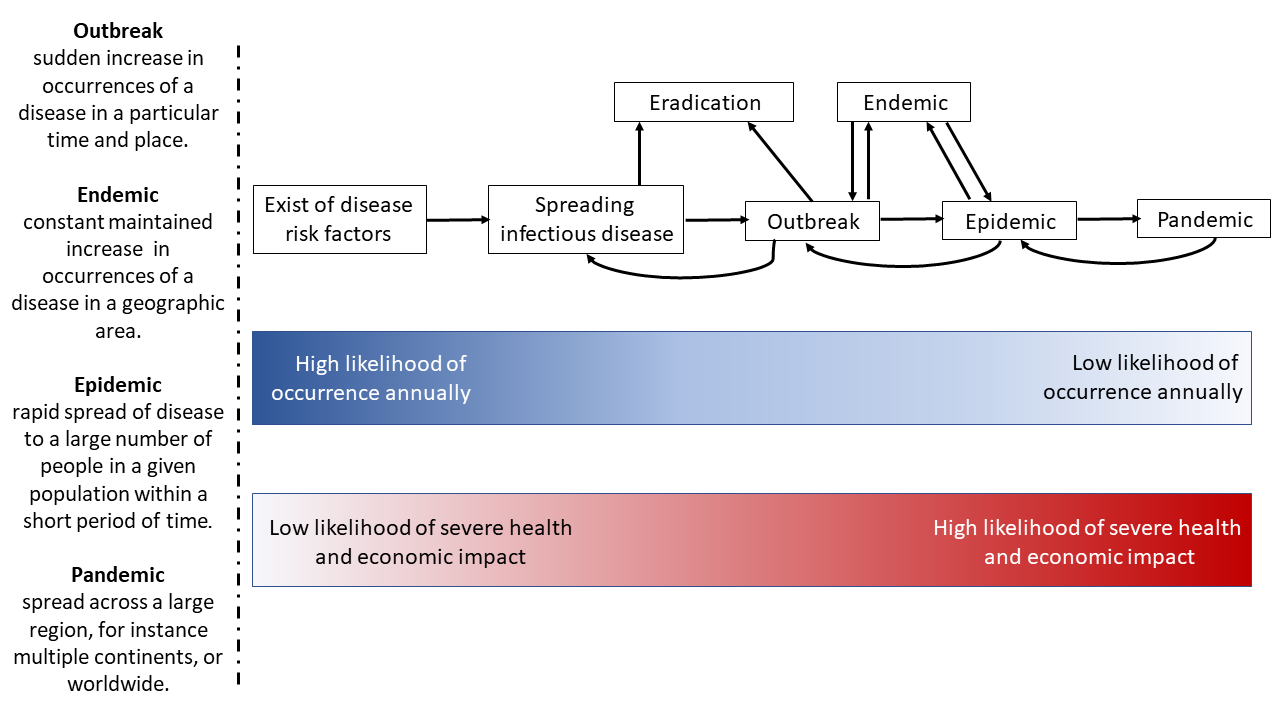
To succeed on the BNLE, a candidate must align their study with the systemic goals of Bahrain’s healthcare infrastructure. The examination places heavy emphasis on Fundamentals of Nursing and Community Health to align with primary healthcare delivery goals. In modern healthcare, stopping an outbreak is as vital as treating it. Consequently, questions on infection control practices are highly prioritized on the Bahrain Nursing Licensure Examination due to strict national prevention standards.
Note: Achieving a passing score on the BNLE is a monumental step, but it is not the final one. A passing score on the Bahrain Nursing Licensure Examination requires final employer activation to become a fully valid nursing license.
Once licensed, a nurse operates under strict legal categories. The National Health Regulatory Authority classifies standard registered nurses under the official licensing title of General Nurse. Healthcare facilities in Bahrain are legally prohibited from employing a nurse at a higher clinical category than the category assigned by the National Health Regulatory Authority. Should a nurse wish to advance, applying for license re-categorization in Bahrain requires a formal competency letter from nursing administration and proof of additional qualifications.
The distinction between nursing categories is not merely semantic; it dictates the legal limits of clinical action.
| Clinical Category | Scope of Practice and Autonomy |
|---|---|
| General Nurse | Has the independent authority to perform nursing interventions and administer medications within the established professional scope of practice. Fully responsible for verifying the rights of medication administration before giving any drug. Legally accountable for the outcomes of any clinical tasks delegated to a Healthcare Assistant. |
| Practical Nurse | The NHRA mandates that Practical Nurses cannot work independently in any clinical setting. They must work strictly under the direct supervision of a registered General Nurse or Midwife. Cannot be assigned to perform complex independent clinical assessments or develop patient care plans. |
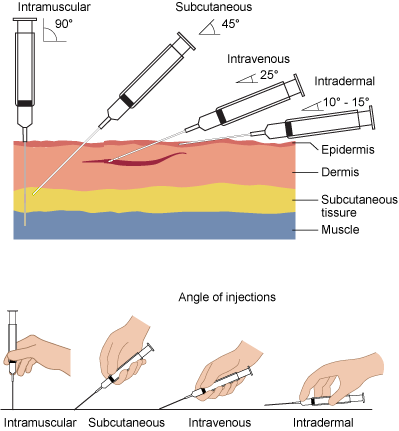
Consider the dynamic of a busy medical ward. When a General Nurse asks a Healthcare Assistant to ambulate a patient, the General Nurse retains legal accountability for the outcome of that delegated task. Similarly, if a Practical Nurse is assigned to a patient, the supervising General Nurse must synthesize the clinical data, because the Practical Nurse lacks the regulatory authority to perform complex independent assessments.
Even for those who leave the bedside, the regulatory tether remains. Nurses employed in indirect care roles such as administration or education must still maintain an active National Health Regulatory Authority license.
A license is a living document that requires continuous upkeep to remain valid. A National Health Regulatory Authority nursing license can be renewed for a maximum period of up to five years at a time.
To secure this renewal, the NHRA demands proof of ongoing professional competence and physical capability:
- Continuous Learning: An active National Health Regulatory Authority license requires the completion of mandatory Continuing Professional Development (CPD) hours for renewal.
- Physical Competence: The National Health Regulatory Authority requires nurses to submit a new health fitness certificate every three years to maintain licensure.
- Clinical Currency: The profession evolves rapidly. Therefore, nurses with a significant gap in clinical employment must fulfill specific discontinuity of practice requirements before the Bahrain nursing license can be renewed.
Clinical knowledge without ethical application is dangerous. To govern the moral dimensions of practice, the National Health Regulatory Authority Code of Professional Conduct acts as the mandatory ethical guide for all healthcare providers in Bahrain. This Code applies equally to healthcare professionals in both public and private sectors.
Core Tenets of the Code
The primary priority established by the National Health Regulatory Authority Code of Professional Conduct is the safe and effective care of the patient. Every intervention, delegation, and documentation entry flows from this singular directive.
Working in Bahrain requires profound respect for the local demographic context. Healthcare providers in Bahrain are required to respect patients' dignity while demonstrating awareness of local cultural and Islamic religious values. This shapes everything from how physical examinations are conducted to how dietary choices are managed.
Key legal and ethical mandates include:
- Informed Consent: Paternalism in medicine is obsolete. Healthcare providers must obtain explicit informed consent from patients prior to providing treatment or medical interventions in Bahrain.
- Confidentiality: Patient privacy and strict confidentiality of medical records are legally mandated by the National Health Regulatory Authority.
- Infectious Disease Control: Proper handling and care of patients with infectious diseases is a specific duty outlined in the National Health Regulatory Authority Code of Professional Conduct, echoing its heavy emphasis on the licensure exam.
- Emergency Duty: The mandate to preserve life supersedes commerce. Emergency care provision is a fundamental duty outlined in the National Health Regulatory Authority Code of Professional Conduct regardless of a patient's financial status.
Accountability and Error Management
Human error is an inevitable facet of healthcare, but the covering up of error is a punishable offense. The National Health Regulatory Authority mandates that nurses must promptly report any adverse events or medical errors to the designated facility management. Transparency is engineered into the system to prevent systemic recurrence.
Furthermore, a nurse's digital footprint is subject to the same rigorous standards as their clinical footprint. The National Health Regulatory Authority code strictly regulates a healthcare professional's use of social media regarding patient information and medical advertisements. Even seemingly innocuous posts that inadvertently reveal patient locations or conditions represent severe breaches of confidentiality.
Navigating Dilemmas and Disciplinary Action
In the crucible of a hospital ward, ethical pathways are not always clear. When faced with an ethical dilemma, a nurse must consult the Code of Professional Conduct and discuss alternative solutions with the patient. It is an active, collaborative process rather than a dictatorial one. Furthermore, nurses are required by the National Health Regulatory Authority to maintain professional respect and ethical communication with all healthcare colleagues, ensuring interdisciplinary friction does not compromise patient care.
If a practitioner deviates from these established norms, the burden of proof rests entirely upon their shoulders. Nurses must be prepared to legally explain and justify any conduct that departs from the National Health Regulatory Authority Code of Professional Conduct. The regulatory body's tolerance for ethical violation is exceedingly low. Serious or repeated failures to meet the National Health Regulatory Authority ethical standards can result in the immediate revocation of a nursing license.
By mastering the mechanisms of the NHRA—from the MEHAN application portal to the strict boundaries of clinical delegation and professional conduct—internationally educated nurses transition from being mere test-takers to highly accountable, highly valued pillars of the Bahraini healthcare system.