Basic Sciences
Not sure you’re ready?
Take the ~3-minute readiness diagnostic and see where you stand.
Imagine the human body as an incredibly sophisticated, self-correcting biochemical engine operating in a constantly fluctuating environment. Every single cell in your patient's body is a microscopic factory requiring a continuous supply line of oxygen and nutrients, while simultaneously generating toxic waste that must be immediately expelled. The overarching, non-negotiable directive of this entire system is homeostasis—the maintenance of a stable internal physiological environment in the body despite external changes.
Whether you are managing a severe respiratory infection in an intensive care unit in Riyadh or monitoring a postoperative patient on a surgical ward in Jeddah, clinical nursing is fundamentally the science of understanding, monitoring, and restoring this delicate homeostatic balance. To pass the SNLE and, more importantly, to become an elite clinician, you cannot simply memorize random facts. You must understand how the machine works.
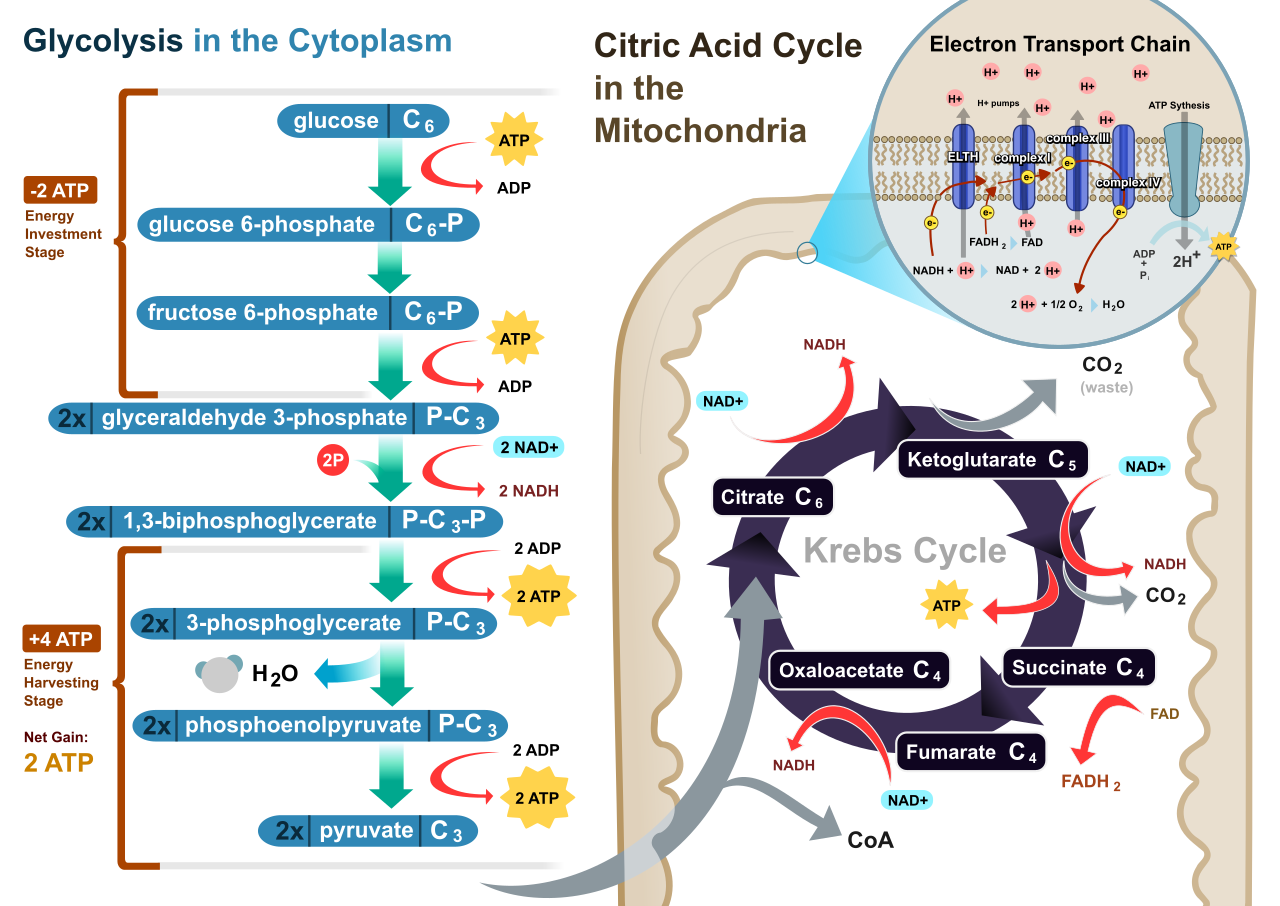
At the very foundation of human physiology is how we generate energy. The cells in your body rely on cellular respiration, which is the essential metabolic process that specifically uses oxygen to convert simple glucose into adenosine triphosphate (ATP). ATP is the molecular currency of energy.
But what happens when a patient goes into shock or their airway is compromised? When oxygen delivery fails, the body must still survive. It switches to a backup generator: anaerobic cellular metabolism. This process occurs entirely without oxygen and produces toxic lactic acid as a primary metabolic byproduct. This is exactly why you draw serum lactate levels in a septic patient; rising lactic acid tells you the cellular engines are starving for oxygen.
The Hypothalamic Thermostat
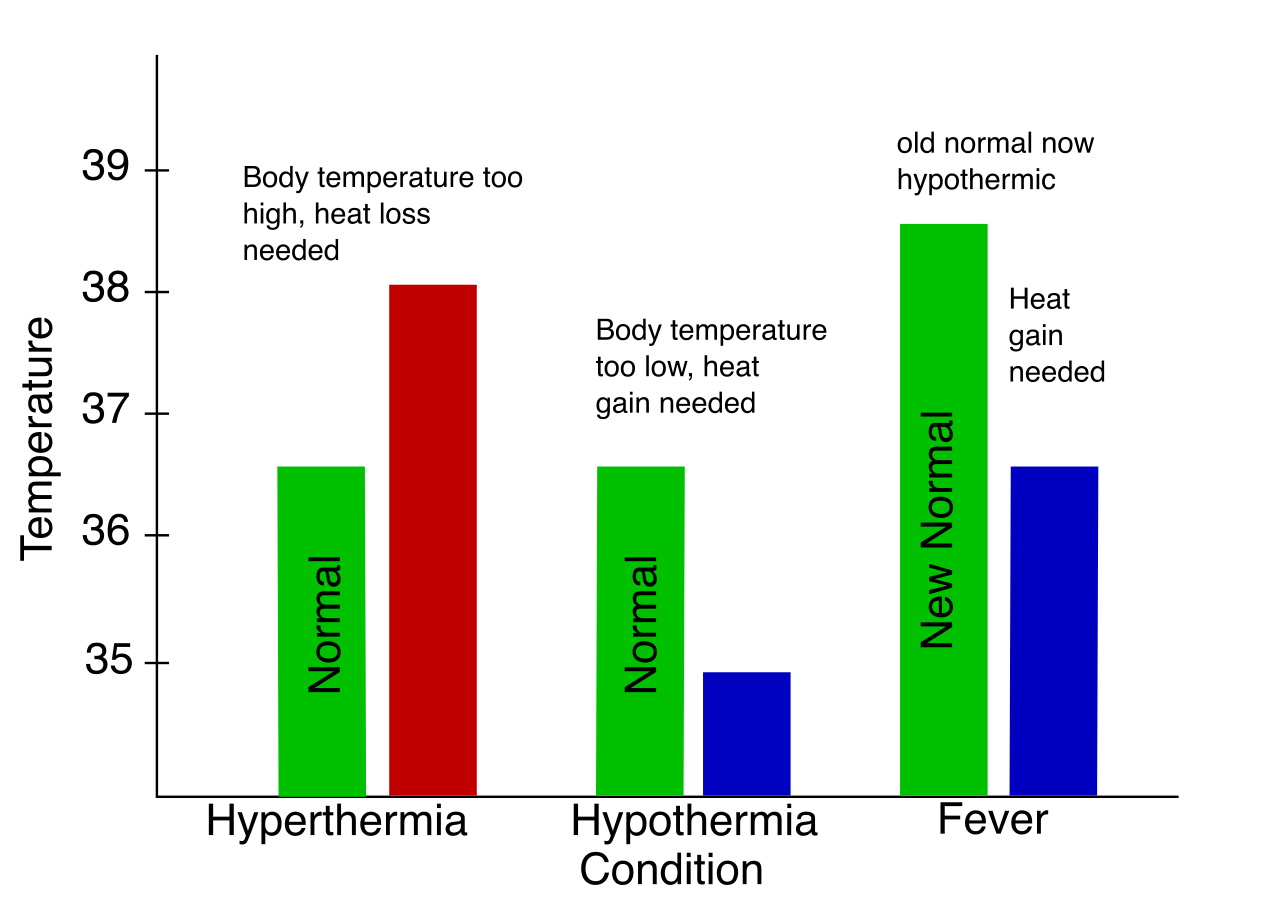
All of these biochemical reactions require a very specific operating temperature. Normal human core body temperature is approximately 37 degrees Celsius.
The brain's master thermostat—the hypothalamus—regulates human body temperature. When your patient develops an infection, the immune system releases chemical signals called internal pyrogens. Fever occurs when internal pyrogens elevate the hypothalamic temperature set-point, forcing the body to generate heat to reach this new, higher target to burn out the infection. On the opposite end of the spectrum, environmental exposure or massive trauma can lead to severe cooling. Clinical hypothermia is officially defined as a core human body temperature dropping below 35 degrees Celsius, a state where metabolic enzymes critically slow down, leading to coagulopathies and cardiac arrhythmias.
To deliver oxygen and glucose to the tissues, the body uses a brilliant plumbing system. Adequate tissue perfusion relies on sufficient cardiac output and intact systemic vascular resistance.
Let us break down the mathematics of blood flow:
Cardiac Output (CO) = Heart Rate (HR) × Stroke Volume (SV) Cardiac output is the mathematical product of heart rate and stroke volume (the amount of blood ejected with each beat).
Blood Pressure (BP) = Cardiac Output (CO) × Systemic Vascular Resistance (SVR) Systemic blood pressure is accurately determined by multiplying total cardiac output by systemic vascular resistance (the tension of the blood vessels).
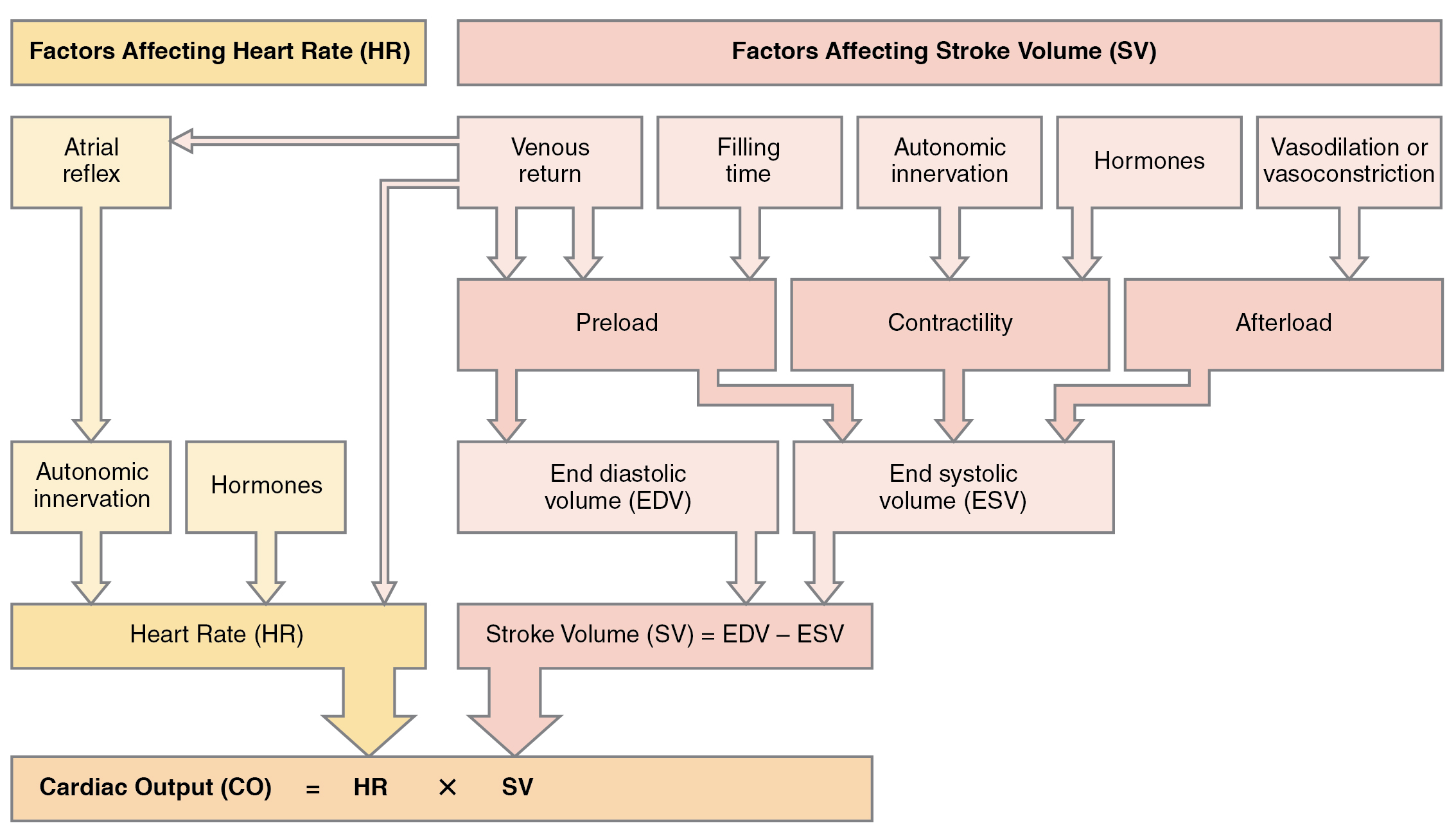
If a patient comes into your emergency department with massive bleeding, they have an intravascular fluid volume deficit. Because there is less fluid, stroke volume drops. To maintain cardiac output and blood pressure, the brain pulls a compensatory lever. Thus, an intravascular fluid volume deficit predictably leads to a decreased blood pressure and a compensatory increased heart rate (tachycardia).
The Heart's Electrical Wiring
The heart does not wait for the brain to tell it to beat. The sinoatrial (SA) node functions as the primary natural pacemaker of the human heart, automatically firing electrical impulses to orchestrate the mechanical squeeze.
Autonomic Control: Two Sides of the Coin
The autonomic nervous system tunes the cardiovascular engine based on the environment:
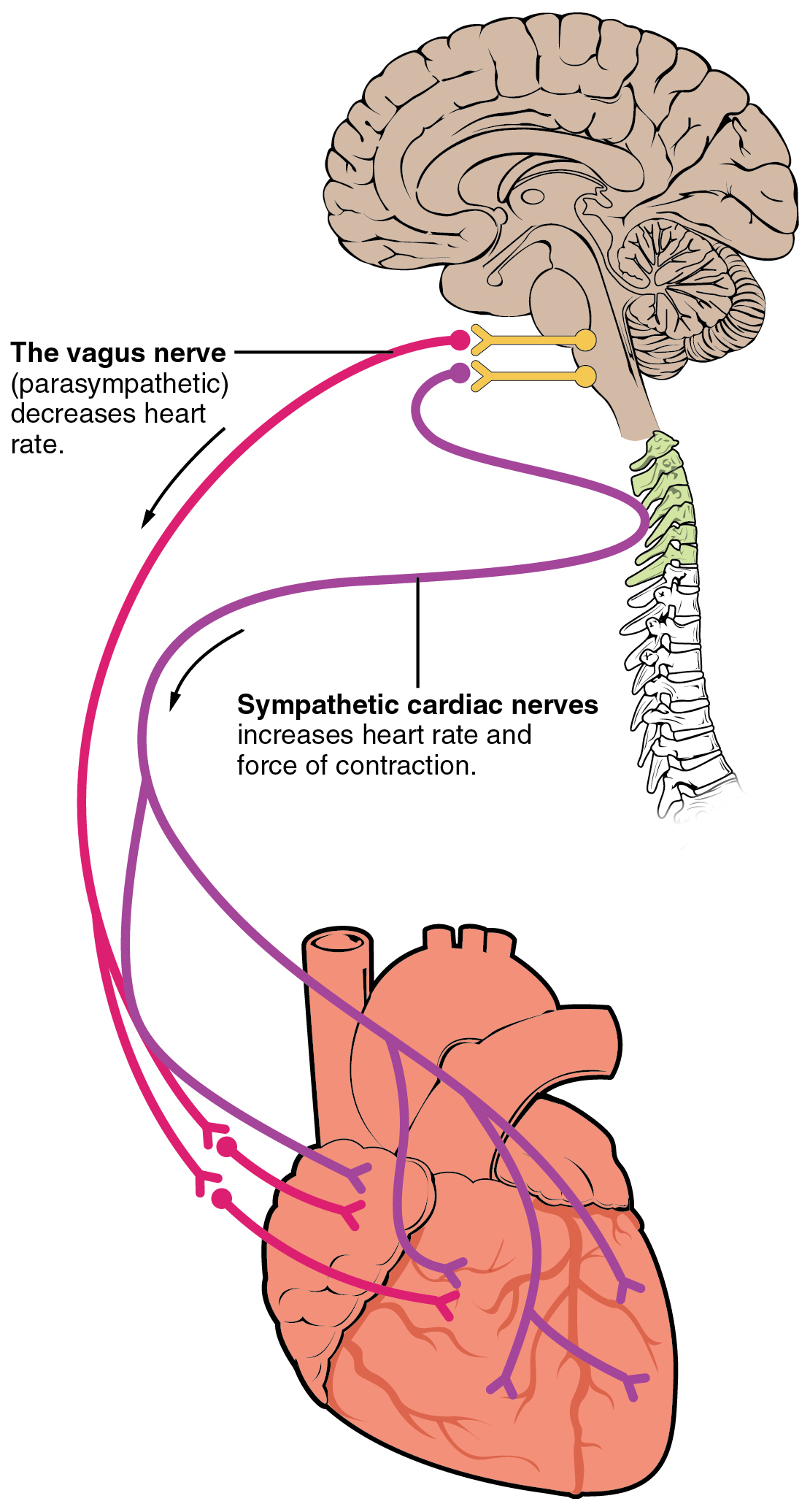
- The sympathetic nervous system chemically triggers the physiological "fight-or-flight" stress response. If a patient is crashing, sympathetic nervous system activation reliably causes clinical tachycardia (to pump more blood) and pulmonary bronchodilation (to pull in more oxygen).
- Conversely, the parasympathetic nervous system actively promotes calming "rest-and-digest" physiological activities. Parasympathetic nervous system activation reliably causes clinical bradycardia and strongly stimulates gastrointestinal motility.
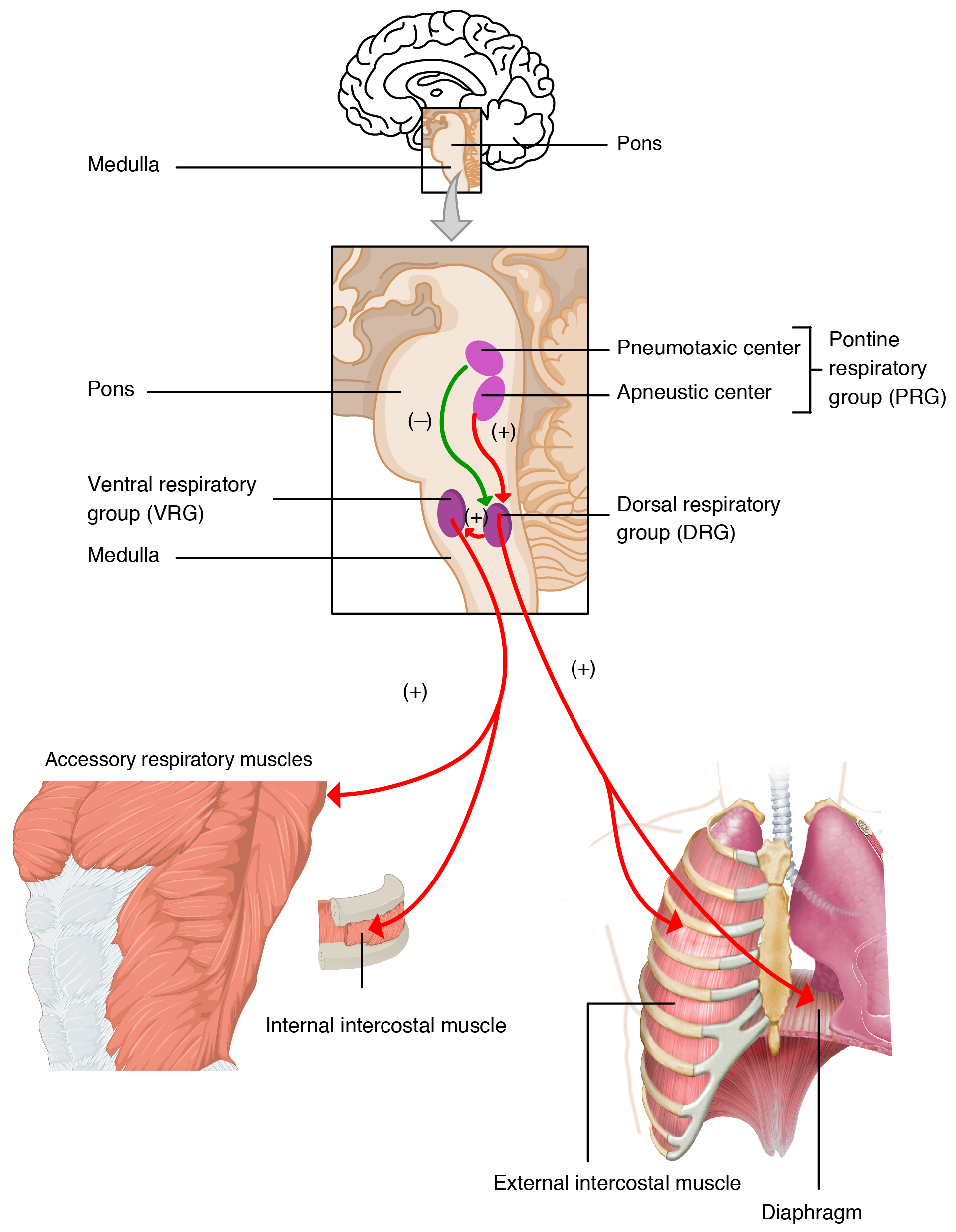
While the heart pumps, the lungs filter and exchange. The primary respiratory drive in healthy individuals is stimulated by elevated carbon dioxide (CO2) levels in the circulating blood. You do not breathe because you lack oxygen; you breathe because your brain detects rising CO2. Specifically, the medulla oblongata in the brainstem directly controls involuntary human respiration.
The Tightrope of pH
The body is extraordinarily strict about its acidity. Normal human arterial blood pH ranges strictly from 7.35 to 7.45. If a patient hypoventilates (perhaps due to opioid toxicity or severe COPD), CO2 builds up in the blood. Because CO2 acts like an acid in solution, respiratory acidosis occurs when the lungs cannot remove enough carbon dioxide from the body.
The Renal Backup Plan for Hypoxia
If chronic lung disease or high altitude deprives the body of oxygen, the kidneys act as a sensor. Hypoxia triggers the kidneys to release the hormone erythropoietin. In turn, erythropoietin stimulates the bone marrow to produce more red blood cells, expanding the blood's oxygen-carrying fleet to compensate for the hypoxic environment.
As a nurse, you will spend a vast amount of time managing intravenous fluids. You must understand where the water in the human body actually lives. Surprisingly, the blood vessels contain only a small fraction. Intracellular fluid accounts for approximately two-thirds of total human body water.
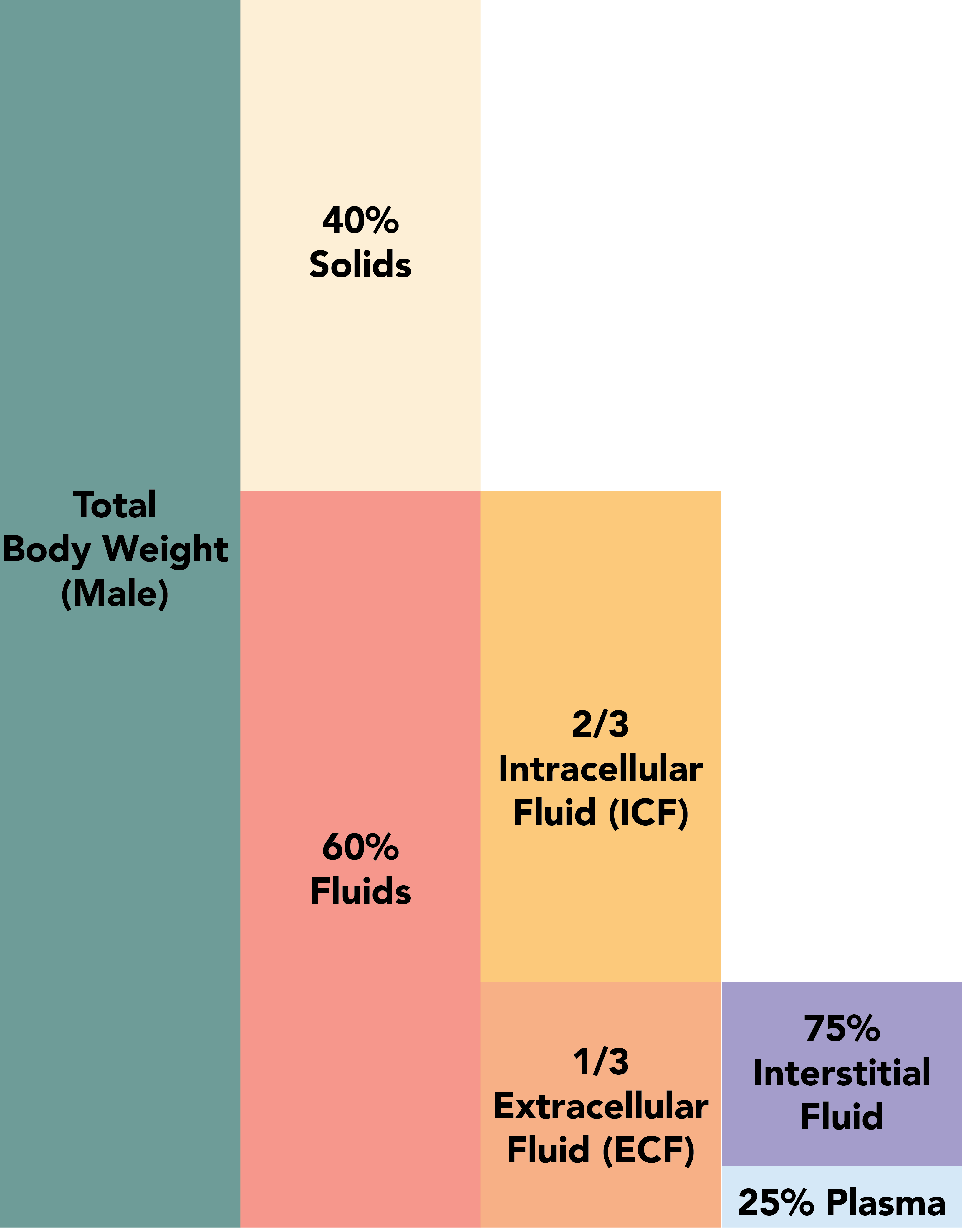
Fluids and molecules move between compartments via two primary passive forces:
- Osmosis is the passive movement of water across a semipermeable membrane from an area of lower solute concentration to an area of higher solute concentration. (Water chases the heavy particles).
- Diffusion is the passive movement of distinct solutes from an area of higher concentration to an area of lower concentration. (Particles spread out).
The Electrolyte Guardians
Electrolytes dictate where water goes and how nerves fire.
- Sodium is the primary extracellular cation regulating water distribution in the human body. Where sodium goes, water follows. Normal adult serum sodium levels range from 135 to 145 milliequivalents per liter.
- Potassium is the primary intracellular cation essential for maintaining cardiac electrical stability. Even slight deviations can trigger lethal arrhythmias. Normal adult serum potassium levels range from 3.5 to 5.0 milliequivalents per liter.
The kidneys manage this electrolyte balance using hormonal levers. Antidiuretic hormone (ADH) regulates systemic water retention by significantly increasing water reabsorption in the kidney tubules. Meanwhile, aldosterone directly stimulates the kidneys to aggressively reabsorb sodium and rapidly excrete potassium.
The Physics of Intravenous Fluids
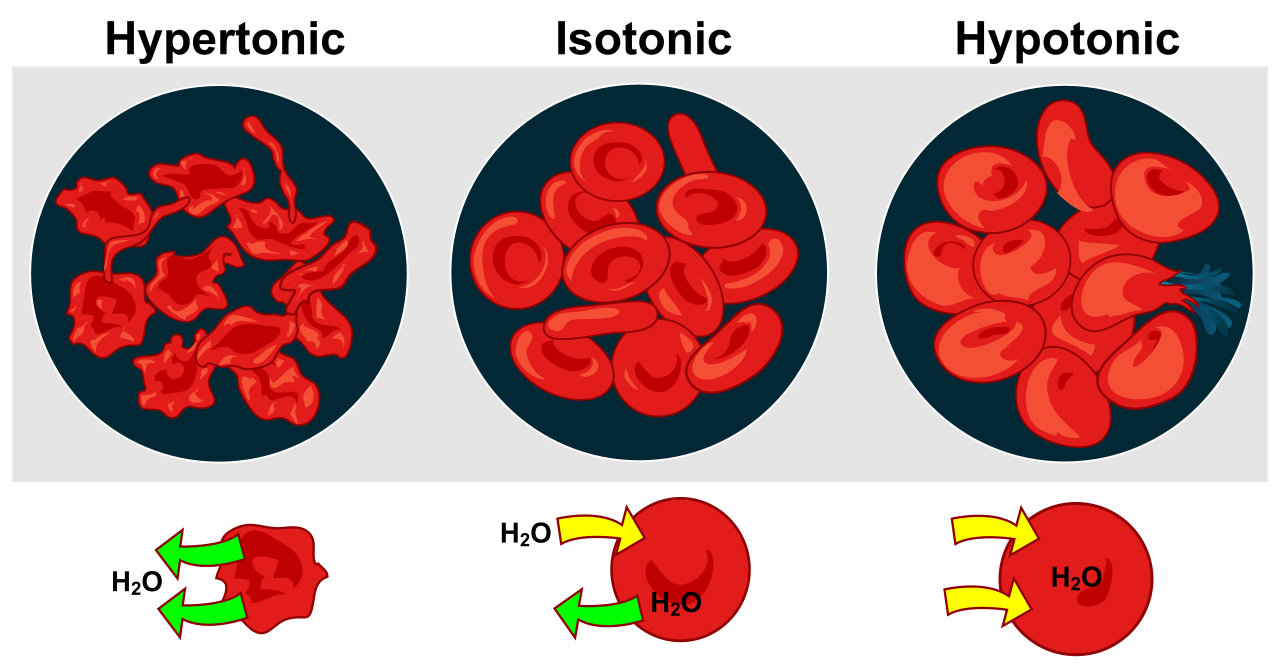
When you hang a bag of IV fluid, you are manipulating osmotic pressure.
- Isotonic intravenous fluids have the exact same osmotic pressure as normal human blood plasma. Therefore, they stay entirely in the vascular space to expand blood volume. A 0.9 percent sodium chloride solution is classified as an isotonic intravenous fluid.
- If a patient has severe cerebral edema, you might need to pull water out of their swollen brain cells. Administering hypertonic intravenous fluids actively draws water out of intracellular compartments and into the intravascular space through the power of osmosis.
Nurses are the frontline defenders against pathogenic invasions. Understanding your enemy begins under the microscope.
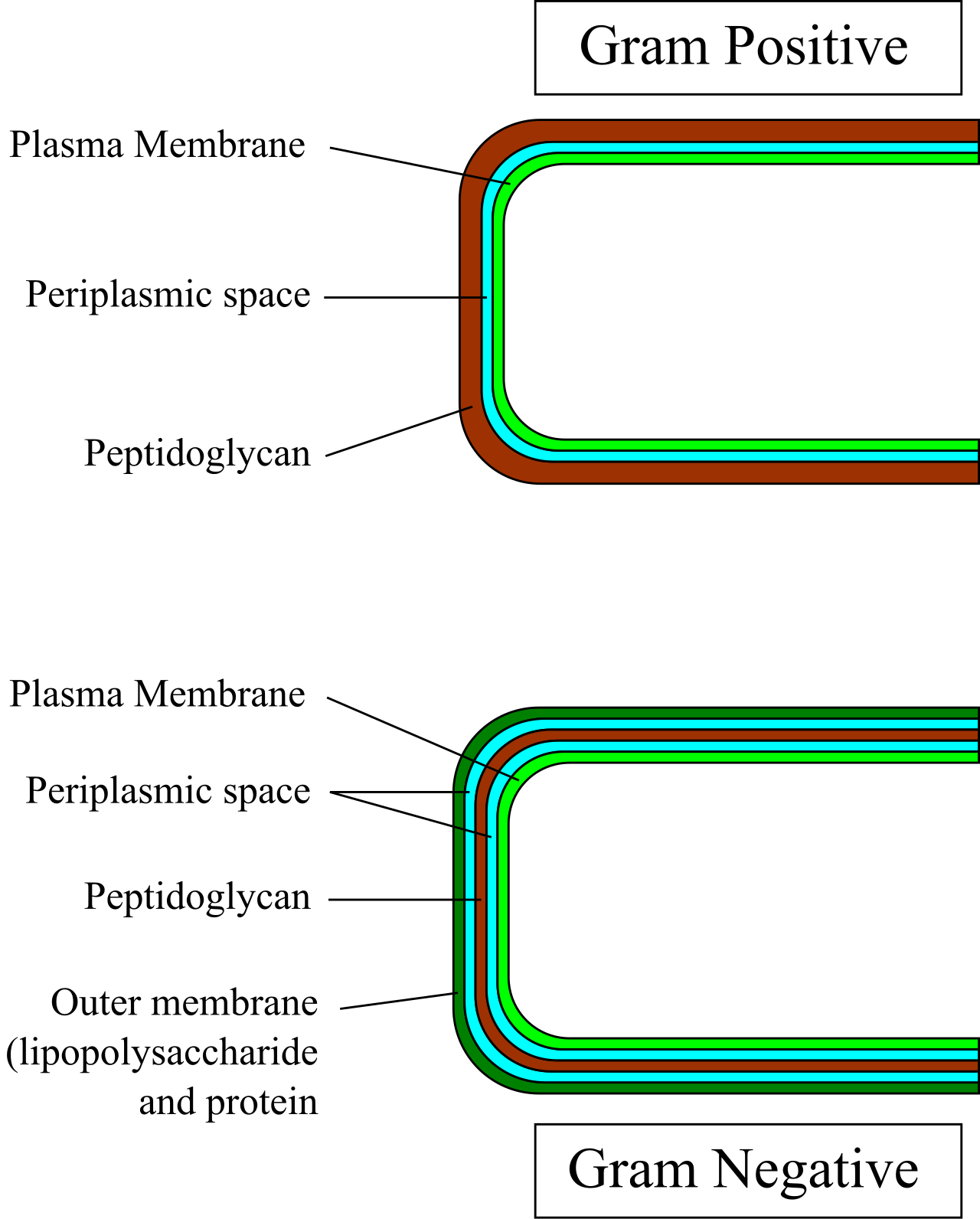
A Gram stain differentiates distinct bacterial species based solely on the structural characteristics of the bacterial cell walls.
- Gram-positive bacteria possess a thick peptidoglycan wall. They successfully retain the primary crystal violet stain and appear strictly purple under a light microscope.
- Gram-negative bacteria have a thinner wall and a formidable outer membrane. They lose the primary crystal violet stain and appear pink or red after the application of a counterstain.
To fight these, medicine utilizes antibiotics. Broad-spectrum antibiotics are chemically effective against a wide and diverse range of both Gram-positive and Gram-negative bacteria. However, they are a blunt instrument. The systemic clinical overuse of broad-spectrum antibiotics contributes significantly to the modern development of severe antimicrobial resistance.
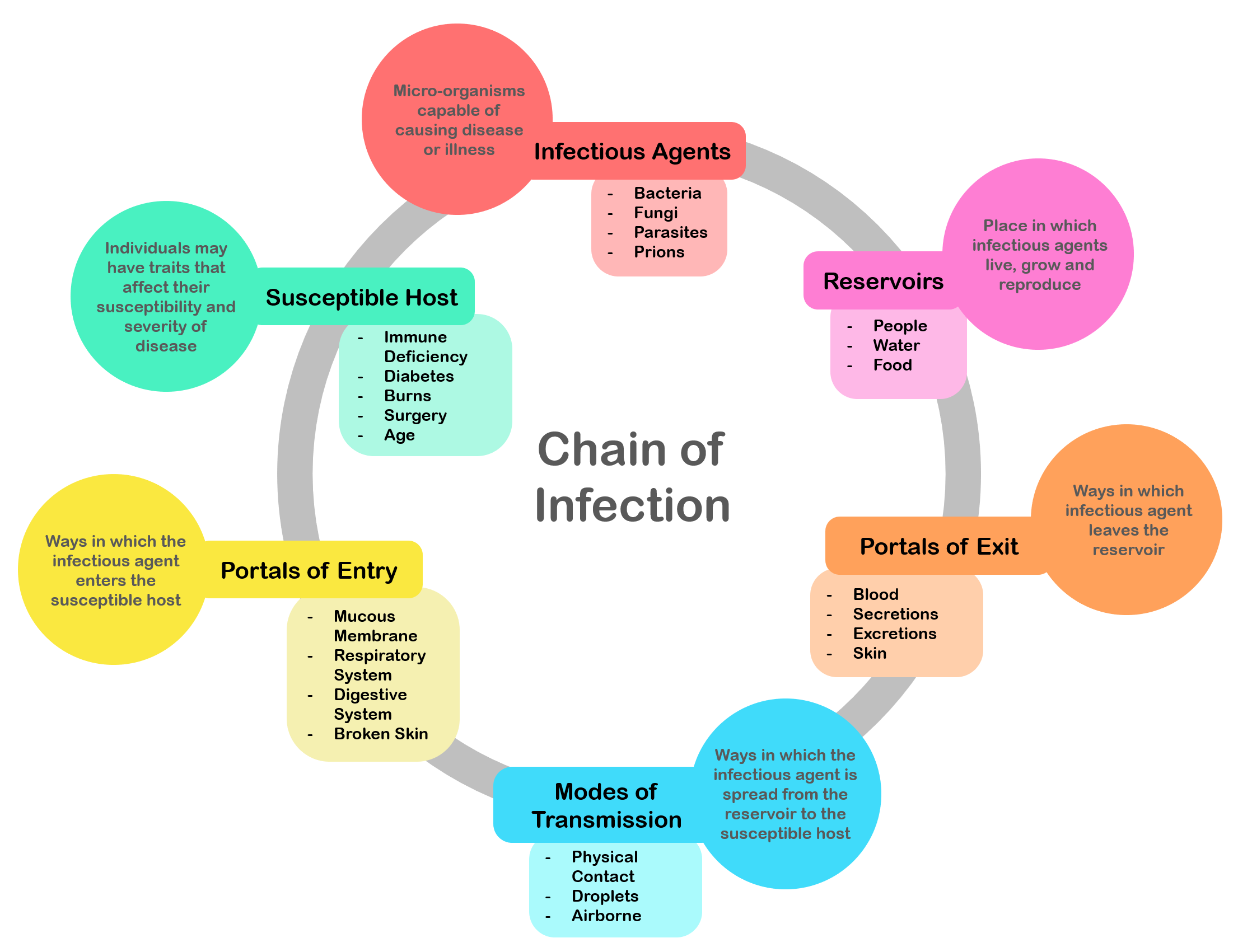
The Chain of Infection
Infection does not happen by magic; it follows a precise logistical supply line. The chain of infection requires an infectious agent, a reservoir, a portal of exit, a mode of transmission, a portal of entry, and a susceptible host.
The golden rule of infection control is profound in its simplicity: Breaking the chain of infection at any single link prevents disease transmission.
Defensive Maneuvers: Immunity
How does the body fight back?
- Active immunity occurs when the human body produces specific antibodies in response to exposure to an antigen. When we give a patient a shot in the clinic, vaccination provides artificially acquired active immunity.
- Passive immunity involves the direct transfer of pre-formed antibodies from another person or animal. It is fast but temporary. For example, maternal antibodies passed through breast milk provide naturally acquired passive immunity to an infant.
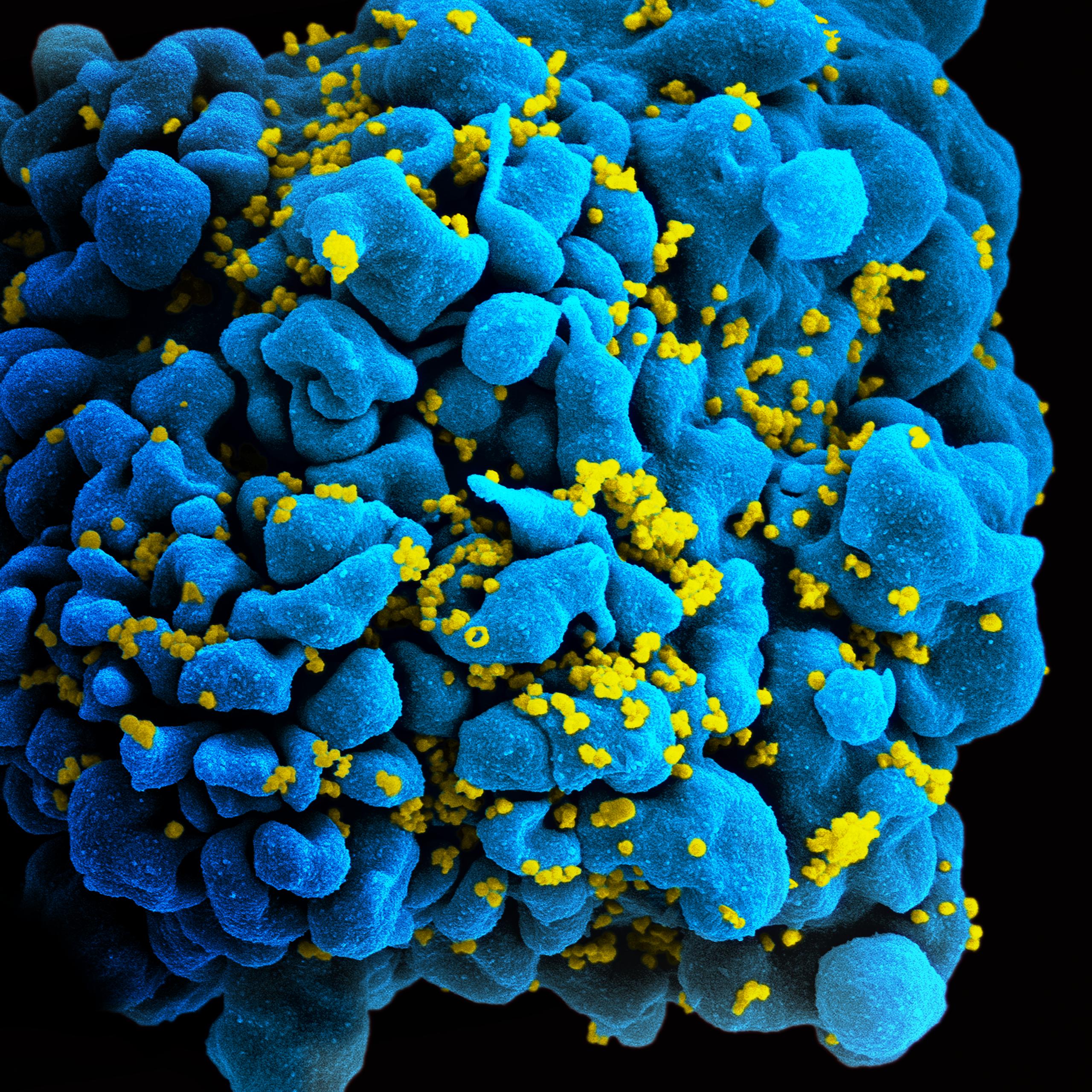
When the immune system is broken, the results are catastrophic. The human immunodeficiency virus (HIV) specifically targets and systematically destroys CD4 positive T lymphocytes, the central commanders of the immune response. Without these commanders, opportunistic infections predictably occur more frequently and are clinically more severe in individuals with significantly weakened immune systems.
Acute Inflammation and Wound Healing
When tissue is injured or infected, the body initiates the acute inflammatory response, characterized by redness, heat, swelling, pain, and loss of tissue function.
Why do these physical signs appear?
- Vasodilation during acute inflammation causes increased local blood flow and visible localized redness (and heat).
- Increased capillary permeability during inflammation allows fluid to leak into surrounding tissues to cause swelling (edema), which presses on nerves to cause pain.
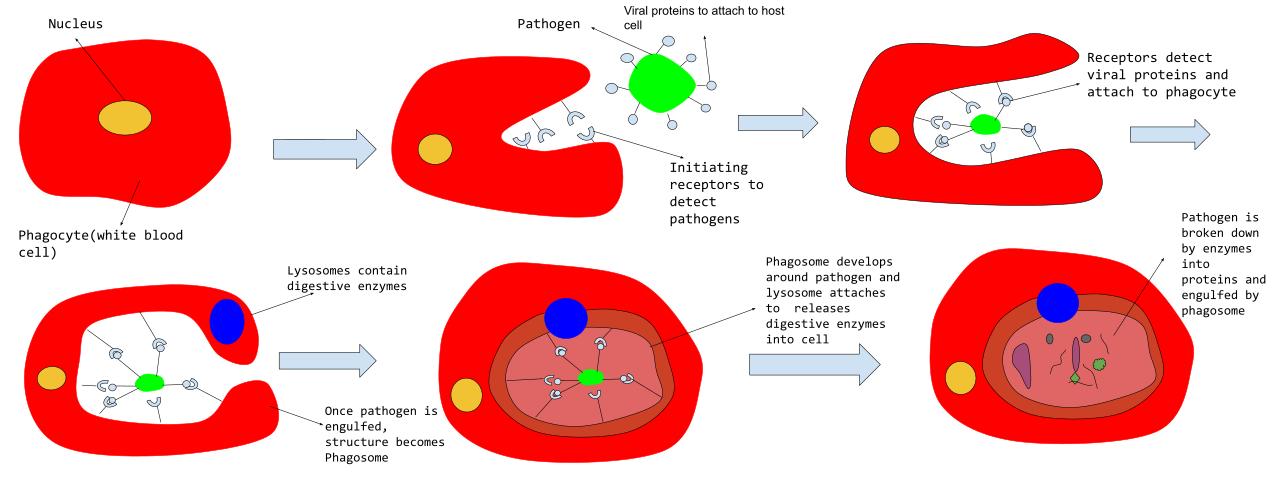
At the cellular level, neutrophils are the first white blood cells to arrive at a site of acute bacterial infection or tissue injury. They act as microscopic infantry. Once there, they engage in phagocytosis, the specific process by which specialized white blood cells completely engulf and destroy cellular debris and invading pathogens.
Once the battle is won, tissue repair begins. The normal wound healing process consists of hemostasis, inflammation, proliferation, and remodeling phases.
- Primary intention healing occurs when clean wound edges are brought together directly with sutures or staples (like a surgical incision).
- Secondary intention healing occurs when a gaping wound is left open to heal slowly by granulation tissue formation (like a severe pressure ulcer).

In the hospital ecosystem, your patients are highly vulnerable. Healthcare-associated infections (HAIs) are secondary infections acquired by a patient while receiving clinical treatment in a healthcare facility.
What is the primary culprit? Catheter-associated urinary tract infections (CAUTIs) are the single most common type of healthcare-associated infection globally. This is an entirely preventable error. Using strict aseptic technique during indwelling urinary catheter insertion minimizes the risk of introducing pathogenic bacteria into the bladder.
Hand Hygiene and Precautions
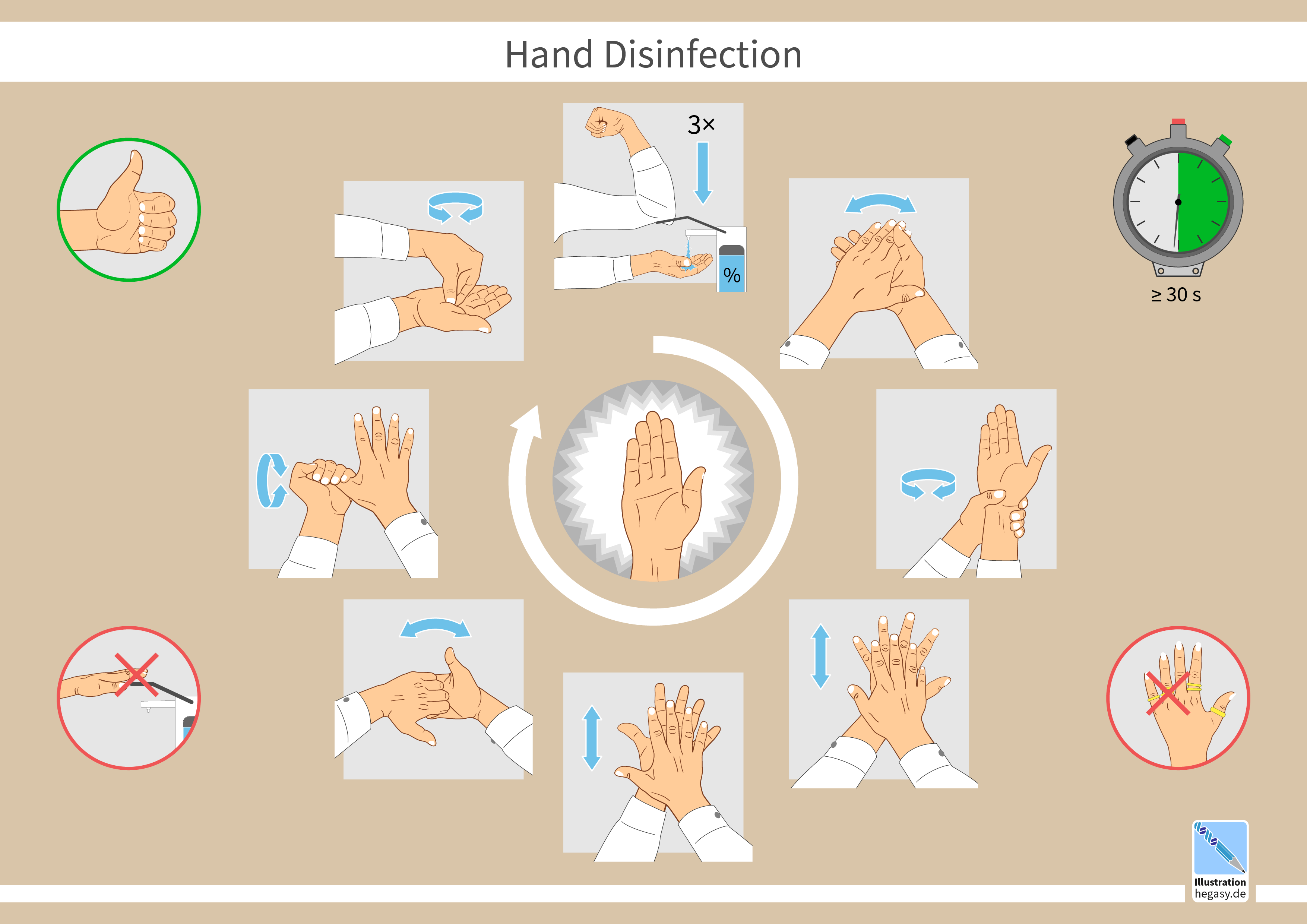
Hand hygiene is the single most effective method to prevent healthcare-associated infections. However, you must choose your weapon carefully:
- Soap and water must be used for hand hygiene when hands are visibly soiled with blood or body fluids.
- Furthermore, alcohol-based hand rubs are completely ineffective against Clostridioides difficile spores. If you are leaving a C. diff isolation room, you must physically wash the spores down the sink with soap, water, and friction.
You must also categorize your defensive posture based on how the pathogen moves:
- Standard precautions apply to all patient care regardless of suspected or confirmed infection status. Treat all blood and body fluids as if they are infectious.
- Contact precautions mandate the use of a protective gown and clean gloves upon entering the patient room. This is vital because pathogens like Methicillin-resistant Staphylococcus aureus (MRSA) are primarily spread via direct physical contact.
- Droplet precautions require the healthcare provider to wear a surgical mask when working within three feet of the patient to protect against large respiratory droplets (like Influenza).
- Airborne precautions require the healthcare provider to use a fit-tested N95 respirator and place the patient in a negative pressure room. This is non-negotiable because pathogens like Mycobacterium tuberculosis is transmitted via microscopic airborne droplet nuclei that float in the air currents for hours.
Cleaning the Environment
Finally, we must decontaminate our tools. Understand the difference between cleaning levels:
- Disinfection eliminates many or all pathogenic microorganisms except bacterial spores on inanimate objects. We disinfect ward surfaces and blood pressure cuffs.
- Sterilization completely destroys all microbial life including highly resistant bacterial spores. We sterilize surgical instruments in the autoclave before they ever touch the patient.
By viewing the basic sciences not as isolated textbook facts, but as the underlying physics and biology of the clinical ward, you transition from someone who merely follows orders to an elite, intuitive practitioner. Master these physiological rules, and you will understand exactly what is happening to your patients on the floor.