Kuwait MOH Nursing Scope of Practice, Licensing & Professional Conduct
Not sure you’re ready?
Take the ~3-minute readiness diagnostic and see where you stand.
Just as an aeronautical engineer cannot certify an aircraft for flight based solely on a pilot's verbal assurance of skill, a national healthcare system cannot entrust human lives to practitioners without rigorous, systematic verification of their foundational training. The Kuwait Ministry of Health (MOH) constructs its regulatory framework around three uncompromising pillars: absolute certainty of professional credentials, precisely bounded clinical scopes of practice, and a deeply entrenched culture of patient safety. For the internationally-educated registered nurse, successfully navigating this system requires more than clinical intuition; it demands an explicit understanding of how Kuwait regulates the privilege to practice. This framework is not a bureaucratic hurdle, but a meticulously designed system to filter, standardize, and elevate the quality of acute care across the nation.
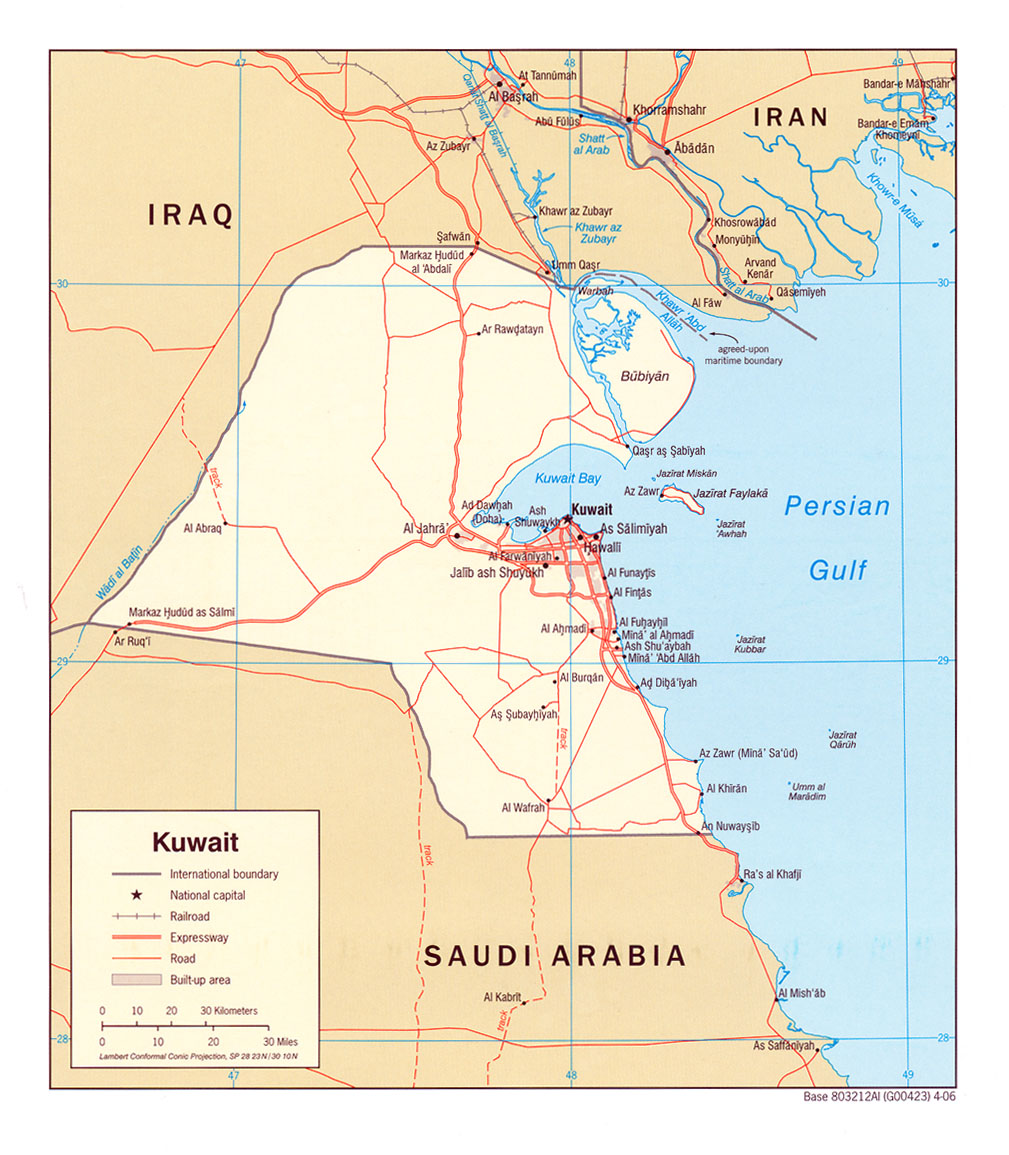
Before a nurse ever sets foot in a Kuwaiti hospital ward, they must pass through a strict sequence of verifications. The Kuwait Ministry of Health requires all internationally-educated nurses to pass the Prometric nursing licensing exam. However, you cannot simply pay a fee and sit for this exam. The state must first prove you are exactly who your paperwork says you are.
Primary Source Verification: The DataFlow Filter
To eliminate the risk of fraudulent credentials entering the healthcare system, the Kuwait Ministry of Health utilizes DataFlow as the mandatory primary source verification system for nursing credentials. Think of DataFlow as a digital forensic investigator. Instead of trusting the physical piece of paper you submit, DataFlow goes directly to the origin.
DataFlow verifies the authenticity of a nursing applicant's educational certificates by contacting the university that issued them. Furthermore, DataFlow verifies the authenticity of a nursing applicant's previous clinical employment records by reaching out to the human resources departments of your former hospitals.
Critical Warning: There is zero margin for error in this step. A negative DataFlow report due to document discrepancies permanently halts the Kuwait nursing licensing process. It is a definitive, unappealable roadblock.
Primary source verification through DataFlow must be successfully completed before the Kuwait Ministry of Health issues an exam eligibility number. This sequence is absolute: an eligibility number from the Kuwait Ministry of Health is strictly required before a candidate can book the Prometric nursing exam.
Clinical Experience Requirements
The MOH is highly specific about the type of experience it values. Internationally-educated nurses must possess exactly three years of post-qualification clinical experience in an acute inpatient setting to qualify for a Kuwait nursing license.
Why this specific distinction? Acute inpatient environments involve dynamic, unpredictable physiological deterioration that requires rapid, critical thinking. Therefore, outpatient clinical experience alone does not qualify an internationally-educated nurse for Kuwait Ministry of Health licensure.
The Prometric Examination
Once you secure your eligibility number, you face the Kuwait Medical Licensing Examination for Nurses. Instead of testing rote memorization, this exam evaluates clinical judgment using scenario-based questions. You are expected to apply your knowledge to simulated ward environments.
| Exam Parameter | MOH Prometric Specification |
|---|---|
| Question Count | Exactly 100 multiple-choice questions |
| Passing Standard | The passing score for the Kuwait Ministry of Health Prometric nursing exam is 60 percent |
| Question Style | Scenario-based clinical judgment |
Once licensed, what are you actually allowed to do? In Kuwait, the Nursing Affairs Department of the Kuwait Ministry of Health regulates the registered nurse scope of practice. This department establishes clear boundaries distinguishing what you can do independently versus what requires external authorization.
Independent Nursing Interventions
There are critical interventions where waiting for a physician's order would harm the patient. In these areas, the MOH expects you to act autonomously.
Registered nurses in Kuwait possess the autonomous authority to reposition patients to prevent pressure injuries. You do not need to ask permission to turn a patient; you are expected to do it based on your clinical assessment. However, autonomy demands accountability. A registered nurse in Kuwait must document all independent patient repositioning interventions in the formal clinical record. If it is not documented, in the eyes of the law, it never happened.
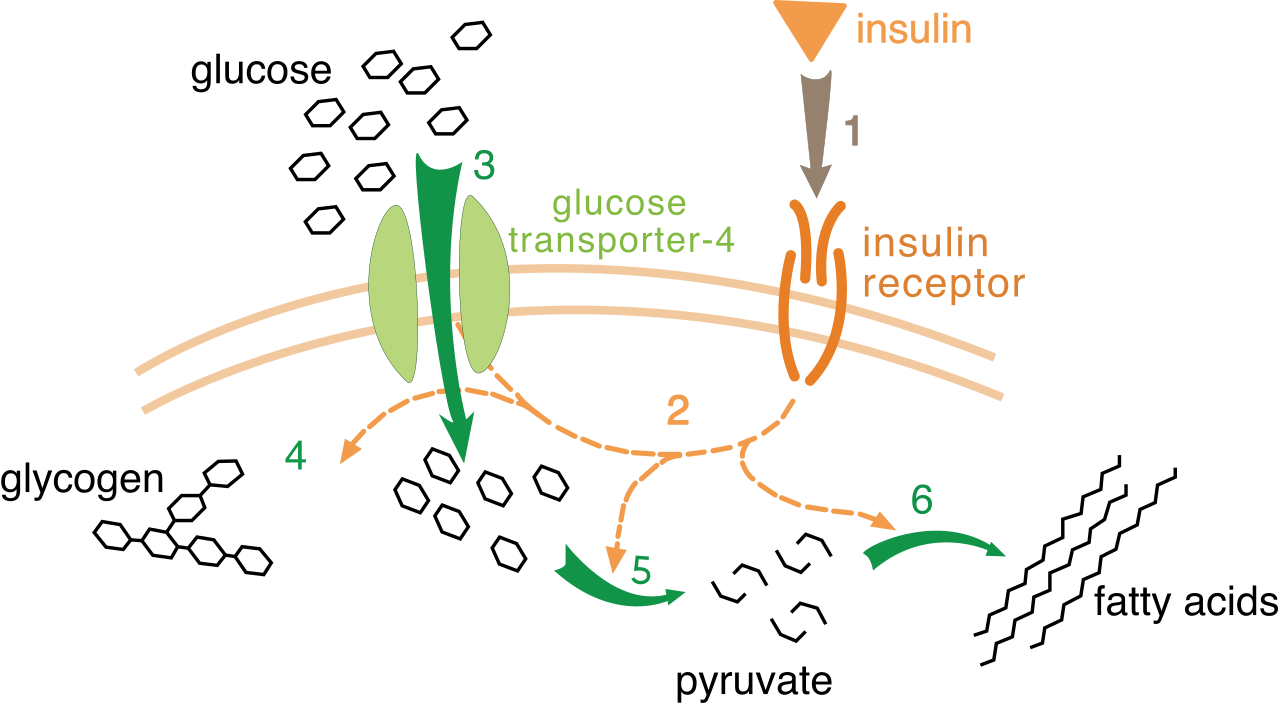
Similarly, registered nurses in Kuwait do not require a physician order to provide patient education regarding medical conditions. If a newly diagnosed diabetic patient asks how insulin works, teaching them is your fundamental duty, not a dependent task.
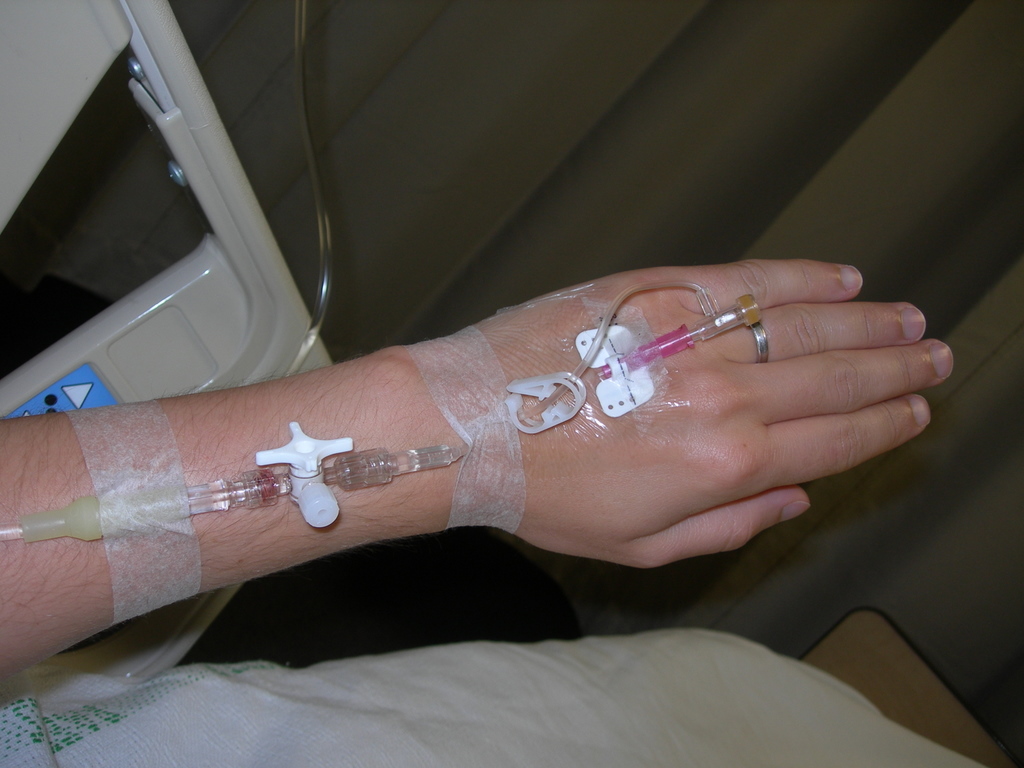
Several procedural skills also firmly reside within your autonomous toolkit. Intravenous cannula insertion falls within the permitted independent scope of practice for registered nurses in Kuwait. Furthermore, nasogastric tube insertion is a permitted clinical task, and urinary catheterization falls within the standard clinical scope of practice for registered nurses in Kuwait.
Dependent Clinical Actions
While your procedural scope is broad, pharmacological intervention is strictly controlled. Medication administration by a registered nurse in Kuwait strictly requires a documented physician order. Administering a drug without a formal written or digitally entered order—even an over-the-counter analgesic—is a severe breach of protocol.
In a hospital, a patient is entirely vulnerable. They surrender not just their physical bodies, but their most intimate personal data.
Patient health data confidentiality in Kuwait restricts information sharing strictly to healthcare team members with a direct clinical need to know. If you are caring for a patient in Bed 4, their data is your business. If your colleague is caring for a patient in Bed 5, that patient's data is radioactive to you—do not touch it. Kuwait Ministry of Health guidelines strictly prohibit nurses from accessing the medical records of patients outside a direct clinical assignment.
Furthermore, you cannot assume a patient's family automatically has the right to their medical details. Kuwait Ministry of Health professional conduct guidelines require nurses to obtain explicit patient consent before sharing medical data with family members.
Legal Exceptions to Confidentiality
Confidentiality is a shield, but it is not absolute when the safety of the broader public or a vulnerable individual is at stake. There are two critical exceptions you must memorize:
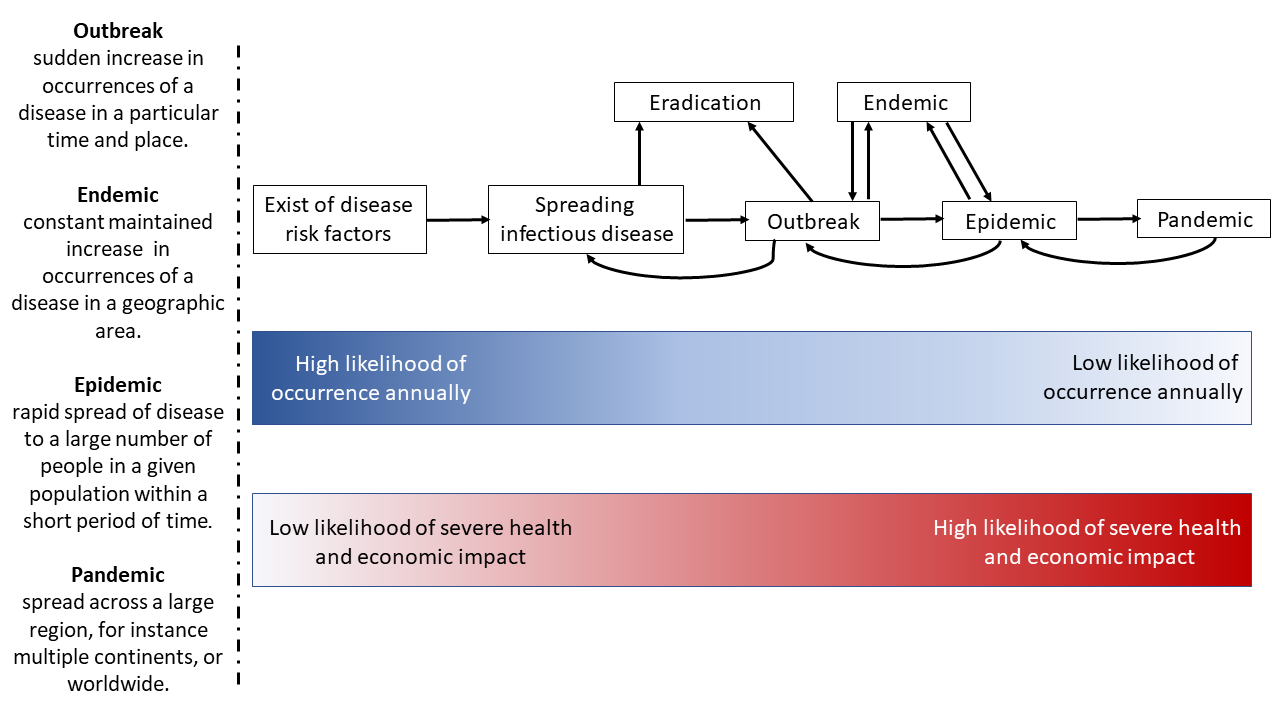
- Public Health: Mandatory reporting of notifiable communicable diseases to public health authorities is a legal exception to patient confidentiality in Kuwait. If a patient tests positive for a highly contagious pathogen, the state must know to prevent an outbreak.
- Vulnerable Populations: Kuwait Ministry of Health ethics guidelines mandate the immediate reporting of suspected child abuse to local authorities. You do not investigate; you report.
Hospitals are complex, high-risk environments. Mistakes happen. How the system handles those mistakes determines whether patients live or die in the future.
The Chain of Escalation
Friendship and politeness have no place when a patient's life is at risk. Kuwait Ministry of Health professional ethics dictate that patient safety permanently overrides professional collegiality. If you see a senior colleague about to push an unverified medication, you must stop them.
Nurses in Kuwait must escalate witnessed unsafe clinical practices through the formal chain of command. You do not skip steps.
- Step 1: The formal escalation chain for unsafe clinical practice in a Kuwait hospital begins with the unit charge nurse.
- Step 2: The ward manager serves as the second level of escalation when a Kuwait hospital nurse reports an unsafe clinical practice.
Effective communication is the lifeblood of safety. To prevent errors from occurring when care changes hands, effective patient handover at clinical transition points is a core patient safety requirement in Kuwait Ministry of Health hospitals.
The Just Culture Framework
Historically, healthcare punished the person who made an error, which only encouraged people to hide their mistakes. To fix this, the Kuwait Ministry of Health utilizes a Just Culture model for clinical incident reporting.
The Just Culture model in Kuwait hospitals distinguishes honest human clinical errors from reckless professional behavior. If you administer the wrong dose because the digital dispensing machine malfunctioned and the vials looked identical, that is a system failure (human error). If you intentionally bypass three safety checks to save time, that is reckless behavior.
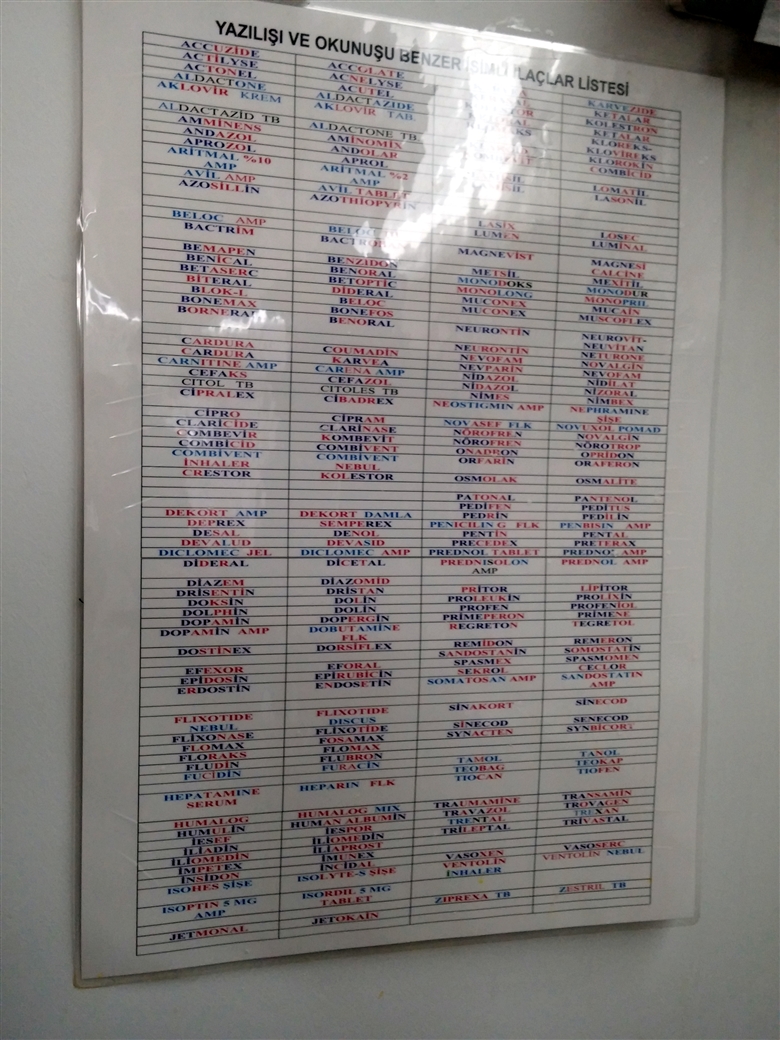
Because of this framework, clinical incident reports in Kuwait hospitals function as systemic learning tools rather than individual punitive mechanisms.
The MOH is so obsessed with gathering safety data that they do not just want to know when things go wrong; they want to know when things almost went wrong. Kuwait patient safety standards mandate the formal reporting of near-miss clinical incidents. Why? Because near-miss reporting in Kuwait hospitals serves to generate valuable data for future medical error prevention. A near-miss today is the blueprint for a safety protocol tomorrow.
Practicing medicine globally means recognizing that biological healing is deeply intertwined with cultural and spiritual realities. In Kuwait, an Islamic nation, providing culturally safe care is an absolute professional standard.
Privacy and Physical Assessment
Modesty is a paramount cultural value. Kuwait nursing standards emphasize gender congruence between the healthcare provider and the patient during intimate physical assessments. Whenever logically possible, female nurses assess female patients, and male nurses assess male patients.
Faith and Clinical Scheduling
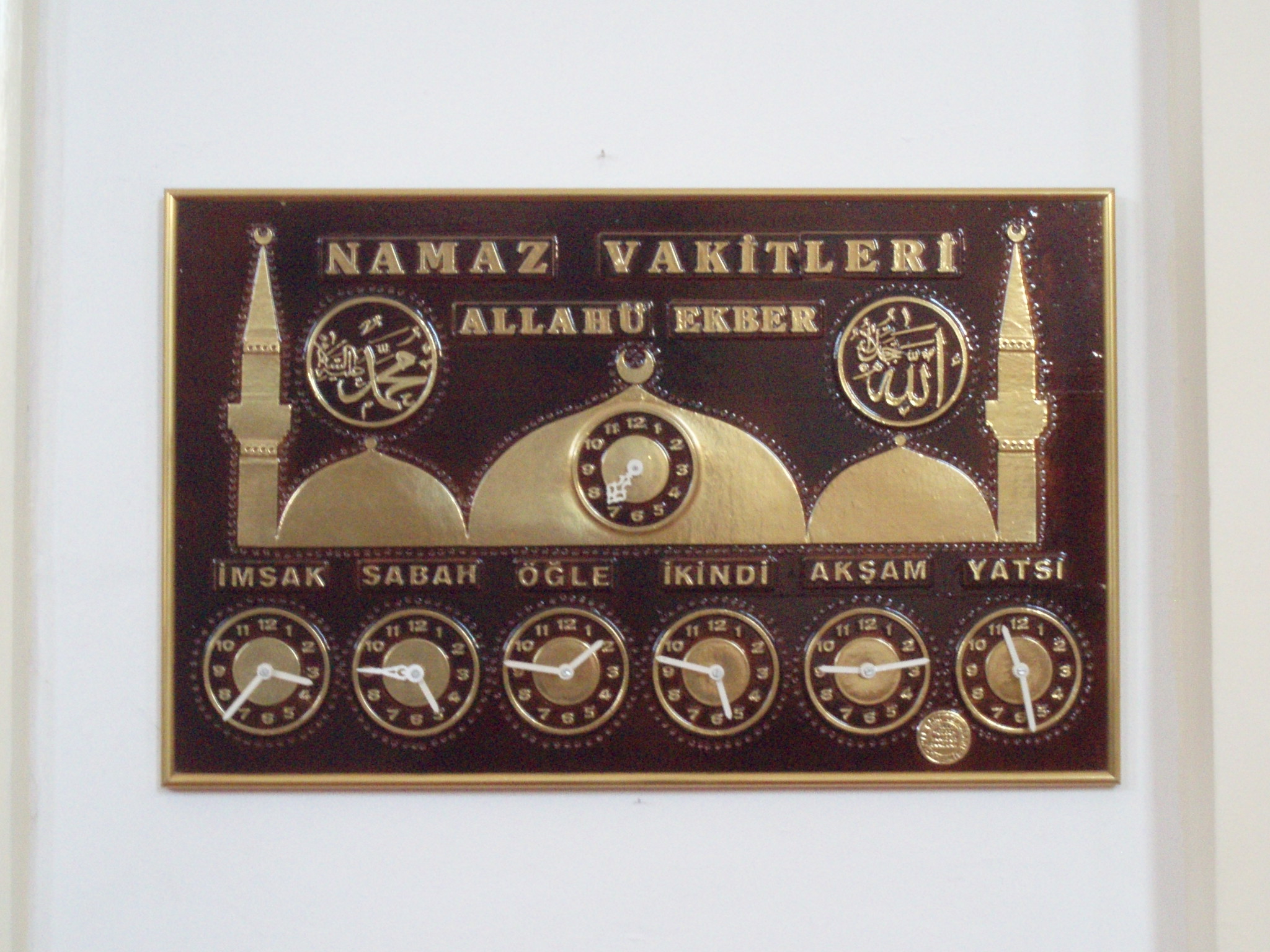
Daily prayer and religious fasting significantly dictate the rhythm of life in Kuwait, and the hospital ward is no exception. Culturally competent nursing care in Kuwait requires the scheduling of non-emergent clinical procedures around Islamic prayer times. You do not interrupt a patient's prayer to draw routine lab work.
The holy month of Ramadan introduces unique clinical variables. Culturally safe nursing practice in Kuwait requires accommodating the religious fasting requirements of patients during the month of Ramadan. Fasting involves abstaining from oral intake—including water and oral medications—from dawn until sunset.

Because of this, nurses in Kuwait must collaborate with a physician to adjust medication schedules for patients fasting during Ramadan. You cannot autonomously shift a twice-daily medication from morning/evening to night/midnight; it requires a coordinated medical plan to ensure therapeutic drug levels remain stable while honoring the patient's faith.
By mastering these rules, you do more than pass a Prometric exam; you prove yourself capable of functioning as a highly trusted, autonomous, and culturally competent professional within the Kuwaiti healthcare ecosystem.