Nursing Informatics for Safe and Legal Delivery of Patient Care
Not sure you’re ready?
Take the ~3-minute readiness diagnostic and see where you stand.
In a modern intensive care unit in Riyadh, an invisible circulatory system operates alongside the biological ones. While intravenous lines deliver fluids and ventilators push oxygen, a parallel network of cables and wireless signals pumps a different life-sustaining resource: data. A single drop in a patient’s blood pressure at the bedside instantly triggers a cascade of digital events. It crosses hospital servers, checks against the patient's pharmacological history, and generates a visual alert on a screen halfway across the ward. This is not just clerical bookkeeping; this is clinical architecture. Information technology, when properly harnessed, extends the nurse's nervous system, allowing you to see further, calculate faster, and catch fatal errors before they reach the patient. But when misused or misunderstood, it can introduce catastrophic risk and legal jeopardy.
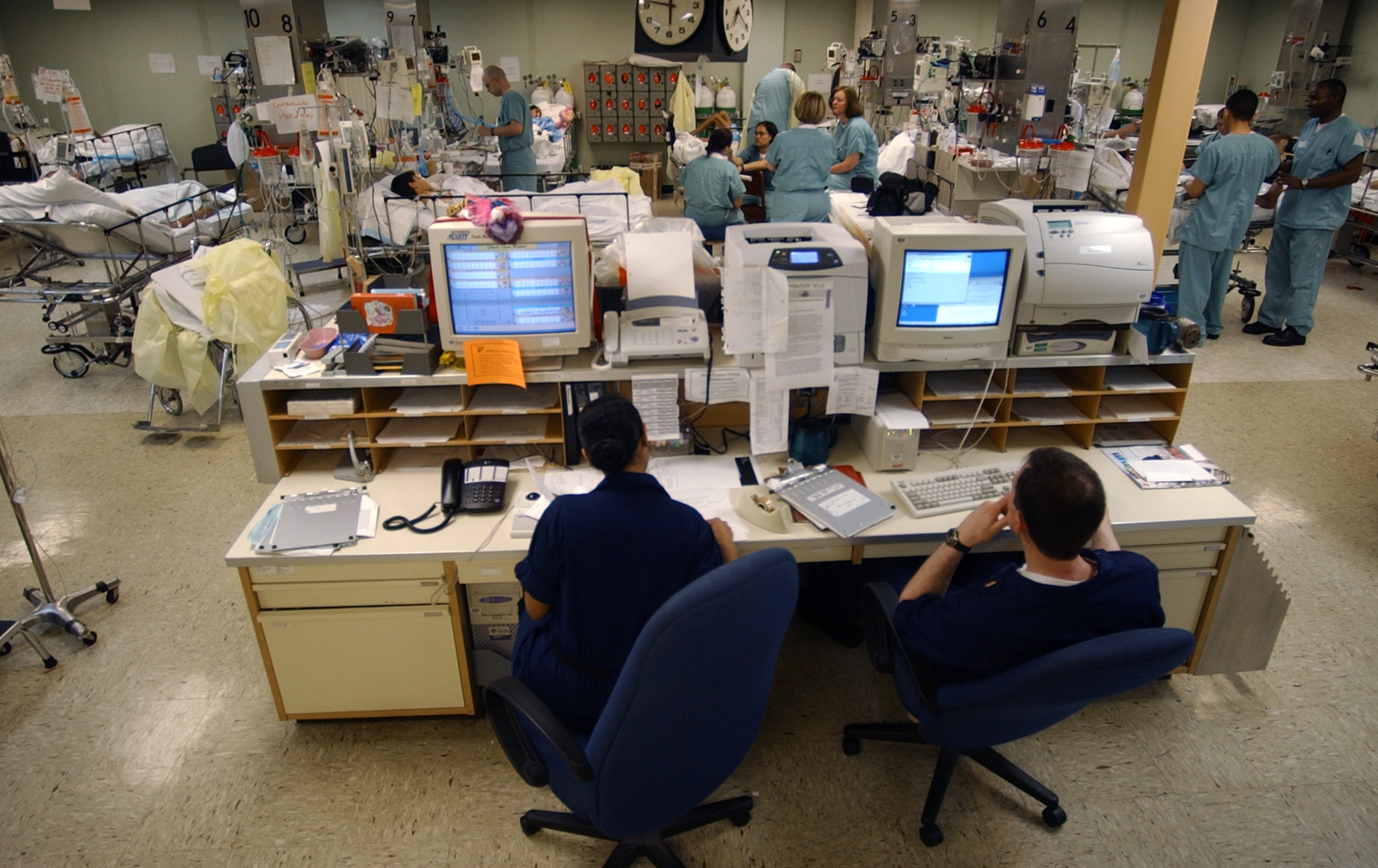
To understand how data protects patients, we must first define the language of the systems we use. Nursing informatics integrates nursing science, computer science, and information science to manage health data. It is the discipline of translating human suffering and clinical care into actionable, computable data.
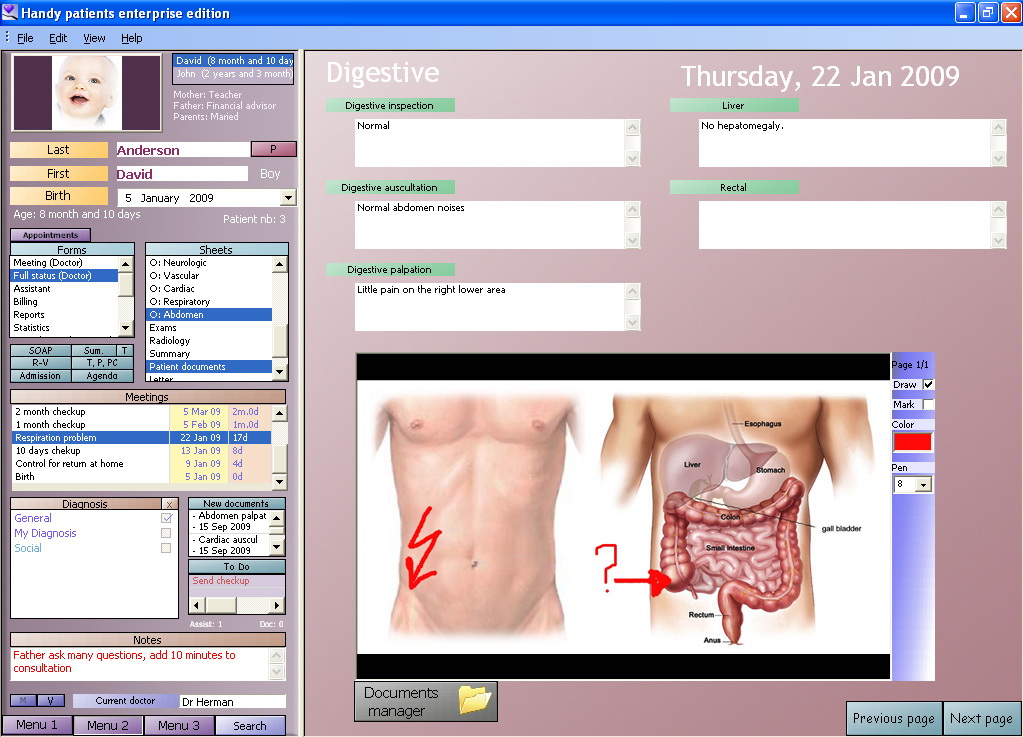
Every time you chart a vital sign or document a physical assessment, you are feeding information into a localized or systemic repository. The boundaries of repositories matter:
- Electronic Medical Records (EMR) contain clinical data specific to a single healthcare organization or medical practice. Think of an EMR as a digital filing cabinet locked inside one specific clinic.
- Electronic Health Records (EHR), by contrast, provide a comprehensive longitudinal view of patient health data across different healthcare facilities. An EHR is the complete biographical story of a patient's health, following them from a primary care clinic in Jeddah to a surgical ward in Dammam.
For a physician in Dammam to read a chart originating in Jeddah, these different computer systems must speak the same language. This is known as interoperability, a design principle that allows different health information systems to communicate and exchange patient data seamlessly. When interoperability is achieved at a regional or national level, it creates Health Information Exchanges (HIE). These networks permit healthcare professionals to securely share patient medical information electronically across distinct organizations.
The Standardized Languages of Nursing
A computer cannot process a vague narrative; it requires standardized terminology. This is why global systems utilize SNOMED CT, a comprehensive multilingual clinical healthcare terminology used in electronic health records worldwide. It ensures that a diagnosis of "myocardial infarction" means the exact same thing to a computer in Saudi Arabia as it does to a computer in Japan.
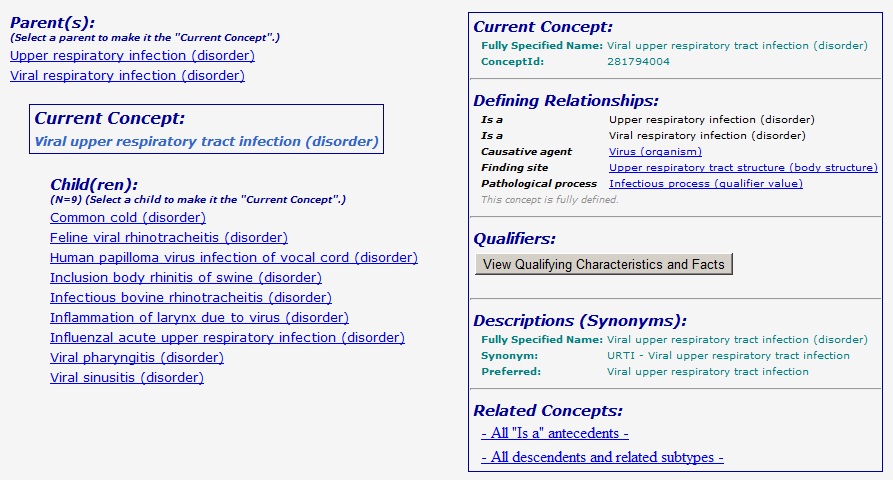
Within the specific domain of nursing care, we rely on targeted frameworks:
- NANDA (North American Nursing Diagnosis Association) standardized terminologies enable the digital tracking of nursing diagnoses across different electronic health record systems.
- The Nursing Interventions Classification (NIC) enables the consistent digital documentation of nursing actions.
When you select a NANDA diagnosis and a NIC intervention from a drop-down menu, you are translating your clinical judgment into a universal, interoperable code.
Human memory is flawed, and human fatigue is inevitable. Informatics provides "cognitive prosthetics"—tools designed to catch human errors before they result in patient harm.
The most prominent example is the Clinical Decision Support System (CDSS). These systems analyze patient data to provide nurses with evidence-based prompts and clinical alerts. If a physician accidentally prescribes a penicillin derivative to a patient with a documented anaphylactic allergy, the CDSS intervenes. Because this is a severe alert, the system creates a hard barrier: overriding a severe allergy alert in the Clinical Decision Support System requires a documented clinical rationale by the prescribing provider.
Similarly, Computerized Provider Order Entry (CPOE) systems eliminate medication errors associated with illegible handwritten prescriptions. Furthermore, CPOE systems integrate automatic dosage checks to prevent prescribing errors, calculating the milligram-per-kilogram ratio instantly to warn the provider if a dose exceeds safe pharmacological limits.
Barcode Medication Administration (BCMA)
At the bedside, the nurse stands as the final defense. Barcode Medication Administration systems require nurses to scan a patient's wristband to electronically verify patient identity. Immediately after, the systems require nurses to scan medication labels to electronically verify the correct drug and dose against the active CPOE profile.
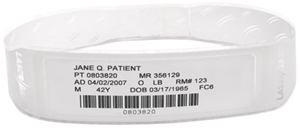
The Physics of Workflow Safety Scanning a medication barcode after administering the drug defeats the safety purpose of the Barcode Medication Administration system. By administering the drug first, the nurse turns a preventative safety net into a useless, retrospective receipt.
Smart Infusion Pumps and the Calculus of Flow
Intravenous medications bypass the body's natural absorption barriers, making calculation errors uniquely deadly. To mitigate this, smart infusion pumps utilize dose error reduction systems to prevent nurses from programming intravenous medication rates outside of safe limits.
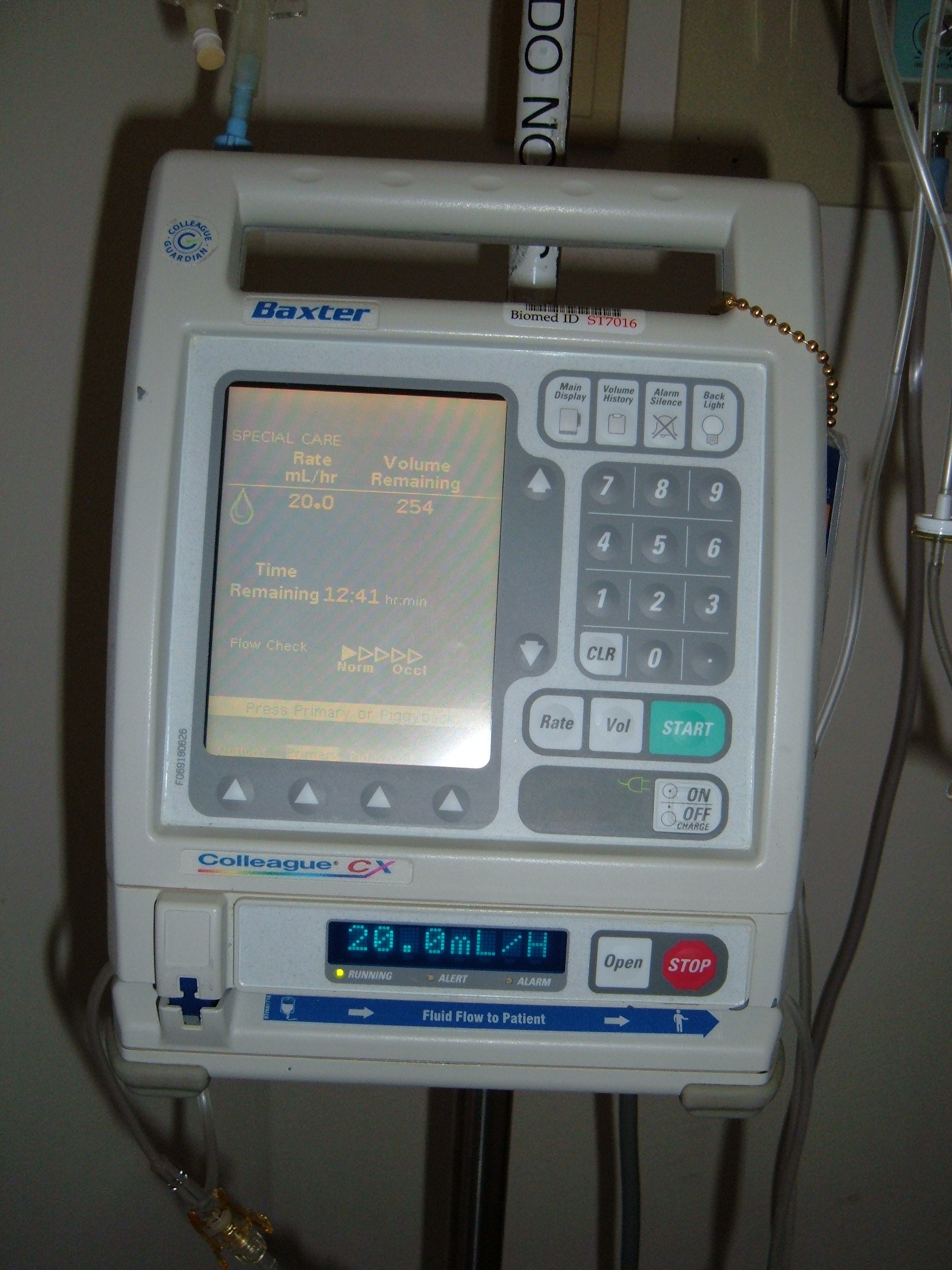
These systems utilize two types of mathematical boundaries:
- Soft Stop: A soft stop in a smart infusion pump generates a clinical warning regarding dose limits. It informs the nurse that the rate is unusual, but because it is not inherently fatal, nurses can manually override a soft stop alert on a smart infusion pump to administer the programmed medication if the specific clinical scenario demands it.
- Hard Stop: A hard stop in a smart infusion pump physically prevents a nurse from administering a programmed medication dose that exceeds fatal limits. It cannot be overridden. If a nurse attempts to infuse a 24-hour dose of potassium in 20 minutes, the machine simply refuses to run.
Technology is only as perfect as the humans operating it. When technological systems collide with the chaotic reality of a busy hospital unit, dangerous psychological and behavioral phenomena emerge.
The most insidious of these is alert fatigue. Alert fatigue occurs when nurses are exposed to a high volume of frequent clinical alarms. Just as a person living next to a train station eventually stops hearing the trains, a nurse bombarded by hundreds of low-priority beeps loses their sensitivity to the sound. Ultimately, alert fatigue leads nurses to delay responses or ignore critical clinical alarms, sometimes with fatal consequences.
When nurses find technology burdensome, they invent workarounds. Workarounds occur when healthcare workers bypass safety features in technological systems—such as taping a patient's barcode to the desk so it can be scanned without walking to the bedside. This is a critical legal and ethical failure. System workarounds directly increase the risk of patient harm during clinical care.
Similarly, in an effort to save time, nurses may rely heavily on copy-and-paste documentation practices in electronic health records. This is a dangerous habit that can propagate outdated patient information across multiple shifts, misleading the interdisciplinary team into thinking a resolved symptom is still actively occurring.
In Saudi Arabia, patient data is fiercely protected by both ethical mandates and strict federal laws. The Saudi Commission for Health Specialties (SCFHS) mandates that nurses maintain strict patient confidentiality as a core ethical obligation. For instance, sharing patient information on social media platforms violates the SCFHS Code of Conduct and will result in professional discipline, even if the patient's name is omitted.
On a federal level, the Saudi Personal Data Protection Law (PDPL) strictly regulates the collection and processing of personal health data in Saudi Arabia. Under the PDPL, health data is legally classified as sensitive data, meaning it requires the highest tier of security. Therefore, healthcare facilities must obtain explicit consent from patients before processing non-emergency personal data under the Saudi Personal Data Protection Law.
The primary regulatory body overseeing the enforcement of the Personal Data Protection Law is the Saudi Data and Artificial Intelligence Authority (SDAIA). If a system is compromised, data processors in Saudi Arabia must report personal health data breaches to the regulatory authority within specific legal timeframes.
(Note: Internationally, the Health Insurance Portability and Accountability Act (HIPAA) is a United States federal law often used globally as a benchmark for protecting health information. While practicing in Saudi Arabia requires adherence to the PDPL, SNLE candidates should recognize HIPAA as the global foundational standard for healthcare privacy.)
Patient Rights and Research
Patients are not merely passive subjects of data collection; they own their data. Patients have the legal right to request access to their own medical records. Furthermore, if they find an error, patients have the legal right to request corrections of inaccurate health data in their medical records.
When healthcare facilities wish to use patient data for retrospective studies, they must perform de-identification. De-identification removes all personally identifiable information from patient datasets before using the data for research studies, severing the link between the clinical facts and the human identity.
To protect the sanctity of the EHR, hospitals employ the principle of data minimization, which requires nurses to access only the minimum amount of patient information necessary to provide care. This is operationalized through role-based access control, which restricts a nurse's access to electronic health records based entirely on specific job responsibilities. A pediatric nurse, for example, will not be granted system access to the psychiatric ward's charting modules.
A frequent ethical trap involves curiosity regarding loved ones. You cannot legally access the electronic medical record of a family member treated in the same hospital unless assigned to that family member's direct care.
How does the hospital know if you do? Audit trails. Audit trails are electronic logs that record the identity of every user who accesses a patient's electronic health record. They act as digital footprints in fresh snow. They are highly granular, meaning audit trails capture the exact time and specific actions taken by users within an electronic health record.
Defending the Workstation
A secure system is easily defeated by poor physical habits. As a licensed professional, you are the firewall:
- Before entering data into a bedside electronic device, nurses must verbally verify a patient's identity using two unique identifiers (e.g., name and medical record number).
- Nurses must log out or lock their computer screens immediately upon leaving a workstation to ensure patient data security.
- If you walk up to a desk and see a breach in progress, the immediate correct action when discovering a colleague's computer session left open on a patient's chart is to log the colleague out.
- Passwords for accessing electronic health records must never be shared with colleagues.
- Passwords for accessing healthcare systems must never be written down in visible locations (such as on sticky notes attached to monitors).
Cyber Threats
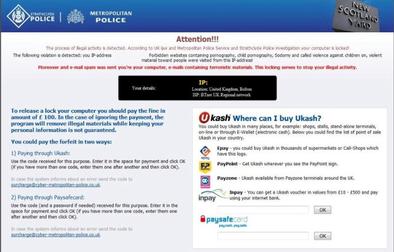
Hospitals are high-value targets for cybercriminals. Phishing is a cyberattack where fraudulent emails attempt to trick healthcare workers into revealing system passwords. Once inside, attackers may deploy ransomware—malicious software that encrypts hospital databases. Ransomware blocks staff access to electronic health records until a financial demand is paid, forcing hospitals to revert to paper and critically endangering patient care.
The medical record is a legal document that will be heavily scrutinized in the event of a negative patient outcome. Nurses must document adverse events in the electronic health record using only factual and objective data. "Patient found on floor with a 2cm laceration to the right brow" is factual. "Patient fell because the night shift forgot to turn on the bed alarm" is a dangerous, subjective assumption. Nurses must strictly avoid assigning blame to other staff members when documenting adverse events in the electronic health record.
When an error or fall occurs, you will file an internal incident report. A critical legal boundary exists here: incident reports documented in electronic safety systems should never be referenced in the patient's actual clinical medical record. The clinical record is for clinical care; the incident report is for internal risk management. Mentioning an incident report in the clinical chart legally exposes the hospital's internal risk management documents to outside legal discovery.
When utilizing external technologies to facilitate care, such as when using digital interpreter devices, the nurse must document the use of the specific technology in the patient's medical record to prove that clear, objective communication was established.
Informatics extends beyond the individual patient chart; it allows us to see the entire ward and even peer into the future.
- At the central desk, an electronic dashboard displays real-time unit metrics like current patient census and pending discharges to assist the charge nurse in managing the flow of the unit.
- On a macro scale, data mining involves analyzing large healthcare datasets to identify hidden clinical trends and patient outcome patterns.
- By feeding this data into algorithms, we achieve predictive analytics, which utilizes historical patient data to forecast the risk of clinical deterioration like sepsis onset hours before the patient becomes visibly symptomatic.
Expanding the Walls of the Hospital
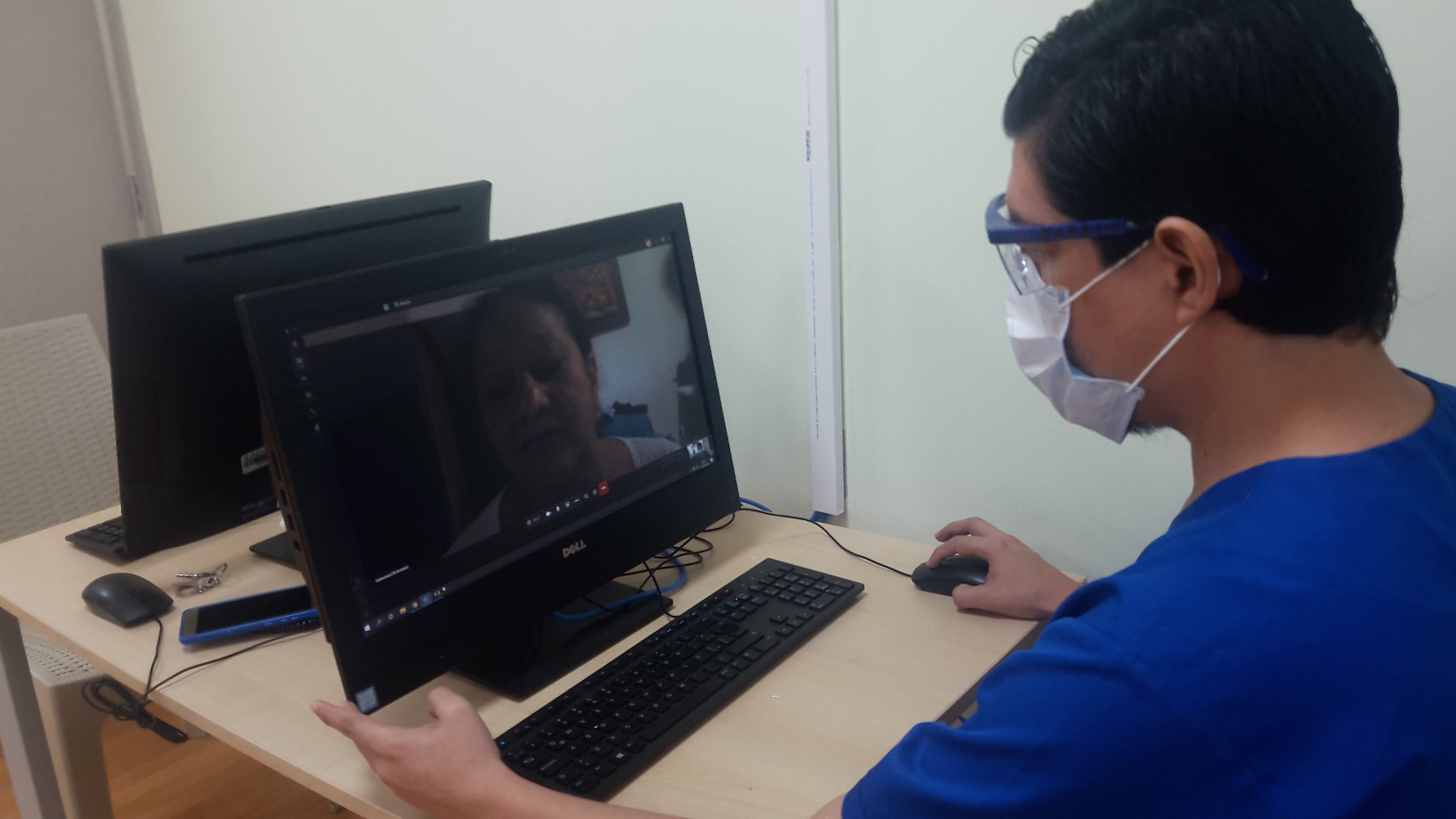
Technology now allows us to project nursing care across vast geographic distances. Telehealth utilizes telecommunications technology to deliver virtual medical care and remote patient monitoring. For patients recovering at home, remote patient monitoring devices automatically transmit real-time vital signs to the nursing station.
When patients call in for guidance, tele-triage requires nurses to rely on standardized clinical algorithms to safely prioritize remote patient care, ensuring that subjective distance does not result in the miscategorization of a lethal symptom.
When the Screens Go Dark
Finally, true resilience requires knowing how to function when the technology fails. Every hospital faces network outages, whether from a severed cable or a ransomware attack. Downtime procedures require nurses to switch to paper-based documentation when the electronic health record system experiences an outage.
Once the crisis has passed, the work is not yet finished. Data entered during computer downtime must be retroactively transcribed into the electronic health record once system functionality is restored, ensuring the patient's longitudinal, digital biography remains unbroken and complete.