OMSB Nursing Scope of Practice, Licensing & Professional Conduct (Oman)
Not sure you’re ready?
Take the ~3-minute readiness diagnostic and see where you stand.
Consider a modern hospital not merely as a building, but as a finely tuned biological system. For this system to sustain life without causing harm, every individual practitioner must operate under a highly specific, rigorously tested set of operational rules. In the Sultanate of Oman, this regulatory genome is sequenced and maintained by the Oman Medical Specialty Board (OMSB), which serves as the primary regulatory body overseeing healthcare professional licensing. Working alongside the OMSB is the Ministry of Health (MoH), where the Directorate General of Nursing Affairs takes on the vital responsibility of defining the exact nursing scope of practice in Oman. Navigating the pathway to becoming a licensed Registered Nurse in Oman requires more than just clinical acumen; it requires an exact understanding of this legal, ethical, and professional framework.
Before you can apply your clinical knowledge in an Omani ward, the regulatory system must verify that your foundational training is structurally sound. You cannot build a safe healthcare system on assumptions, which is why the OMSB enforces strict entry criteria.
Expatriate nurses must possess a recognized nursing degree or diploma to apply for licensure in Oman, and they must hold a valid nursing license from their home country. But a degree and a license alone are not enough; clinical intuition takes time to mature. Therefore, expatriate nurses must typically have at least three years of professional clinical experience to work in Oman. By contrast, newly graduated Omani nurses are integrated into the system through a different mechanism—they must complete a six-month internship program before practicing independently.
DataFlow: The Primary Source Verification
To guarantee the authenticity of every professional in the system, all international nursing applicants must undergo DataFlow Primary Source Verification for OMSB licensure.
DataFlow Primary Source Verification is a mandatory background screening process that verifies a candidate's educational and professional credentials directly from the issuing source.
Think of DataFlow as a forensic audit of your career. It bypasses intermediaries and contacts your university and previous employers directly. Document discrepancies during the DataFlow verification process can cause significant nursing licensing delays. Furthermore, regional proximity does not bypass this audit; having a nursing license from another Gulf Cooperation Council (GCC) country does not exempt a nurse from the OMSB DataFlow verification process.
Once your credentials are authenticated, you must prove your clinical reasoning. The OMSB nursing licensure exam is officially known as the Omani Examination for Nurses (OMSB_OEN). It is a computer-based test administered globally through Pearson VUE.
The exam acts as a pressure test for your clinical decision-making. Here are the architectural constraints of the exam:
- Format: The Omani Examination for Nurses consists of exactly 100 multiple-choice questions.
- Time Limit: Candidates are given 150 minutes to complete the Omani Examination for Nurses.
- Standard for Success: The passing score for the Omani Examination for Nurses is set at 60 percent.
What the OMSB_OEN Tests
The exam evaluates whether you can safely manage the complexities of human health across the lifespan. It evaluates nursing competencies in adult health, maternal health, child health, and mental health.
But clinical nursing in Oman is not just about bedside tasks; it is about systems leadership. The OMSB_OEN evaluates a nurse's ability to coordinate care teams and specifically evaluates nursing leadership skills such as safe clinical delegation. If you assign a task to a healthcare assistant, you remain accountable for the outcome.
The exam also heavily tests macro-level thinking:
- Infection prevention and control is a heavily tested domain. You must know how to break the chain of transmission.
- Epidemiology: The exam tests epidemiological data interpretation for identifying population health trends.
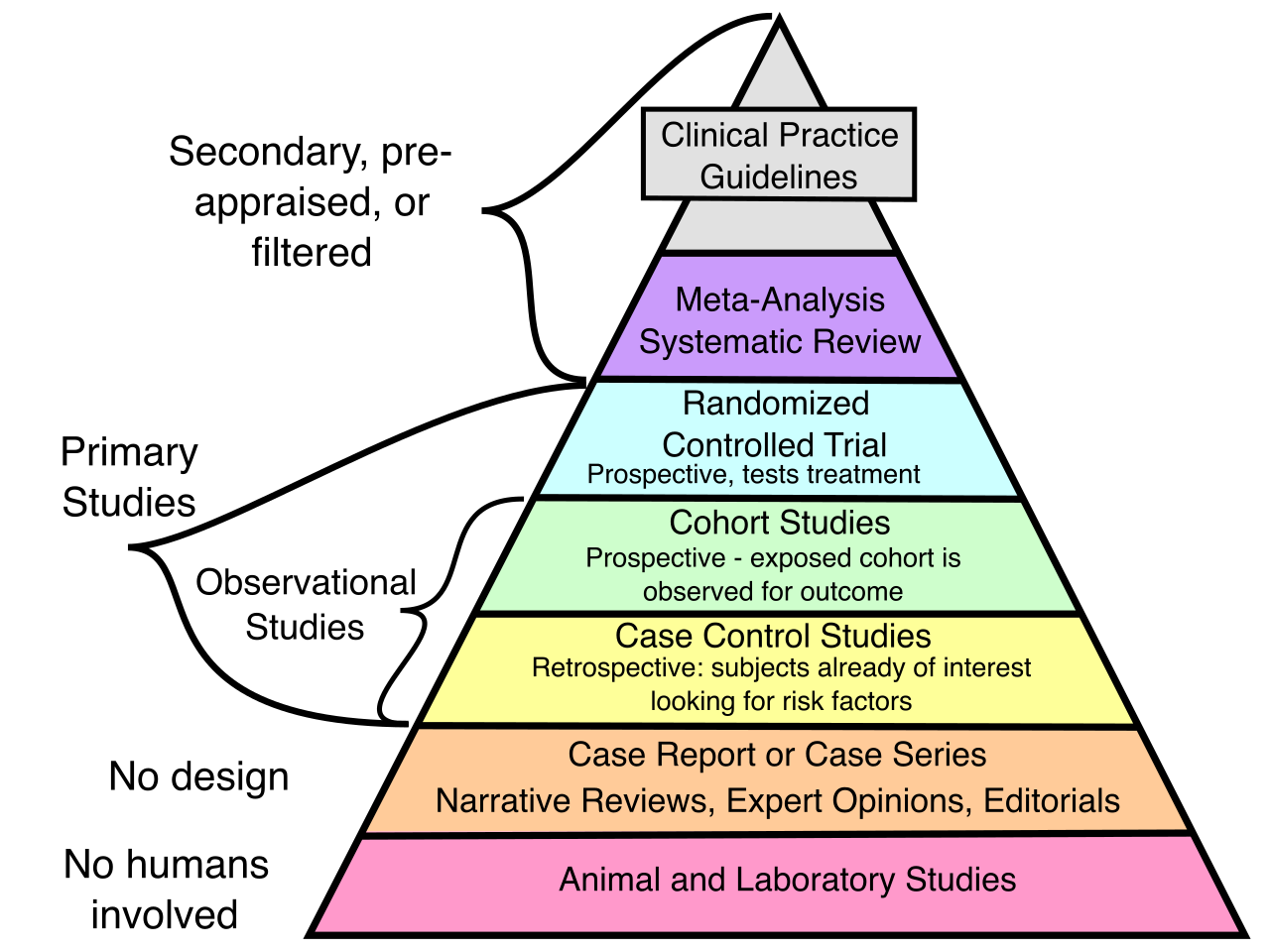
- Research Application: The OMSB_OEN tests the ability of a nurse to translate evidence-based research findings into clinical protocolss.
Note: While the standard OMSB_OEN clears most nurses for practice, some specialized nursing candidates may be required to pass an additional oral assessment to obtain an OMSB license.
Maintaining the License
Once achieved, an OMSB medical license is typically valid for one to three years. To ensure practitioners do not intellectually stagnate, Continuing Professional Development (CPD) credits are mandatory for the renewal of an OMSB nursing license.
In a high-stakes environment, clarity regarding who is authorized to do what is a matter of life and death. The Directorate General of Nursing Affairs clearly delineates the boundary between independent nursing actions and dependent actions requiring medical authorization.
Currently, Advanced Practice Nursing (APN) roles are in early developmental stages within the Omani healthcare system. Therefore, the scope of practice focuses primarily on the standard Registered Nurse.
Independent Scope (Authorized Action)
Registered Nurses in Oman are empowered to act independently in areas where their clinical training allows them to manage risk effectively. Without needing a physician's order, RNs can independently:
- Perform intravenous cannula insertion.
- Administer non-controlled medications.
- Perform blood sampling and phlebotomy.
- Perform nasogastric tube (NGT) insertion.
- Perform urinary catheterization.
- Perform complex wound dressings.
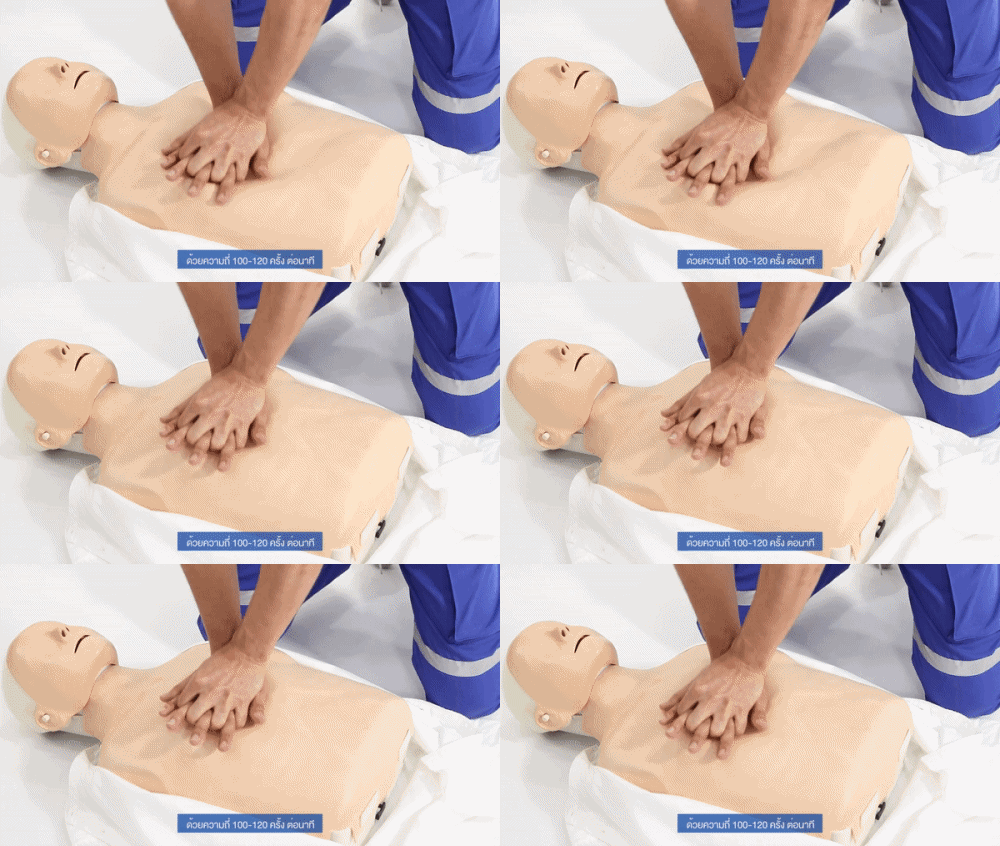
- Initiate cardiopulmonary resuscitation (CPR) in emergencies. (Time is tissue; in the event of cardiac arrest, nurses act immediately to sustain perfusion).
Dependent Scope (Physician Order Required)
Conversely, interventions that introduce profound systemic risk or alter the patient's legal or physiological trajectory require shared liability. A direct, written physician order is strictly required for:
- Narcotics: The administration of narcotic and controlled drugs strictly requires a direct physician order. Registered Nurses in Oman are not permitted to prescribe any medications.
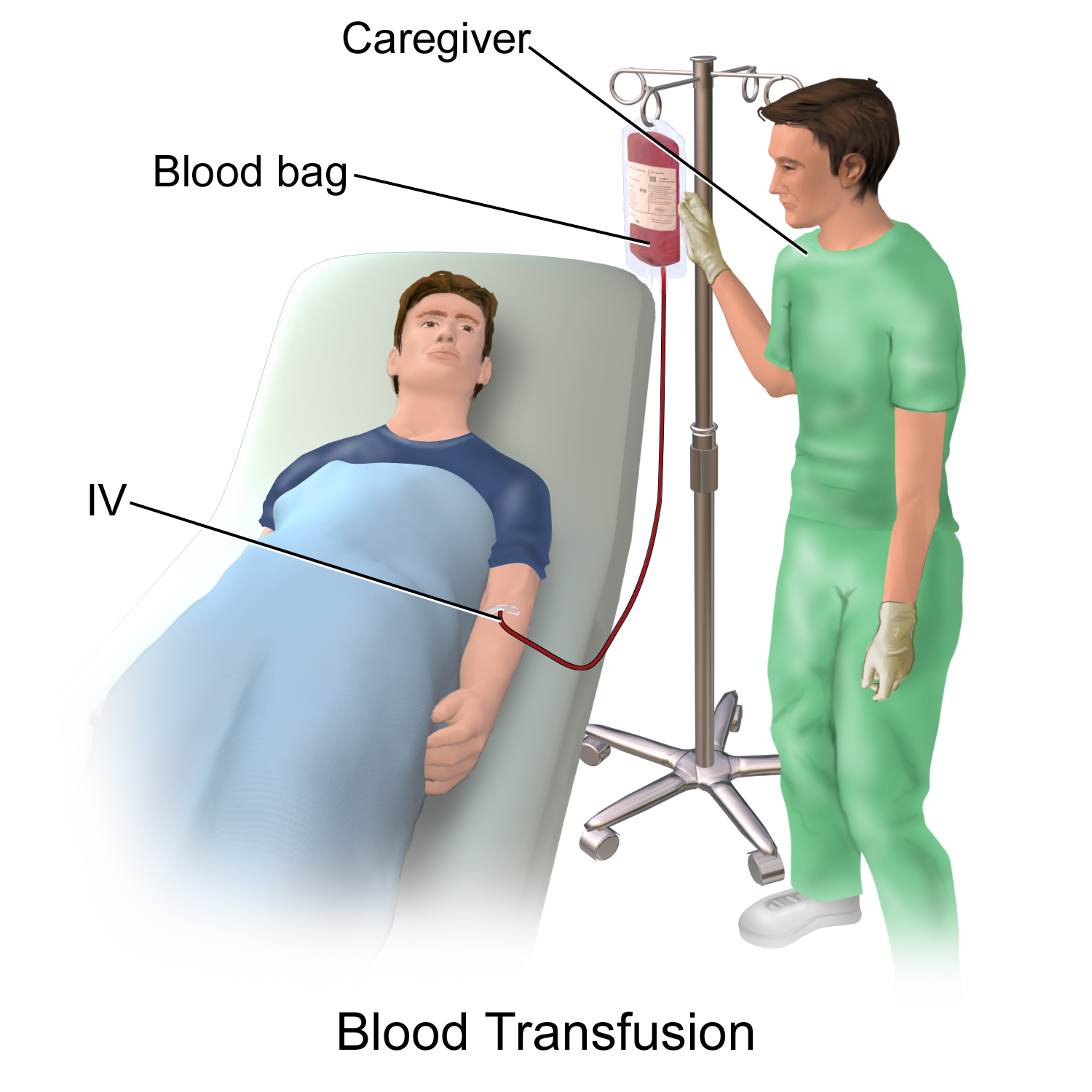
- Blood Products: The initiation of a blood transfusion requires a direct physician order under Omani nursing regulations due to the risk of severe hemolytic reactions.
- Restraints: The application of physical restraints on a patient strictly requires a physician's written order in Oman, as this infringes upon a patient's physical liberty.
- Discharges: Registered Nurses in Oman cannot independently authorize patient hospital discharges.
- End-of-Life Decisions: Do Not Resuscitate (DNR) orders fall outside the independent nursing scope in Oman. DNR orders require a physician's authorization and often involve complex ethical and familial consensus.
Science is universal, but healthcare is intensely local. You are delivering care to human beings embedded within a specific cultural matrix. The OMSB competency framework requires nurses to deliver culturally congruent care tailored to Omani Islamic values.
If you ignore the cultural context, you sever the therapeutic alliance. In Omani culture, the individual is inextricably linked to the family. Family members often play a significant role in healthcare discussions, and they frequently participate in patient decision-making processes. When presenting a care plan, expect to engage not just the patient, but the collective family unit.
Furthermore, cultural modesty is highly valued in Oman. To respect this, Omani patients frequently prefer healthcare providers of the same gender for physical examinations. Providing an environment that respects this modesty is not merely polite; it is a clinical obligation that builds trust.
Crucially, while respecting local culture, the OMSB framework dictates that nurses must provide care without discrimination regarding a patient's religion or social status, and they must provide care without discrimination regarding a patient's nationality. Care is universal; the delivery mechanism is culturally tailored.
The final pillar of Omani nursing regulation is the ethical and legal mandate. The MoH Code of Professional Conduct mandates patient advocacy as a core responsibility for all registered nurses in Oman.
Patient Advocacy in Oman involves speaking or acting on behalf of a patient to safeguard their rights. If a patient is receiving substandard care, or if their wishes are being ignored, the nurse is expected to step in.
Autonomy and Consent
The OMSB legal and ethical practice standard emphasizes the principle of autonomy by requiring informed consent before any nursing intervention. You cannot touch a patient, draw their blood, or insert a catheter without their informed permission.
Documentation and Defensibility
In the eyes of Omani law, if it wasn't documented, it wasn't done. Accurate and timely nursing documentation is legally mandated in Oman as proof of care delivery. Furthermore, maintaining strict patient confidentiality is a legal requirement under the Omani MoH regulations; accessing or sharing patient data without clinical justification is a severe breach of law.
To protect both the patient and the practitioner, nurses in Oman must adhere strictly to documented clinical protocols to maintain legal defensibility. When you follow the hospital's evidence-based protocols, the institution's legal framework protects you. When you deviate, you assume the legal liability alone.
Systems of Safety
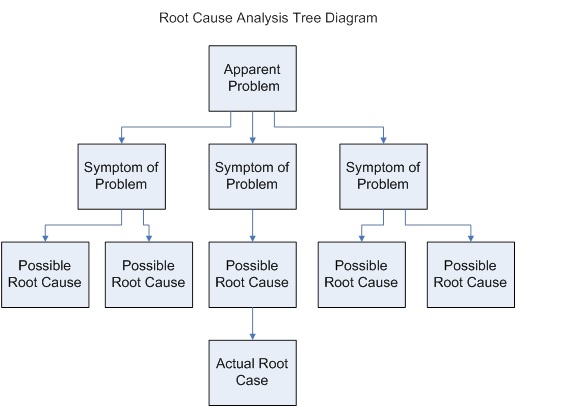
Finally, the system must learn from its failures. Nurses in Oman are legally obligated to report any potential medical malpractice that may threaten patient safety. If an error occurs—whether by a nurse, a physician, or a systemic failure—the Omani healthcare system requires all adverse patient events to be documented through a standardized incident reporting mechanism. This allows the system to analyze the root cause and adapt, transforming individual errors into collective institutional wisdom.