DHA Nursing Scope of Practice, Licensing & Professional Conduct (Dubai)
Not sure you’re ready?
Take the ~3-minute readiness diagnostic and see where you stand.
Transitioning clinical practice across international borders is an exercise in translating universal biological truths into highly localized regulatory realities. The physiology of a myocardial infarction does not change when a patient crosses the Arabian Gulf, but the legal, ethical, and procedural frameworks governing the nurse who treats it shift fundamentally. In the Emirate of Dubai, the Dubai Health Authority (DHA) serves as the architect and guardian of this framework. For the internationally educated nurse, understanding the DHA’s licensing protocols, scope of practice limitations, and strict patient-safety standards is not simply about passing a 150-question Prometric exam. It is about understanding the boundaries and expectations of your new clinical home.
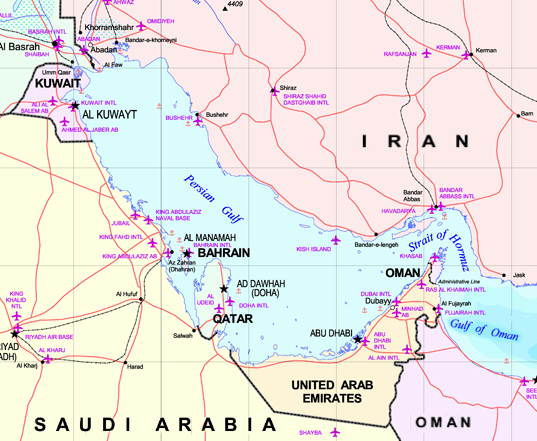
The DHA regulations are not arbitrary bureaucratic hurdles; they are meticulously designed systems meant to ensure that every patient in Dubai receives care that is safe, culturally competent, and legally accountable. To master this material, we must look past rote memorization and understand the "why" behind the rules.
Before you can touch a patient, you must prove you are who you say you are, and that you know what you claim to know. The Dubai Health Authority orchestrates this through a sequence of strict verification and testing protocols.
Sheryan and DataFlow: The Architecture of Trust
The entire ecosystem of healthcare professional registration and licensing in Dubai is centralized online. The Dubai Health Authority utilizes the Sheryan online portal for managing healthcare professional registration and, subsequently, for managing healthcare professional licensing. Think of Sheryan as your digital headquarters; it is where your entire professional identity in Dubai lives.
But how does the DHA know your nursing degree from Manila, Delhi, or London is genuine? They do not take your word for it, nor do they simply look at a stamped piece of paper. They use Primary Source Verification (PSV).
Primary Source Verification is the rigorous process of authenticating educational and professional credentials directly from the issuing institutions.
If you claim to have a degree from a specific university, the verifying body contacts that university's registrar directly. The Dubai Health Authority contracts the DataFlow Group to conduct Primary Source Verification for nursing applicants. DataFlow acts as the DHA's investigative arm, ensuring absolute global transparency.
Experience, Examination, and Eligibility
To even apply for this process, the Dubai Health Authority requires registered nurse applicants to possess a minimum of two years of post-graduate clinical experience. The rationale is simple: Dubai is a fast-paced, highly diverse healthcare environment. The DHA expects you to arrive with a foundational clinical maturity that only comes from real-world, post-graduate ward experience.
Once DataFlow verifies your background, you must prove your clinical knowledge. Internationally educated nurses must pass a computer-based exam administered by Prometric to obtain a Dubai Health Authority license.
Upon passing the exam and completing verification, you aren't immediately handed a license. Instead, you receive an Eligibility Letter.
- What it is: A Dubai Health Authority eligibility letter permits a nurse to seek employment in Dubai healthcare facilities before a final license is issued.
- Validity: This eligibility letter is valid for one year from the date of issuance.
Once a facility hires you, they will link your Sheryan profile to their facility, upgrading your eligibility into an active license. However, your education does not stop there. To ensure the nursing workforce remains current with modern evidence-based practice, Registered Nurses in Dubai must complete mandatory Continuing Professional Development (CPD) hours for annual license renewal.
In any complex system, safety relies on clear boundaries. The DHA defines exactly who is allowed to do what. The authority recognizes three distinct strata of nursing, each with its own legally defined scope:
Delegation and Accountability
The relationship between an Assistant Nurse and a Registered Nurse is highly regulated. An Assistant Nurse in Dubai must practice under the supervision of a Registered Nurse.
However, supervision does not absolve the RN of responsibility. If you delegate a vital sign check or a bed bath to an Assistant Nurse, you are delegating the task, not the responsibility. Under DHA regulations, the Registered Nurse retains ultimate accountability for the patient outcomes of tasks delegated to an Assistant Nurse. If an Assistant Nurse improperly positions a patient and causes a pressure injury, the DHA will look to the supervising RN.
The Limits of Your License
There are two critical constraints that govern exactly what a Registered Nurse can and cannot do.
First, the limitation of prescriptive authority: Registered Nurses in Dubai are prohibited from prescribing medical treatments without a specific Advanced Practice Nurse license.
Second, the dual-lock mechanism of clinical competence. To legally perform any clinical task in Dubai, two separate conditions must be met simultaneously:
- A Dubai Health Authority licensed nurse must only perform clinical tasks falling within their documented educational training. (You must have been formally taught how to do it).
- A Dubai Health Authority licensed nurse must only perform clinical tasks falling within their demonstrated professional competency. (You must be currently skilled and signed-off to do it).
If you were taught how to manage a balloon pump in school five years ago (documented training) but haven't touched one since and are no longer competent (demonstrated competency), you cannot legally perform that task. Both conditions must be satisfied.
Nursing is intimately tied to the human condition, which means it is inherently bound to local culture, law, and ethics. Dubai is a vibrant, cosmopolitan hub, but it operates firmly within a framework of Islamic values and local laws.
Cultural Competence
Dubai Health Authority regulations require nurses to respect Islamic cultural values during patient care delivery, as well as to respect United Arab Emirates local traditions. Practically, this means understanding modesty requirements, acknowledging prayer times, and being mindful of cross-gender interactions. You are a guest and a professional in the UAE; accommodating these cultural pillars is a legal and ethical mandate.

Confidentiality, Boundaries, and Social Media
Trust is the currency of healthcare. Therefore, The Dubai Health Authority Code of Conduct mandates strict adherence to patient confidentiality regarding all medical records.
This principle extends strictly into the digital realm. The smartphone in your pocket is a massive liability.
- The Dubai Health Authority social media policy strictly prohibits healthcare professionals from posting patient-identifiable information online.
- Furthermore, Dubai Health Authority regulations strictly prohibit nurses from posting unauthorized images of healthcare facilities on social media platforms platforms. Taking a "selfie" in the trauma bay, even if no patient is visible, violates facility security protocols and DHA regulations.
Professional boundaries also dictate financial interactions. While patients in the Middle East are often exceptionally hospitable and generous, Dubai Health Authority professional boundaries prohibit nurses from accepting significant financial gifts from patients, and equally prohibit nurses from accepting significant financial gifts from patients' families. Acceptance of such gifts compromises clinical objectivity and opens the door to accusations of exploitation or preferential treatment.
Consent and Mandatory Reporting
As patient advocates, nurses must ensure autonomy. Therefore, nurses in Dubai must obtain explicit informed consent from patients prior to initiating any invasive clinical procedure.
Yet, your duty extends beyond the individual patient to society at large. There are times when confidentiality must be breached to protect the vulnerable or the public. You act as the eyes and ears of the state in these scenarios:
- Dubai Health Authority licensed nurses have a mandatory legal duty to report suspected cases of child abuse to the appropriate authorities.
- Likewise, licensed nurses have a mandatory legal duty to report suspected cases of communicable diseases to the public health department.
You do not need absolute proof to report; suspicion triggers the mandatory legal duty.
Most catastrophic errors in healthcare do not occur because a nurse didn't know the pathophysiology of a disease. They occur because a fundamental safety protocol was bypassed in a moment of rush. The DHA enforces strict procedural firewalls to prevent this.
Patient Identification
Before you administer a medication, draw blood, or transport a patient, you must know exactly who you are interacting with. Dubai Health Authority patient safety standards require nurses to use a minimum of two patient identifiers before administering medications (typically the patient's full name and their Medical Record Number or Date of Birth).
What is absolutely forbidden? Location.
- Patient room numbers are explicitly prohibited as patient identifiers under Dubai Health Authority safety standards.
- Patient bed numbers are explicitly prohibited as patient identifiers.
Why? Because patients move. "The appendicitis in Bed 4" is a recipe for administering an antibiotic to the wrong human being if the charge nurse swapped beds during a shift change.
Medication Safety and Documentation
A vast number of nursing errors trace back to how we write numbers and abbreviations.
| DHA Rule | Example | Why it Matters |
|---|---|---|
| Standardized Abbreviations | Use exclusively hospital-approved lists. | Dubai Health Authority standards mandate the use of standardized abbreviations to minimize medication administration errors. Ambiguous scribbles kill patients. |
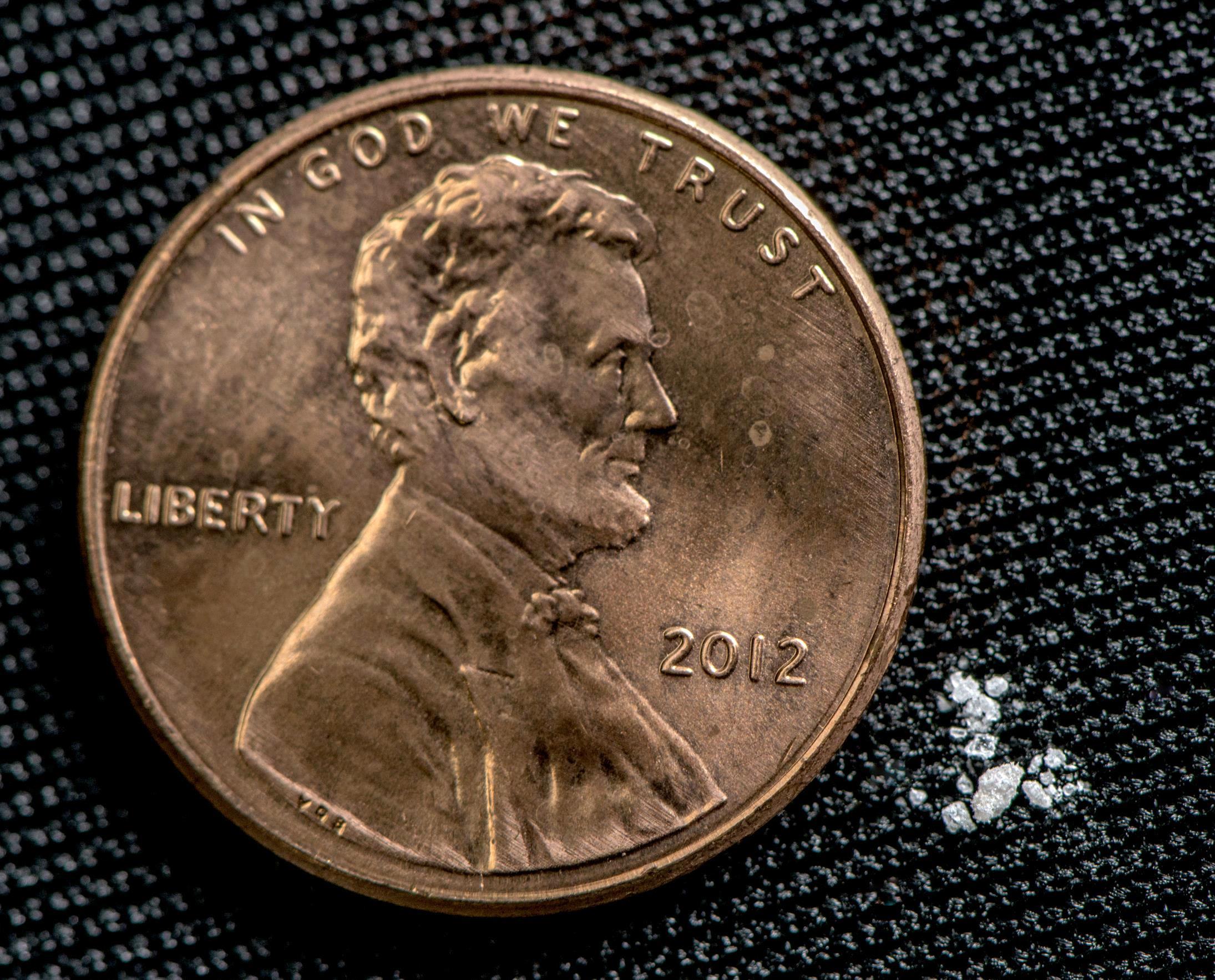
| Require Leading Zeros | Write 0.5 mg (NOT .5 mg) | DHA standards require a leading zero before a decimal point in medication dosages to prevent medication errors. Without it, .5 is easily misread as 5, causing a massive overdose. |
| Prohibit Trailing Zeros | Write 5 mg (NOT 5.0 mg) | DHA standards prohibit the use of trailing zeros in medication dosages. If the decimal point is missed, 5.0 is read as 50, resulting in a fatal 10-fold overdose. |
Verbal Orders
Under normal circumstances, physicians must input orders directly into the medical record. However, when a patient is coding or rapidly deteriorating, waiting for a doctor to log into a computer is deadly.
Therefore, Dubai Health Authority guidelines mandate that verbal medical orders are exclusively acceptable in emergency clinical situations.
Even in an emergency, the nurse cannot simply hear the order and administer the drug. A strict communication loop must be closed:
- Nurses receiving emergency verbal orders must immediately write down the complete order.
- Nurses receiving emergency verbal orders must read the complete order back to the prescribing physician for confirmation.
This "Write Down, Read Back" protocol is a classic Prometric exam focus because it neutralizes auditory misunderstandings in chaotic environments.
Infection Control
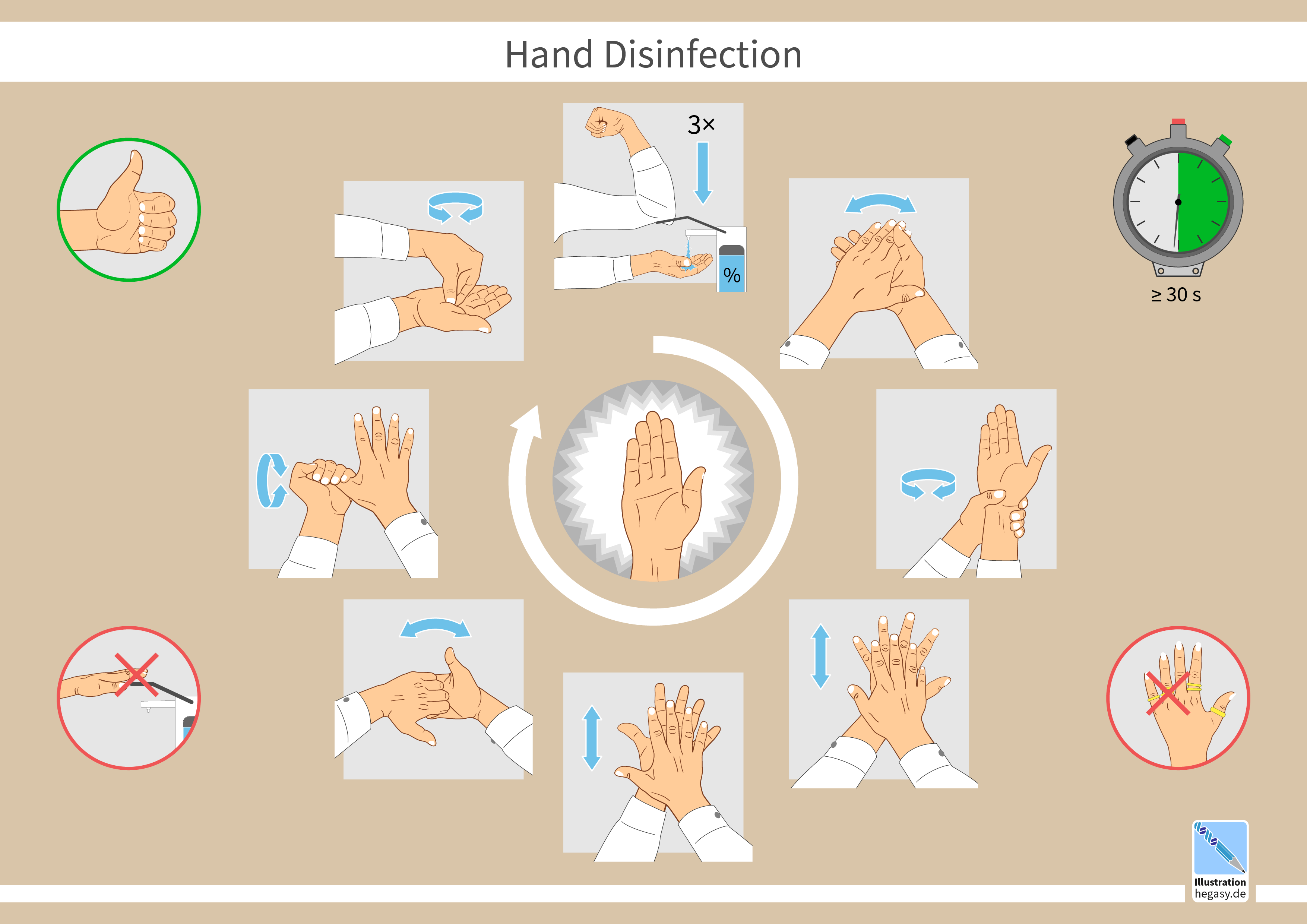
Finally, the invisible enemy. How do we stop healthcare-associated infections? We rely on global standards. Dubai Health Authority infection control guidelines mandate compliance with the World Health Organization's Five Moments for Hand Hygiene.
The WHO Five Moments:
- Before touching a patient.
- Before clean/aseptic procedures.
- After body fluid exposure/risk.
- After touching a patient.
- After touching patient surroundings.
Summary for the Exam
When you sit down at the Prometric testing center, view every situational question through the lens of the DHA framework. If an Assistant Nurse makes a mistake, look for the RN's accountability. If an order lacks a leading zero, flag it as a critical safety violation. If a patient offers you a lavish gift for excellent care, recognize the boundary violation. By internalizing not just the rules, but the rationale behind the Dubai Health Authority's regulations, you transition from simply memorizing facts to thinking like a fully actualized, legally sound, and culturally competent Dubai-licensed professional.