DOH Nursing Scope of Practice, Licensing & Professional Conduct (Abu Dhabi)
Not sure you’re ready?
Take the ~3-minute readiness diagnostic and see where you stand.
Stepping onto a hospital ward in Abu Dhabi requires more than clinical proficiency; it requires navigating a precise legal and regulatory architecture designed to standardize patient safety across a rapidly expanding healthcare ecosystem. At the center of this ecosystem is the Department of Health (DOH), the regulatory authority responsible for licensing healthcare professionals in the Emirate of Abu Dhabi. If you are examining old literature or speaking to veteran nurses, you will frequently hear the acronym HAAD; understand that the Health Authority Abu Dhabi (HAAD) was officially rebranded as the Department of Health (DOH) in 2017.
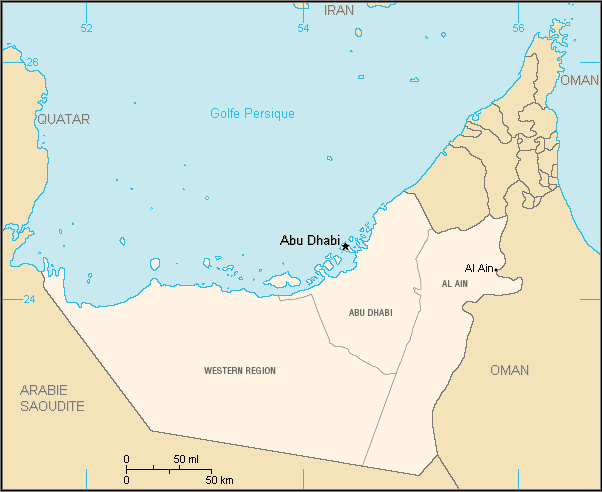
A valid DOH license is legally mandated for nurses to practice anywhere within the Emirate's jurisdiction, which importantly includes both the city of Abu Dhabi and the inland oasis city of Al Ain. Crucially, healthcare regulation in the United Arab Emirates is geographically specific. A DOH nursing license does not grant the legal right to practice nursing in Dubai (which operates under the Dubai Health Authority), nor does it grant the legal right to practice nursing in the Northern Emirates of the United Arab Emirates (which operate under the Ministry of Health and Prevention). To practice in Abu Dhabi, you must master the DOH's specific regulatory vocabulary, its tiered scope of practice, and its uncompromising bioethical framework.
Before you ever sit for the DOH licensing exam, your clinical background must be measured against an objective standard. The DOH does not evaluate credentials blindly; it utilizes a foundational document called the Professional Qualification Requirements (PQR). The PQR document outlines the mandatory education criteria and the mandatory clinical experience criteria for United Arab Emirates healthcare licensure.
Think of the PQR as the architectural blueprint for a nurse. However, because internationally-educated nurses come from vastly different regulatory environments, the DOH must prove that your blueprint is authentic. To do this, the DOH utilizes an investigative engine called the DataFlow Group, which conducts Primary Source Verification of an applicant's credentials.
Primary Source Verification is not a mere background check; it is a direct line to your professional past. This process directly authenticates academic documents with the original issuing universities and directly authenticates employment histories with previous healthcare employers.
To initiate this process, internationally-educated nurses must hold an active nursing license from their home country to qualify for a DOH license. The entire bureaucratic journey—from submitting your initial DataFlow report to booking your exam—is routed through the TAMM digital platform, the centralized system that manages professional healthcare licensing applications in Abu Dhabi.
Once TAMM clears your verified credentials against the PQR, you are authorized to sit for the DOH registered nurse licensing examination. This exam is a test of safe clinical judgment, administered electronically via Pearson VUE testing centers.
DOH Nursing Exam Specifications
- Format: Administered electronically via Pearson VUE.
- Volume: Consists of approximately 150 multiple-choice questions.
- Duration: Has a designated time limit of two and a half hours.
- Stakes: A nursing candidate is permitted a maximum of three attempts to pass the DOH licensing examination.
When you pass this examination, you do not immediately receive a license to practice. Instead, passing the DOH licensing examination grants the nursing candidate an eligibility letter.
An eligibility letter is analogous to a visa approval—it confirms that you are cleared to enter the system, but you still need a sponsor. Specifically, a DOH eligibility letter confirms that the nursing applicant meets all Professional Qualification Requirements, but a DOH eligibility letter does not grant the legal right to begin clinical nursing practice. Activating a DOH nursing license requires the eligibility letter to be linked to an approved Abu Dhabi healthcare employer.
Once your license is active, maintaining it requires active participation. DOH nursing license renewal mandates the ongoing accumulation of Continuing Medical Education (CME) credits, ensuring your clinical knowledge remains current. Furthermore, maintaining an active Basic Life Support (BLS) certification is a mandatory requirement for DOH nursing licensure; a lapsed BLS card means a lapsed ability to legally touch a patient.
The DOH officially recognizes three distinct nursing titles, each with strictly defined educational prerequisites and operational boundaries. Understanding these boundaries is critical for the DOH exam, as delegation and scope-of-practice scenarios make up a substantial portion of the test.
1. The Registered Nurse (RN)
The RN is the linchpin of the clinical ward. The Professional Qualification Requirements dictate that a Registered Nurse applicant must hold a Bachelor of Science in Nursing degree. To meet DOH standards, a Bachelor of Science in Nursing degree must encompass a minimum of three years of full-time academic study. Furthermore, internationally-educated Registered Nurse applicants must possess a minimum of two years of post-qualification clinical experience to meet DOH licensure requirements.
2. The Assistant Nurse
The DOH officially recognizes the Assistant Nurse title for practitioners whose role is fundamentally supportive. The Assistant Nurse title requires completion of a formal nursing diploma program. Under DOH standards, a qualifying nursing diploma program for the Assistant Nurse title must have a minimum duration of 18 months.
Because of this condensed educational background, Assistant Nurses are legally restricted from independently managing complex patient care scenarios. An Assistant Nurse must operate exclusively under the direct clinical supervision of a licensed Registered Nurse.
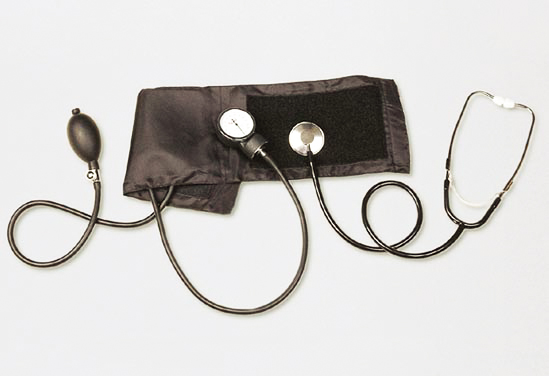
The Golden Rule of Delegation: The Registered Nurse retains ultimate accountability for patient outcomes when delegating standard care tasks to an Assistant Nurse. Consequently, tasks demanding independent clinical judgment cannot be legally delegated to an Assistant Nurse. Similarly, complex patient assessment tasks cannot be legally delegated to unlicensed assistive personnel (UAPs). If a patient's condition is unstable or requires nuanced interpretation of vital signs, the RN must perform the assessment.
3. The Advanced Practice Nurse (APN)
At the peak of the clinical hierarchy, the DOH officially recognizes the Advanced Practice Nurse title. These highly educated professionals operate in an expanded paradigm. Advanced Practice Nurses in Abu Dhabi possess the clinical authority to formulate medical diagnoses and possess the clinical authority to order specific clinical investigations (such as lab work and imaging). Furthermore, the DOH framework grants Advanced Practice Nurses limited prescriptive authority within approved clinical settings.
| DOH Recognized Title | Educational Requirement | Clinical Scope & Delegation Rules |
|---|---|---|
| Assistant Nurse | Nursing Diploma (Min. 18 months) | Must operate under direct RN supervision. Cannot make independent clinical judgments. |
| Registered Nurse (RN) | BSc in Nursing (Min. 3 years full-time) + 2 yrs experience | Independent care of complex patients. Retains ultimate accountability for delegated tasks. |
| Advanced Practice Nurse (APN) | Master's/Doctoral APN program | Can formulate medical diagnoses, order investigations, and utilize limited prescriptive authority. |
Clinical excellence in Abu Dhabi must be paired with cultural competence and ethical rigidity. The DOH Healthcare Workforce Bioethics Guidelines establish the unified ethical standards for professional conduct in Abu Dhabi.
Cultural Sensitivity and Modesty
Healthcare delivery in Abu Dhabi must demonstrate cultural sensitivity by respecting Islamic values regarding patient modesty. This is not merely a polite suggestion; it translates into concrete clinical rules. For instance, DOH standards strictly require the presence of a female chaperone when a male healthcare provider examines a female patient. Failing to secure a chaperone in this scenario is a severe breach of professional conduct.
Autonomy, Consent, and Non-Maleficence
Nurses are ethically obligated to respect patient autonomy by supporting a patient's informed right to refuse medical treatment. If a competent patient declines a life-saving intervention, the nurse's role is to ensure they understand the consequences, not to force compliance.
In the realm of surgery and invasive procedures, a nurse must independently verify that a patient comprehends a scheduled procedure before obtaining informed surgical consent. You are not merely a witness to a signature; you are the final safeguard confirming the patient's understanding.
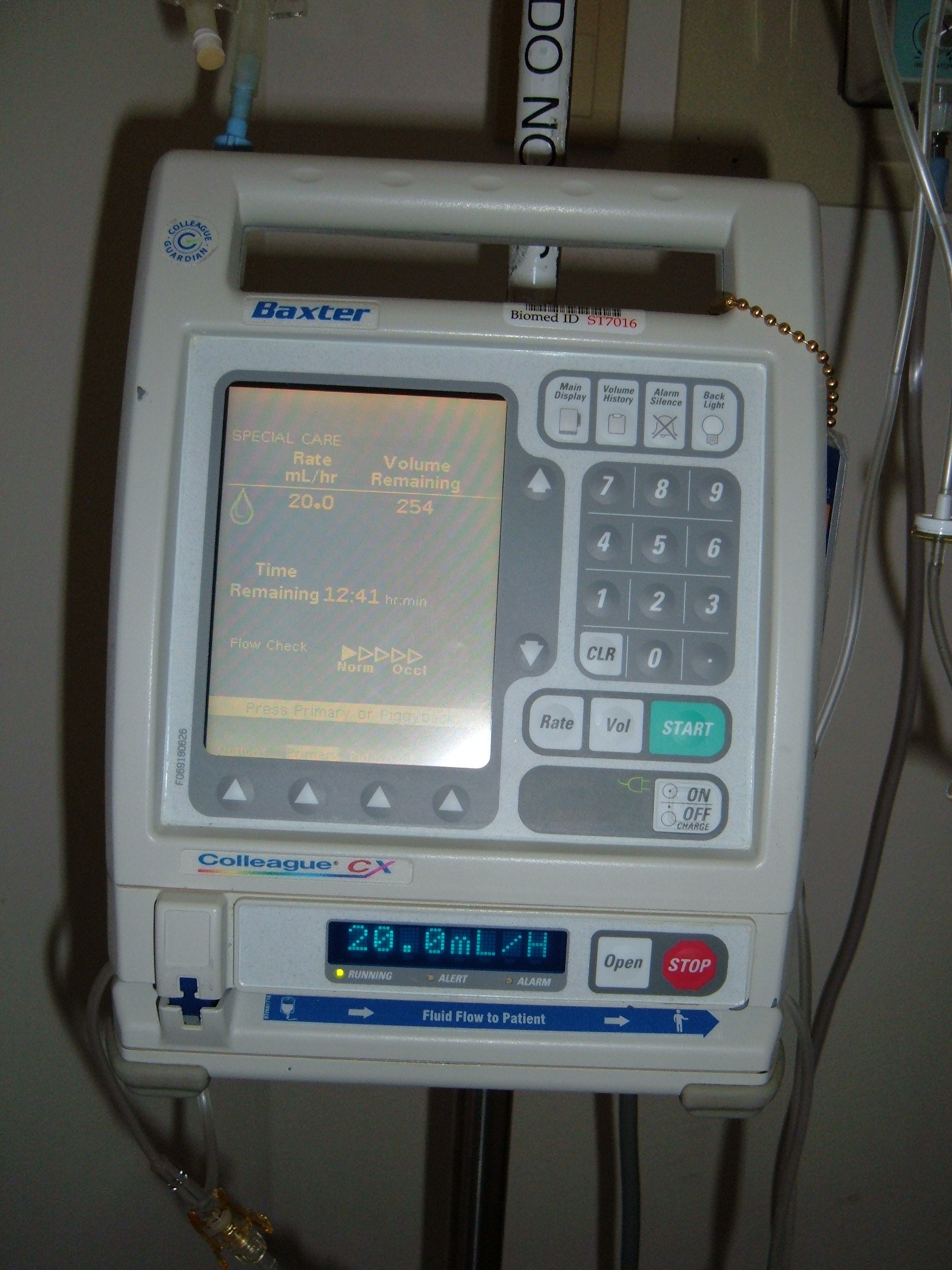
Simultaneously, the bioethical principle of non-maleficence requires nurses in Abu Dhabi to actively identify risks to prevent patient harm. If you spot a wet floor, a frayed wire on an IV pump, or an incorrectly transcribed medication, non-maleficence dictates that you intervene immediately.
Confidentiality and Professional Boundaries
Federal United Arab Emirates laws mandate strict adherence to patient data confidentiality across all healthcare facilities in Abu Dhabi. The rule is absolute: Patient health information must only be shared with healthcare personnel directly participating in the active clinical management of that patient. Discussing a fascinating case with a colleague from a different ward is a federal legal violation.
Similarly, the DOH enforces absolute zero-tolerance policies regarding professional boundaries. Establishing financial relationships with patients constitutes a severe violation of DOH professional boundary guidelines. Establishing intimate personal relationships with patients constitutes a severe violation of DOH professional boundary guidelines. You are a clinical provider, nothing else.
When you place thousands of humans in a high-stress environment, errors will occur. The DOH does not expect perfection, but it demands radical transparency.
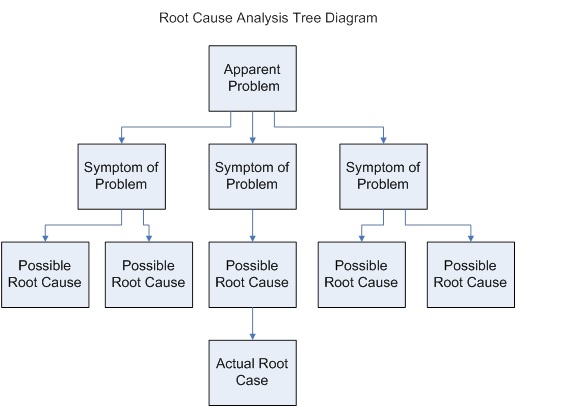
To ensure everyone speaks the same language when things go wrong, the DOH Patient Safety Taxonomy provides standardized terminology for documenting medical errors and provides standardized terminology for conducting clinical root cause analyses. If an error involves a medication, it requires a specific channel: The Abu Dhabi Pharmacovigilance Reporting Service is the mandatory DOH channel for reporting adverse drug reactions.
The "Just Culture" Framework
Why do nurses sometimes hide their mistakes? Fear. To combat this, Abu Dhabi utilizes a specialized clinical governance framework. The DOH clinical governance framework mandates the prompt reporting of all patient safety incidents, and equally importantly, it mandates the prompt reporting of near-miss clinical events (an event that could have caused harm but was caught just in time).
To encourage this reporting, DOH institutions operate under a just culture framework. A just culture framework protects healthcare workers who report systemic errors without fear of immediate punitive retaliation. If you administer the wrong dose of a medication because two structurally identical vials were placed in the same bin by the pharmacy, the system will look to fix the bin, not fire you.

However, do not mistake "just culture" for immunity. A just culture framework maintains strict professional accountability for acts of willful clinical negligence. If you deliberately bypass a barcode scanning safety protocol to save time and harm a patient, you are fully, legally, and professionally accountable.
By understanding the DOH's regulatory framework, mastering the strict rules of delegation, and internalizing the bioethical and cultural guidelines of the Emirate, you are not simply preparing to pass 150 multiple-choice questions on a Pearson VUE screen. You are preparing to be a safe, effective, and legally sound clinical practitioner in the Emirate of Abu Dhabi.