Medical Nursing
Not sure you’re ready?
Take the ~3-minute readiness diagnostic and see where you stand.
The human adult body is an intricate, beautifully balanced machine governed by fluid dynamics, electrical conduction, and chemical feedback loops. When you walk onto a medical ward in Riyadh or Jeddah, you are not merely observing a collection of symptoms; you are witnessing these physical and chemical systems pushed to their physiological limits. Adult medical nursing requires understanding exactly how and why these systems fail, and precisely how to intervene. For nurses preparing for the Saudi Nursing Licensure Examination (SNLE) and establishing their Mumaris+ professional registration, mastering this underlying logic is the difference between blindly following orders and actively saving a life.
To understand the heart, you must think like an engineer. The heart is a muscular pump governed by electrical timing, and it requires a constant, uninterrupted supply of oxygen-rich blood to perform its mechanical work. The normal range for a resting adult heart rate is 60 to 100 beats per minute, reflecting the baseline firing rate of the sinoatrial node.
When the heart muscle's demand for oxygen exceeds the supply provided by the coronary arteries, the patient experiences ischemia, translated clinically as chest pain. We categorize this ischemic pain based on predictability and severity.
- Stable angina pain is typically relieved by physical rest, as lowering the heart rate decreases myocardial oxygen demand. If rest is insufficient, stable angina pain is typically relieved by sublingual nitroglycerin, a potent vasodilator that expands the coronary vessels. Because this medication dilates blood vessels systemically, a common adverse effect of sublingual nitroglycerin is a headache—a direct result of cerebral vasodilation.
- Conversely, unstable angina occurs at rest and indicates worsening myocardial ischemia. The plaque in the coronary artery has likely ruptured, and the "pipes" are critically narrowed.
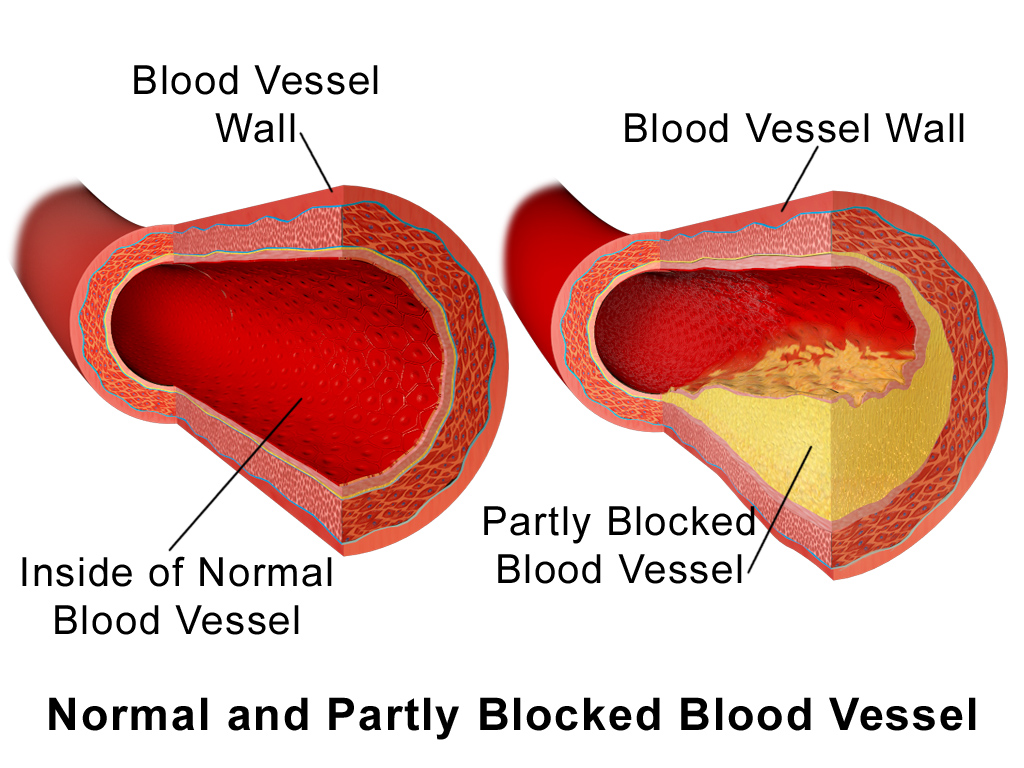
If ischemia progresses to infarction (tissue death), cellular membranes break open, spilling their intracellular contents into the bloodstream. This is why serum troponin levels elevate within 4 to 6 hours of myocardial injury. Measuring this biomarker allows us to definitively diagnose a myocardial infarction.
The Mechanics of Heart Failure
Heart failure is essentially a traffic jam in the circulatory system. When the pump weakens, fluid backs up behind the failing ventricle.
Clinical Principle of Heart Failure The location of the backup dictates your clinical assessment findings. You must trace the anatomy backward from the failing ventricle.
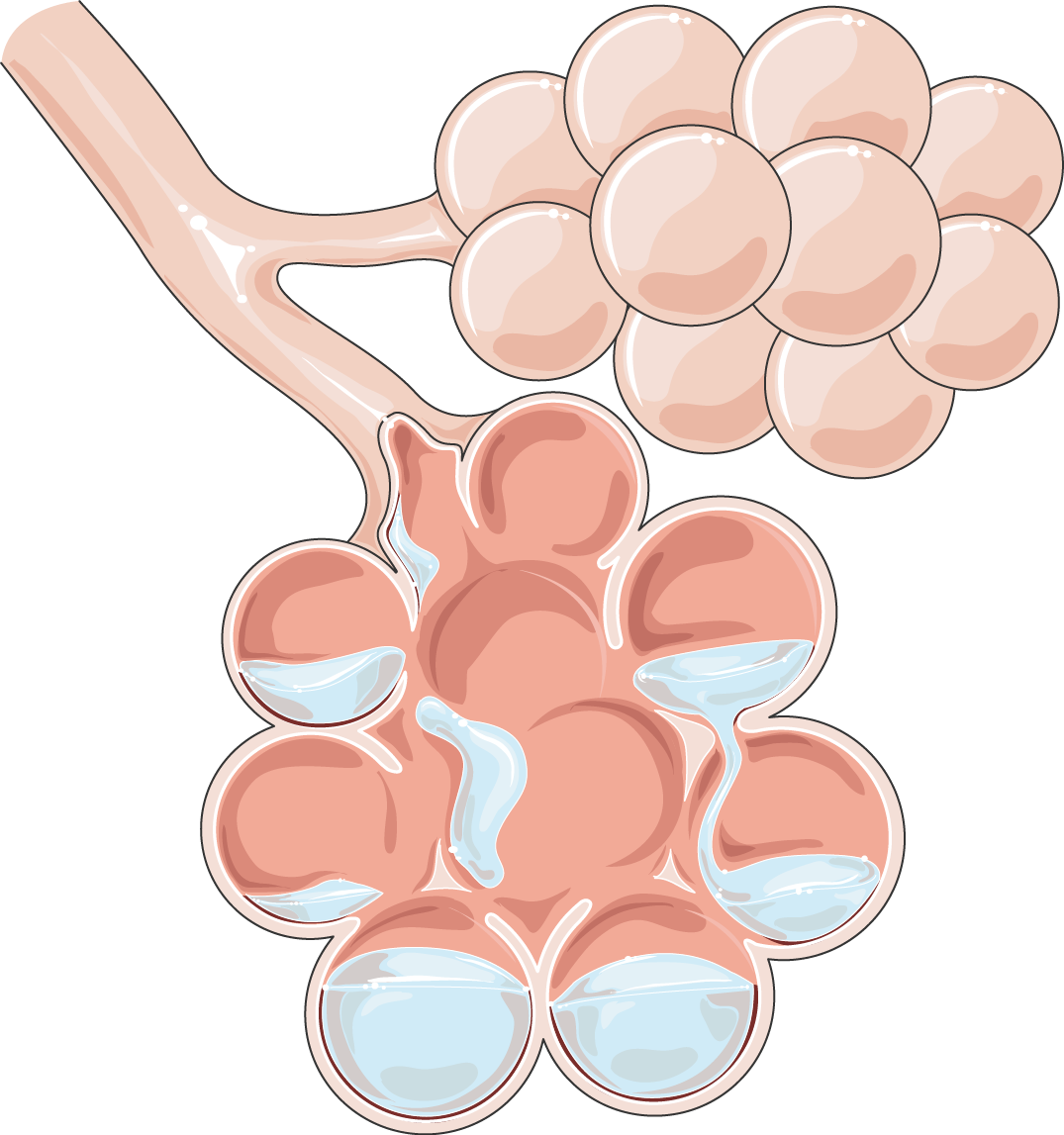
- Left-Sided Heart Failure: The left ventricle pumps blood to the systemic circulation. When it fails, fluid backs up into the pulmonary veins and capillaries. Therefore, left-sided heart failure causes pulmonary congestion. At the bedside, crackles auscultated in the lung bases indicate left-sided heart failure as fluid leaks into the alveoli.
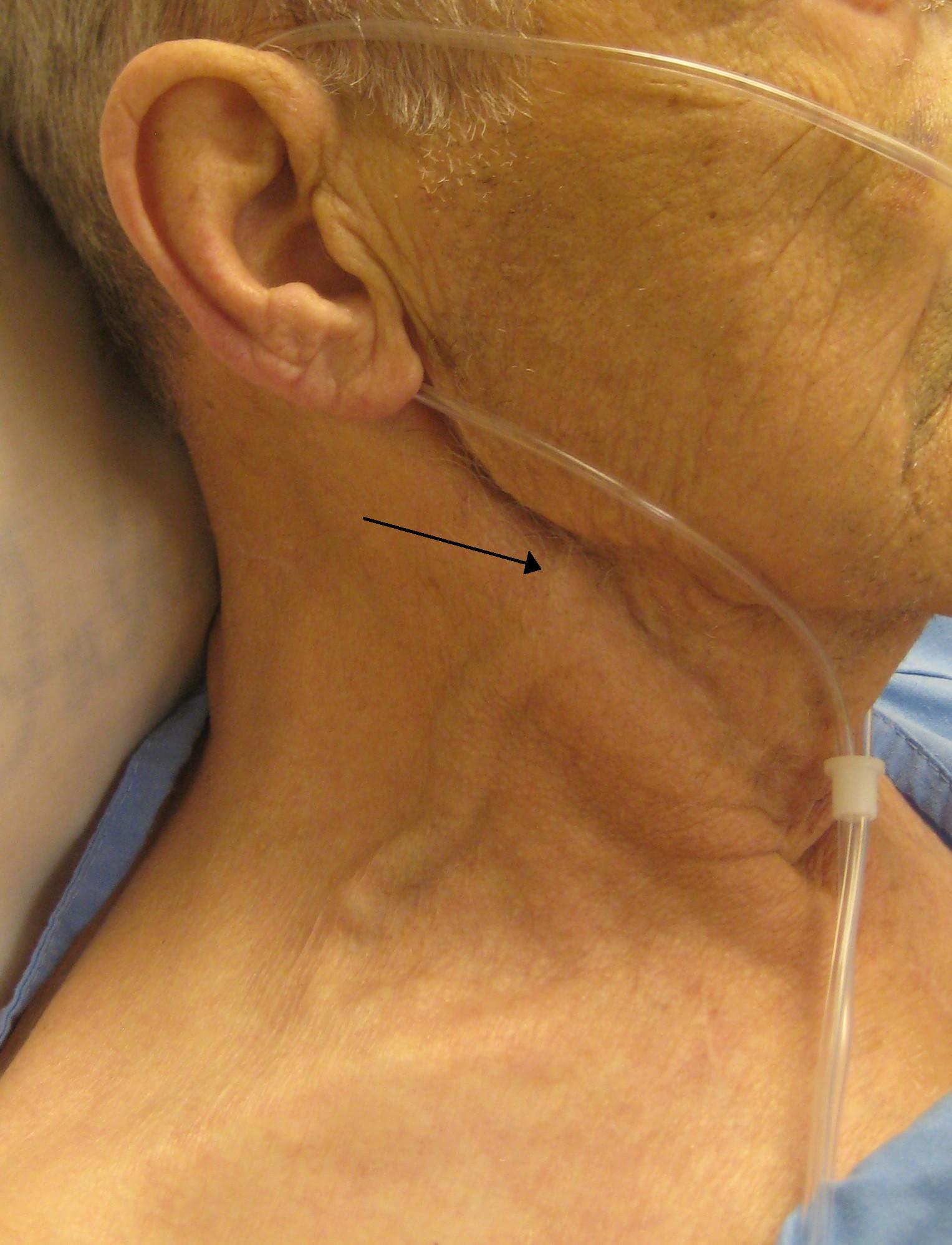
- Right-Sided Heart Failure: The right ventricle pumps blood to the lungs. When it fails, fluid backs up into the vena cava. Consequently, right-sided heart failure causes systemic venous congestion. The neck veins, being the most direct visual extension of the superior vena cava, engorge; thus, jugular venous distension is a clinical sign of right-sided heart failure.
The lungs operate on principles of elastic recoil and airway resistance.
Asthma is characterized by reversible airway inflammation and bronchoconstriction. Because the constriction is reversible, we treat the acute structural narrowing directly. Albuterol is a short-acting beta-agonist used as a rescue inhaler for acute asthma attacks, rapidly relaxing the smooth muscle of the bronchioles.
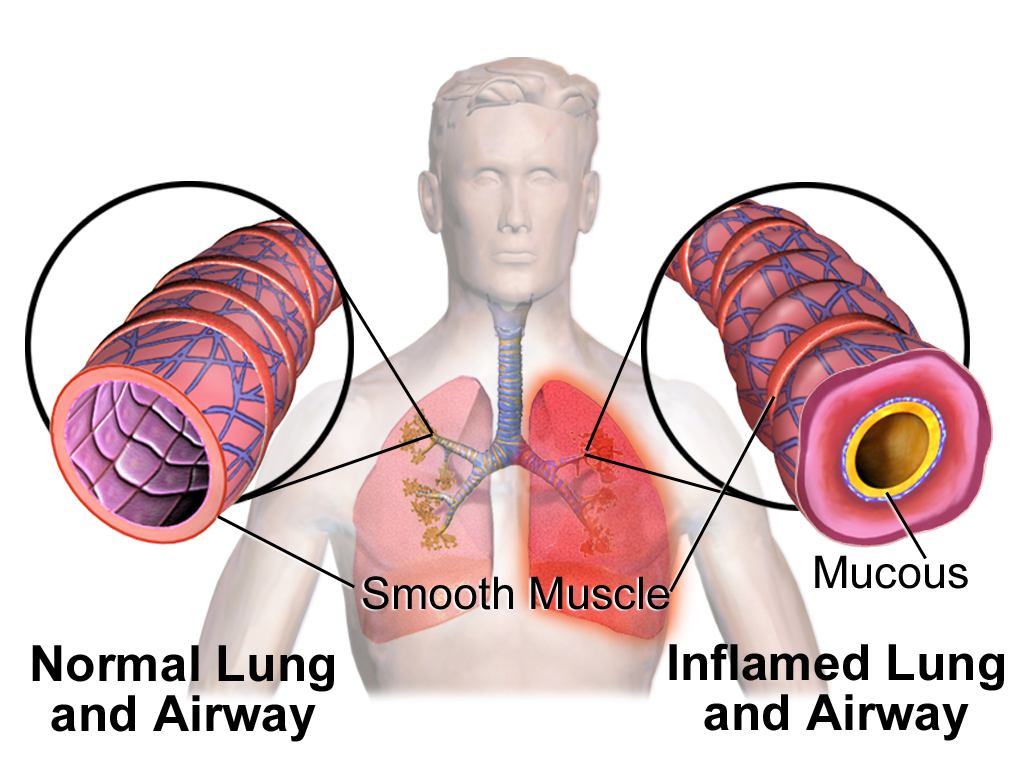
In contrast, chronic obstructive pulmonary disease limits airflow out of the lungs due to permanent structural damage. The alveoli lose their elastic recoil, trapping stale air inside. Over years, this chronic hyperinflation physically remodels the rib cage; hence, a barrel chest is a physical assessment finding associated with pulmonary emphysema, a primary phenotype of COPD.
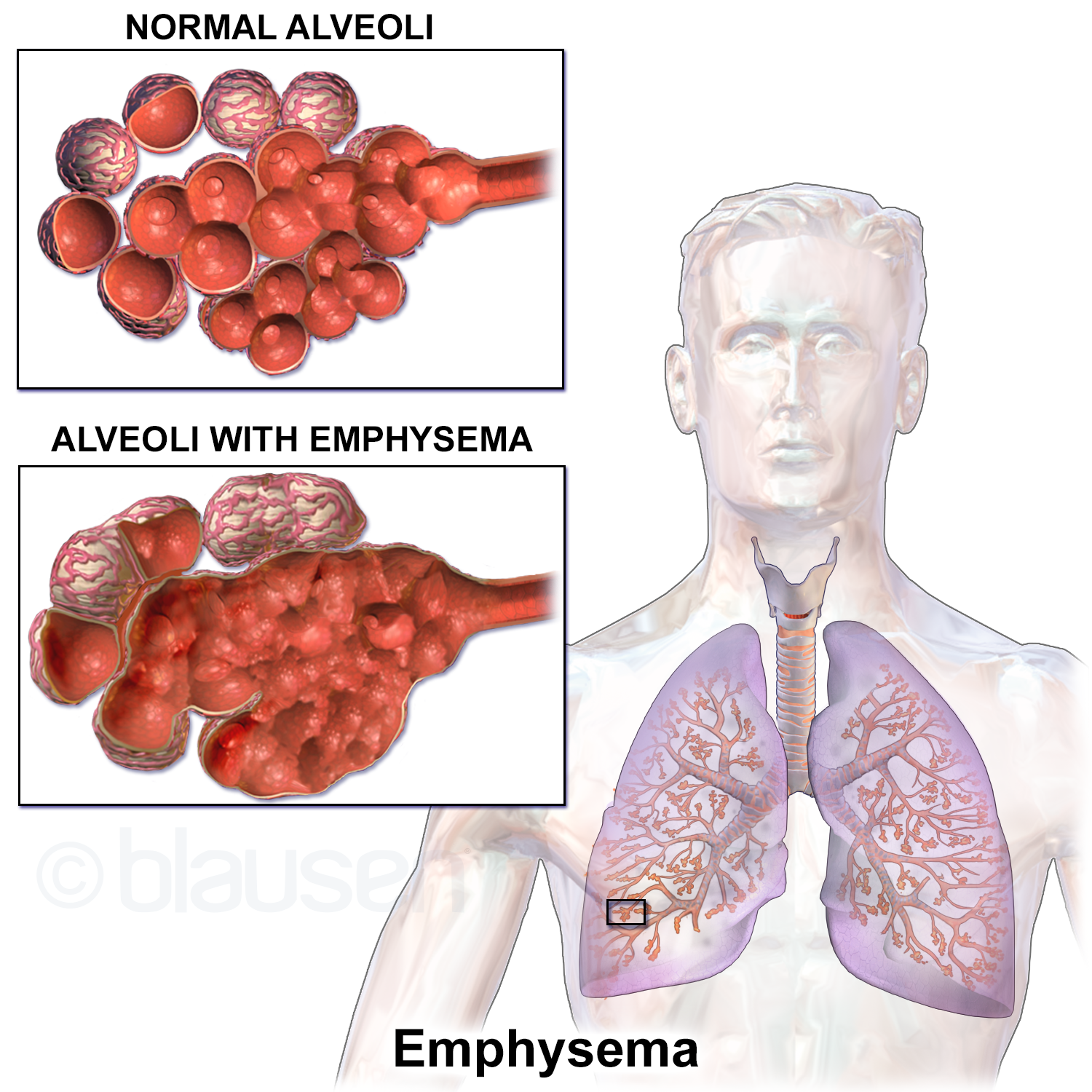
To help COPD patients exhale trapped air, we teach them altered mechanics. Pursed-lip breathing prolongs exhalation to prevent airway collapse, creating positive end-expiratory pressure that stents the floppy airways open. Furthermore, because these patients chronically retain carbon dioxide, their drive to breathe shifts to depend on mild hypoxemia. Therefore, oxygen therapy for patients with chronic obstructive pulmonary disease aims to maintain oxygen saturation between 88% and 92%. Pushing their oxygen higher can suppress their respiratory drive.
Pulmonary Infection Protocols
When structural integrity is compromised by infectious agents like Mycobacterium tuberculosis, transmission physics become a priority. Tuberculosis is transmitted through airborne droplet nuclei, which are so small (1 to 5 microns) they remain suspended in room air for hours. To filter out these microscopic particles, standard surgical masks are useless; healthcare workers must wear an N95 respirator when caring for patients with active pulmonary tuberculosis.
The endocrine system utilizes hormones as chemical messengers to regulate the body's fuel consumption and basal metabolic rate.
Diabetes Mellitus: The Glucose Crisis
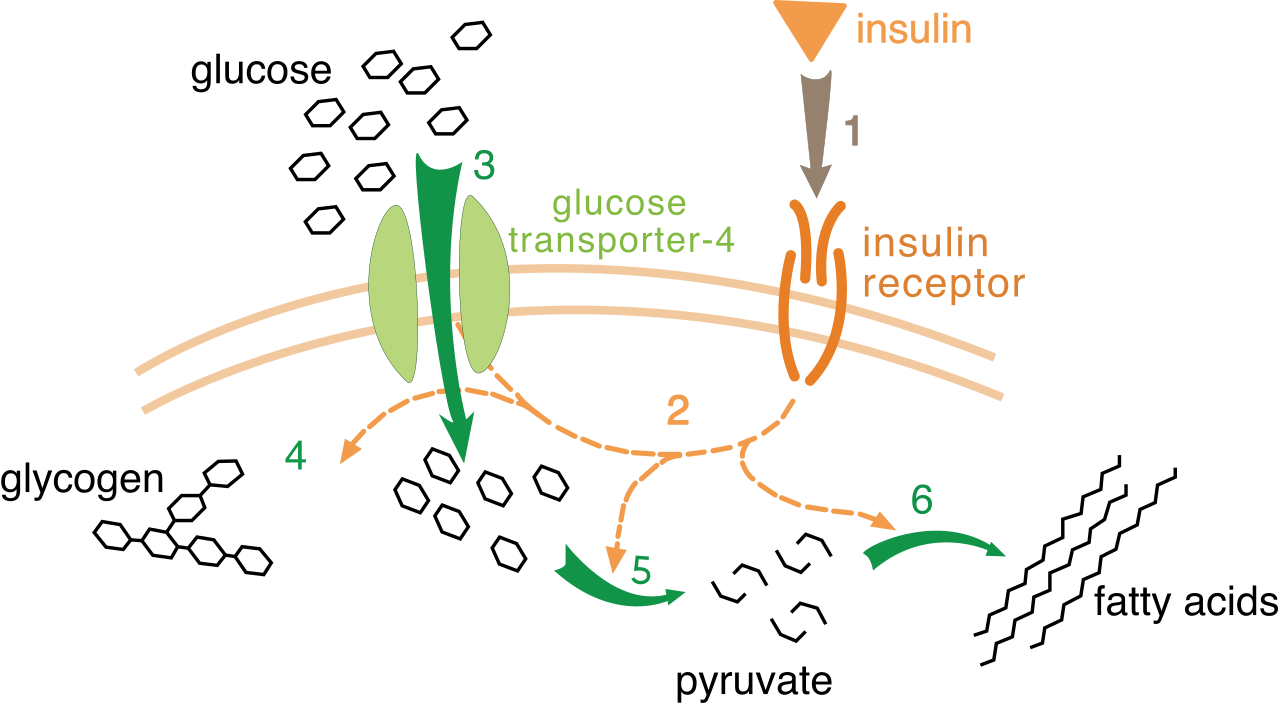
Glucose is the primary fuel for the brain and body, but it cannot enter most cells without insulin.
- Type 1 diabetes mellitus involves the autoimmune destruction of pancreatic beta cells. These patients produce zero insulin.
- Type 2 diabetes mellitus involves cellular insulin resistance and progressive insulin deficiency. The body produces insulin, but the cells ignore the signal.
Glucose Metrics to Memorize for the SNLE
- A normal fasting blood glucose level is between 70 and 99 mg/dL.
- Hemoglobin A1c levels indicate average blood glucose control over the previous 2 to 3 months, because glucose permanently attaches to the hemoglobin molecule for the lifespan of the red blood cell (120 days).
- A hemoglobin A1c level of 6.5% or higher is diagnostic for diabetes mellitus.
The most acute danger for a diabetic patient on insulin or secretagogues is hypoglycemia. Hypoglycemia is defined as a blood glucose level below 70 mg/dL. As the brain begins to starve, it triggers a massive sympathetic nervous system response—a literal alarm bell. This is why diaphoresis is a common early clinical sign of hypoglycemia.
To treat this, we rely on precise, measurable interventions rather than guesswork. The "15-15 rule" for hypoglycemia involves giving 15 grams of fast-acting carbohydrates and rechecking blood glucose in 15 minutes.
Thyroid Regulation
The thyroid gland acts as the body's thermostat. Hypothyroidism decreases the body's basal metabolic rate, leading to fatigue, weight gain, and cold intolerance. We replace this missing hormone synthetically, but the pharmacology requires strict environmental control in the gut: levothyroxine must be taken on an empty stomach 30 to 60 minutes before breakfast, because food dramatically inhibits its absorption.
The GI tract is an acidic environment that requires robust mechanical valves and thick mucosal linings to prevent self-digestion.
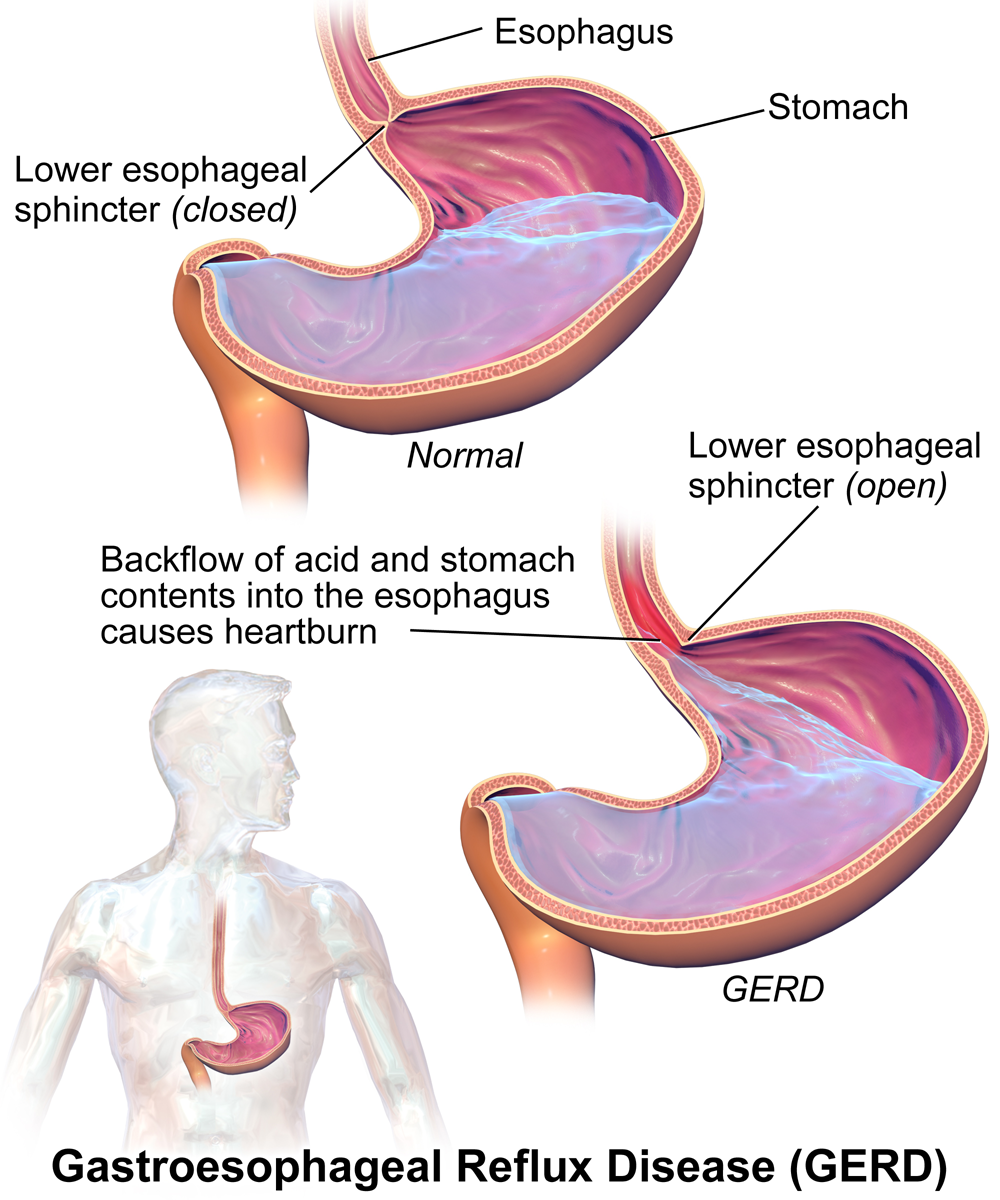
Gastroesophageal reflux disease is caused by the abnormal relaxation of the lower esophageal sphincter. When this muscular valve fails, stomach acid washes upward into the unprotected esophagus. Simple gravity exacerbates this; therefore, patients with gastroesophageal reflux disease should avoid eating within 3 hours of bedtime to ensure the stomach is empty before they lie flat.
If the protective mucosal barrier in the lower structures fails entirely, ulceration occurs. Peptic ulcer disease involves mucosal erosion of the stomach or duodenum. While stress and NSAIDs contribute, Helicobacter pylori infection is the most common cause of peptic ulcer disease.
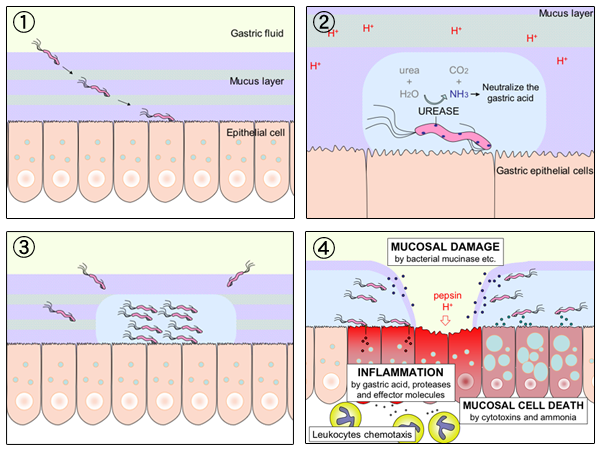
The timing of a patient's pain provides clues to the ulcer's anatomical location, based purely on the mechanics of eating:
- Pain from a gastric ulcer typically worsens immediately after eating food, because the introduction of food triggers an immediate surge of acid production, which washes over the raw gastric sore.
- Pain from a duodenal ulcer typically improves immediately after eating food, because the pyloric sphincter closes to allow the stomach to churn, and the food buffers the acid, temporarily protecting the duodenum.
The kidneys are sophisticated filters that clear toxins, manage fluid volume, and maintain a precarious balance of electrolytes.
When the kidneys fail, the timeline dictates our classification. Acute kidney injury is a sudden decline in renal function, often marked by a dramatic drop in urine output. Oliguria is defined as a urine output of less than 400 mL per day in an adult.
In contrast, chronic kidney disease involves the progressive and irreversible loss of functioning nephrons. As these nephrons die, the kidney loses its ability to excrete potassium. Normal serum potassium levels range from 3.5 to 5.0 mEq/L. When the kidneys fail to clear it, potassium accumulates in the blood. Hyperkalemia is a life-threatening electrolyte imbalance associated with chronic kidney disease, primarily due to its effect on the heart's electrical conduction system.
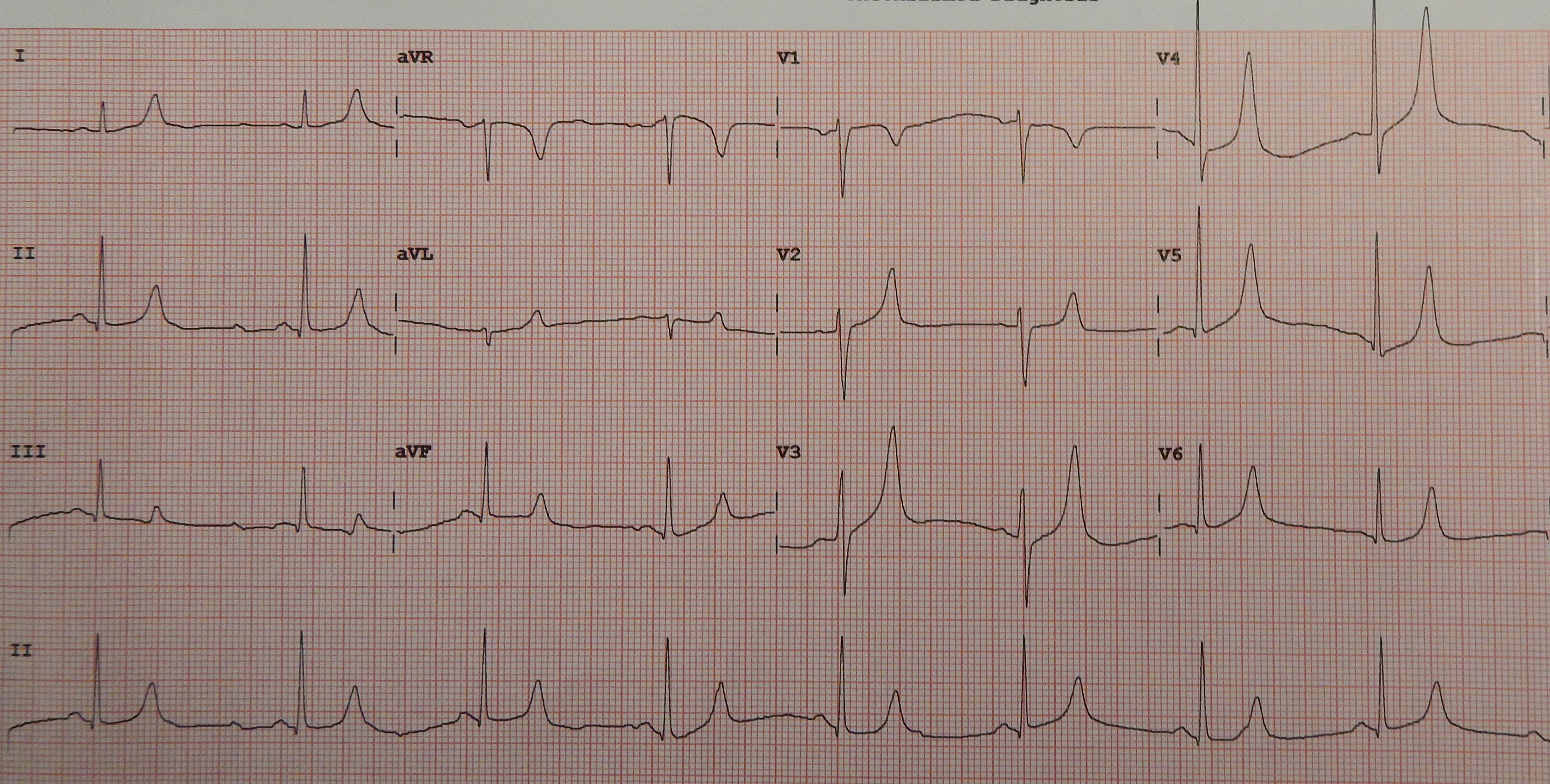
ECG Warning Sign: Potassium dictates cardiac repolarization. Therefore, peaked T waves on an electrocardiogram are an early sign of hyperkalemia, signaling that ventricular arrhythmias may be imminent.
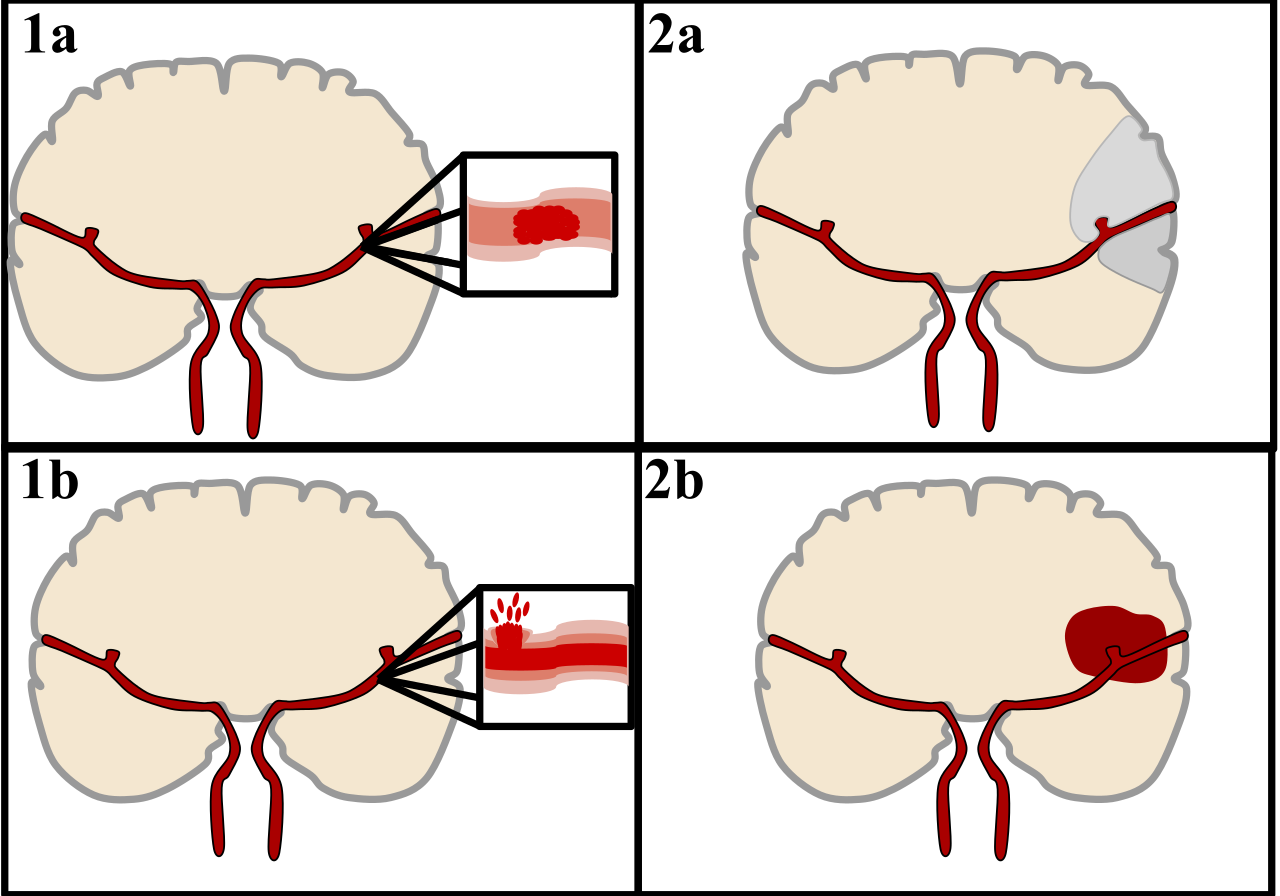
The brain is uniquely intolerant of both ischemia and hemorrhage. Stroke (cerebrovascular accident) is a disruption of this blood supply.
- Ischemic strokes result from a thrombus or embolus occluding a cerebral blood vessel. The territory of brain tissue downstream starves. If identified rapidly, tissue plasminogen activator must be administered within 3 to 4.5 hours of ischemic stroke symptom onset to dissolve the clot and restore flow.
- Hemorrhagic strokes result from the rupture of a cerebral blood vessel, spilling blood into the brain parenchyma, which increases intracranial pressure and causes toxicity. tPA is absolutely contraindicated here.
- A "warning shot" for stroke is a TIA. By definition, a transient ischemic attack produces temporary neurologic deficits without permanent brain tissue infarction.
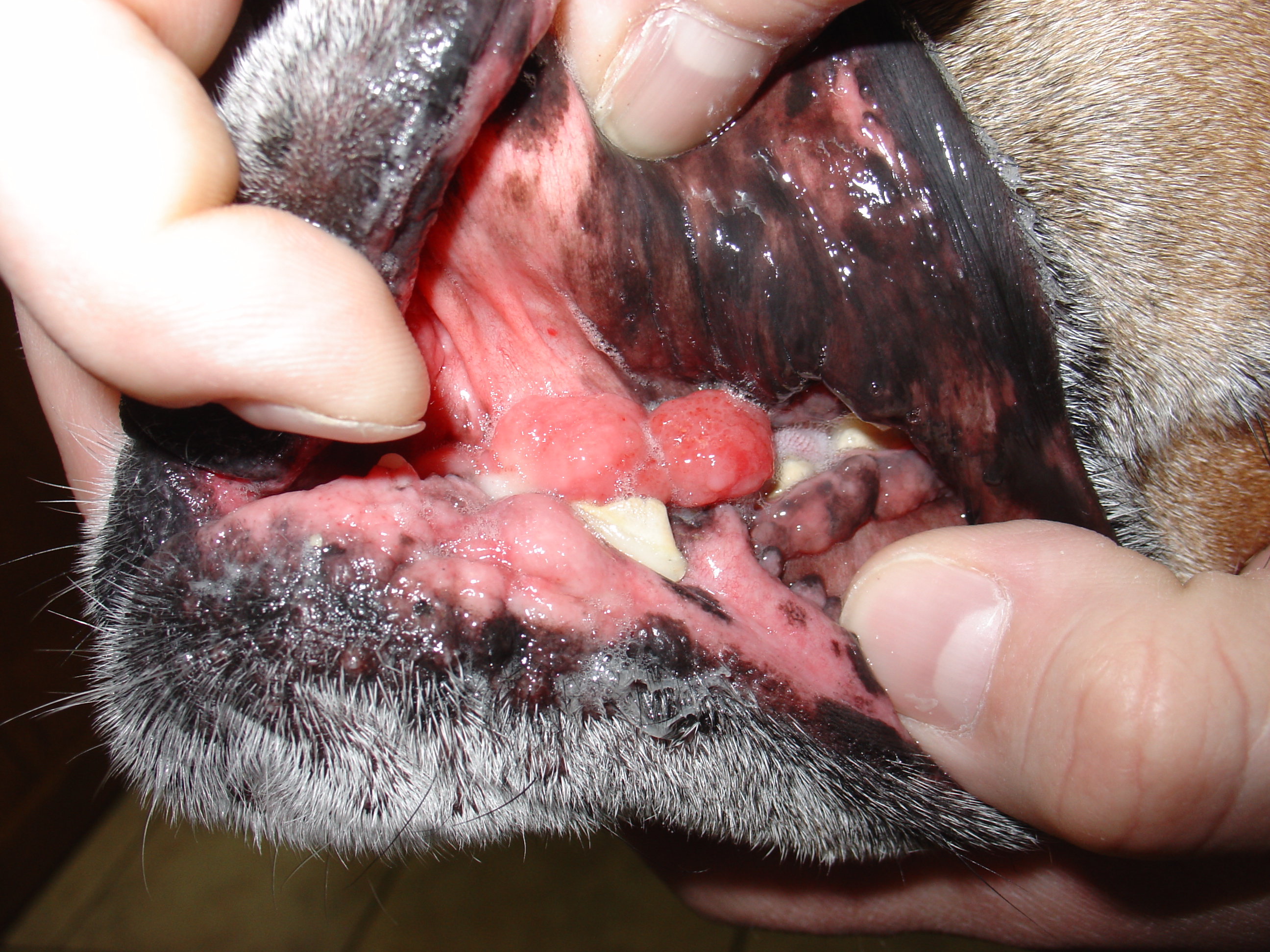
Beyond vascular issues, the brain can suffer from electrical storms. Phenytoin is an anticonvulsant medication used to prevent seizures by dampening this hyper-excitability. However, nurses must monitor for its unique, localized side effects; gingival hyperplasia is a common adverse effect of long-term phenytoin therapy, requiring meticulous oral hygiene.
Nursing is not a trade based on tradition; it is an applied science. Evidence-based practice integrates clinical expertise with the best available clinical evidence and patient preferences.
To navigate the vast sea of medical literature, we structure our inquiries methodically. The PICO format is used to formulate searchable clinical questions in evidence-based practice. Within this framework, the "P" in the PICO format stands for Patient, Population, or Problem, ensuring our research is precisely targeted to our clinical scenario.
When we evaluate the literature, we rank evidence hierarchically:
- Randomized controlled trials provide the highest level of primary research evidence for evaluating clinical treatments, as their design inherently eliminates bias and confounding variables.
- At the absolute top of the evidence pyramid, systematic reviews synthesize data from multiple independent studies to answer a specific clinical question, giving us the definitive consensus of the scientific community.

Chronic Illness and Behavioral Modification
Our ultimate goal in medical nursing is not just treating acute crises in the hospital, but engineering a patient's life to prevent them. Medication adherence in chronic illness prevents acute disease exacerbations and hospital readmissions.
We employ highly targeted behavioral prescriptions grounded in physiological realities:
- Hypertension: The Dietary Approaches to Stop Hypertension diet reduces blood pressure through increased potassium and low sodium intake.
- Cardiovascular Health: The American Heart Association recommends adults engage in at least 150 minutes of moderate-intensity aerobic exercise per week.
- Pulmonary Preservation: For COPD patients, the lung damage is done, but smoking cessation significantly slows the accelerated decline of lung function in patients with chronic obstructive pulmonary disease. Because nicotine is deeply chemically addictive, nicotine replacement therapies help reduce physiological withdrawal symptoms during smoking cessation, vastly improving success rates.
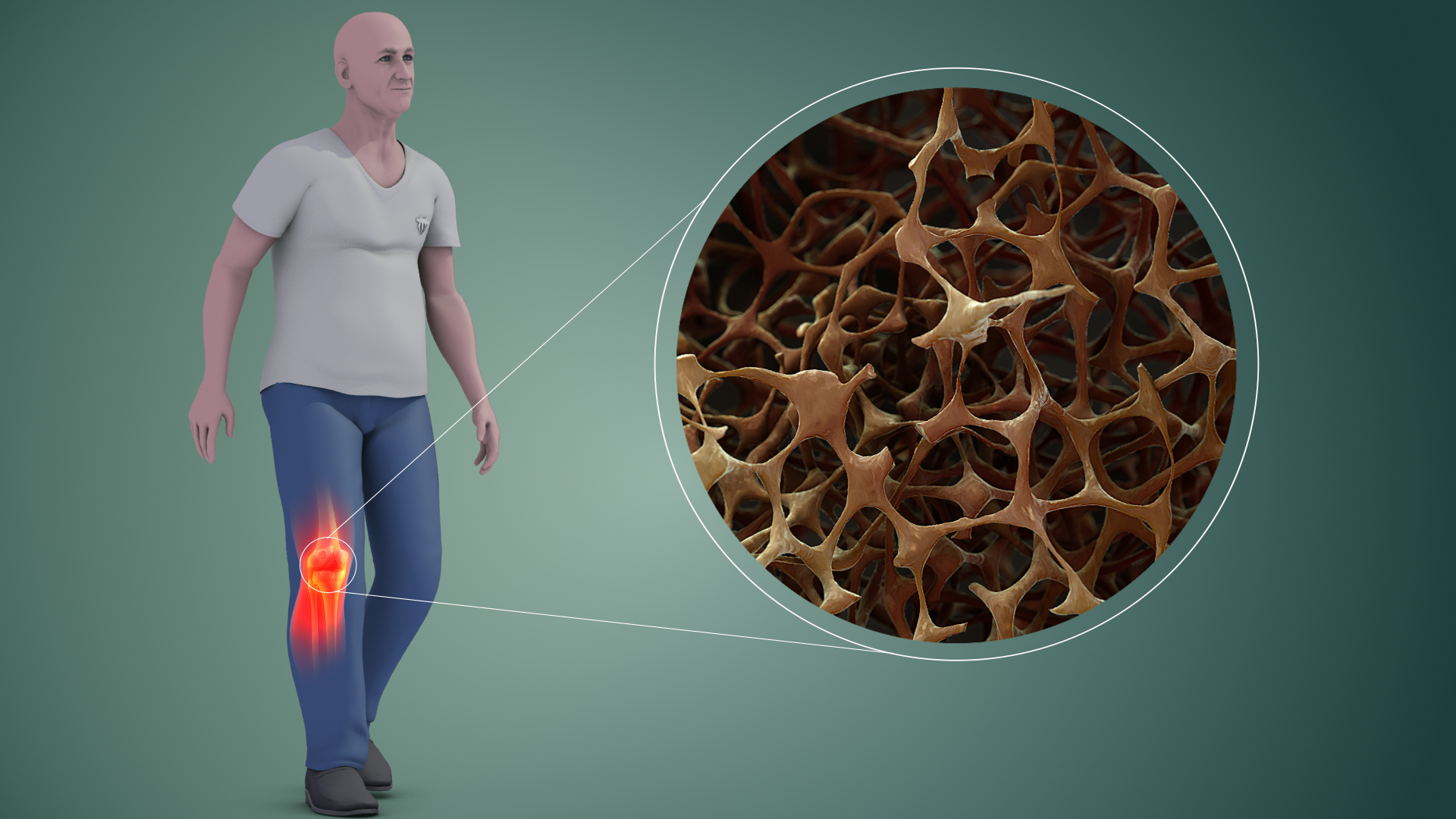
- Bone Density: Bones operate on a "use it or lose it" mechanical principle. Weight-bearing exercises stimulate bone remodeling to help prevent osteoporosis in adult patients, utilizing the physical stress of gravity to signal osteoblasts to build stronger bone matrix.
By understanding the physiological why behind every assessment and intervention, you transition from simply performing nursing tasks to mastering the science of human recovery. Keep these principles at the forefront of your mind as you tackle the SNLE and advance your clinical practice.