MOHAP Nursing Scope of Practice, Licensing & Professional Conduct (UAE Northern Emirates)
Not sure you’re ready?
Take the ~3-minute readiness diagnostic and see where you stand.
A professional nursing license is not merely a bureaucratic permit; it is a rigid geographical and clinical boundary. When a government grants you the privilege to practice, it establishes a precise framework dictating who you can treat, where you can treat them, and the absolute limits of your authority. For internationally-educated nurses entering the United Arab Emirates, mastering this framework is as critical as mastering pharmacology or pathophysiology. You cannot protect your patient—or your career—if you do not understand the rules of the system in which you operate.
The Ministry of Health and Prevention (MOHAP) is the central authority that regulates nursing practice in the United Arab Emirates Northern Emirates. This geographical distinction is crucial. The Northern Emirates include Sharjah, Ajman, Ras Al Khaimah, Fujairah, and Umm Al Quwain. It is a common misconception among internationally-educated nurses that a federal license grants nationwide access. It does not. A Ministry of Health and Prevention nursing license is valid exclusively for practice within the Northern Emirates. It does not grant the legal right to practice nursing in the Emirate of Dubai, nor does it grant the legal right to practice nursing in the Emirate of Abu Dhabi, both of which possess their own distinct health authorities.
Before you can touch a patient in Sharjah or Ajman, you must prove you meet the baseline standard of competence. Across the country, this standard is dictated by the United Arab Emirates Unified Healthcare Professional Qualification Requirements (PQR). Think of the PQR as the architectural blueprint for the nation's healthcare workforce.
To obtain licensure as a Registered Nurse, the PQR mandates a Bachelor of Science in Nursing (BSN) degree. Furthermore, the PQR is strictly concerned with the depth and rigor of your education, stating that a nursing degree program must have a minimum duration of three years. But theoretical knowledge is insufficient without clinical seasoning. Internationally-educated Registered Nurses must have a minimum of two years of clinical experience to qualify for a Ministry of Health and Prevention license. The UAE requires nurses who have already tested their academic knowledge in the crucible of a real clinical environment.
The Mechanics of Credential Verification
To prove your background is authentic, MOHAP does not rely on watermarked paper or notarized copies. They rely on cryptographically secure, direct verification.
- Primary Source Verification (PSV): This is a mandatory process that authenticates a nurse's educational degrees directly from the issuing academic institution. But it does not stop at your university. PSV authenticates a nurse's previous employment experience certificates directly from former employers, and it authenticates a nurse's professional licenses directly from the issuing regulatory bodies.
- The Dataflow Group: This is the authorized agency that conducts the mandatory Primary Source Verification for all Ministry of Health and Prevention nursing license applicants. By contacting your university and former hospitals directly, Dataflow completely removes the possibility of fraudulent credentialing.
- The Good Standing Certificate: Applicants must submit a Good Standing Certificate from their most recent nursing regulatory body to obtain a Ministry of Health and Prevention license. Because disciplinary statuses can change rapidly, this document has a strict expiration: a Good Standing Certificate submitted for a MOHAP license must be issued within six months of the application date.
- Basic Life Support (BLS): Ministry of Health and Prevention nursing license applicants must hold a valid Basic Life Support certification, and crucially, the American Heart Association (AHA) must issue this certification. Other providers are not accepted.
Once your credentials survive verification, you must prove your clinical reasoning. The Ministry of Health and Prevention Registered Nurse licensing exam is delivered exclusively through Prometric testing centers.
Think of this exam as a simulation of a demanding shift on a medical-surgical ward. The Ministry of Health and Prevention Registered Nurse Prometric exam consists of 150 multiple-choice questions. You must navigate this volume of clinical scenarios under pressure, as the time limit for the exam is two hours and forty-five minutes. This gives you roughly one minute and six seconds per question—a pace that mimics the rapid triage and decision-making required on the floor.
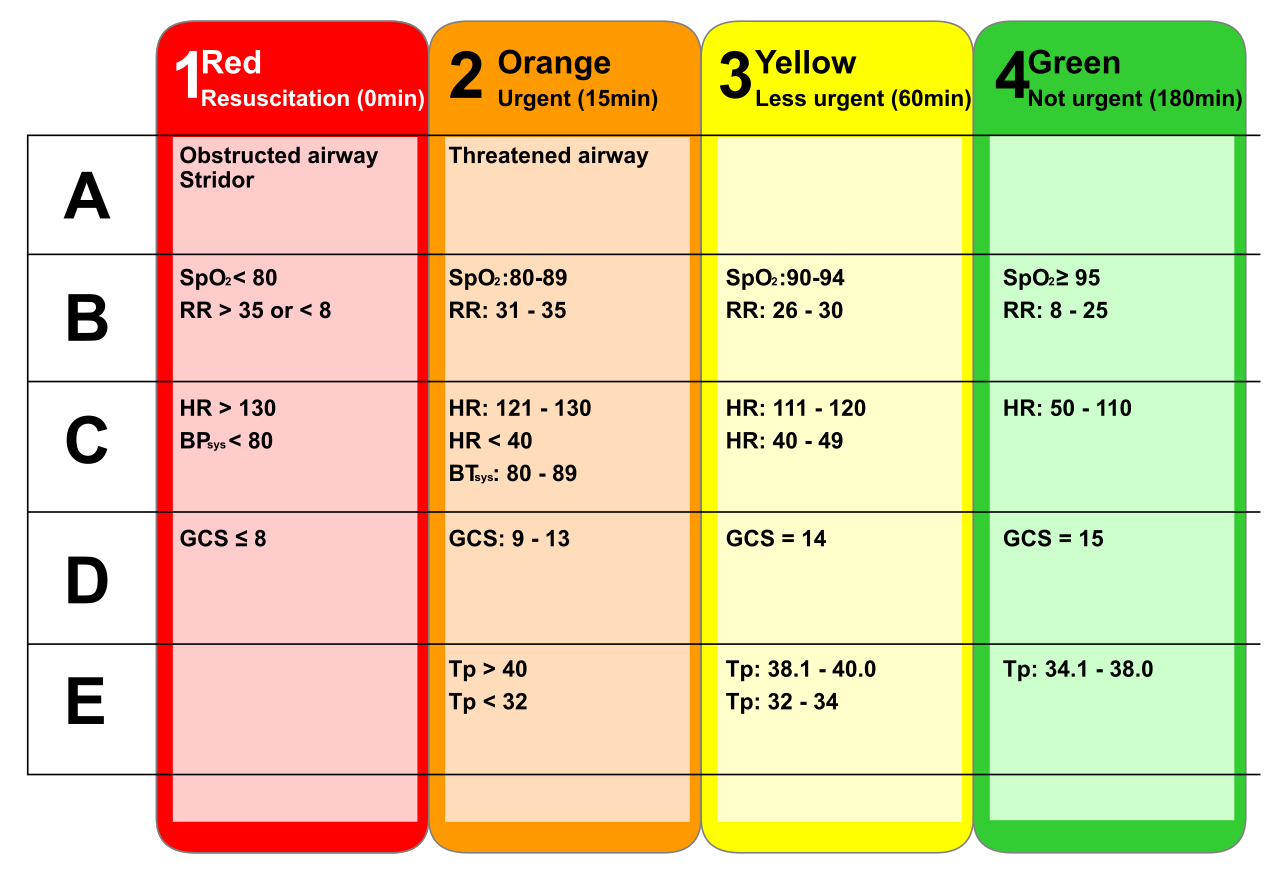
The passing mark for the Ministry of Health and Prevention Registered Nurse Prometric exam is fifty percent. While this threshold might mathematically appear forgiving, the questions demand a precise application of scope, safety, and ethical principles.
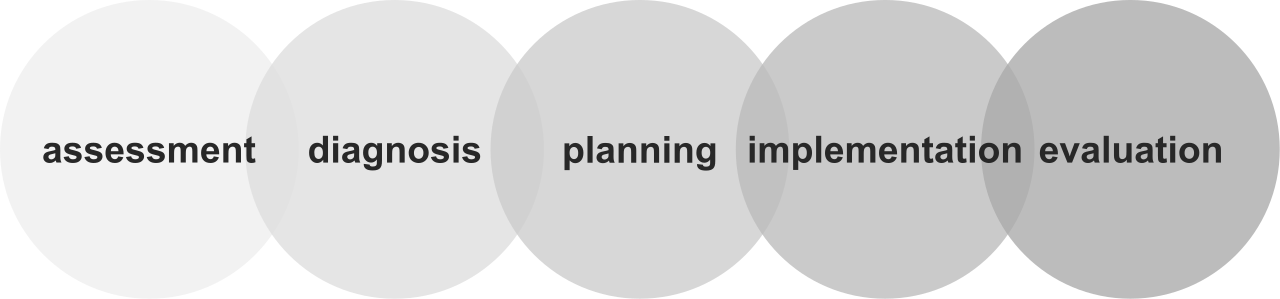
Once licensed, what exactly are you authorized to do? The Registered Nurse scope of practice is built around the nursing process. It includes conducting comprehensive physical assessments and formulating individualized patient care plans. You are not merely carrying out physician orders; you are an independent clinical observer. Therefore, your scope includes evaluating patient responses to medical interventions (such as how a patient's hemodynamics react to an ordered antihypertensive) as well as evaluating patient responses to nursing interventions (such as repositioning to alleviate respiratory distress).
The Physics of Delegation
On a busy ward in Fujairah or Ras Al Khaimah, you will work alongside Assistant Nurses. Delegation is a highly tested concept because it is where legal liability often fractures.
Delegation is not the offloading of responsibility; it is the extension of your clinical reach. Under MOHAP regulations, Registered Nurses are accountable for all nursing care delegated to Assistant Nurses. If you delegate a task and it causes harm, the liability snaps back to your license. Therefore, the law requires two critical steps:
- A Registered Nurse must assess the complexity of a task before delegating the task to an Assistant Nurse.
- A Registered Nurse must verify the clinical competence of an Assistant Nurse before delegating a task.
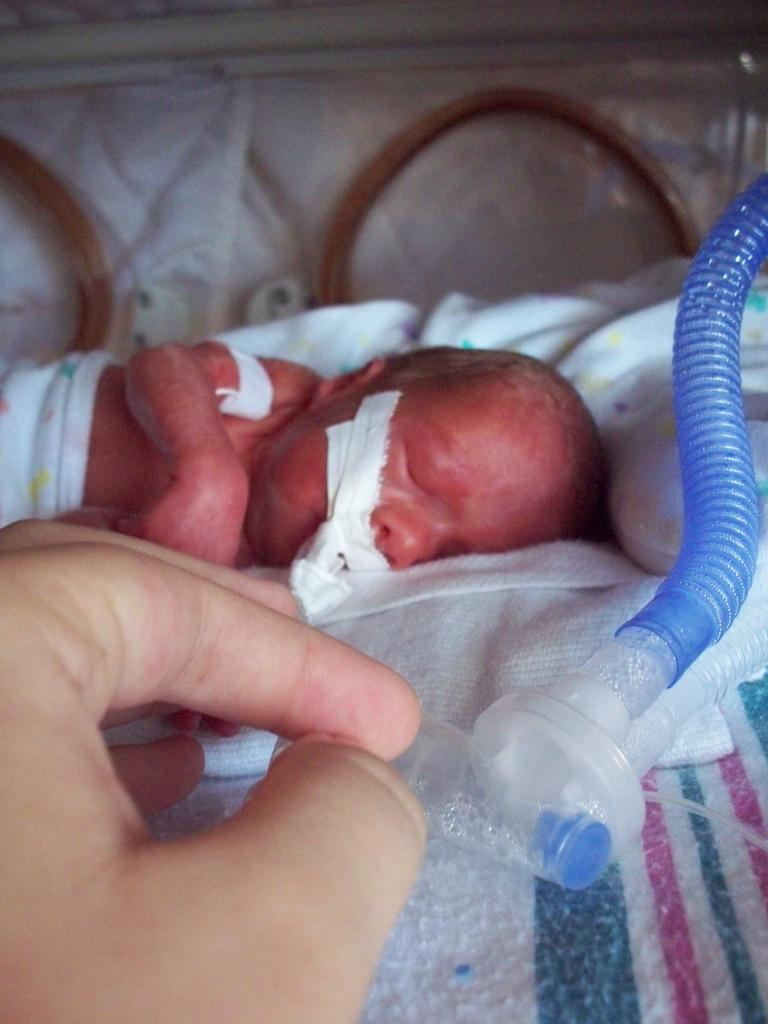
The Competence Boundary: Registered Nurses must practice exclusively within the boundaries of their documented clinical competence. If you are floated from orthopedics to a neonatal intensive care unit, you cannot simply "do your best." Registered Nurses must escalate clinical situations that exceed their individual scope of competence to a physician or nursing supervisor. Recognizing your limits is not a weakness; it is a legally mandated safety mechanism.
Most catastrophic errors in healthcare do not stem from a lack of knowledge, but from a breakdown in systems and communication. MOHAP enforces strict patient safety standards to mitigate these systemic failures.
The Two-Identifier Rule
Before you administer a high-alert medication, how do you know you have the right patient? Nurses must verify the identity of a patient using two unique identifiers before administering medication. In Ministry of Health and Prevention facilities, patient names and medical record numbers (MRNs) are acceptable unique identifiers.
Why are patient room numbers explicitly prohibited as patient identifiers? Because a room number is an attribute of the building, not the patient. Patients are moved, beds are swapped, and relying on geography to verify biology is a mathematical guarantee of a future medication error.
Defensive Documentation and Error Reporting
Documentation is the legal reflection of your clinical reality. Accurate and timely nursing documentation is a legally required component of Ministry of Health and Prevention professional conduct standards.
Nurses must document clinical interventions immediately after performing the clinical interventions. Why? Because human memory degrades rapidly under stress. Retrospective documentation of nursing care violates Ministry of Health and Prevention patient safety standards. If you chart a 08:00 medication at 14:00, you have created a six-hour window where a colleague might assume the medication was omitted and administer a lethal double dose.
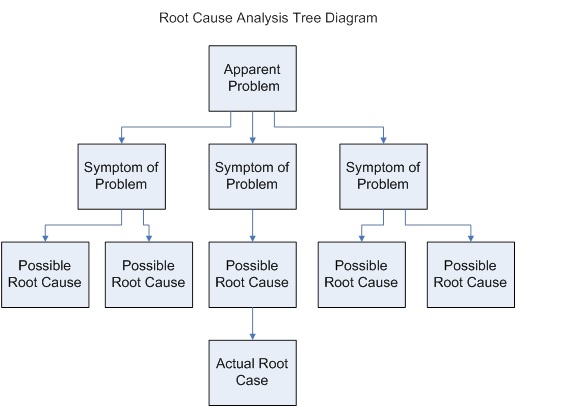
If an error does occur, transparency is mandatory. Nurses must report medication errors immediately through the official incident reporting system of their healthcare facility. You do not hide it, and you do not handle it informally. You log it so the system can analyze the root cause.
Infection Control and Surgical Safety
Patient safety extends to the microscopic level and the operating theater. Nurses must adhere to standard precautions for every patient to prevent healthcare-associated infections (HAIs). Standard precautions treat every patient as a potential vector; it is a baseline statistical defense against unseen pathogens. Furthermore, nurses must prioritize patient safety by participating in the implementation of the World Health Organization (WHO) Surgical Safety Checklist, acting as a vital check-and-balance against surgical "never events."
Practicing in the UAE requires profound cultural intelligence. Ministry of Health and Prevention regulations mandate that nurses provide care that respects the Islamic values prevalent in the United Arab Emirates. Furthermore, nurses must provide care that respects the cultural traditions. This impacts everything from gender concordant care assignments to navigating end-of-life discussions and dietary restrictions.
The Triad of Bioethics
Your daily decisions are governed by three foundational ethical principles:
- Autonomy: The principle of autonomy requires Ministry of Health and Prevention licensed nurses to respect a patient's right to make independent healthcare decisions. This is the bedrock of informed consent. Nurses must obtain informed consent from a patient before initiating any nursing procedure.
- Beneficence: The principle of beneficence requires Ministry of Health and Prevention licensed nurses to act in the best interest of the patient.
- Non-maleficence: The principle of non-maleficence requires Ministry of Health and Prevention licensed nurses to avoid causing harm to patients.
These principles synthesize into a broader mandate: Nurses have a professional duty to advocate for the health and safety of their patients. If a physician prescribes an incorrect dose, your duty to non-maleficence overrides your hierarchy; you must question the order.
Confidentiality and Mandatory Reporting
The information you gather as a nurse is privileged. Nurses must maintain strict patient confidentiality regarding all medical records. But privacy extends beyond the chart. Nurses must maintain strict patient confidentiality regarding verbally communicated health information. Discussing a patient’s prognosis in a hospital elevator is a direct violation of MOHAP regulations.
However, confidentiality is not absolute. The state demands that public safety and the protection of the vulnerable supersede individual privacy in highly specific scenarios.
- The Vulnerable: Nurses are legally obligated by the Ministry of Health and Prevention to report suspected cases of child abuse to the appropriate authorities.
- Public Health: Nurses are legally obligated by the Ministry of Health and Prevention to report diagnosed cases of specific communicable diseases to the preventive medicine department.
When you sit for the MOHAP Prometric exam, do not view these rules as arbitrary administrative hurdles. View them as the physics of your profession. They are the structural forces that keep patients alive, ensure care is culturally dignified, and protect your license as you practice across the Northern Emirates.