Validating Requirements Through Delivery
Not sure you’re ready?
Take the ~3-minute readiness diagnostic and see where you stand.
Imagine constructing a highly sophisticated, state-of-the-art vault door for a bank. The structural engineers measure the steel to the millimeter, test the locking tumblers, and certify that the mechanical hinges will withstand explosive blasts. The door is technically flawless. But when the installers arrive at the bank, they discover the facility requires a sliding door, not a swinging one. The door swings perfectly, but it immediately collides with a structural column, rendering the vault entirely useless.
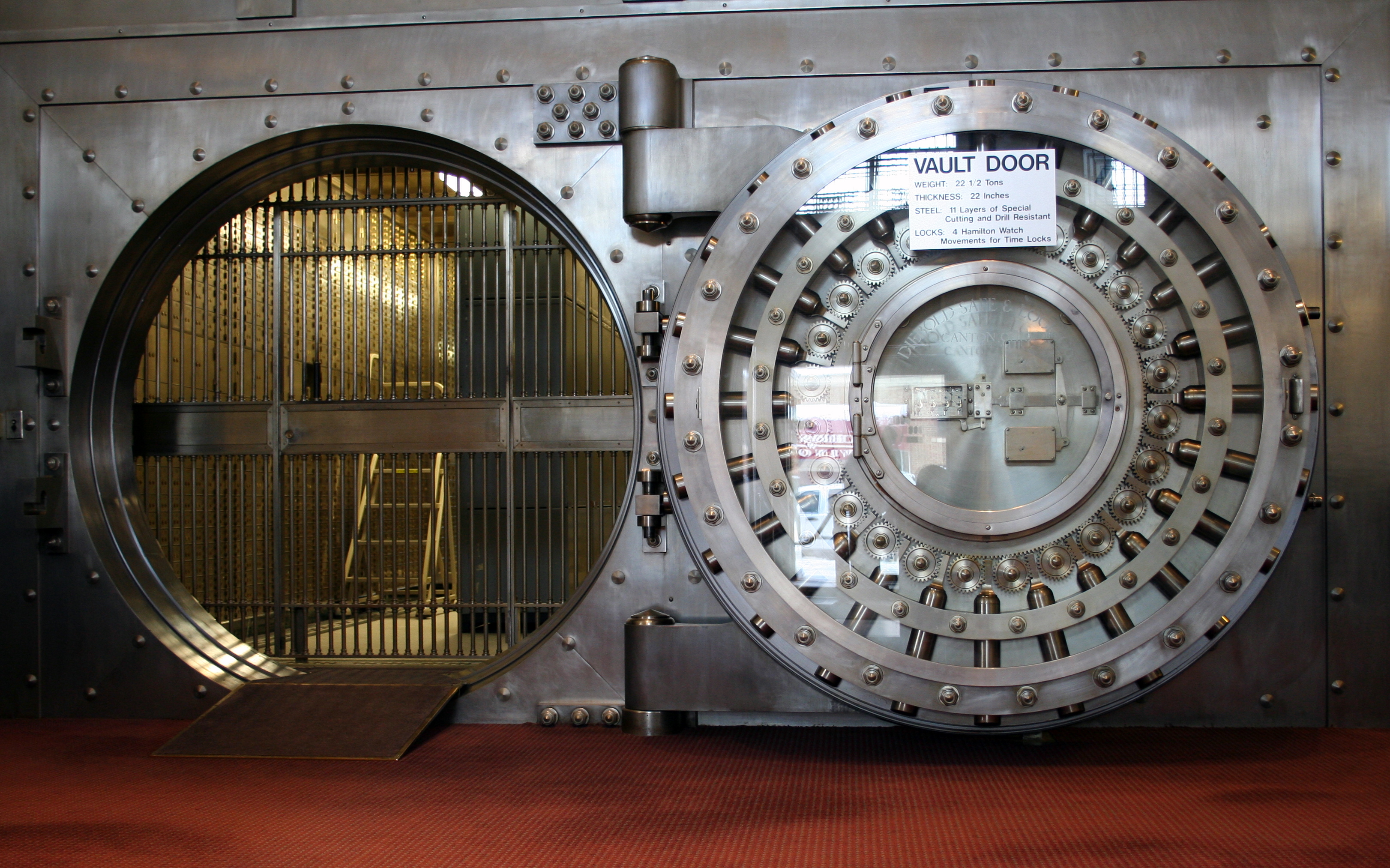
This scenario illustrates the profound difference between a product that is technically correct and a product that solves the actual problem. In project management, verification determines whether a product was built correctly according to technical specifications (the door swings flawlessly). However, validation determines whether the correct product was built to satisfy the actual business need (the door fits the bank's layout). Ultimately, validating requirements ensures that the final deliverable strictly satisfies the original business need.
If you are an aspiring project coordinator or business analyst, mastering the mechanics of how we validate requirements is what separates successful project delivery from expensive, technically perfect failures.