Develop and Manage Project Scope
Not sure you’re ready?
Take the ~3-minute readiness diagnostic and see where you stand.
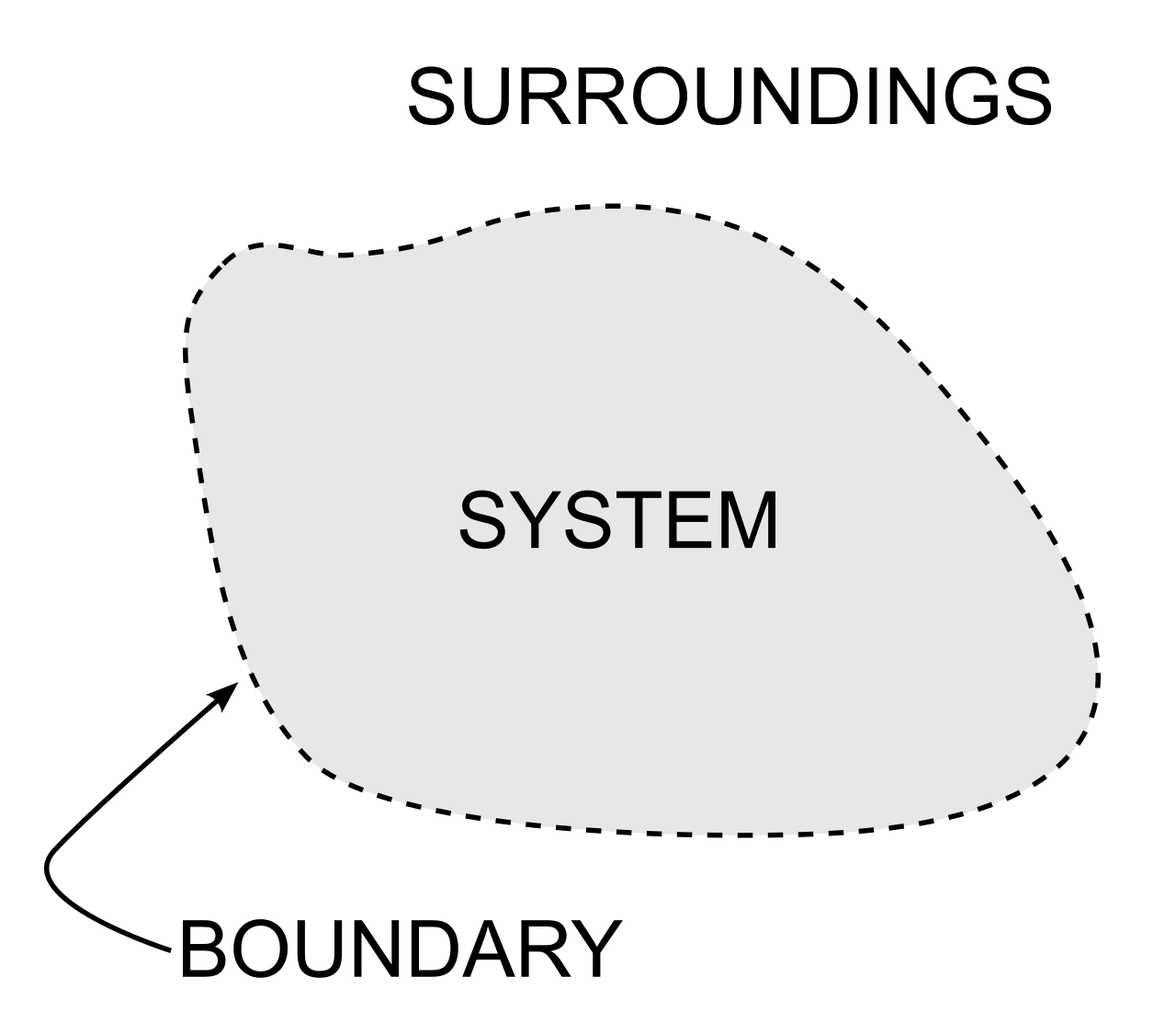
Before a single line of code is compiled or a single foundation poured, a boundary must be drawn around the endeavor. In physics, if you fail to define the boundary of a thermodynamic system, you cannot calculate the energy entering or leaving it. In project management, this boundary represents the difference between a controlled, successful delivery and a chaotic, endless march of changing expectations. We must distinguish immediately between two fundamentally different types of boundaries. Product scope represents the features and functions that characterize a product, service, or result—the exact software specifications or the physical dimensions of a bridge. Project scope, however, is the work performed to deliver a product, service, or result with the specified features and functions. One is the physical destination; the other is the exertion required to arrive there.
Mastering project scope requires you to translate ambiguous stakeholder desires into concrete, executable boundaries, break that work down into manageable pieces, and rigorously defend those pieces against uncontrolled expansion.
To manage scope, you cannot simply ask stakeholders what they want and begin building. You must first define the rules of engagement. We establish these rules using two distinct plans:
- The scope management plan: This document dictates the "how." It documents how the project scope will be defined, validated, and controlled. It is your organizational rulebook.
- The requirements management plan: This describes how project requirements will be analyzed, documented, and managed throughout the lifecycle.
The approach you take to defining scope depends entirely on your project's lifecycle. In predictive life cycles, the project scope is defined and approved at the beginning of the project. The environment is stable enough to plan the work and then work the plan. Conversely, in agile life cycles, project scope is defined and redefined iteratively throughout the project. You learn as you build, and the boundary shifts based on discovered value.
Gathering and Structuring Requirements
When capturing requirements, you will be inundated with raw, unstructured data from stakeholders. We use specific analytical tools to organize this chaos into actionable intelligence:
- Affinity diagram: Imagine pouring hundreds of unstructured puzzle pieces onto a table. An affinity diagram allows large numbers of ideas to be classified into groups for review and analysis. By grouping related ideas, patterns in the requirements emerge naturally.
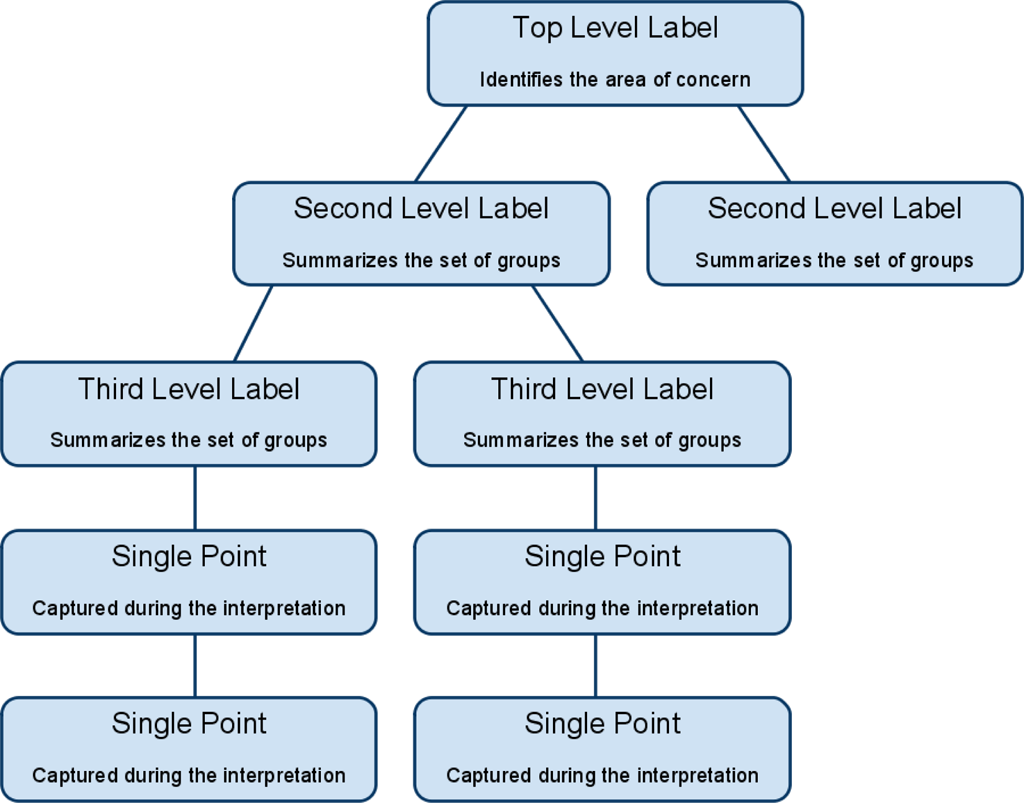
- Nominal group technique: Once ideas are grouped, you must prioritize them. The nominal group technique enhances brainstorming with a voting process used to rank the most useful ideas. It democratizes prioritization, ensuring the loudest voice in the room does not automatically dictate the scope.
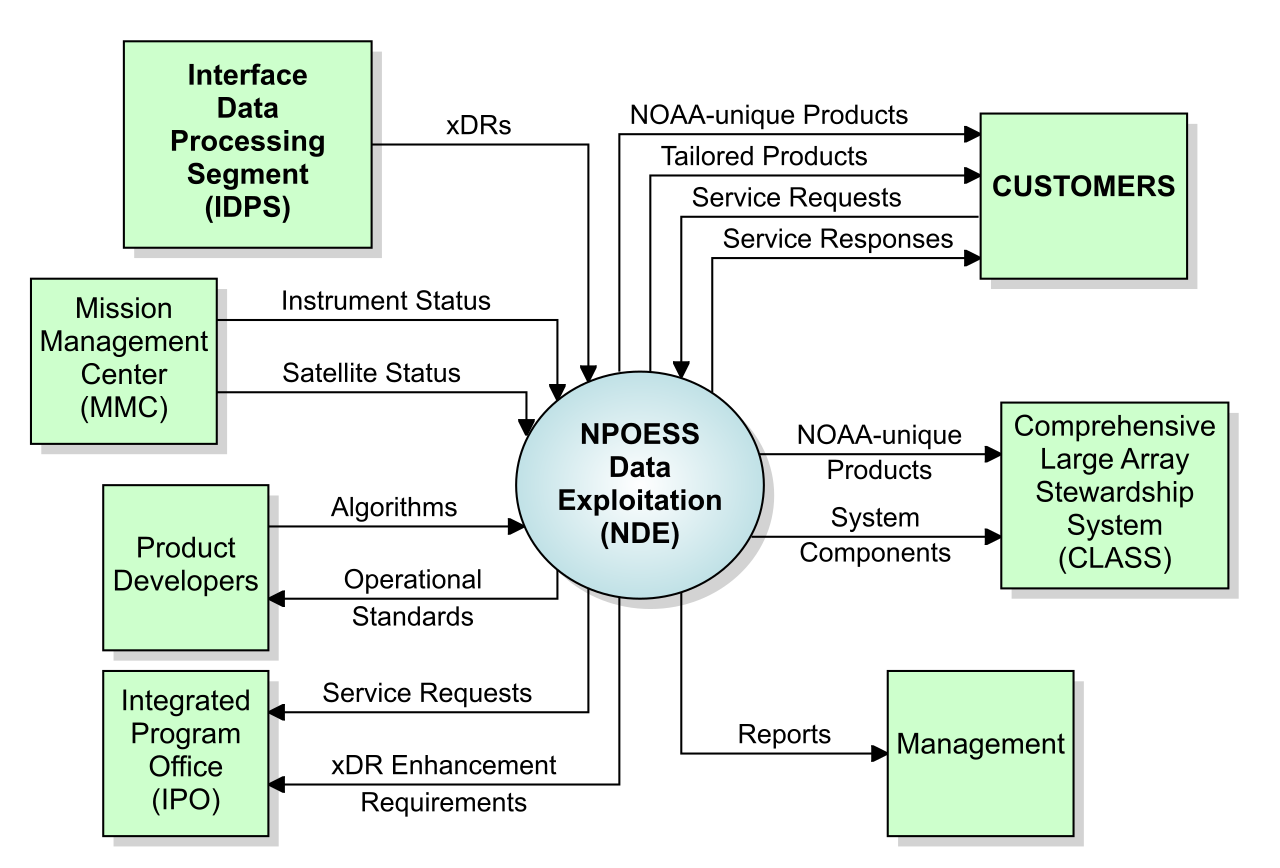
- Context diagram: To understand the system boundaries, we use a context diagram. This visually depicts the product scope by showing a business system and its interaction with external entities (actors, data sources, or other systems).
- Requirements traceability matrix: How do you guarantee that a requested feature actually gets built, or conversely, that you aren't building a deliverable nobody asked for? A requirements traceability matrix links product requirements from their origin to the deliverables that satisfy them. It acts as an unbroken chain of evidence from the business need to the final product.
The Project Scope Statement
In predictive and hybrid environments environments, all of this analysis culminates in the project scope statement. This is not a vague summary; it provides a detailed description of the project scope, major deliverables, assumptions, and constraints.
Within this statement, you must explicitly separate facts from limitations:
- Project constraints are limiting factors that affect the execution of a project (e.g., a hard budget cap, a mandatory regulatory deadline, or physical limitations of a site).
- Project assumptions are factors considered to be true, real, or certain without proof or demonstration (e.g., assuming a specific vendor will have materials in stock by Q3). Assumptions inherently carry risk; if they prove false, your scope, schedule, or budget will inevitably fracture.
A complete project scope is too massive to execute or estimate all at once. It must be dismantled. Decomposition is a technique used for dividing and subdividing the project scope and project deliverables into smaller, more manageable parts.
The Predictive Hierarchy: The WBS
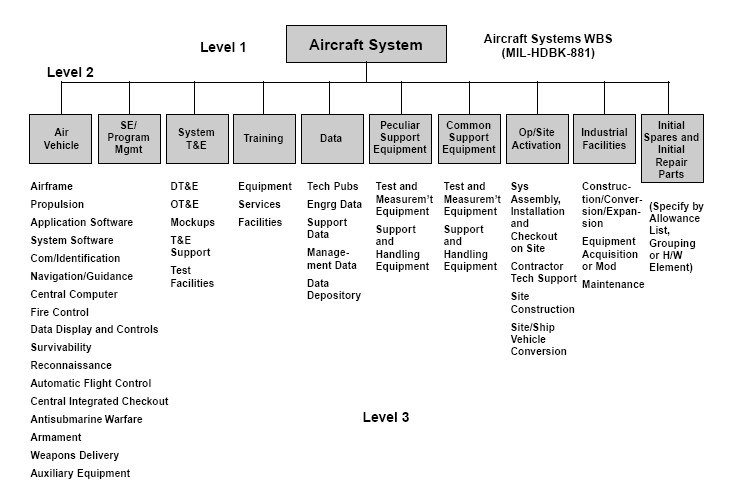
In predictive methodologies, decomposition takes the form of the Work Breakdown Structure (WBS), which is a hierarchical decomposition of the total scope of work to be carried out by the project team. It is a visual map of the deliverables, not the schedule.
Understanding the nodes of the WBS is critical for tracking costs and assigning responsibility:
- Control accounts: These are management control points placed at selected Work Breakdown Structure nodes above the work package level. Think of them as departmental budgets; a project manager can track performance at the control account level without micromanaging every underlying task.
- Planning packages: These are Work Breakdown Structure components located below the control account and above the work package with known work content but without detailed schedule activities. You know the work exists, but you lack the granular detail to schedule it yet.
- Work packages: The lowest level of a Work Breakdown Structure is the work package. At this atomic level, work packages can be scheduled, cost estimated, monitored, and controlled independently.
To ensure everyone understands exactly what a work package entails, we rely on a Work Breakdown Structure dictionary. This companion document provides detailed deliverable, activity, and scheduling information about each component in the Work Breakdown Structure.
The Scope Baseline: Together, these components lock in your foundation. The scope baseline consists of the approved project scope statement, the Work Breakdown Structure, and the Work Breakdown Structure dictionary. Any deviation from this baseline requires a formal change request.
The Agile Hierarchy: Value-Driven Decomposition
Agile projects fundamentally reject the predictive WBS. Because the scope is fluid, agile projects break down scope into epics, features, and user stories rather than using a traditional Work Breakdown Structure.
- Epic: An epic is a large body of work that can be broken down into a number of smaller tasks or user stories. It is a strategic chunk of value.
- User story: A user story is a brief description of a requirement written from the perspective of an end user (e.g., "As a customer, I want to filter search results by price, so that I can find products within my budget").
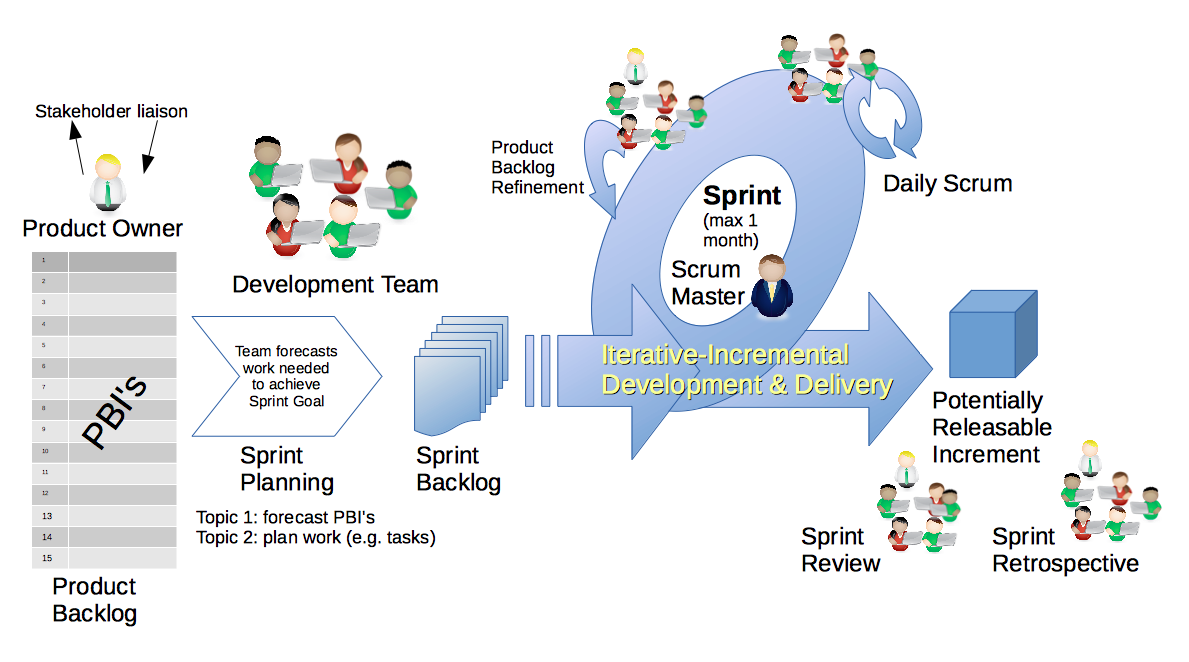
In agile frameworks, the product owner is accountable for maximizing the value of the product and managing the product backlog. They do not create a static baseline. Instead, they rely on product backlog refinement, which is the continuous act of adding detail, estimates, and order to items in the agile product backlog. As an epic nears the top of the backlog, it is decomposed into user stories and readied for the team to build.
| Component | Predictive / Traditional | Agile / Adaptive |
|---|---|---|
| Primary Decomposition Tool | Work Breakdown Structure (WBS) | Product Backlog |
| Highest Level of Work | Control Accounts | Epics |
| Lowest Level of Work | Work Packages | User Stories |
| Baseline Mechanics | Static Scope Baseline | Dynamic Backlog Refinement |
There is a profound difference between a deliverable being "correct" and a deliverable being "accepted."
Imagine you are a chef. Tasting the soup in the kitchen to ensure it has enough salt is quality control. However, bringing that soup to the patron in the dining room, having them taste it, and having them agree it is exactly what they ordered—that is scope validation.

Validate Scope is the process of formalizing acceptance of the completed project deliverables. It is not about internal quality checks; the Validate Scope process brings objectivity to the deliverable acceptance process by bringing the customer or sponsor into the equation.
How does a deliverable flow through this sequence?
- First, the team builds the deliverable.
- Second, it passes through internal testing (Control Quality). This generates verified deliverables, which are completed project deliverables that have been checked for correctness through the Control Quality process.
- Verified deliverables are a required input to the Validate Scope process. You cannot ask a client to formally accept a deliverable if you haven't internally verified its quality first.
- Finally, through the Validate Scope process, the sponsor inspects the verified deliverable. If it meets their requirements, it becomes an accepted deliverable, which are outputs of the Validate Scope process that have been formally signed off by the customer or sponsor.
Throughout this process, project managers generate work performance information, which documents project progress regarding which deliverables have started and finished, providing clear visibility into the project's real-time trajectory.
Validation in the Agile Environment
In agile environments, the validation process is built into the cadence of the work. Scope validation occurs at the end of each iteration during the sprint review. The team demonstrates the working software or product increment directly to the stakeholders to obtain immediate acceptance or feedback.
To strip away subjectivity during these reviews, agile teams rely heavily on the Definition of Done. This is a checklist of all the criteria required to consider a product increment ready for customer use. It might include rules like "code is reviewed, tests pass, and security scans show zero vulnerabilities." Agile teams use the Definition of Done to determine if a user story or product increment is acceptable. If it doesn't meet the Definition of Done, it is not shown at the sprint review; it simply isn't finished.
Systems left to themselves naturally tend toward entropy. In project management, this entropy takes the form of scope creep—the uncontrolled expansion to product or project scope without adjustments to time, cost, and resources. Scope creep is the silent killer of projects; it happens one small, seemingly harmless "favor" or unrecorded feature request at a time.
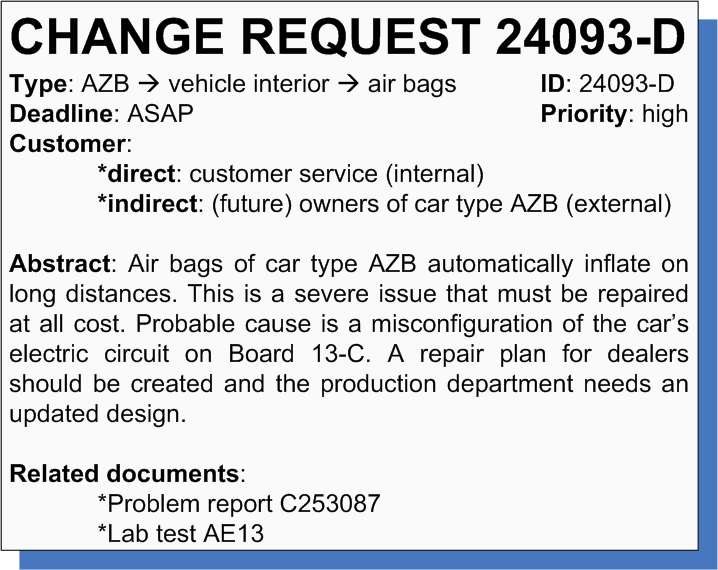
To defend the baseline, we execute the Control Scope process, which monitors the status of the project scope to prevent scope creep. This process ensures that all requested changes, recommended corrective actions, or preventative actions are processed through the project's integrated change control process.
The primary mathematical and analytical tool used here is variance analysis. Variance analysis is used in the Control Scope process to determine the cause and degree of difference between the scope baseline and actual performance. If the team has spent 40% of the budget but only completed 20% of the work packages, variance analysis asks why. Was the work package underestimated? Did the client sneak in additional requirements?
By rigorously measuring actual output against the established baseline, you can detect scope creep early, calculate its impact, and either reject the unauthorized work or officially expand the constraints—ensuring that the project boundary, whether fixed at the start or adapting iteratively, remains a boundary you control.