Plan and Manage Project Compliance: Execution
Not sure you’re ready?
Take the ~3-minute readiness diagnostic and see where you stand.
Engineers building a commercial aircraft do not merely hope the fuselage will withstand atmospheric pressure; they continuously measure aerodynamic tolerances, execute rigorous material tests, and verify structural integrity against an immutable set of physical laws. In modern project management, the regulatory and organizational environment represents an equally unforgiving set of laws. A brilliantly executed software deployment that inadvertently exposes millions of user records to the public internet is not a success; it is a catastrophic failure. Executing and measuring project compliance is the mechanism by which we prove our deliverables can survive contact with the real world's rules.

To understand how to manage compliance during project execution, we must first agree on what it actually is. Compliance in project management involves adhering to internal organizational policies and external regulatory standards. You are constantly balancing the rules your company created with the laws the government enforces.
For the Project Management Professional (PMP) candidate, understanding this reality is not optional. Domain III of the PMP Exam Content Outline specifically covers the Business Environment, which represents exactly eight percent of the PMP certification exam questions. Within this domain, the PMP Exam Content Outline includes the specific task to plan and manage project compliance.
The Stakes: Why do we care so deeply about this during execution? Because of the cost of nonconformance, which includes financial penalties resulting from project compliance failures.
To give you concrete examples of what these standards look like in the wild:
- The General Data Protection Regulation (GDPR) mandates specific data privacy compliance rules for projects handling European Union citizen data. If your new marketing app violates GDPR, your company could face fines in the millions.
- ISO 9000 is an internationally recognized standard used to benchmark quality and compliance management systems. If your manufacturing process falls out of ISO 9000 alignment, you lose your competitive edge and market access.
You cannot simply "hope" your team remains compliant while they work. Hope is a terrible project management strategy. Instead, you map out the work. A compliance management plan defines the specific methods for tracking regulatory adherence throughout project execution.
But a plan is just a piece of paper unless you resource it. Project managers must integrate compliance verification activities directly into the project schedule and budget. If conducting a security audit takes three weeks and costs $50,000, that must be built into your baseline.
How do we keep track of which deliverable addresses which rule? We use a requirements traceability matrix. This document acts as a map, linking specific project deliverables to corresponding regulatory mandates, ensuring no legal requirement is accidentally orphaned during development.
Of course, the real world is messy, and surprises happen. To protect the project's financial baseline from the unknown, management reserves provide a budget buffer to handle unidentified compliance risks during project execution.
The methods you use to support and measure compliance change drastically depending on the methodology you employ. The goal remains the same—obey the rules—but the execution strategy shifts.
| Project Methodology | How Compliance is Executed and Measured |
|---|---|
| Predictive (Waterfall) | Predictive project management uses phase-gate reviews to verify compliance before authorizing the next project phase. You stop, check all the regulatory boxes, and only proceed if the phase passes inspection. |
| Agile | Agile project teams integrate overall compliance requirements directly into the product Definition of Done. If it isn't compliant, it isn't "Done." Furthermore, Agile teams create compliance-focused acceptance criteria for specific user stories to ensure regulatory adherence at the most granular level of value delivery. |
| Hybrid | Hybrid project management models use agile iterations for development while maintaining predictive compliance audits at major milestones. This gives you the speed of Agile execution with the rigorous regulatory oversight of Predictive checkpoints. |
When managing execution, you must "continually measure the extent to which the project complies." To do this, we use distinct tools to measure our processes, our products, and our performance.
Process vs. Product Verification
There is a fundamental difference in project management between checking how you do the work and checking the result of the work:
- Quality Assurance (QA) audits evaluate project processes to verify alignment with organizational quality and compliance standards. QA is about the recipe. Are we following the correct steps? The PMBOK Guide defines audits as a specific tool and technique within the Manage Quality process. Furthermore, compliance audits are formal reviews conducted by internal or external parties to assess adherence to legal standards.
- Quality Control (QC) inspections measure specific project deliverables against predefined compliance requirements. QC is about tasting the meal. Does the final widget meet the legal requirements?
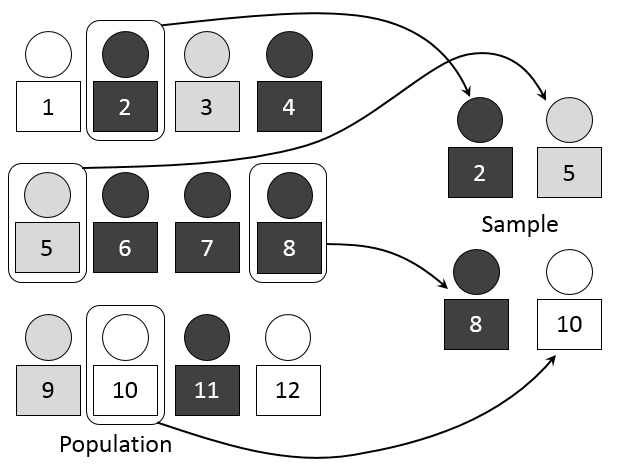
If you are manufacturing 10,000 pacemakers, you cannot practically inspect every single unit. In these scenarios, project managers use statistical sampling to measure compliance across a large batch of project deliverables.
Quantifying and Visualizing Compliance
To prove compliance to stakeholders, we rely on hard data:
- Key Performance Indicators (KPIs) provide quantifiable measurements of compliance status during project execution.
- We establish tolerance levels, which define the acceptable variance from a compliance metric before triggering a mandatory corrective action. (e.g., "The server response time must be under 200ms to meet our Service Level Agreement. If it hits 210ms, we intervene.")
- To report this data transparently, compliance dashboards provide project stakeholders with real-time visibility into the project compliance status.
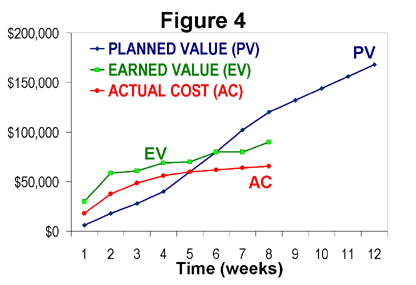
- Finally, we can even adapt traditional cost/schedule metrics. Earned Value Management (EVM) metrics can be adapted to measure the cost and schedule efficiency of compliance activities, allowing you to see if your regulatory verification tasks are falling behind schedule.
What happens when you execute a compliance audit and discover a failure? You must act immediately, using a very specific set of processes.
Logging and Analyzing the Threat
First, capture the event. Non-compliance events must be documented in the project issue log for tracking and resolution.
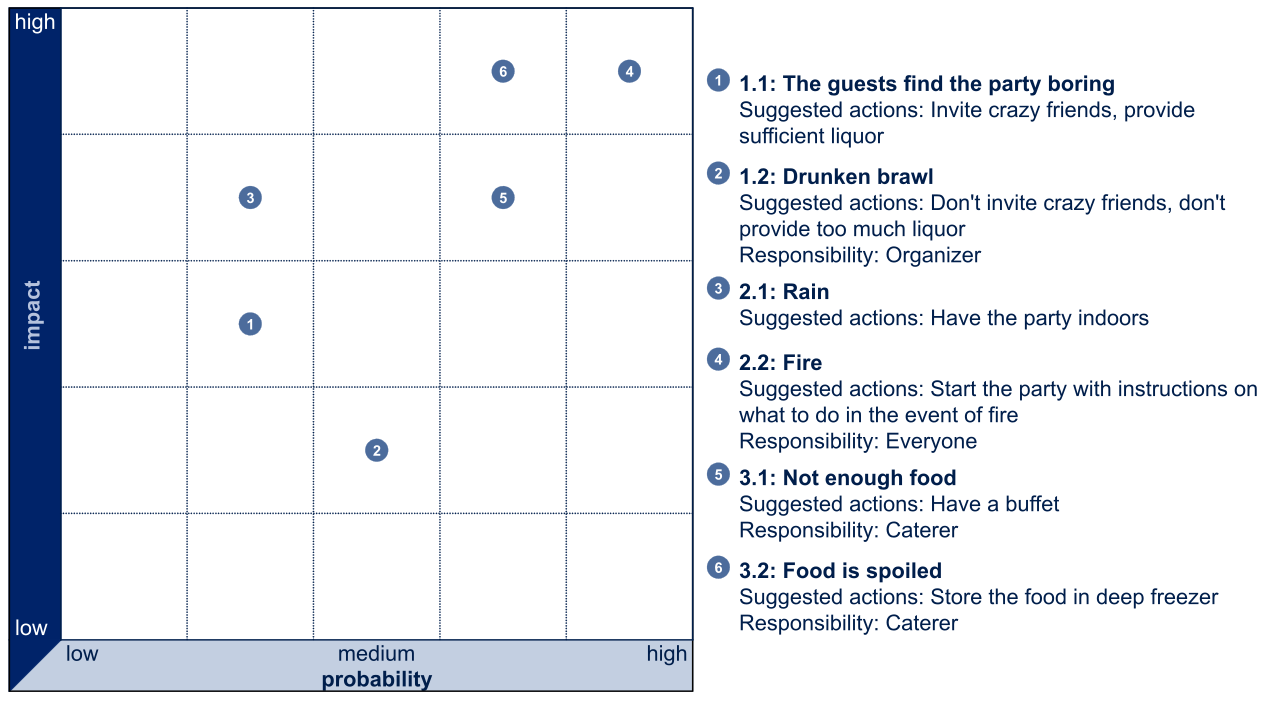
An issue is a risk that has materialized, but it often spawns new risks. Therefore, project managers must update the risk register when non-compliance events introduce new threats to the project objectives. Because regulatory breaches carry varying weights, project managers classify compliance risks based on the severity of potential legal or financial penalties. A minor internal policy breach is treated very differently than a massive federal privacy violation.
Fixing the Problem
Once categorized, you must fix the deviation. There are distinct ways to address failures:
- Project managers initiate corrective actions when project execution deviates from established compliance baselines. This brings future project performance back into alignment with the plan.
- If a specific product is broken, defect repair processes modify non-compliant project deliverables to meet required regulatory specifications.
- To ensure the mistake doesn't happen again, preventive actions are proactive measures implemented to maintain future project compliance.
Governing the Change
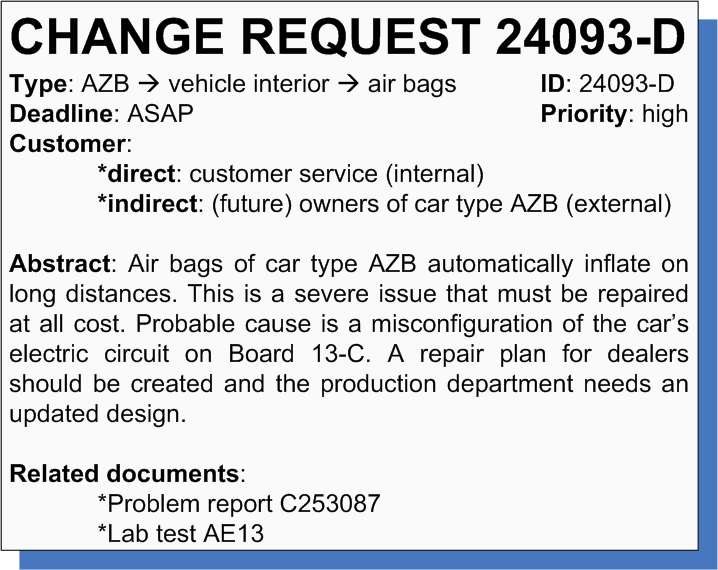
You cannot simply rogue-patch a massive compliance failure in a vacuum. A formal change request is required to implement corrective actions for major project compliance deviations.
This request must be reviewed. The Change Control Board (CCB) reviews proposed project changes necessary to address compliance failures.
What if the external environment changes? Imagine you are building software, and halfway through execution, the government passes a new data privacy law. This isn't a team mistake; it's a shifting landscape. In this case, regulatory environment changes during project execution require scope updates via the perform integrated change control process. A change in the law is functionally a change in your project's scope.
Ultimately, compliance is about accountability to people—whether that is your internal PMO or a federal auditor. You must meticulously plan how you communicate this accountability. Stakeholder engagement plans outline the communication frequency for reporting compliance measurement results to regulatory bodies.
By integrating compliance directly into your schedule, choosing the right verification framework for your lifecycle, ruthlessly measuring deviations, and transparently reporting results, you transform regulatory compliance from an administrative burden into a structured engine for delivering reliable, legally sound value.