Arizona Contracts & Required Disclosures
Not sure you’re ready?
Take the ~3-minute readiness diagnostic and see where you stand.
Imagine standing on a parcel of sun-baked land in Maricopa County, shaking hands with a buyer to finalize a sale. A handshake might represent trust, but in the realm of real property, it is legally meaningless. An Arizona real estate purchase contract is a legally binding agreement outlining the precise terms for the transfer of property ownership from a seller to a buyer. It is the blueprint of the transaction. Without it, the expectations of the buyer and the obligations of the seller evaporate. Understanding exactly what must go into this document—and the array of rigid disclosures that must accompany it—is the fundamental mechanics of protecting your clients and keeping the gears of Arizona real estate turning safely.
A contract is not just a piece of paper; it is a mechanism that binds two parties to a shared reality. For this mechanism to function under Arizona law, it requires specific components.
The Arizona Statute of Frauds requires all real estate purchase contracts to be in writing to be legally enforceable. An oral agreement to sell a house in Scottsdale is worth exactly the paper it isn't printed on.
To form a valid, binding Arizona real estate purchase contract, five essential elements must be present:
- Competent parties: Both buyer and seller must be of legal age and sound mind.
- Mutual assent: Often called the "meeting of the minds"—both parties agree to exactly the same terms without coercion.
- Consideration: Something of value exchanged (typically the promise to pay money in exchange for the promise to transfer the deed).
- A lawful object: You cannot write a valid contract to use a property for an illegal enterprise.
- A written format: Satisfying the Statute of Frauds.
The Earnest Money Myth It is a common misconception among new agents that a buyer must put down an earnest money deposit to make a contract legally binding. This is fundamentally false. Earnest money is not a legal requirement to create a valid and binding real estate purchase contract in the state of Arizona. The mutual promises to buy and sell constitute sufficient consideration.
As transactions have modernized, so has the law. Arizona law recognizes electronic signatures as legally binding on real estate contracts under the Uniform Electronic Transactions Act (UETA). A digital click carries the exact same legal weight as wet ink.
Once a contract is in motion, the buyer must know exactly what they are buying. In Arizona, the rule is not caveat emptor (buyer beware)—the burden of honesty falls heavily on the seller.
Under Arizona common law, sellers are obligated to disclose all known material facts that could negatively affect the value or desirability of a property. If the roof leaks every monsoon season, the seller cannot remain silent simply because it isn't raining today.
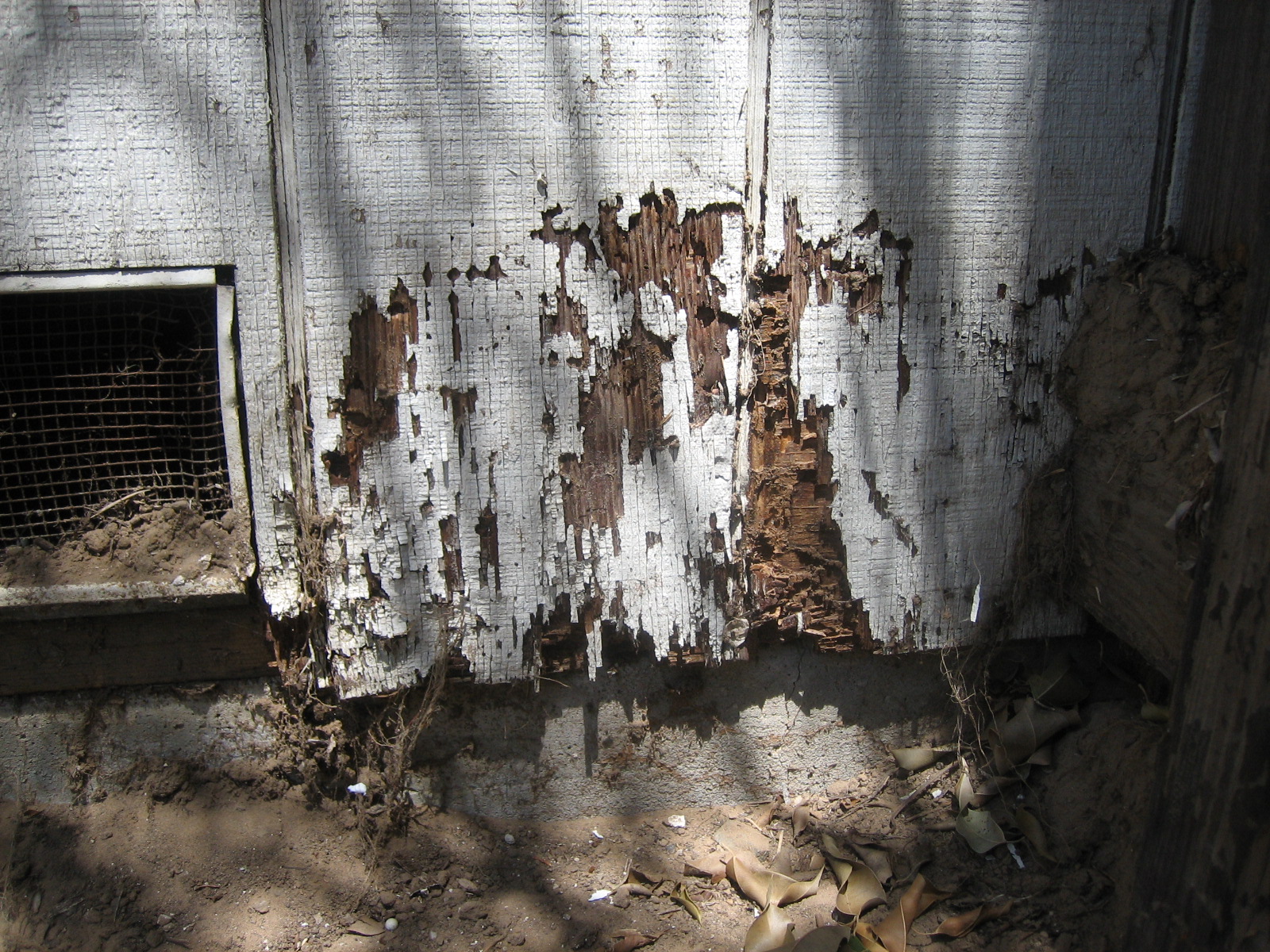
This legal standard was solidified in the landmark Arizona court case Hill v. Jones. In this case, the court established that a seller has a legal duty to disclose known material defects—specifically, past termite damage—to a buyer. Failing to disclose a known defect is tantamount to fraud.
To facilitate this disclosure, the industry utilizes the Seller Property Disclosure Statement (SPDS). The SPDS is a formal, exhaustive document where a real estate seller provides information about the known physical condition of the property.
- The Rule: The standard Arizona Association of Realtors (AAR) purchase contract requires the seller to deliver a completed Seller Property Disclosure Statement to the buyer within three days of contract acceptance.
While the SPDS focuses on the physical house, raw land carries its own legal complexities. If a client is selling undeveloped parcels out in the desert, you must understand the Affidavit of Disclosure.

This is a legally required Arizona document intended to inform buyers about specific conditions regarding land sales in unincorporated areas (such as the availability of water, sewer, and legal access).
Arizona Revised Statutes Section 33-422 dictates the strict parameters for when this document is required:
- It applies when a seller is selling five or fewer parcels of land.
- The requirement applies exclusively to land located in an unincorporated area of an Arizona county.
- Crucially, the Arizona Affidavit of Disclosure requirement does not apply to the sale of subdivided land (which is governed by separate public report rules).
Because buying unincorporated land is inherently risky, the state gives the buyer significant leverage and time to review this document.
| Action | Legal Timeline |
|---|---|
| Delivery | A seller must deliver the completed Affidavit of Disclosure to the buyer at least seven days before the closing of the property transaction. |
| Rescission | An Arizona buyer has the legal right to rescind the real estate purchase contract within five days of receiving the Affidavit. |
| Recording | The completed Affidavit of Disclosure must be recorded simultaneously with the property deed at the local county recorder's office. |
When dealing with disclosures, you must distinguish between physical defects (which impact the structure or safety) and psychological stigmas (which impact a buyer's emotional reaction to the property).
Stigmatized property laws in Arizona explicitly protect property sellers and real estate agents from civil liability for failing to disclose certain non-physical events that occurred on the property. As a real estate professional, you are shielded from being sued over ghosts or past tragedies.
By law, Arizona sellers and agents are not legally required to disclose:
- That a property was the site of a natural death, suicide, or homicide.
- That a property was owned or occupied by someone exposed to HIV or diagnosed with AIDS (disclosing this actually violates federal Fair Housing laws).
- The presence of registered sex offenders in the vicinity of the property.
The Exception: Methamphetamine Laboratories While homicides are exempt, hazardous chemicals are not. An Arizona seller must disclose if the property was previously used as a methamphetamine laboratory and has not been officially remediated according to state guidelines. Meth labs leave toxic residue that constitutes a severe physical health hazard, transforming a psychological stigma into a material defect.
Arizona's unique geography and infrastructure demand highly specific disclosures. If you are operating in this state, you must be hyper-aware of the following factors:
Earth Fissures
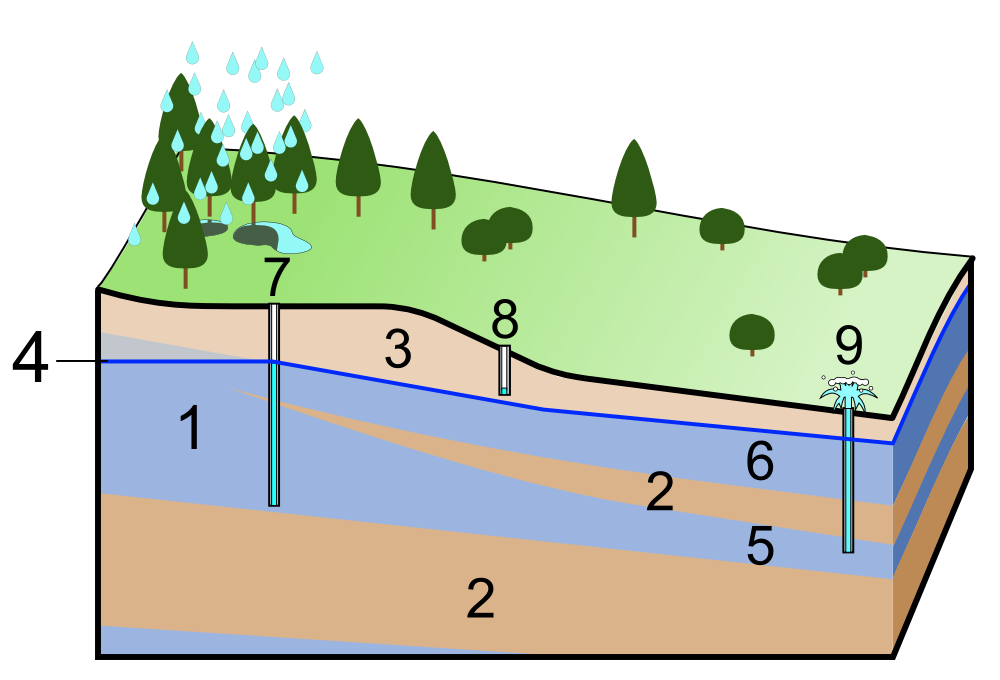
Decades of pumping groundwater out of Arizona aquifers have caused the ground to compact and sink. This creates earth fissures—large geological cracks in the ground surface caused by severe groundwater depletion and land subsidence. Because these fissures can swallow roads and destroy foundations, Arizona real estate agents must provide buyers with information directing the buyers to the Arizona Department of Real Estate (ADRE) earth fissure maps.
Military Airports
With multiple major Air Force bases in the state, jet noise is a reality. Sellers must disclose to a buyer if a property is located in a designated territory in the vicinity of a military airport or an ancillary military facility.
WQARF (Water Quality Assurance Revolving Fund)
Arizona's version of the federal Superfund program is called WQARF. It is an Arizona state environmental program that identifies and coordinates the cleanup of properties contaminated with hazardous substances in the soil and groundwater.
- The Rule: Arizona sellers must disclose known environmental hazards on the property, including whether the property is located within a Water Quality Assurance Revolving Fund registry site.
The life cycle of an escrow involves a synchronized dance of inspections, document reviews, and strict deadlines.
The Inspection Period
Once the contract is accepted, the buyer needs time to verify the condition of their investment. Under the standard Arizona Association of Realtors (AAR) purchase contract, buyers typically have a standard ten-day inspection period to evaluate the property condition, review the SPDS, and conduct professional inspections.
Homeowners Associations (HOAs)
If a property is located within an HOA, the buyer must be given the Covenants, Conditions, and Restrictions (CC&Rs) and financial documents. The responsibility for delivering these documents shifts based on the size of the community:
- Fewer than 50 units: The seller is legally responsible for providing the association documents to the buyer.
- 50 or more units: The homeowners association is legally responsible for providing the association documents to the buyer.
- Timeline: In both cases, the Homeowners association documents must be delivered to an Arizona buyer within ten days of the real estate contract acceptance.
Risk of Loss
Imagine lightning strikes the house and it burns to the ground three days before the closing date. Who absorbs the financial loss? The buyer or the seller?
This scenario is governed by the Uniform Vendor and Purchaser Risk Act, a statute dictating which party bears the financial risk if a property is damaged or destroyed before the title officially passes to the buyer.
- The Rule: Under this Act in Arizona, the seller bears the risk of property damage until the buyer takes physical possession or receives the legal title.
The Cure Period Notice
Contracts are sometimes broken. A buyer might fail to deposit funds on time; a seller might fail to provide the SPDS. When a breach occurs, the contract does not immediately terminate.
Instead, the aggrieved party utilizes a Cure Period Notice—a formal document used in Arizona real estate transactions to notify a party that they are in breach of the purchase contract and must remedy the breach.
- The Rule: The standard Arizona Association of Realtors purchase contract provides a three-day cure period for a party to fix a contract breach before the other party can cancel the agreement. This three-day window acts as a legal grace period, saving transactions from collapsing over minor logistical delays while providing a definitive legal mechanism for cancellation if the breach is ignored.