Arizona Property, Water & Special Topics
Not sure you’re ready?
Take the ~3-minute readiness diagnostic and see where you stand.
A parcel of land in Arizona is not merely a polygon of dirt on a map. It is a bundle of fiercely protected rights, inextricably linked to the state’s unforgiving geography and history. When you shepherd a client through a real estate transaction in this state, you are not just trading square footage; you are navigating the invisible legal architecture that dictates who owns the marital wealth, who holds the right to drain the ancient aquifers below, and how the state protects consumers from buying an uninhabitable patch of desert. These are not abstract concepts. They are the mechanisms that prevent your buyers from facing sudden financial ruin, dry faucets, or unbuildable lots.
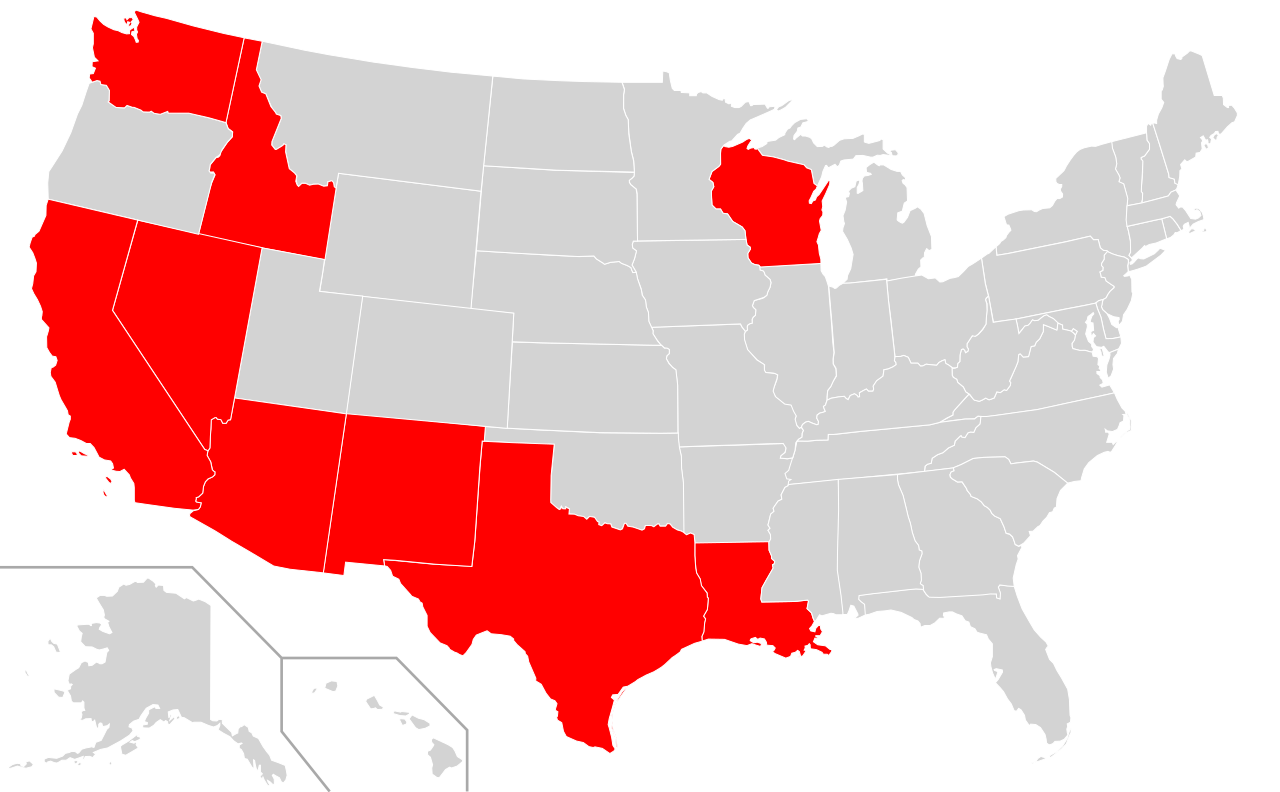
In many parts of the country, whoever's name is on the deed owns the house. Arizona does not operate that way. Arizona is a community property state, meaning the law views a marriage as a 50/50 financial partnership.
The Core Presumption: Property acquired by either spouse during a marriage is presumed to be community property. Spouses share an equal ownership interest in community property, regardless of whose paycheck funded the purchase.
Because of this shared ownership, both spouses must sign a deed to sell or transfer real property held as community property. You cannot sell half a house, and one spouse cannot unilaterally liquidate a shared asset.
Separate Property: What You Keep
There are three ways a married person in Arizona can own real estate entirely by themselves:
- Prior to Marriage: Property owned by an individual prior to marriage remains their separate property.
- Gifts: Property acquired by a spouse during marriage through a gift remains their separate property.
- Inheritance: Property acquired by a spouse during marriage through an inheritance remains their separate property.
Because this asset belongs solely to one individual, a spouse can legally transfer their separate property without the signature of the other spouse.
A Warning on Commingling: Imagine pouring cream into a cup of black coffee. Once mixed, you can never separate the cream from the coffee again. This is commingling. If a spouse takes rental income from their separate property and deposits it into a joint marital bank account used to pay the mortgage, they have commingled the funds. Under Arizona law, commingling separate property funds with community property funds can transform the separate property into community property.
Community Property with Right of Survivorship (CPWROS)
Arizona recognizes a specific ownership tenancy called Community Property with Right of Survivorship exclusively for married couples. It combines the 50/50 ownership of community property with a powerful estate-planning tool.
If one spouse passes away, this tenancy allows real estate to pass automatically to the surviving spouse upon death. Because it transfers by operation of law, Community Property with Right of Survivorship completely bypasses the probate process, saving the grieving spouse tremendous time and legal expense.
Furthermore, it offers a profound tax advantage: it provides a step-up in tax basis for the entire property upon the death of one spouse, not just the deceased spouse's half. When your client eventually sells the home, this step-up drastically reduces their capital gains tax burden.
In wetter climates, water law is governed by "riparian rights"—if you live next to a river, you have a right to use it. But in a desert, that system would lead to chaos. Consequently, Arizona does not recognize the riparian rights doctrine for water distribution.
Instead, Arizona follows the Doctrine of Prior Appropriation for allocating surface water rights.
The Rule of the Desert: The Doctrine of Prior Appropriation operates on a strictly first-in-time, first-in-right basis. The first person to legally divert water for a productive use holds the senior right, forever trumping those who come later.
Surface water in Arizona is legally owned by the public. To tap into it, a user must obtain a permit from the Arizona Department of Water Resources (ADWR) to appropriate surface water, and that appropriation must be for a recognized beneficial purpose (like agriculture or municipal drinking water).
Navigable vs. Non-Navigable Waterways
Water dictates the physical boundaries of land ownership:
- Navigable Waterways: The Colorado River is the only commercially navigable waterway in Arizona. Because it is a federal and state highway of commerce, the State of Arizona owns the land beneath navigable waterways up to the high-water mark.
- Non-Navigable Waterways: For every other river and stream in the state, landowners adjacent to non-navigable waterways own the land beneath the water to the center of the waterway bed.
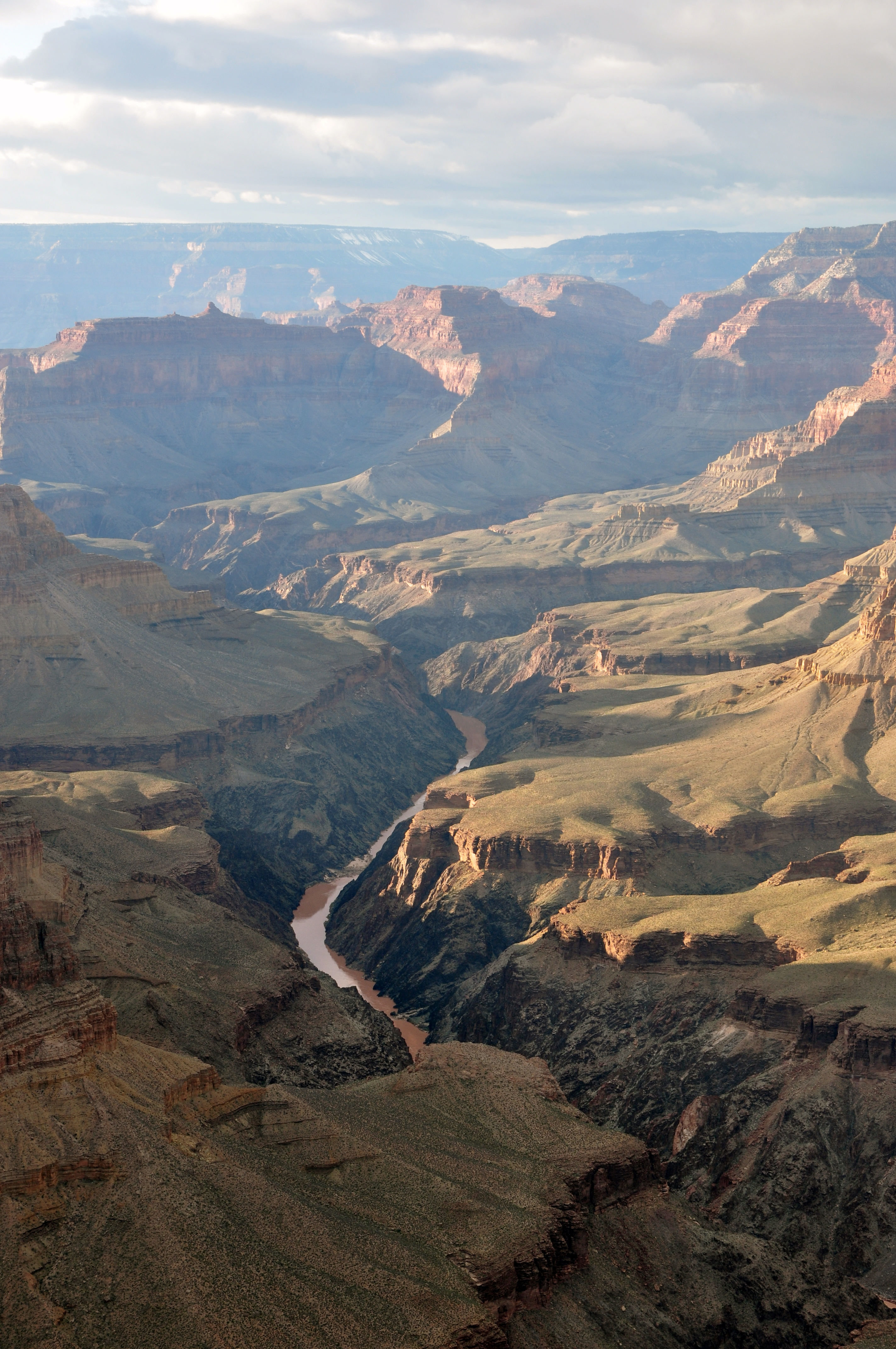
Surface water is visible, but groundwater is the invisible ocean beneath our feet. Under Arizona law, groundwater legally belongs to the owner of the land above it. A landowner is permitted to pump groundwater for reasonable and beneficial use on their own parcel.
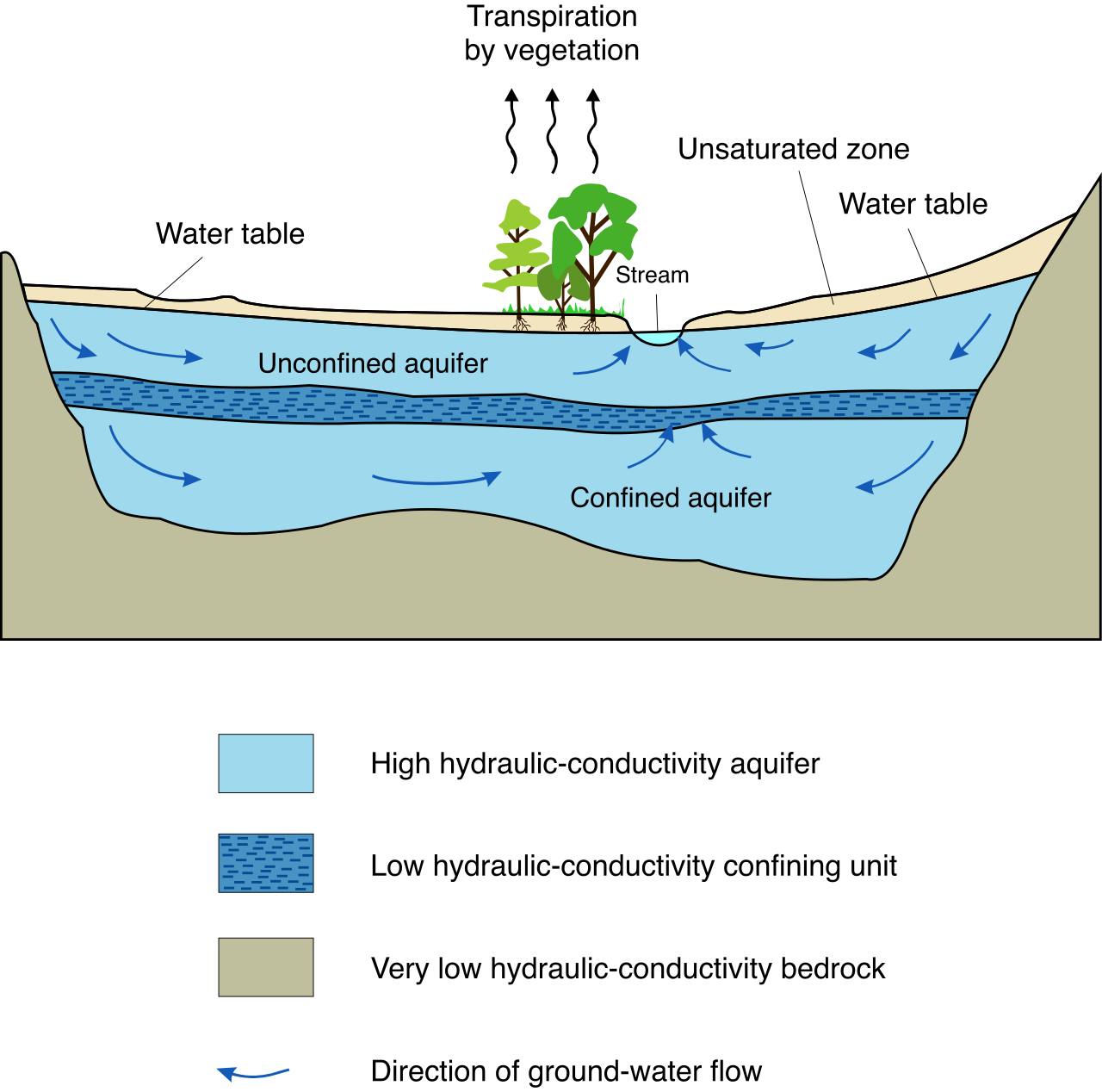
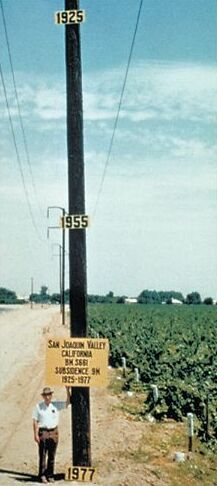
However, unregulated pumping causes the ground to literally sink (subsidence). Therefore, the Arizona Department of Water Resources tightly regulates groundwater use to prevent severe aquifer overdraft.
The state is divided into management zones based on groundwater severity:
- Active Management Areas (AMAs): Designated regions in Arizona where groundwater usage is subject to the strictest regulations (includes Phoenix, Tucson, Prescott).
- Irrigation Non-Expansion Areas (INAs): Designated regions prohibiting the expansion of irrigated agriculture to halt the depletion of the water table.
The 100-Year Rule: Assured vs. Adequate Water
When a developer wants to build a subdivision, the state demands proof that the residents won't turn on their taps in twenty years only to find dust.
| Location | Requirement | Disclosure & Sale Rules |
|---|---|---|
| Inside an AMA | Certificate of Assured Water Supply | A subdivider must obtain this certificate before offering land for sale. It guarantees a continuous 100-year supply of water is available. |
| Outside an AMA | Water Adequacy Report | A developer must apply for this report from the ADWR. A developer can legally sell subdivision lots even if the water supply is deemed inadequate, BUT an inadequate water supply must be prominently disclosed in the public report. |
The CAGRD: Buying Time for the Aquifer
If a developer inside an AMA lacks the physical wet water to prove a 100-year supply, how do they build? Enter the Central Arizona Groundwater Replenishment District (CAGRD).
The CAGRD provides a legal mechanism for developers to meet the 100-year assured water supply requirement. It does this by physically recharging aquifers with renewable water (like CAP canal water) to offset the pumped groundwater used by the subdivision.
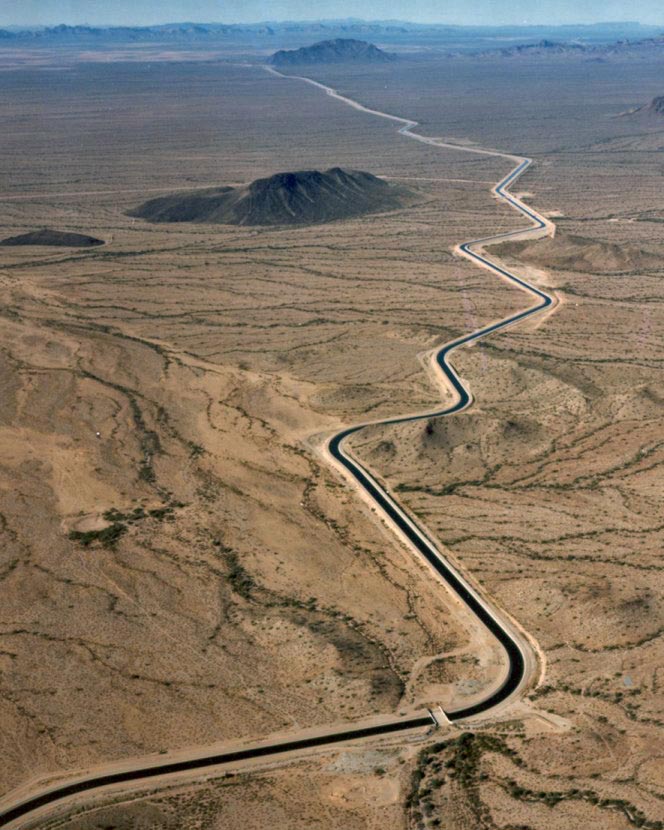
This isn't free. Properties enrolled in the Central Arizona Groundwater Replenishment District are subject to a mandatory replenishment assessment. This assessment is billed annually as a line item on the county property tax bill, a critical financial reality you must explain to buyers.
Wells and Historical Rights
Exempt Wells: Not every well is deeply regulated. Exempt wells in Arizona are legally restricted to pumping a maximum of 35 gallons per minute. They are strictly limited to non-irrigation and domestic uses. However, property owners cannot simply start digging; they must obtain a drilling permit from the ADWR before installing an exempt well.
Grandfathered Groundwater Rights: To protect historical economies, the 1980 Groundwater Management Act created rights to regulate historical water usage predating the 1980 groundwater laws in AMAs. There are three types:
- Irrigation Grandfathered Right: Allows the use of groundwater to irrigate specific acreage for commercial farming. It is appurtenant to the land—meaning it cannot be sold separately from its associated agricultural land.
- Type 1 Non-Irrigation Right: Belongs to land that was permanently retired from agricultural farming. It limits groundwater pumping to a strict maximum of three acre-feet per acre per year. Like the irrigation right, a Type 1 right remains permanently attached to its designated land and cannot be sold independently from its designated land.
- Type 2 Non-Irrigation Right: Applies to commercial or industrial uses entirely unrelated to retired farmland (such as mining or dairy farming). Because it is not tied to a specific patch of dirt, a Type 2 right is legally classified as personal property and can be sold separately from the physical land.
Arizona fiercely regulates how large parcels of land are carved up and sold to the public to prevent "wildcat subdivisions" and land fraud. The magic number in Arizona is six.
- Subdivided Land: Legally defined as land divided into six or more individual parcels, where each parcel must measure strictly less than 36 acres.
- Unsubdivided Land: Legally defined as land divided into six or more individual parcels, where each parcel must measure at least 36 acres but less than 160 acres.
- Bulk Land: Parcels of land measuring 160 acres or more are legally classified as bulk land. Bulk land sales are completely exempt from Arizona public report requirements.
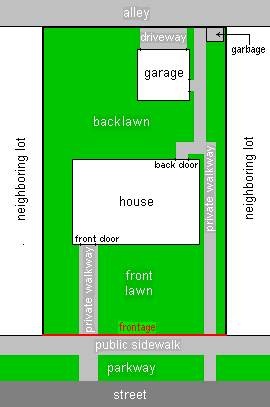
Before selling a dream in the desert, the developer must face the Arizona Department of Real Estate. A subdivider must obtain a Commissioner's Public Report before offering subdivided or unsubdivided land for sale or lease.
This report is not a marketing brochure. The Commissioner's Public Report protects consumers by disclosing all material facts regarding the development (utility access, soil conditions, title issues, and water adequacy).
The Golden Rule of Development: A developer is prohibited from finalizing the sale of a subdivision lot before receiving an approved Commissioner's Public Report.
Prior to the issuance of a Commissioner's Public Report, a developer may only accept fully refundable lot reservations. The maximum deposit legally allowed for a fully refundable lot reservation is $5,000.
Once the report is issued, a buyer must sign a receipt formally acknowledging delivery of the Commissioner's Public Report. The developer must retain the buyer's signed receipt for the Commissioner's Public Report for five years.
The Right of Rescission: Improved vs. Unimproved Lots
How easily can a buyer back out of a subdivision purchase? It depends entirely on whether the lot is "improved" and whether they actually looked at it.
- Improved Lot: A parcel of land containing a completed physical structure, OR a parcel of land with a signed contract to build a structure within two years.
- Unimproved Lot: A parcel of land completely lacking a physical structure AND lacking a binding contract obligating the construction of a building within two years.
Statutory Rescission Timelines:
| Lot Type & Condition | Buyer's Right of Rescission |
|---|---|
| Improved Lot | None. A buyer purchasing an improved subdivision lot has no statutory right of rescission. |
| Unimproved Lot (Inspected) | A buyer physically inspecting an unimproved subdivision lot has a seven-day right of rescission after signing the purchase contract. |
| Unimproved Lot (Sight Unseen) | A buyer purchasing an unimproved subdivision lot sight unseen has a six-month right of rescission. |
| Failure to Deliver Report | The buyer of a subdivision lot has a three-year right of rescission if the developer fails to provide the Commissioner's Public Report. |
What if someone divides land into fewer than six parcels? A lot split legally occurs when a parcel of land is divided into five or fewer separate parcels. Because it falls under the magic threshold of six, lot splits are entirely exempt from requiring a Commissioner's Public Report.
However, the state still demands consumer protection for rural lot splits. An Affidavit of Disclosure is mandated when selling five or fewer parcels of land located in an unincorporated area of Arizona (land not within city limits).
- The seller must deliver the Affidavit of Disclosure to the buyer at least seven days prior to the closing date.
- A buyer has exactly five days to rescind a purchase contract after receiving an Affidavit of Disclosure.
- The fully executed Affidavit of Disclosure must be recorded alongside the property deed at the county recorder's office.
As you drive across Arizona, you will see vast tracts of pristine, undeveloped desert. Much of this is Arizona State Trust Land, which is exclusively managed by the Arizona State Land Department.
This land is not public park space. It is an economic engine. Arizona State Trust Land is held in trust to financially benefit public schools and other specified state institutions. To maximize this financial return, Arizona State Trust Land can only be sold or leased to private parties through a public auction. Understanding this distinction allows you to accurately advise clients speculating on the future development of land bordering these vast, quiet expanses of the state.