Foreclosures, Short Sales, and Probate Transactions
Not sure you’re ready?
Take the ~3-minute readiness diagnostic and see where you stand.
Every real estate transaction relies on a fundamental premise: a willing seller with the legal authority to convey title, and a clear mechanism to satisfy the financial obligations attached to the property. But what happens when the financial thread tethering the owner to the property snaps, or the mortal thread tethering the owner to the earth is severed? The standard rules of real estate transfer are abruptly suspended. The transaction is no longer a simple negotiation between a buyer and a seller; it becomes a multi-party legal puzzle involving lenders, courts, and specialized legal instruments. To navigate these distressed and estate-driven transactions, you must understand the underlying mechanics of foreclosures, short sales, and probate.
Foreclosure is a legal process where a lender attempts to recover the balance of a defaulted loan by forcing the sale of the asset used as the collateral. When a borrower signs a promissory note and a mortgage (or deed of trust), they make a promise to pay, backed by a pledge of the property. If the promise is broken, foreclosure is the mechanism to liquidate the pledge.
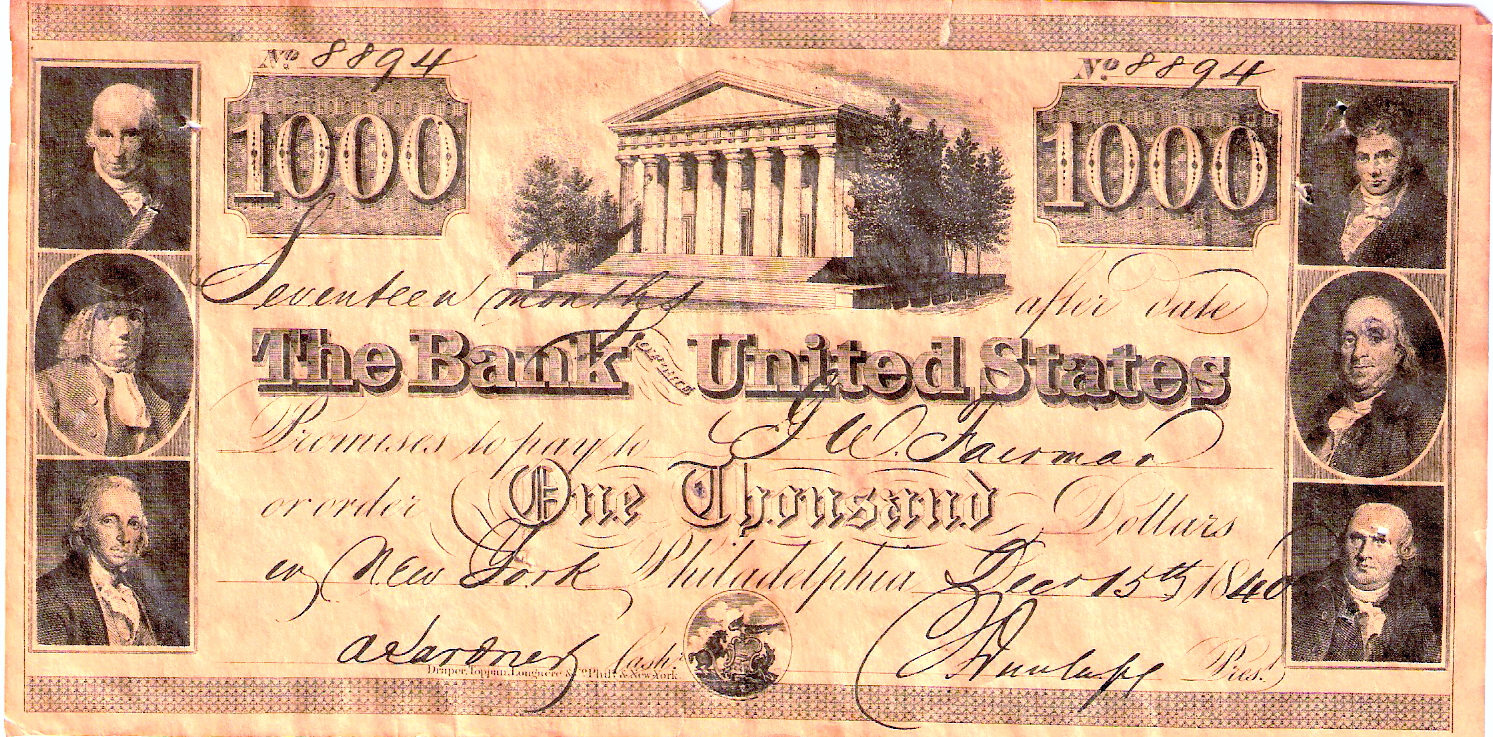
How this liquidation happens depends entirely on state law and the specific security instrument used.
The Three Paths of Foreclosure
There is no single "foreclosure process" in the United States. A lender’s path to recovering their capital falls into one of three distinct categories:
- Judicial Foreclosure: The traditional route. Judicial foreclosure requires the lender to file a lawsuit in court to sell the property. A judge must review the evidence of default, calculate the debt, and issue a decree ordering the public sale of the property. This process is time-consuming, expensive, and provides the borrower with substantial legal due process.
- Non-Judicial Foreclosure: The streamlined route. Non-judicial foreclosure allows a lender to sell a defaulted property without court involvement. How is this legally permissible? It requires a specific framework: Non-judicial foreclosure typically involves a deed of trust containing a power of sale clause. By signing the deed of trust at closing, the borrower pre-authorized a neutral third party (the trustee) to sell the property upon default. Without the bottleneck of the court system, this process moves significantly faster.
- Strict Foreclosure: The direct route. In a few specific states, strict foreclosure allows the lender to take direct legal title to the property without a public sale. If the borrower fails to pay the debt by a court-appointed deadline, the court simply transfers the title straight to the lender.

The Borrower’s Lifelines: Rights of Redemption
Even after default, the law provides mechanisms for a borrower to rescue their property. As a real estate professional, you must understand the timeline of these rights, because they dictate whether a foreclosed property can actually be sold with a clear title.
The Equitable Right of Redemption allows a defaulting borrower to pay the debt in full (including interest and penalties) and stop the foreclosure before the sale. Think of this as the "last-minute save." It is recognized universally across all states because equity demands that a borrower has every chance to cure the default before losing the asset.
The Statutory Right of Redemption allows a defaulted borrower to recover the property for a specific period after the foreclosure sale. Notice the critical difference: the sale has already happened. A third-party buyer may have won the auction, but their ownership remains conditional until this statutory period (which can last from days to over a year) expires.
The Financial Math of Default
When the gavel falls at the foreclosure auction, the financial reality of the property is laid bare.
Suppose a borrower owes $300,000 on their mortgage. Due to market depreciation, the property only brings $250,000 at the foreclosure auction. The lender is still owed $50,000. Do they simply absorb this loss? Not necessarily.
A deficiency judgment is a court order holding a borrower personally liable for the remaining debt if a foreclosure sale does not cover the loan balance. The lender can attach this judgment to the borrower's other assets or garnish their wages.
Alternatives and Aftermath: REOs and Deeds in Lieu
What if no one bids at the public auction? Real Estate Owned (REO) properties are homes that failed to sell at a foreclosure auction and are now owned by the lender. Lenders are not in the business of property management; they want to liquidate REOs quickly. Consequently, foreclosed properties are typically sold in as-is condition.
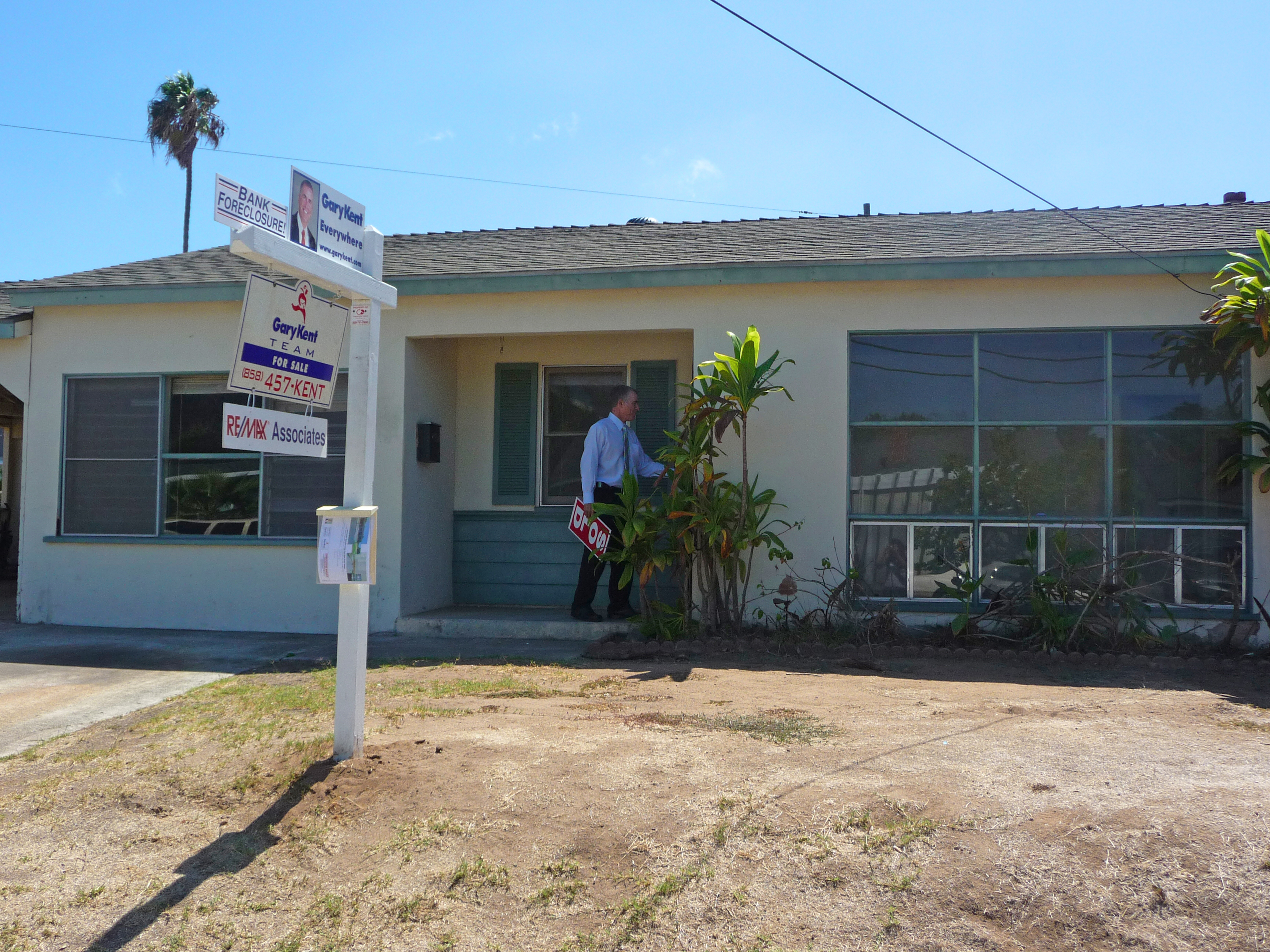
When a buyer purchases an REO, they must understand what kind of title they are receiving. Title to a Real Estate Owned property is often transferred using a special warranty deed or a bargain and sale deed. The lender is essentially saying, "We guarantee the title is clear for the brief time we owned it, but we make no promises about what the prior defaulted borrower did."
Sometimes, a borrower knows they cannot save the home and wants to avoid the public spectacle and severe credit damage of a formal foreclosure. They might offer a deed in lieu of foreclosure, which is a voluntary transfer of property title to the lender by the borrower to avoid a formal foreclosure process.
However, there is a massive legal trap here for the lender. A formal foreclosure wipes out junior liens (like a second mortgage or a mechanic's lien). But a deed in lieu of foreclosure does not automatically wipe out junior liens on the property. If the lender accepts the deed, they take the property subject to all existing debts. Therefore, lenders will only accept a deed in lieu if the title is otherwise entirely clear.
When a property is "underwater"—meaning the debt exceeds the current market value—the owner cannot simply sell the home and pay off the lender. The math doesn't work. This introduces the short sale.
A short sale occurs when a property is sold for an amount less than the outstanding mortgage balance. It serves as an alternative to foreclosure for a distressed borrower.
The Mechanics of a Short Sale Transaction
Imagine you list a property for $200,000. You secure a buyer willing to pay full price. However, your seller's mortgage balance is $240,000. Even if closing costs were zero, the seller is $40,000 "short" of clearing the lien.
Because the lender is being asked to take a loss, a short sale requires the explicit approval of the lender to release the mortgage lien. You cannot simply send them $200,000 and demand the lien be removed.
To secure this approval, a short sale transaction typically requires the seller to provide the lender with proof of financial hardship. The lender must be convinced that the seller truly cannot pay the difference and that a short sale will yield a better financial return than pushing the property through a costly foreclosure process.
Because the seller is deeply in debt on the asset, the seller in a short sale receives no cash proceeds from the sale of the property. Every penny of the net proceeds goes to the lender.
The Hidden Risks and Labyrinthian Approvals
As a real estate agent, you must manage expectations regarding time. Short sales generally take significantly longer to close than standard real estate transactions due to the lender approval process. The file must be routed through the lender's loss mitigation department, where multiple layers of bureaucratic review take place.
Furthermore, if there are multiple loans on the property (e.g., a primary mortgage and a Home Equity Line of Credit), all lienholders must approve a short sale before the property title can be legally transferred. The junior lienholder might hold up the entire transaction over a few thousand dollars, demanding a payout from the primary lender in exchange for their signature.
Finally, sellers must be explicitly warned about the difference between a lien release and a debt discharge. Lien release in a short sale does not automatically discharge the borrower from the remaining debt. The lender might agree to remove the lien so the home can be sold to the new buyer, but a lender may pursue a deficiency judgment against the seller after a short sale is completed for the remaining unpaid balance, unless the short sale agreement explicitly waives that right.
When an individual dies, their legal capacity to sign a deed dies with them. Their assets and liabilities instantly form a new legal entity: the estate. Probate is the legal process of distributing a deceased person's estate and settling the deceased person's debts.
Testate vs. Intestate Estates
The probate process branches immediately based on whether the deceased left instructions.
- A person who dies with a valid will is said to die testate.
- A person who dies without a valid will is said to die intestate.
When an owner dies intestate, their property does not simply default to the government (escheat) immediately. Instead, the state laws of descent and distribution govern how property is transferred when a person dies intestate. The law provides a strict hierarchy of inheritance—usually spouse, then children, then parents, and so on.
The Cast of Characters: Executors and Administrators
To sell real estate trapped in probate, a living human being must be granted the legal authority to sign documents on behalf of the estate.
- If the person died testate (with a will), an executor is a person named in a will to administer the deceased person's estate.
- If the person died intestate (without a will), an administrator is a person appointed by the probate court to handle the estate.
Here is the most critical mistake eager real estate agents make: taking a listing agreement signed by a grieving child who assumes they own the house. Heirs cannot legally sell a deceased person's property until the probate court officially grants the heirs authority to do so. Until the court issues "Letters Testamentary" (for an executor) or "Letters of Administration" (for an administrator), no one has the power to list or sell the property.
The Probate Sale Process and Conveyance
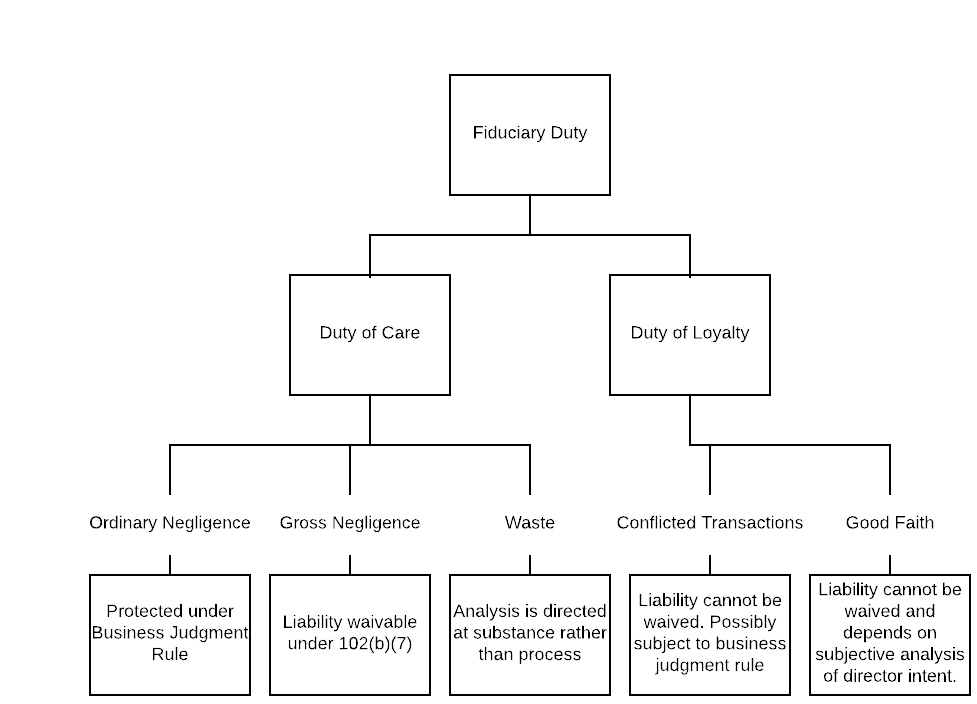
Selling property through probate is rarely a private affair. Because the court has a fiduciary duty to protect the estate's creditors and heirs, real estate sold through probate often requires formal approval from a probate court judge.
To ensure the estate receives fair market value, selling a property in probate often involves a court-mandated public overbidding process at a confirmation hearing. Imagine your buyer makes an offer that the executor accepts. In many jurisdictions, that accepted offer must be presented in open court, where the judge will ask if anyone in the gallery is willing to bid higher. Your buyer could lose the property at the very last moment to an investor lurking in the courtroom.
Because the deceased is not around to fill out a property disclosure statement, and the executor may have never lived in the home, probate real estate sales are typically conducted on an as-is basis.
When the transaction finally closes, the deed used to transfer the property is unique. Title to a deceased person's property is typically transferred using an executor's deed or an administrator's deed. Just like the REO deeds we discussed earlier, these deeds offer highly limited protection to the buyer. An executor's deed typically offers no warranties against title defects predating the deceased owner's tenure. The executor is only promising that they did not encumber the title during the probate process; they make no guarantees about the fifty years prior.
Understanding these mechanisms allows you to manage the chaos. When you encounter a distressed property or a bereaved family, you aren't just selling real estate—you are facilitating the complex legal untangling of ownership, debt, and authority. Master these rules, and you elevate yourself from a mere salesperson to an indispensable transactional guide.