Measuring Structures and Land
Not sure you’re ready?
Take the ~3-minute readiness diagnostic and see where you stand.
To value a piece of the physical world, we must first quantify its boundaries. In real estate, the tape measure is as foundational as the contract. A buyer does not merely purchase an abstract concept of a home; they acquire a mathematically defined polygon on the Earth’s surface and a highly regulated volume of habitable space. Every dollar exchanged in a real estate transaction, every property tax assessment, and every zoning permit is fundamentally anchored to physical measurements. Whether you are pricing a sprawling agricultural tract or a downtown condominium, your ability to precisely calculate, convert, and defend these dimensions determines the accuracy of your valuations and the legal protection of your clients.
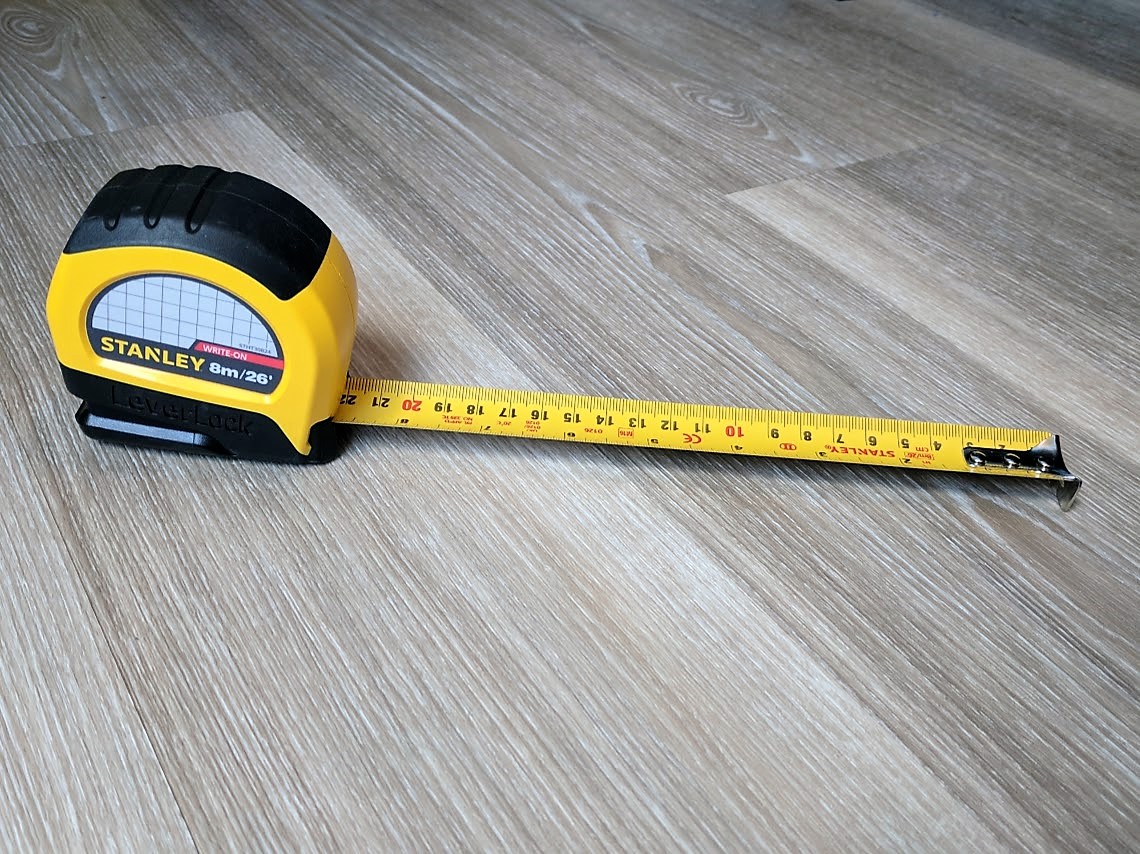
Before we map neighborhoods or price buildings, we have to understand the physical dimensions we are dealing with. The physical environment exists in dimensions, and real estate mathematics isolates these dimensions depending on what we need to build, boundary, or buy.
One, Two, and Three Dimensions
Linear footage measures the one-dimensional length of a straight line. When a client wants to install a wooden fence along the back boundary of their yard, they only care about distance from point A to point B. This is linear footage.
Square footage measures the two-dimensional area of a flat surface. When you lay down hardwood flooring or sod a lawn, you are covering a plane. You care about how far the space stretches in two directions.
- The area of a rectangle is calculated by multiplying its length by its width.
- The area of a triangle is calculated by multiplying one-half of the base by the height.
- When evaluating the footprint of a building, we often look at the boundary. The perimeter of a rectangular structure is calculated by adding the lengths of all four sides together.
Volume is calculated by multiplying length by width by depth. When we introduce depth (or height), we move into three dimensions. You use volume to determine the capacity of an HVAC system, or to figure out how much concrete to pour for a driveway. Consequently, volume is typically expressed in cubic feet or cubic yards.
Converting Between Units
Real estate professionals must fluently translate between feet and yards, particularly when dealing with contractors or land developers.
Crucial Measurement Conversions:
- One square yard equals 9 square feet. (Imagine a 3-foot by 3-foot square. 3×3=9). To convert square feet to square yards, divide the total square footage by 9.
- One cubic yard equals 27 cubic feet. (Imagine a 3-foot by 3-foot by 3-foot cube. 3×3×3=27). To convert cubic feet to cubic yards, divide the total cubic footage by 27.
If a builder needs to pour a concrete patio that requires 270 cubic feet of concrete, they will call the supplier and order 10 cubic yards (270 divided by 27).
Irregular Lots and Unknowns
Nature rarely partitions herself into perfect right angles. When an irregularly shaped lot is measured, the lot is typically divided into standard geometric shapes to calculate total square footage. If a lot looks like a trapezoid, a surveyor will mathematically slice it into a central rectangle and a triangle on the side, calculate the area of each separately using the formulas above, and add them together.
What if you know the total area of a rectangular lot and how deep it goes, but not how wide it is? Algebra provides a simple escape hatch. The formula to find the width of a rectangular lot when the area and length are known is dividing the total area by the length. If a rectangular lot is 10,000 square feet and is 100 feet deep (length), dividing 10,000 by 100 reveals a width of 100 feet.
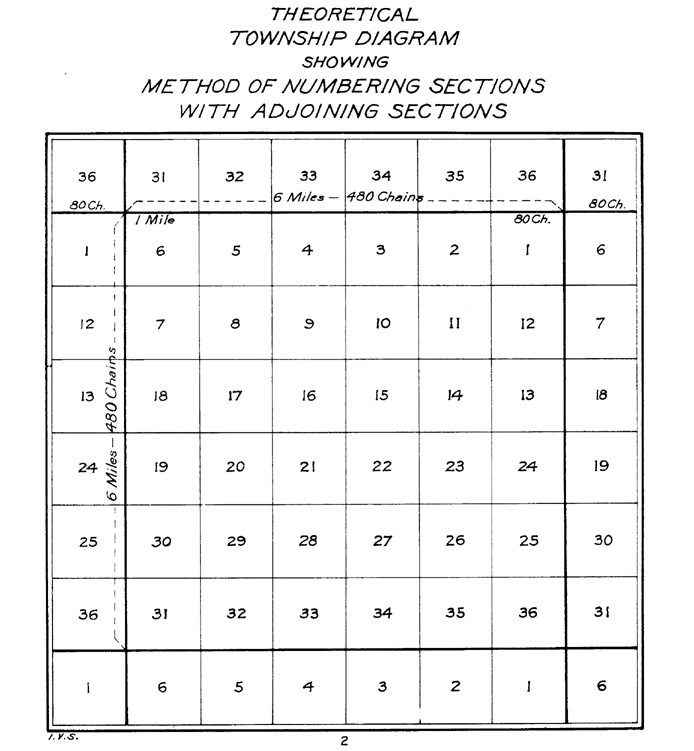
To understand large-scale U.S. land measurement, you must memorize the numbers that dictate the physical grid of the country.
| Unit of Measurement | Equivalent Value |
|---|---|
| One Mile | 5,280 linear feet |
| One Acre | 43,560 square feet |
| One Square Mile | 640 acres |
| One Section | Exactly one square mile (and therefore contains 640 acres) |
| One Standard Township | 36 sections |
These numbers are the DNA of the Public Land Survey System. A standard township is a massive 36-square-mile grid. That grid is sliced into 36 individual sections. Because one section of land is equal to exactly one square mile, and one section of land contains 640 acres, we can easily subdivide massive tracts of wilderness into legally tradable parcels.
Calculating Acres
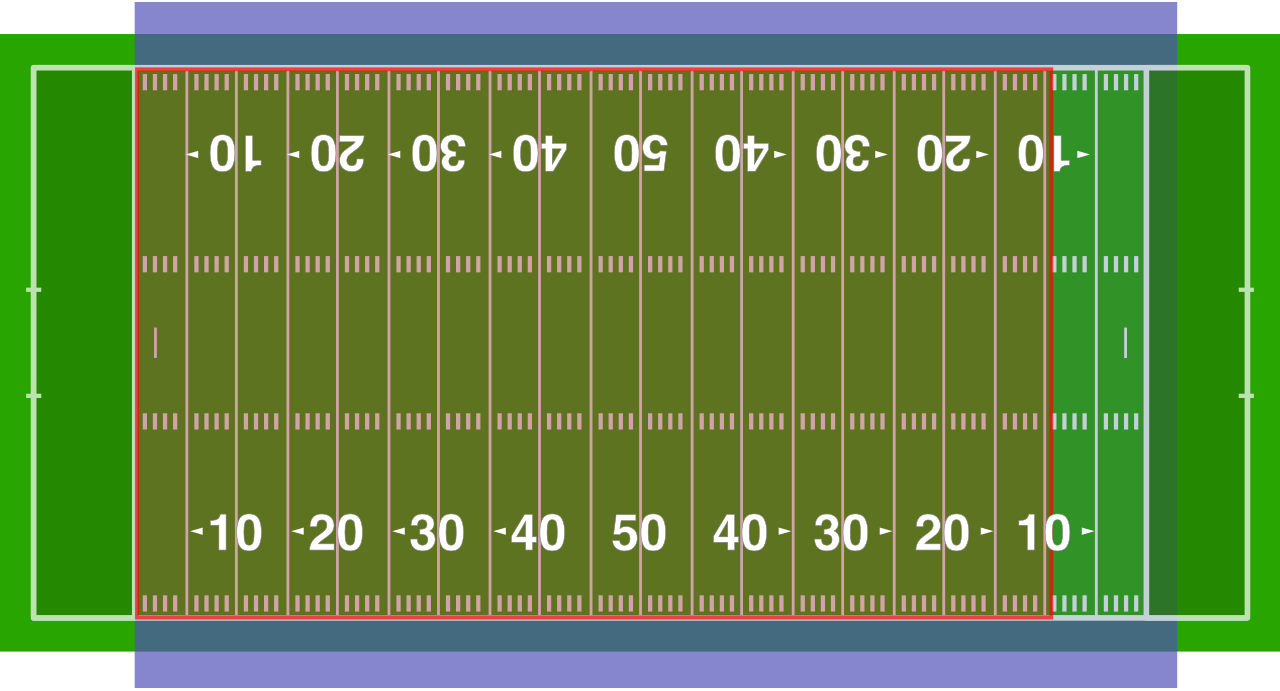
When an investor asks you how many acres are in a specific plot, you must convert the raw square footage of the earth into acreage. To calculate the number of acres in a rectangular parcel, multiply the length in feet by the width in feet and divide the result by 43,560.
Scenario: A farmer is selling a rectangular field measuring 1,000 feet by 871.2 feet.
- Multiply length by width: 1,000×871.2=871,200 square feet.
- Divide by the magical acre number: 871,200÷43,560=20 acres.
Frontage and Buildable Area
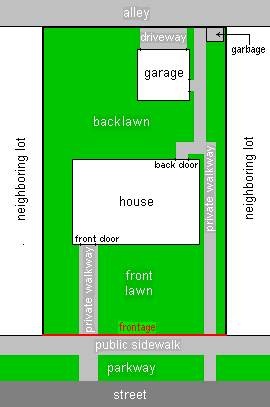
Not all feet are created equal. The portion of a property that touches a desirable feature is the most valuable part of the land. Front footage refers to the linear measurement of a property line bordering a street or a body of water. Retail stores die without street visibility, and lake houses lose their premium without water access. Thus, front footage is highly prized.
Because of its importance, the real estate industry adopted a universal shorthand. In a property description specifying two dimensions for a lot, the first number conventionally represents the front footage. If a listing describes a commercial lot as "100' x 200'", the lot has 100 front feet along the street and stretches 200 feet back.
But you cannot build on every square inch of that lot. Municipalities enforce buffers. Setbacks refer to the mandatory minimum distance between a structure and the property lines. You might have a 100' x 200' lot, but local zoning might dictate 20-foot setbacks on the front and back, and 10-foot setbacks on the sides.
To calculate the buildable area of a lot, the area within the required setbacks must be subtracted from the total lot area. You do not sell the buyer a 20,000 square foot building footprint; you sell them the buildable area tucked inside those invisible regulatory borders.
When you walk from the yard into the house, the rules of measurement shift dramatically. The most critical number attached to a residential property—the number that drives appraisals, comparative market analyses, and buyer interest—is the Gross Living Area (GLA).
Gross Living Area is the standard metric used in real estate for measuring the residential square footage of a home.
However, GLA is fiercely protected by specific rules. You cannot simply stretch a tape measure from the front door to the back fence and call it living space. To maintain integrity in the housing market, a square foot only counts toward GLA if it meets rigorous standards.
The Criteria for Gross Living Area
- Habitability: Gross Living Area includes only space that is heated, finished, and intended for year-round habitation. A screened-in summer porch does not count. An unheated sunroom does not count.
- Exclusions: By definition, unfinished attics are excluded from Gross Living Area calculations. Similarly, because they are not intended for human habitation, garages are excluded from Gross Living Area calculations.
- The Above-Grade Rule: This is where candidates and practicing agents make the most expensive errors. Gross Living Area includes only above-grade living spaces. Therefore, basements are excluded from Gross Living Area calculations.
- The Trap: What if the basement is beautifully finished with a home theater, luxury vinyl plank flooring, and a walk-out sliding door? It does not matter. Below-grade spaces are excluded from Gross Living Area calculations regardless of finish quality.
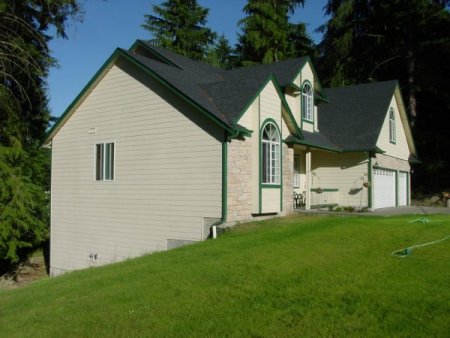
- Defining Below-Grade: A space is considered below grade if any portion of its surrounding walls is situated below ground level. If a house is built into the side of a hill, and just one wall of the lower level is cut into the earth, that entire level is below grade. It holds value, and appraisers will note it, but it cannot be added to the official GLA.
Single-Family vs. Condominiums
How do we physically measure the walls? The method depends entirely on what the buyer actually owns.
- Single-family residential structures are measured using exterior building dimensions to determine Gross Living Area. The homeowner owns the brick, the framing, and the siding. You measure from the outside.
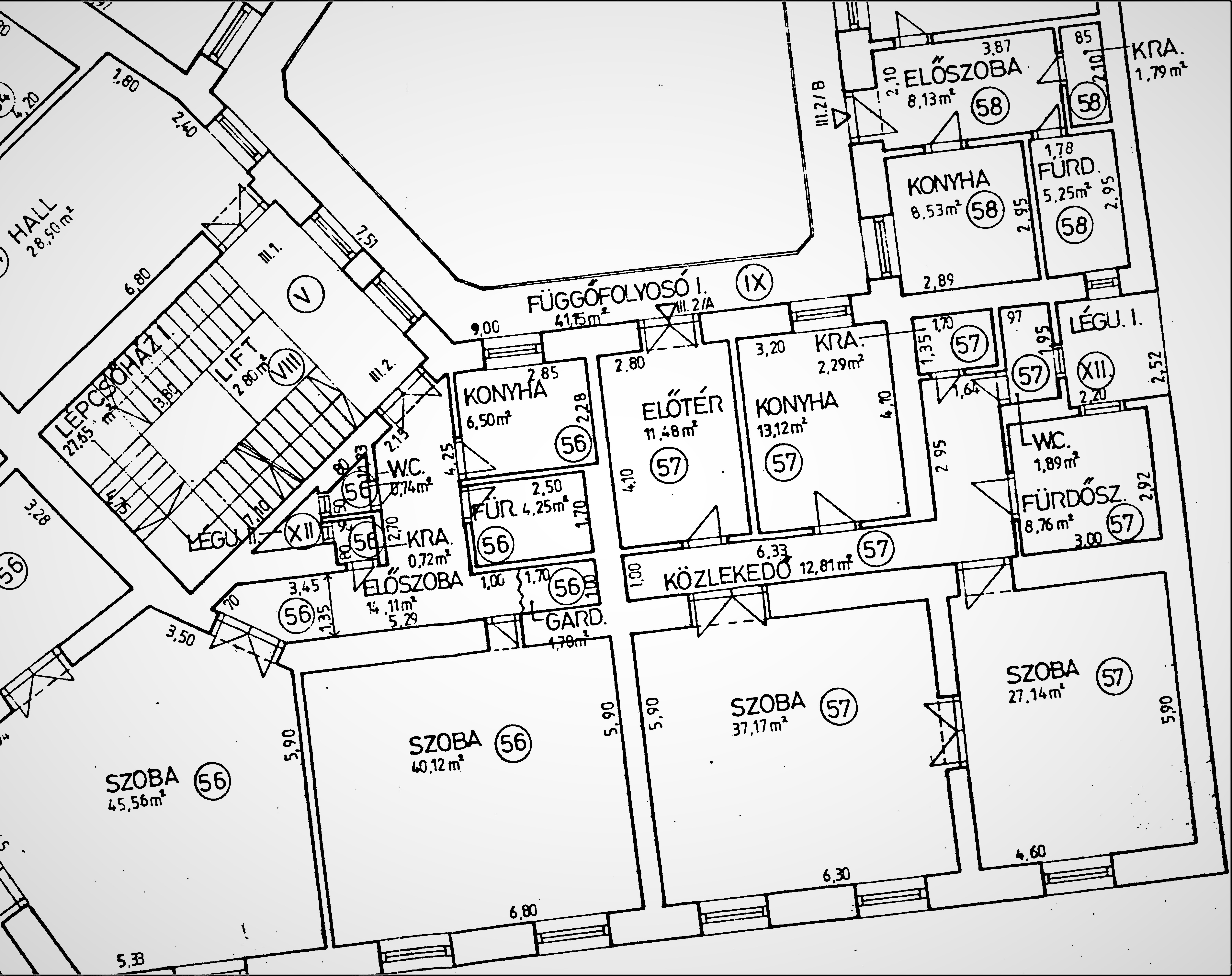
- Condominium units are measured using interior wall dimensions to determine their square footage. A condo owner only owns the "air space" between the walls (paint-to-paint). They do not own the exterior structure of the building.
The Standard: ANSI Z765
Because variations in measurement can lead to millions of dollars in mispriced real estate, the industry relies on a centralized authority. The ANSI Z765 standard provides uniform guidelines for measuring and calculating the square footage of single-family houses.
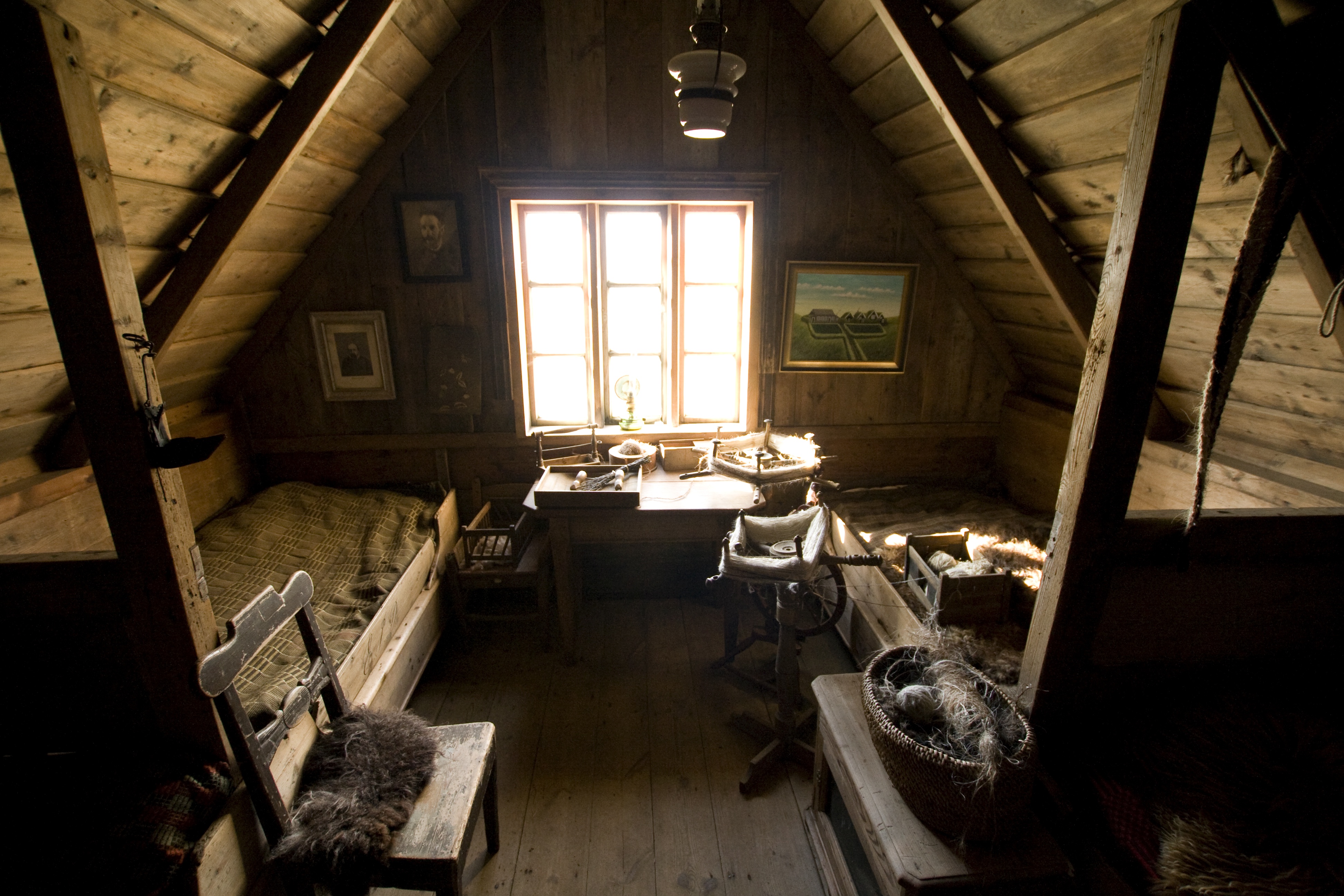
Under this standard, the rules are unforgiving. For example, ceiling height dictates utility. Under ANSI Z765 standards, a finished area must have a minimum ceiling height of 7 feet to be included in Gross Living Area. If a finished attic room has severely sloped ceilings, only the portions of the room where the ceiling meets the 7-foot minimum (with some specific exceptions for slope angles) can be counted in the GLA.
Ultimately, we measure the physical world so we can price it. Real estate is fundamentally traded on a unit-price basis.
When you evaluate commercial space, residential lots, or high-density urban developments, the primary metric is often price per square foot. When calculating the price of a parcel of land per square foot, the total purchase price is divided by the total square footage.
- Example: A 5,000 square foot lot sells for $150,000. $150,000 ÷ 5,000 = $30 per square foot.
Conversely, when you move out of the city and into agricultural tracts, timberland, or large-scale suburban developments, square footage yields numbers too unwieldy to be useful. Here, we transition to pricing by the acre. To find the cost per acre, the total purchase price of the land is divided by the total number of acres.
- Example: A developer buys an 80-acre tract for $1,200,000. $1,200,000 ÷ 80 = $15,000 per acre.
As a real estate salesperson, your mastery of these concepts ensures you are never guessing. You are translating the physical reality of dirt, timber, and drywall into the exact mathematical language of the global market.