California Required Disclosures: TDS & Natural Hazards
Not sure you’re ready?
Take the ~3-minute readiness diagnostic and see where you stand.
In the historical mechanics of contract law, the doctrine of caveat emptor—let the buyer beware—reigned supreme. This ancient principle forced purchasers to uncover a property’s hidden flaws through their own sheer paranoia and costly investigation. California real estate law, however, has dismantled this fortress of silence. Today, the transfer of residential property in California operates under a highly sophisticated architecture of mandatory transparency. This framework is not a mere professional courtesy; it is a strict statutory mandate designed to equalize the asymmetry of information between a seller who has lived in a structure for decades and a buyer who has toured it for fifteen minutes. Understanding these disclosures is not simply about passing a licensing exam. It is about grasping the profound legal duty to protect the economic reality of a buyer’s transaction while shielding the seller and the brokerage from devastating liability.

Before dissecting the specific statutory forms used in California, we must first understand the invisible currency of all real estate disclosures: materiality.
Crucial Definition: A material fact is any piece of information that would affect the value or desirability of a property to a reasonable buyer.
If a house sits on a foundation that is actively sinking into a hillside, its desirability plummets. That is a material fact. The duty to disclose known material facts applies to both the seller and the real estate agents involved in a transaction. What happens if you or your client remain silent? In California real estate law, the failure to disclose known material defects constitutes negligent misrepresentation or fraud.

To systematically enforce transparency, the California legislature created a mandatory form. The California Transfer Disclosure Statement is a statutory form required under California Civil Code Section 1102.
The California Transfer Disclosure Statement requires sellers to disclose specific information about the physical condition of a property. You can think of it as the autobiography of the house—written by the current owner under penalty of perjury. The California Transfer Disclosure Statement requirement applies specifically to the sale of residential properties containing one to four units.
The Fallacy of "As-Is"
A pervasive myth you will encounter daily is that selling a house "as-is" absolves the seller of liability. This is functionally backward.
Warning: A seller must provide a California Transfer Disclosure Statement even when a property is sold in "as-is" condition. An "as-is" clause does not relieve a seller from the legal duty to disclose known material defects.
When a seller lists a property "as-is," they are merely stating, "I will not pay for any repairs." They are not saying, "I am allowed to hide the fact that the roof leaks every time it rains."
Inside the TDS: What Must Be Disclosed?
The breadth of the TDS is exhaustive. The California Transfer Disclosure Statement requires disclosure of:
- The operational condition of appliances and fixtures (e.g., does the oven actually heat up?).
- Defects or malfunctions in the physical property improvements, such as cracks in the foundation, plumbing leaks, or a failing roof.
- Shared property features like walls and driveways, which carry the latent risk of neighbor disputes or shared maintenance costs.
- Encroachments and easements affecting the property lines.
- Unpermitted additions or property modifications (e.g., converting a garage into a living space without city permits).
- Any known environmental hazards on the property, such as asbestos, lead-based paint, or toxic mold.
- Any known neighborhood noise problems or nuisances (e.g., a nearby commercial dog kennel or late-night industrial noise).
- Homeowners association (HOA) obligations and deed restrictions that dictate what a buyer can and cannot do with their land.
Property, however, is dynamic. If a pipe bursts and floods the kitchen halfway through a 30-day escrow, the initial disclosure is no longer accurate. Therefore, a seller must amend the Transfer Disclosure Statement if the seller becomes aware of a new material defect before closing.
The Mechanics of Delivery and Cancellation Rights
Because the TDS forms the foundation of the buyer's understanding of the asset, timing is highly regulated. The California Transfer Disclosure Statement must be delivered to a prospective buyer as soon as practicable before the transfer of title.
If the seller drags their feet in delivering this form, they grant the buyer a powerful legal weapon. A buyer has a statutory right to cancel a purchase agreement based on the timing of the California Transfer Disclosure Statement delivery.
| Delivery Method | Statutory Cancellation Right |
|---|---|
| In-Person Delivery | A buyer may cancel a purchase agreement within three days after receiving the California Transfer Disclosure Statement in person. |
| Mail or Electronic Delivery | A buyer may cancel a purchase agreement within five days after receiving the California Transfer Disclosure Statement by mail or electronic delivery. |
Statutory Exemptions from the TDS
Not every transfer of real estate demands a TDS. The law recognizes that in certain situations, the seller fundamentally lacks historical knowledge of the physical property, or the transaction is already governed by a strict alternative legal framework.
The following transactions are strictly exempt from the California Transfer Disclosure Statement requirement:
- Sales of new homes in a subdivision requiring a public report (these are highly regulated by the DRE already).
- Court-ordered property sales (such as probate sales ordered by a judge).
- Foreclosure sales and deeds in lieu of foreclosure.
- Property transfers between co-owners.
- Property transfers between spouses (often related to divorce settlements).
- Property transfers to or from a government entity.
The Fiduciary Exemption (with a Catch): Fiduciaries administering a trust or estate are generally exempt from providing a California Transfer Disclosure Statement, because a trustee often has never lived in the property they are selling on behalf of an estate. However, there is a crucial caveat: A trustee loses the California Transfer Disclosure Statement exemption if the trustee owned or occupied the property within the preceding year.
The Enduring Duty: Do not conflate "exempt from the TDS form" with "exempt from the truth". Sellers exempt from providing a California Transfer Disclosure Statement must still disclose any known material facts affecting the property value. To facilitate this, the California Association of Realtors provides an Exempt Seller Disclosure form for transactions exempt from the Transfer Disclosure Statement.
While the TDS maps the internal condition of the property, the geographic location of that property brings an entirely different set of risks.
California Civil Code Section 1103 requires sellers to provide a Natural Hazard Disclosure Statement for residential properties. The Natural Hazard Disclosure Statement requirement applies to all residential property transactions subject to the Transfer Disclosure Statement requirement.
The Natural Hazard Disclosure Statement warns buyers if a property lies within state-mapped or locally mapped hazard zones. California law mandates the disclosure of six specific natural hazard zones on the Natural Hazard Disclosure Statement:
| Hazard Category | Specific Statutory Zone | Practical Implication |
|---|---|---|
| Flood | Special Flood Hazard Area | Designated by the Federal Emergency Management Agency (FEMA). Properties in a Special Flood Hazard Area carry at least a one percent chance of being flooded in any given year. |
| Flood | Area of Potential Flooding | Indicates risk from a dam failure inundation. |
| Fire | Very High Fire Hazard Severity Zone | Mapped by the state to indicate extreme wildfire risk. |
| Fire | State Responsibility Area (SRA) | Known as a Wildland Fire Area. Crucially, the state of California is not responsible for providing fire protection services to buildings located within a State Responsibility Area; that burden falls to the owner or local agencies. |
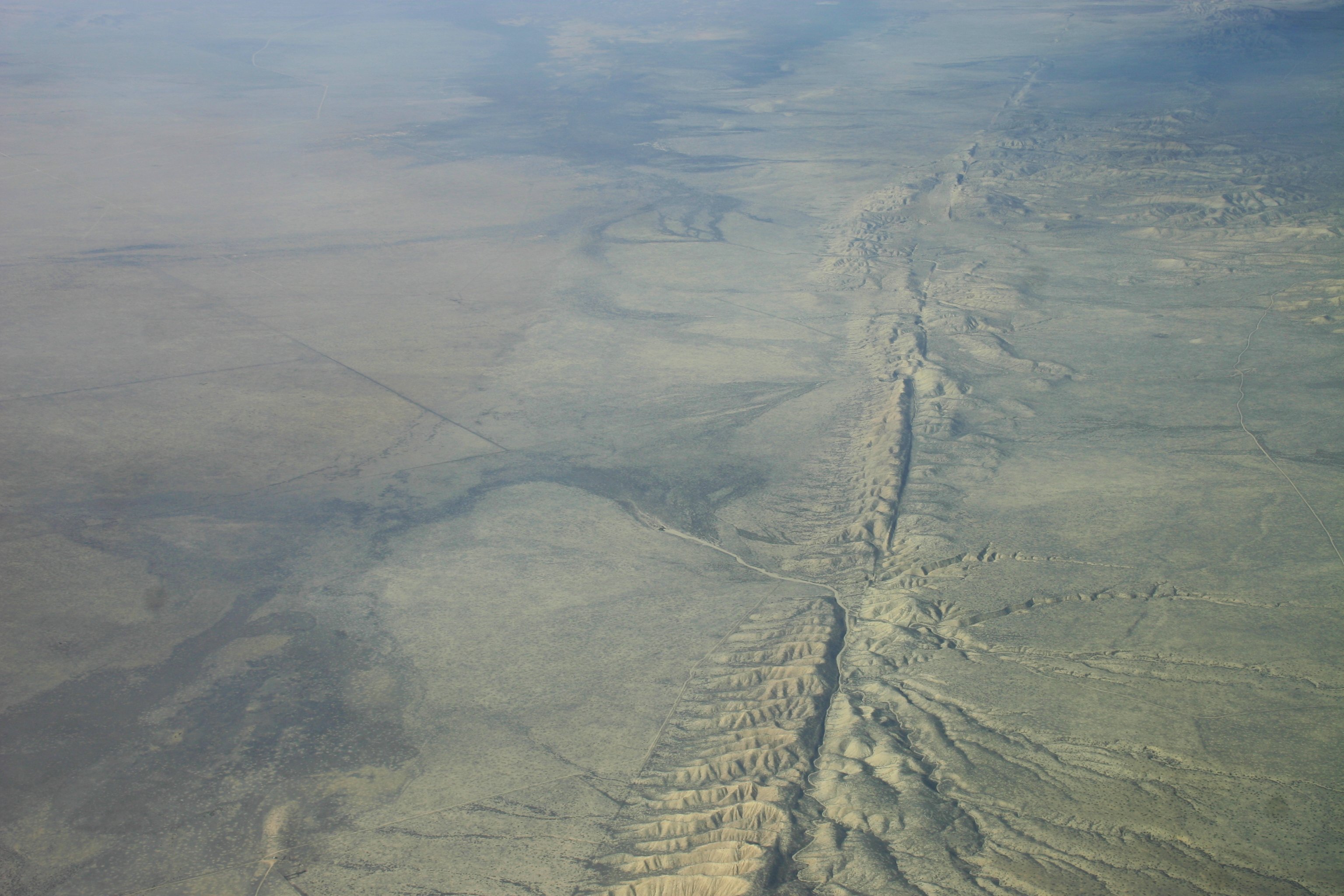
| Seismic | Alquist-Priolo Earthquake Fault Zone | Property lies over or immediately adjacent to a known active surface fault trace. |
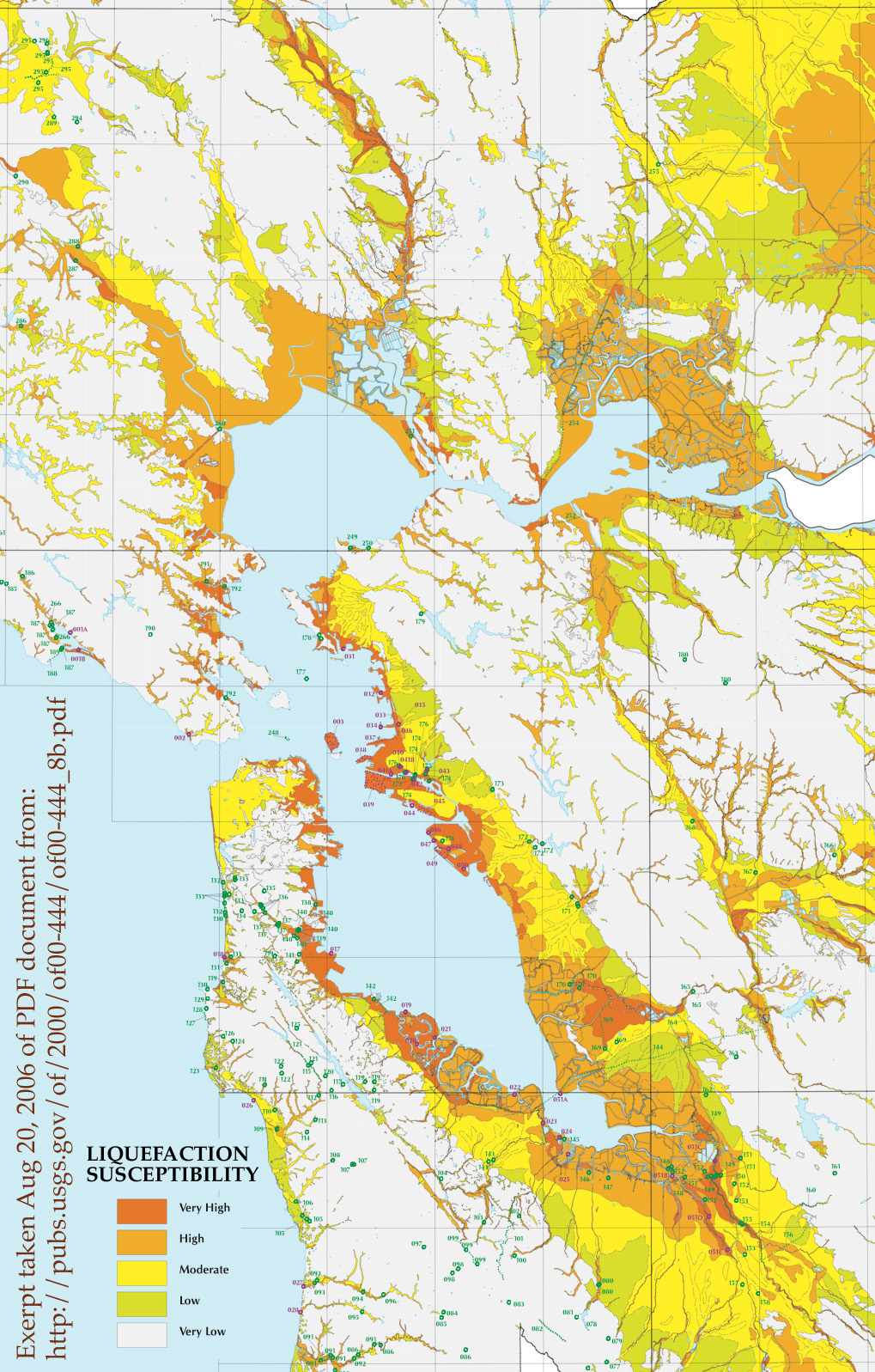
| Seismic | Seismic Hazard Zone | A Seismic Hazard Zone indicates a risk of landslides or liquefaction (where solid ground turns to a liquid-like state) during an earthquake. |
The Role of Third-Party Disclosure Companies
Determining whether a home straddles an Alquist-Priolo fault line requires sophisticated geographic data. Therefore, sellers and their agents may hire a licensed third-party disclosure company to prepare the Natural Hazard Disclosure Statement.
Doing so provides a massive legal advantage: Using a qualified third-party disclosure company shields the seller and agent from liability for errors in the Natural Hazard Disclosure Statement. In addition to the six required zones, a Natural Hazard Disclosure Statement prepared by a third-party company often includes supplemental disclosures for Mello-Roos community facilities districts, which are special assessment tax zones that buyers desperately need to know about before purchasing.
Ethical constraint: Real estate agents are prohibited from receiving referral fees or kickbacks from natural hazard disclosure companies. You recommend a company because they are accurate, not because they pay you.
A disclosure system reliant solely on a seller's honesty is fragile. What happens if a seller genuinely misses a severe defect, or intentionally covers it up?
In 1984, the California appellate court case Easton v. Strassburger fundamentally altered the landscape of real estate agency. The court ruled that agents cannot simply be passive conduits for a seller's statements.
Easton v. Strassburger requires a seller's real estate agent to conduct a reasonably competent and diligent visual inspection of a property. Following this investigation, a seller's agent must disclose to prospective buyers all material facts affecting the value or desirability of a property. Just like the TDS, the visual inspection duty established by Easton v. Strassburger applies only to residential properties containing one to four units.
Boundaries of the Agent's Inspection
The court did not require real estate agents to become structural engineers. The law clearly limits the scope of this duty:
- Accessibility: The duty to inspect under Easton v. Strassburger does not require a real estate agent to inspect inaccessible areas of a property. You are not required to tear open drywall or crawl through a microscopic attic.
- Location: The duty to inspect under Easton v. Strassburger does not require a real estate agent to inspect areas off the site of the subject property.
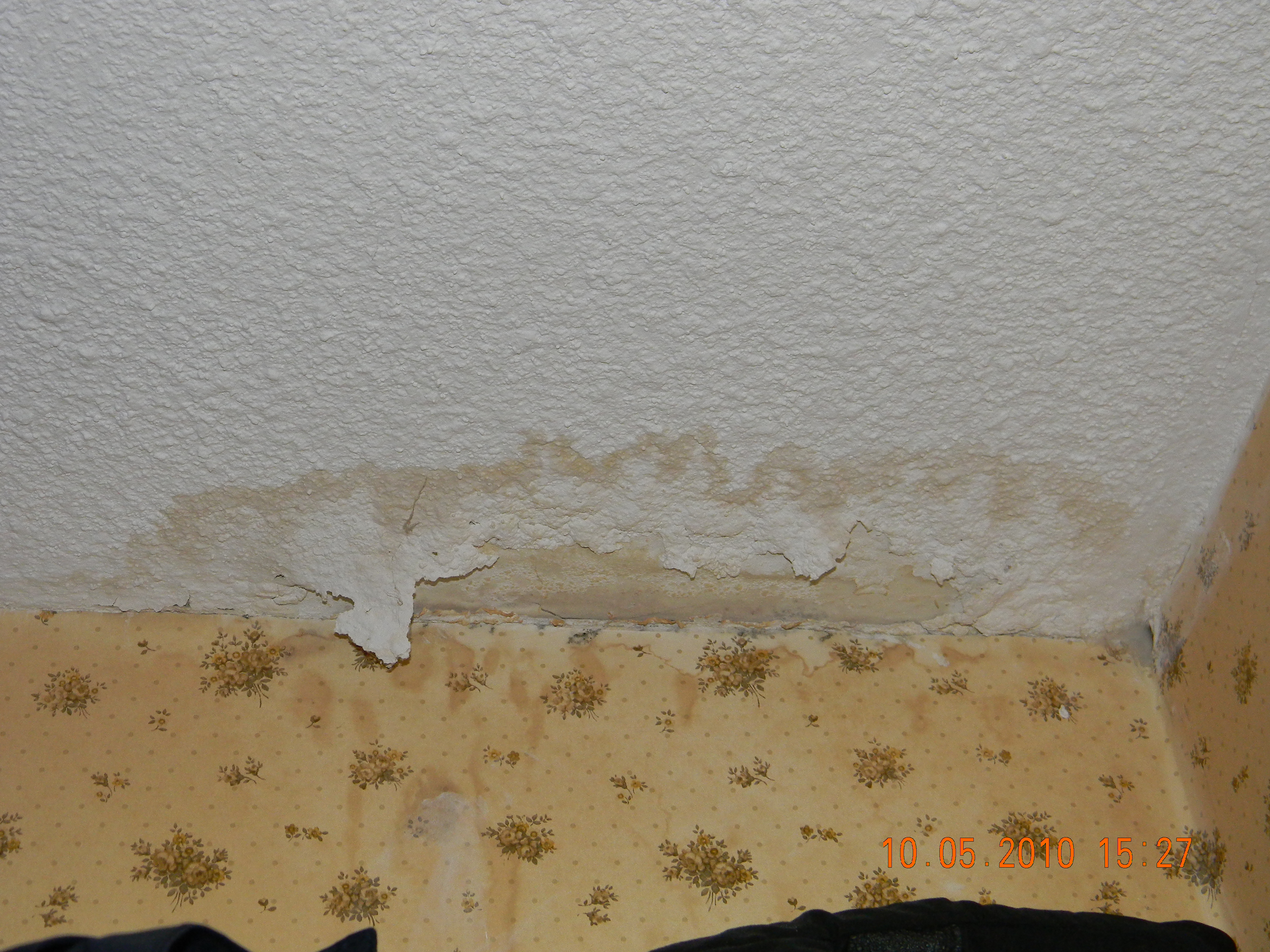
However, there is a massive exception to these limits: Red Flags. A real estate agent must investigate known red flags that indicate potential property defects. If you see severe water stains on a ceiling or a jagged, asymmetrical crack running up a living room wall, you cannot simply look the other way. That is a red flag, and it triggers your duty to investigate and disclose.
Codification and the Buyer's Agent
The legislature quickly recognized the brilliance of the Easton decision. California Civil Code Section 2079 codified the agent inspection duties established by the Easton v. Strassburger court decision into formal state law.
To satisfy this law, California real estate agents typically use the Agent Visual Inspection Disclosure (AVID) form to document the required property inspection.
Finally, do not assume this is purely a listing agent's burden. The courts and the DRE expect both sides of the transaction to protect the consumer. A buyer's agent also has a duty to conduct a visual inspection of the residential property and disclose material facts.
When you step foot onto a property as a licensed agent, your eyes are legally bound to the asset. You are the professional safeguard ensuring that when money changes hands, it does so based on the physical reality of the property, not the curated illusions of the seller.