Environmental Issues and Government Disclosures
Not sure you’re ready?
Take the ~3-minute readiness diagnostic and see where you stand.
Real estate is fundamentally the transfer of land and the improvements affixed to it, but a property is rarely just wood, brick, and dirt. It is a complex chemical environment and a repository of human history. When a client buys a building, they are buying the air inside the walls, the subterranean groundwater, and the legal legacy of every prior occupant's activities. In the eyes of the law, what you cannot see—microscopic fibers, radioactive soil gas, or decades-old industrial runoff—is often far more financially and physically dangerous than a collapsing roof.
As a real estate professional, you are the intermediary bridging the gap between a buyer's aspirations and the unforgiving reality of environmental law. You do not need to be a toxicologist or an environmental engineer, but you must know how to spot red flags, when to mandate disclosures, and how to direct your clients to the right experts.
Before we examine specific environmental hazards, we must define your baseline professional responsibility.
Environmental hazards that negatively affect the value, desirability, or safety of a property are considered material facts. In contract law, a material fact is any piece of information that would cause a reasonable person to change their mind about a transaction or change the price they are willing to pay.
Consequently, real estate licensees have a strict legal duty to disclose all known material environmental hazards to prospective buyers. But the law goes one step further: willful ignorance is not a defense. A real estate agent has a professional duty to discover and disclose environmental hazards that a reasonably competent physical inspection would reveal. If a massive oil stain is pooling around an old heating tank in the basement, you cannot claim you "didn't know" it was an issue just because you didn't ask. You are expected to possess the observational awareness of an active professional.
The most immediate threats to a buyer often exist within the envelope of the house itself. You will encounter these in standard residential transactions every day.
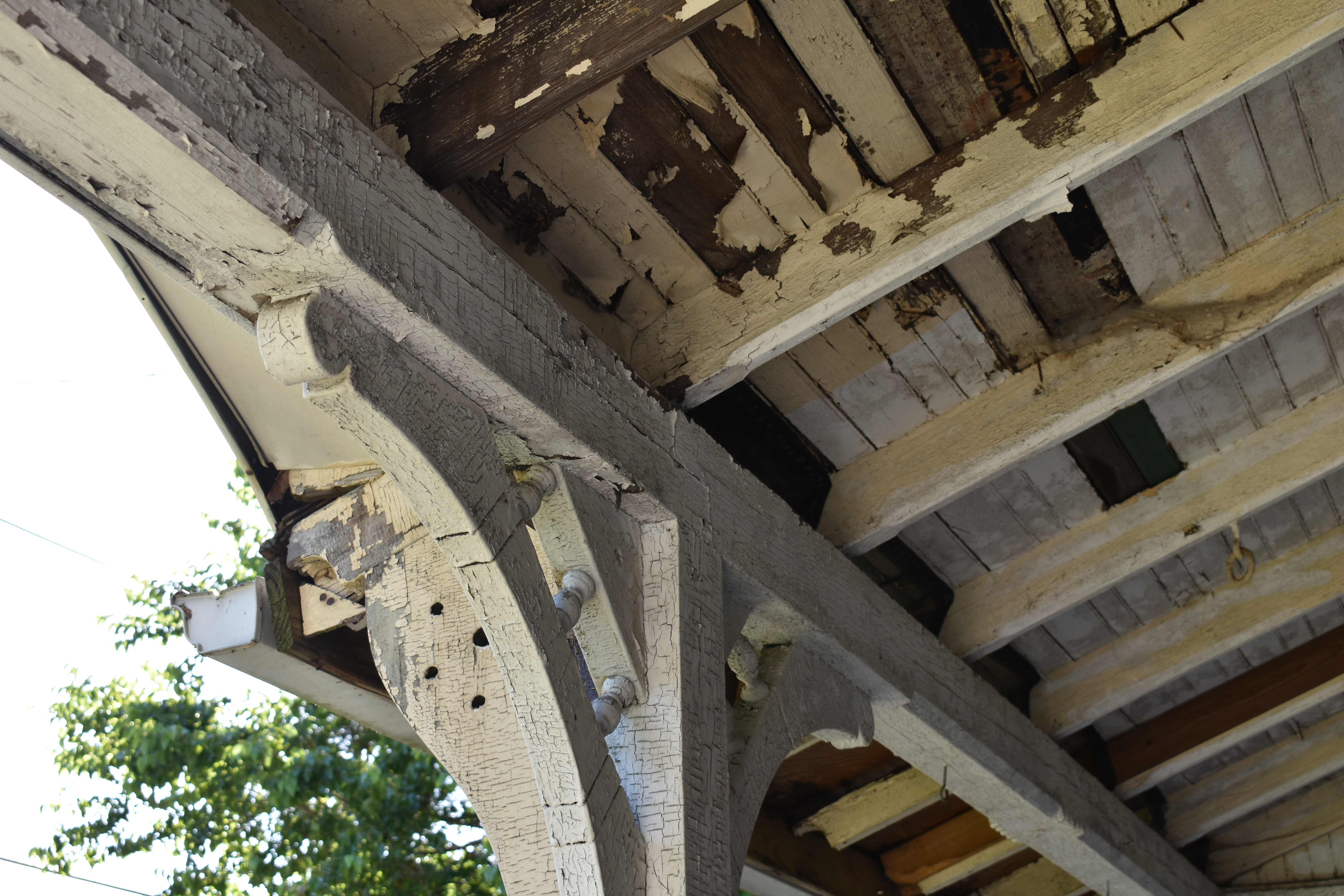
Lead-Based Paint (The 1978 Rule)
Until it was banned in residential applications, lead was added to paint to speed up drying, increase durability, and resist moisture. The federal Lead-Based Paint Hazard Reduction Act requires specific disclosures for residential properties built before 1978—the year the ban took effect.
This law is heavily tested because the compliance rules are highly specific. If a property was built before 1978, the following federal mandates apply:
- The Pamphlet: Sellers must provide buyers with the official Environmental Protection Agency (EPA) pamphlet titled "Protect Your Family from Lead in Your Home".
- Known Hazards: Sellers must disclose any known lead-based paint or lead-based paint hazards in the home.
- The 10-Day Window: Buyers of residential properties built before 1978 must be granted a 10-day period to conduct a lead-based paint inspection or risk assessment.
- The Signatures: The mandatory lead-based paint disclosure form must be signed by the seller, the buyer, and all real estate agents involved in the transaction. By signing, you are legally attesting that you informed the seller of their obligations.
Notice what the federal law does not say. Federal law does not require property sellers to test for the presence of lead-based paint. Furthermore, if lead is discovered, federal law does not require property sellers to remove or remediate lead-based paint. The law is purely about informed consent. The buyer can demand remediation as a condition of the contract, but the government does not force the seller to do it.
Additionally, buyers are not forced to test. Buyers have the right to legally waive the 10-day lead-based paint inspection period in writing.
Federal Exemptions to Lead Disclosures: The government grants a few logical exemptions to these rules:
- Zero-bedroom properties: Open lofts and efficiency studios are exempt from federal lead-based paint disclosure requirements because they are rarely occupied by young children (who are most susceptible to ingesting lead chips).
- Targeted Housing: Housing exclusively for the elderly or persons with disabilities is exempt from federal lead-based paint disclosures. Warning: This lead-based paint disclosure exemption for elderly or disabled housing is voided if a child under age six resides in the property.
- Foreclosures: Properties sold at foreclosure sales are exempt from federal lead-based paint disclosure requirements.
Asbestos and the "Sleeping Bear"
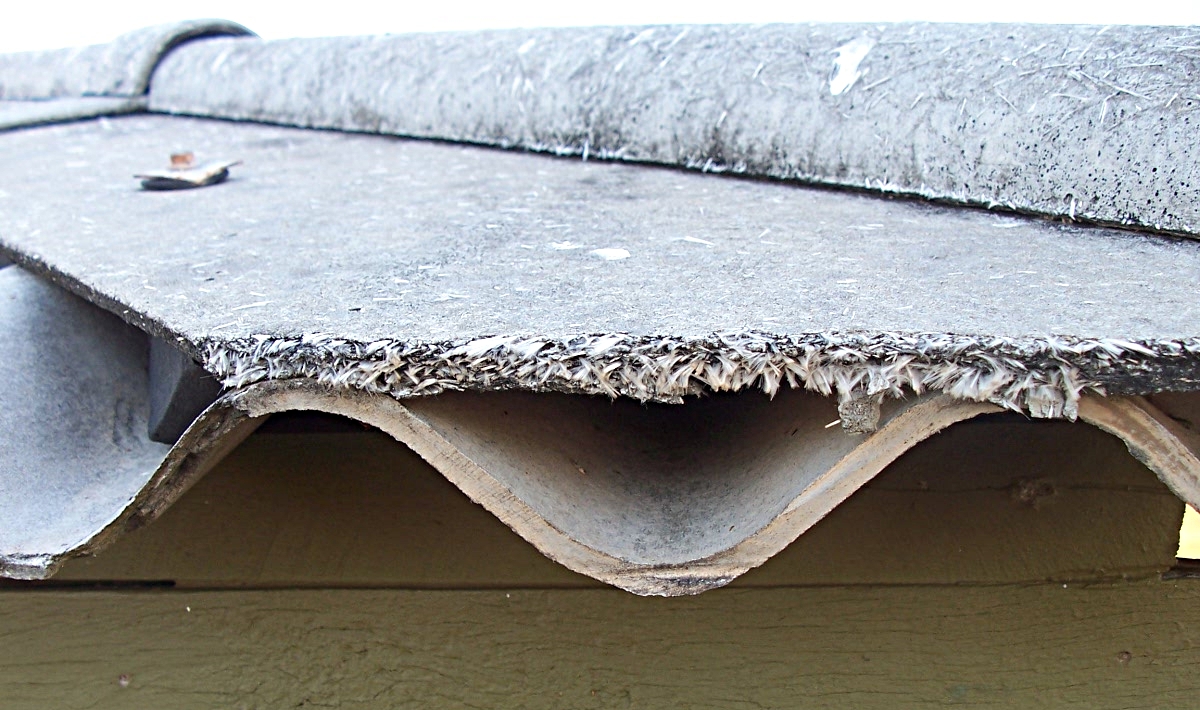
Asbestos is a naturally occurring mineral fiber previously used heavily in building materials for insulation and fire resistance. It was wrapped around boiler pipes, mixed into floor tiles, and sprayed into ceilings.
As long as asbestos is solid and undisturbed, it is generally safe. However, asbestos becomes an acute environmental health hazard when the material becomes friable. Friable asbestos easily crumbles into airborne microscopic particles that can be inhaled into the lungs, leading to devastating respiratory diseases like mesothelioma.
If asbestos is discovered in a home, the instinct is often to rip it out. This is usually a mistake. Ripping it out makes it friable. Think of asbestos like a sleeping bear in a cave. If you try to drag the bear out, you will wake it up, and it will attack you. Instead, it is much safer to simply build a steel cage around the sleeping bear. In environmental management, this is called encapsulation—the process of sealing off disintegrating asbestos to prevent airborne fiber release. Due to the high risks of disturbing the material, encapsulation is often a safer and more cost-effective method of asbestos management than complete asbestos removal.
Airborne Toxins: Radon and Carbon Monoxide
Radon is a naturally occurring, colorless, odorless, radioactive gas produced by the decay of other radioactive materials in rocks under the earth's surface. Because it comes from the ground, it seeps up through foundation cracks and accumulates in basements.
- The Action Level: The Environmental Protection Agency recommends immediate mitigation if the indoor radon level is 4 picocuries per liter (pCi/L) or higher.
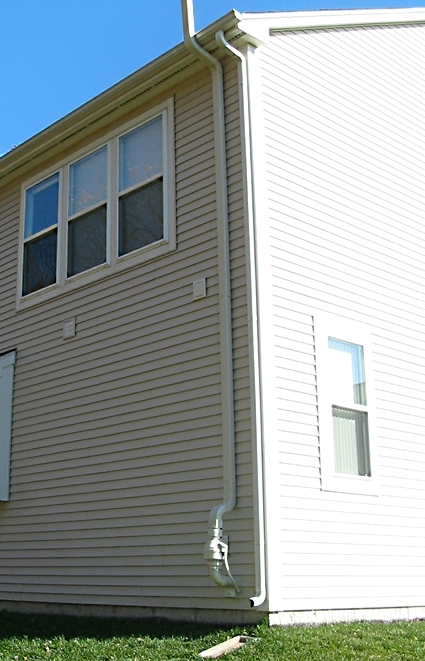
- Mitigation: You cannot simply "clean up" radon; you have to redirect it. Radon mitigation systems typically involve installing ventilation pipes and fans to draw radon gas from under the foundation and vent the gas safely outside into the atmosphere.
Carbon Monoxide (CO) is another colorless, odorless, and potentially fatal gas, but its origin is entirely different. CO is produced by the incomplete combustion of fossil fuels. Faulty furnaces, poorly ventilated water heaters, and unvented space heaters are common sources of indoor carbon monoxide.
Moisture and Chemistry: Mold and UFFI
Mold is a persistent biological issue. It requires three things to grow: moisture, oxygen, and an organic food source (like wood or drywall). If your client spots black streaks along a baseboard or smells a musty odor, do not try to diagnose it yourself. Real estate licensees should recommend that buyers hire professional inspectors to investigate any signs of water intrusion or suspected mold.
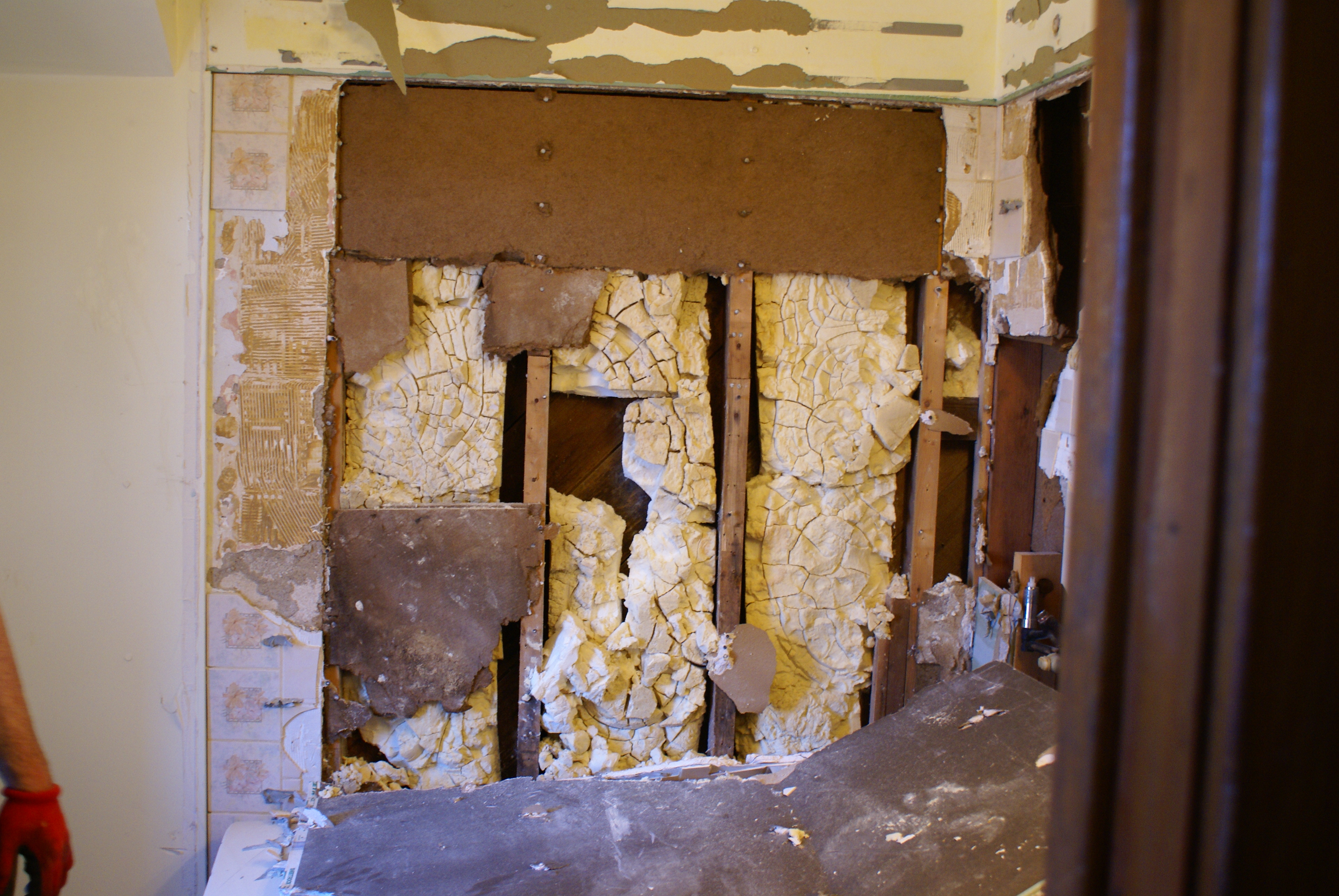
Urea-formaldehyde foam insulation (UFFI) is a synthetic thermal insulation material that was commonly blown into wall cavities in the 1970s. The issue with UFFI is that it can release potentially harmful formaldehyde gas into a home over time, leading to respiratory distress for the occupants.
When moving from residential to commercial or industrial real estate, the scope of environmental hazards expands massively. We are no longer just looking at the air inside a basement; we are looking at the earth itself.
Underground Storage Tanks (USTs) and Water Laws
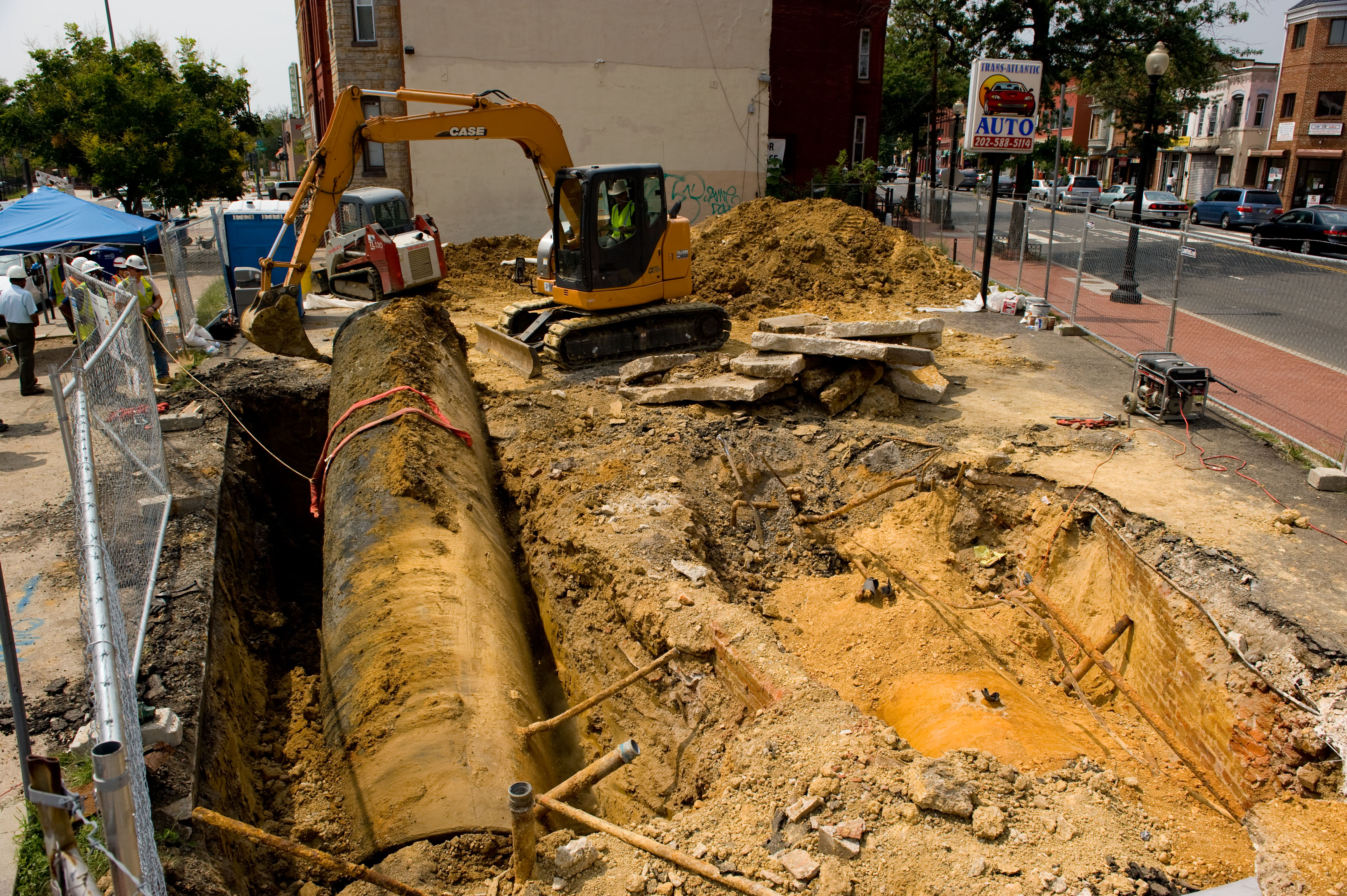
Underground storage tanks (USTs) are often found on older commercial sites (like defunct gas stations) and older residential properties where heating oil was previously used. The danger is that steel rusts. Leaking underground storage tanks can severely contaminate surrounding soil and groundwater, leading to catastrophic environmental damage.
Water contamination is governed by strict federal standards:
- The Safe Drinking Water Act (SDWA) authorizes the Environmental Protection Agency to set national health-based standards for public drinking water supplies.
- The Clean Water Act (CWA) regulates the discharge of pollutants into the surface waters of the United States.
CERCLA: The Superfund and the Nature of Liability
If a factory dumped toxic chemicals into the soil for fifty years and then went bankrupt, who pays to clean up the mess?
To address this, Congress passed the Comprehensive Environmental Response, Compensation, and Liability Act (CERCLA), which established a multibillion-dollar "Superfund" to finance the cleanup of uncontrolled hazardous waste sites.
CERCLA is terrifying for property owners because of how it structures legal liability. To understand CERCLA, you must memorize three terms.
Under CERCLA, liability is Strict, Joint and Several, and Retroactive.
- Strict Liability: Strict liability under federal environmental law means the current landowner is held completely responsible for cleanup regardless of actual fault. Even if you didn't spill the toxic sludge, if you own the land today, you are liable for the cleanup.
- Joint and Several Liability: Joint and several liability under environmental law means any single responsible party can be forced to pay the entire cost of the hazardous waste cleanup. Imagine you go to dinner with three friends. One orders a $10,000 bottle of wine, and the rest of you order tap water. When the bill comes, the restaurant can legally force you alone to pay the entire $10,000, leaving you to chase down your friends for reimbursement later. That is joint and several liability. The EPA will go after whoever has the deepest pockets.
- Retroactive Liability: Retroactive liability under environmental law means a landowner can be held responsible for contamination that occurred decades before the landowner acquired the property.
The Innocent Landowner Immunity and ESAs
Because CERCLA's rules were punishing innocent buyers, Congress passed the Superfund Amendments and Reauthorization Act (SARA). SARA created an innocent landowner immunity defense against environmental cleanup liability.
To claim innocent landowner immunity under federal law, a buyer must prove they did their due diligence before buying the property. Specifically, they must conduct a Phase I Environmental Site Assessment (ESA) prior to purchasing the commercial property.
| Assessment Type | Description |
|---|---|
| Phase I ESA | A review of historical records and a visual physical inspection of a property to identify potential environmental contamination. A Phase I ESA does not involve actual physical testing of soil, water, or building materials. Think of it as a background check. |
| Phase II ESA | If the Phase I reveals red flags, a Phase II is ordered. A Phase II Environmental Site Assessment involves the actual physical sampling and laboratory testing of soil, water, or building materials for hazardous substances. |
These assessments are especially vital when dealing with Brownfields. Brownfields are defunct, derelict, or abandoned commercial or industrial properties where expansion or redevelopment is complicated by the presence of toxic substances. A smart developer can buy a Brownfield for pennies on the dollar, but they must use Phase I and Phase II ESAs to accurately calculate their cleanup liabilities before closing the deal.
Environmental hazards are physical, but a property can also be "polluted" by its history or the people surrounding it.
Megan's Law
Megan's Law is a federal law requiring states to establish registries of convicted sex offenders. Buyers will often ask you, "Are there any sex offenders living in this neighborhood?" As an agent, you must not take on the liability of answering this question directly. Real estate licensees are generally not required to independently discover or disclose the presence of registered sex offenders in a specific neighborhood. Instead, real estate agents should actively advise concerned buyers to consult local law enforcement registries to learn about registered sex offenders in the area themselves.
Stigmatized Properties
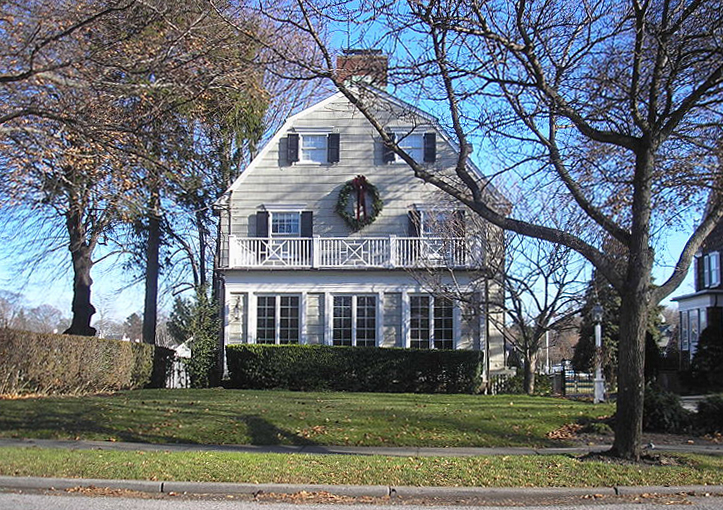
A stigmatized property is a property that buyers or tenants may shun for psychological reasons unrelated to the property's physical condition. The house is physically perfect, but its history is terrifying.
Is a real estate agent required to disclose that a property was the site of a gruesome murder, a suicide, or is reputed to be haunted? There is no federal standard for this. State laws determine whether real estate agents are required to disclose non-physical stigmas like past murders or suicides on a property. When you study your state-specific laws, you will find exactly how your jurisdiction handles psychological stigmas.
The Absolute Prohibition: HIV/AIDS
There is one human element that you are strictly forbidden from disclosing. The Federal Fair Housing Act classifies persons diagnosed with HIV or AIDS as having a protected handicap.
Because of this, real estate licensees are strictly prohibited by federal law from disclosing that a property's previous occupant had HIV or AIDS. If a buyer specifically asks you if the prior owner had AIDS, you cannot answer them. Answering would violate federal civil rights law. It is the one disclosure question where silence is not just golden—it is federally mandated.
When sitting for your exam, remember the overarching theme of environmental disclosures: Discover what is physical, disclose what is known, and defer to the experts.
- You ensure the 1978 lead paint forms are signed, but you do not test the paint yourself.
- You spot the rusted underground oil tank, but you hire the environmental engineer for the Phase II ESA.
- You advise the client to check the sex offender registry, but you do not run the search.
Mastering these boundaries not only ensures you pass your national exam, but it also protects your license, your livelihood, and your clients from the catastrophic liabilities hidden just beneath the surface.