Purchase Agreements, Addenda, and Contingencies
Not sure you’re ready?
Take the ~3-minute readiness diagnostic and see where you stand.
A real estate transaction is a high-stakes balancing act of competing financial interests suspended across a span of weeks or months. The central mechanism holding this tension together is the real estate purchase agreement. Far from a simple receipt, this document is a dynamic, meticulously engineered map detailing exactly how, when, and under what conditions property will change hands. For a real estate salesperson, mastering this document is not about memorizing legal jargon; it is about learning how to architect a transaction so structurally sound that it survives the inevitable turbulence of financing hurdles, unforeseen property defects, and human hesitation.
Before a contract can dictate the transfer of land, we must understand how it comes into existence. A real estate purchase agreement begins as an offer submitted by the buyer to the seller.
However, presenting an offer does not create a contract. If the seller wishes to change the price or the closing date, they issue a counteroffer. In the strict mechanics of contract law, a counteroffer permanently rejects the buyer's original offer. It is not merely a revision; a counteroffer acts as a completely new offer submitted by the seller to the buyer.
The moment of creation—the exact second a transaction is born—happens only when the seller formally accepts the terms in writing, and crucially, that written acceptance is communicated back to the buyer. At that moment, a real estate purchase agreement becomes a bilateral contract.
Bilateral Contract: An agreement wherein both the buyer and the seller exchange legally binding promises. The buyer promises to pay a specific sum, and the seller promises to transfer the property.
You might assume that money must change hands to make this promise binding. This is a common misconception. In a purchase agreement, the consideration—the legal value exchanged that cements the contract—consists of the mutual promises made by the buyer and seller.
What about the deposit check your buyer hands over? That is earnest money: a deposit provided by the buyer to demonstrate good faith intention to complete the real estate transaction. While highly customary, earnest money is not legally required to create a valid real estate purchase agreement. Its true function acts as a localized insurance policy for the seller. A liquidated damages clause allows the seller to retain the buyer's earnest money if the buyer breaches the purchase agreement.
Because human memory is a terrible record-keeper of complex promises, the Statute of Frauds requires a real estate purchase agreement to be in writing to be enforceable in court. Furthermore, the signatures of all parties involved in the transaction are required to make a real estate purchase agreement legally enforceable.

One of the most profound concepts you will encounter in real estate law is the realization that "owning" property is not a singular event, but a phased transfer of rights.
The execution of a real estate purchase agreement immediately transfers equitable title to the buyer. Equitable title gives the buyer a recognized financial interest in the property before the closing date. Even though the seller still lives in the house, the buyer now possesses a vested economic stake in the real estate.
If equitable title transfers at the signing of the contract, when does the buyer actually own the home? Legal title to a real estate property transfers to the buyer upon delivery and acceptance of the deed.
This phased transfer is managed by two distinct dates in the contract:
- The closing date specified in a purchase agreement determines when the final transfer of funds and legal title will occur.
- The possession date specified in a purchase agreement dictates when the buyer is allowed to physically occupy the property (which may occur concurrently with closing, or days later).

To properly orchestrate this transfer of title, the contract must contain highly specific structural elements. A valid real estate purchase agreement must:
- Clearly identify the buyer and the seller.
- Specify the exact purchase price to be paid.
- Outline the proposed method of payment for the property (e.g., cash, conventional financing).
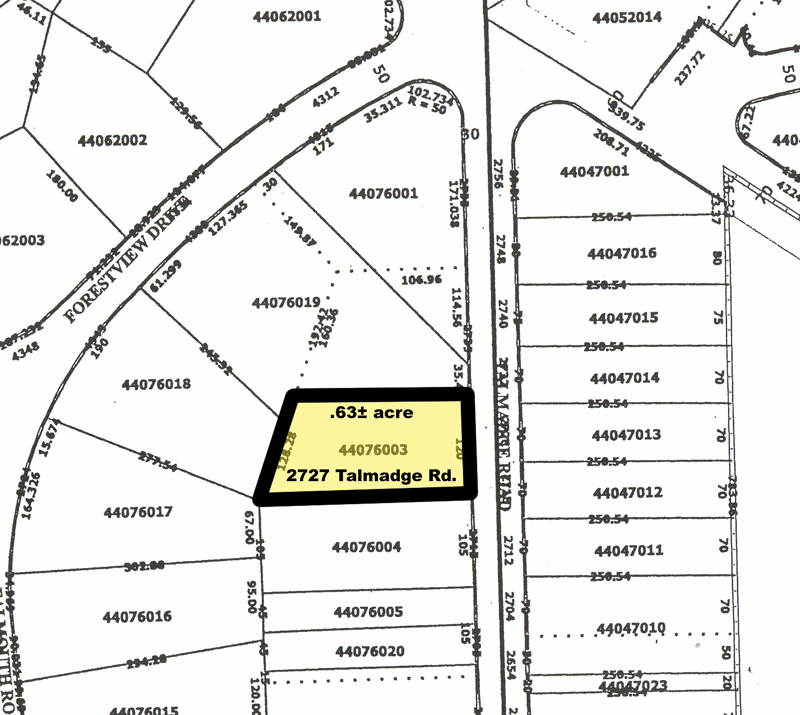
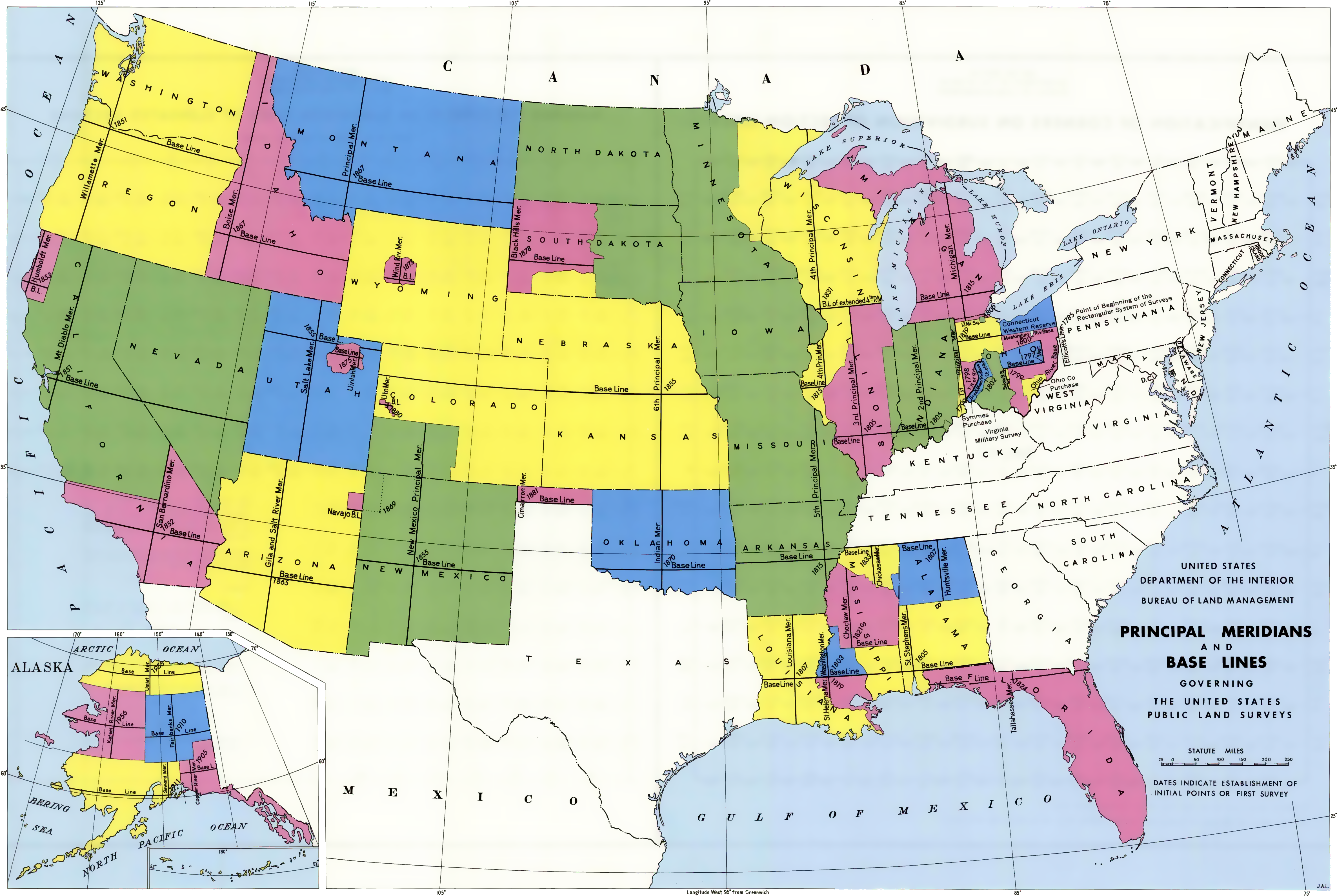
- Include a legally sufficient description of the property being sold (such as lot and block, metes and bounds, or a government survey description).
Dissecting the Clauses
A professional real estate contract uses specific clauses to manage the physical and financial realities of the property.
Managing the Physical Property When a seller moves out, what stays and what goes? A fixture clause in a purchase agreement explicitly identifies which attached items (like a built-in chandelier or custom blinds) will remain with the property after closing. Conversely, a personal property clause in a purchase agreement lists unattached items (like a freestanding refrigerator or patio furniture) that will be transferred to the buyer during the sale.
Managing the Clock Real estate transactions rely on strict orchestration. The time is of the essence clause legally requires all parties to perform the contract obligations by the exact dates specified in the agreement. If a contract contains this clause, failing to meet a deadline constitutes a material breach of contract, potentially collapsing the entire deal.
Managing the Money (Prorations) A property is a living entity with ongoing bills. A proration clause in a purchase agreement allocates ongoing property expenses between the buyer and the seller based on exactly how many days each party owned the home during the billing cycle. Ongoing property expenses allocated by a proration clause typically include property taxes and homeowners association fees.
Proration Calculation Example in Practice: Imagine a property's annual taxes are $3,650, paid in arrears at the end of the year. The closing date is August 10th. The seller is responsible for the time they owned the home (January 1 to August 10 = 222 days).
Daily tax rate: $3,650 ÷ 365 = $10 per day. Seller's portion: 222 days × $10 = $2,220.
At closing, the proration clause dictates that the seller will be debited $2,220, and the buyer will be credited $2,220 to help pay the tax bill when it arrives in December.
Real estate is messy. Standard contracts rarely cover the unique variables of every transaction, so we must alter them. The tool you use depends entirely on when the alteration happens.
An addendum is a supplemental document attached to a purchase agreement before the primary agreement is signed. An addendum adds specific terms or conditions to the original purchase agreement. Think of it as an expansion pack to the original offer.
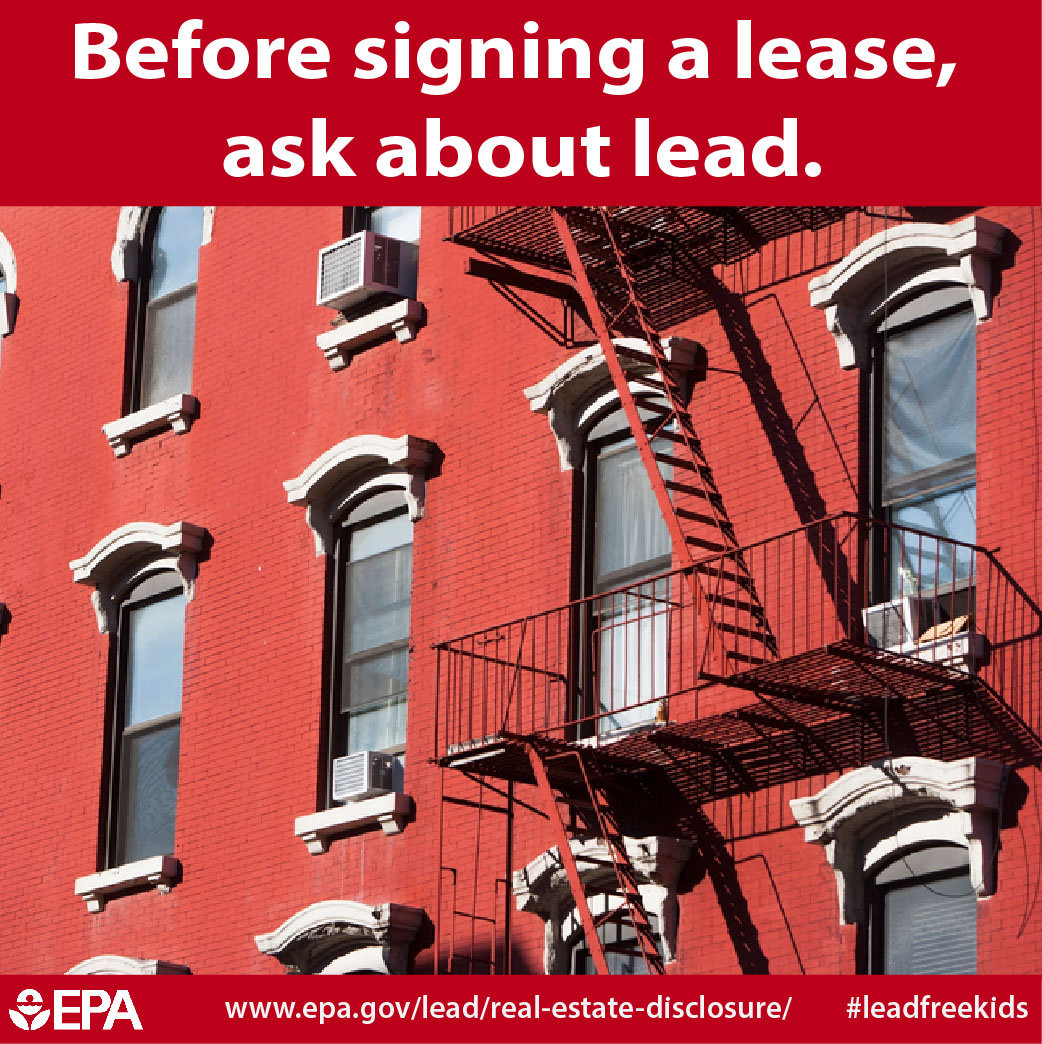
- Example 1: Federal law dictates a lead-based paint disclosure addendum is required for the sale of residential properties constructed prior to 1978.
- Example 2: A Homeowners Association addendum provides the buyer with the governing documents of the community. Crucially, it typically gives the buyer a specified period to review community rules before the contract becomes binding.
By contrast, an amendment is a document that modifies the terms of an already executed real estate purchase agreement. Because the contract is already alive and binding, changing its DNA requires unanimous consent: an amendment must be signed by all original parties to the contract to be legally valid.
If you tell a buyer they are legally bound to pay $500,000 for a house, their immediate question should be: "What if the house is secretly falling apart, or the bank refuses to give me a loan?"
We solve this through the use of contingencies. A contingency is a condition in a real estate contract that must be met before the contract becomes fully binding.
To prevent chaos, a well-written contingency must contain three specific parameters:
- It must clearly state the specific actions required to satisfy the condition.
- It must specify the exact timeframe within which the condition must be met.
- It must detail the exact consequences if the condition is not satisfied.
If a contract contingency is not satisfied within the specified timeframe, the purchase agreement typically becomes voidable, allowing the protected party to exit the transaction without penalty. However, a contract party has the legal right to waive a contingency that was originally included for that party's sole benefit.
Core Contingencies in Practice
Financing and Appraisals Most buyers do not have hundreds of thousands of dollars in cash. A financing contingency allows the buyer to cancel the purchase contract if the buyer cannot secure an acceptable mortgage loan. If an overly eager buyer chooses to waive this protection, a buyer waiving a financing contingency agrees to purchase the property regardless of mortgage loan approval—a highly risky maneuver.
Banks will not lend more money than a property is worth, leading to the appraisal contingency. This allows the buyer to terminate the purchase agreement if the property appraises for less than the agreed purchase price, or alternatively, it allows the buyer to renegotiate the purchase price if the property appraises for less than the agreed amount.
If the buyer is utilizing government-backed loans, the federal government mandates strict protections:
- Federal rules require an FHA Amendatory Clause to be signed in transactions involving FHA mortgage financing. The FHA Amendatory Clause allows a buyer using FHA financing to cancel the contract without losing earnest money if the home appraises below the purchase price.
- Similarly, federal rules require a VA Escape Clause to be signed in transactions involving VA mortgage financing. The VA Escape Clause allows a buyer using VA financing to cancel the contract without losing earnest money if the property appraisal falls short of the purchase price.
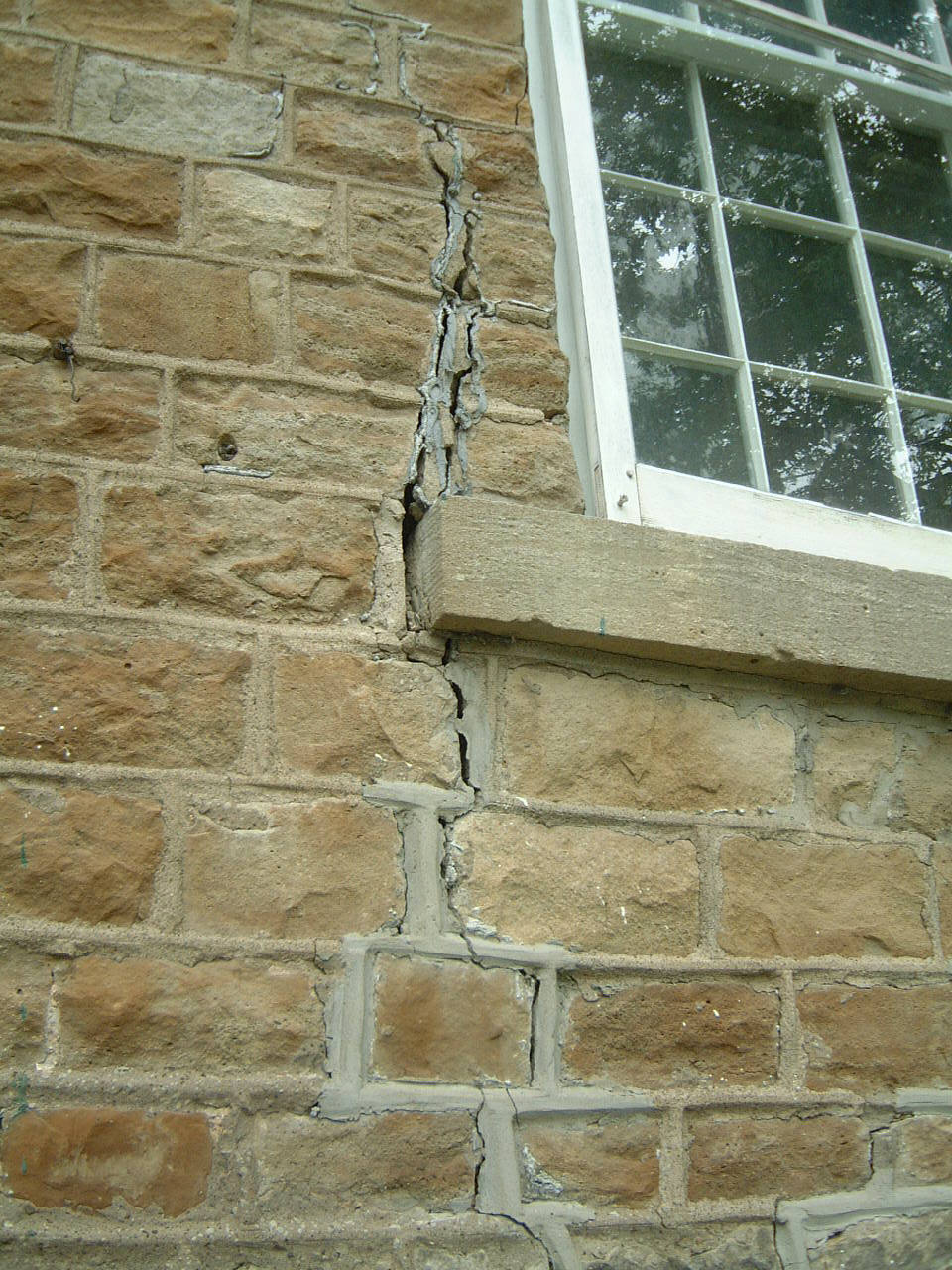
Property Condition The inspection contingency gives the buyer the right to have the property examined by a professional inspector. Based on those findings, the inspection contingency typically grants the buyer the right to request repairs based on inspection results, or grants the buyer the right to cancel the contract based on unsatisfactory inspection results.
Legal and Financial Clearances A title contingency allows the buyer to cancel the contract if the seller cannot provide clear and marketable title to the property (for example, if an undiscovered lien from a previous contractor is attached to the house).
In distressed situations where a seller owes more on their mortgage than the home is worth, you will use a short sale contingency. This makes the purchase agreement conditional upon the seller's mortgage lender approving a reduced payoff amount.
The Domino Effect: Property Sale and Kick-Out Clauses Often, a buyer's ability to afford a new home is entirely dependent on selling their current one. A property sale contingency protects a buyer who needs to sell an existing home before purchasing a new home.
However, sellers hate taking their property off the market while waiting for a buyer's other home to sell. To balance this tension, sellers will use a kick-out clause. A kick-out clause is triggered when the seller receives a secondary offer while a buyer's property sale contingency is in effect.
Upon triggering a kick-out clause, the original buyer is given a limited timeframe (usually 24 to 72 hours) to waive the property sale contingency. They must decide to push forward without the safety net or step aside. If a buyer fails to waive the property sale contingency under a kick-out clause, the seller can terminate the original purchase agreement and sell the home to the second buyer.
When you draft a purchase agreement, you are doing far more than filling in blanks on a form. You are utilizing addenda, amendments, and contingencies to engineer a bridge between a buyer's present reality and their future home. Understand the mechanics of these clauses, and you will not only pass your exam—you will fiercely protect your clients in the field.