Florida Federal & State Laws Affecting Practice
Not sure you’re ready?
Take the ~3-minute readiness diagnostic and see where you stand.
A real estate transaction does not occur in a vacuum; it is governed by an invisible, rigid architecture of federal and state laws. Every time a licensee lists a property, negotiates a lease, or handles a deposit, they are operating within a framework designed to protect civil rights, ensure fair trade, and prevent financial abuse. Understanding this architecture is not merely about memorizing statutes to pass the Florida DBPR/Pearson VUE exam; it is about recognizing the physical and legal boundaries of your daily professional practice.
The laws affecting Florida real estate practice generally fall into three distinct categories: who you can house (Fair Housing), how you manage their housing and money (Landlord-Tenant Law), and how you conduct the business of selling (Disclosure and Practice Statutes). Let us examine the mechanics of each.
To understand modern fair housing law, you must recognize it as a series of legislative layers, each expanding the definition of a protected class.
The Foundational Acts and Protected Classes
The absolute bedrock is the Civil Rights Act of 1866, which prohibits all racial discrimination in the sale or rental of real and personal property.
Crucial Concept: The Civil Rights Act of 1866 contains zero exceptions or exemptions. If a transaction involves racial discrimination, it is illegal, regardless of the property type or who is selling it.
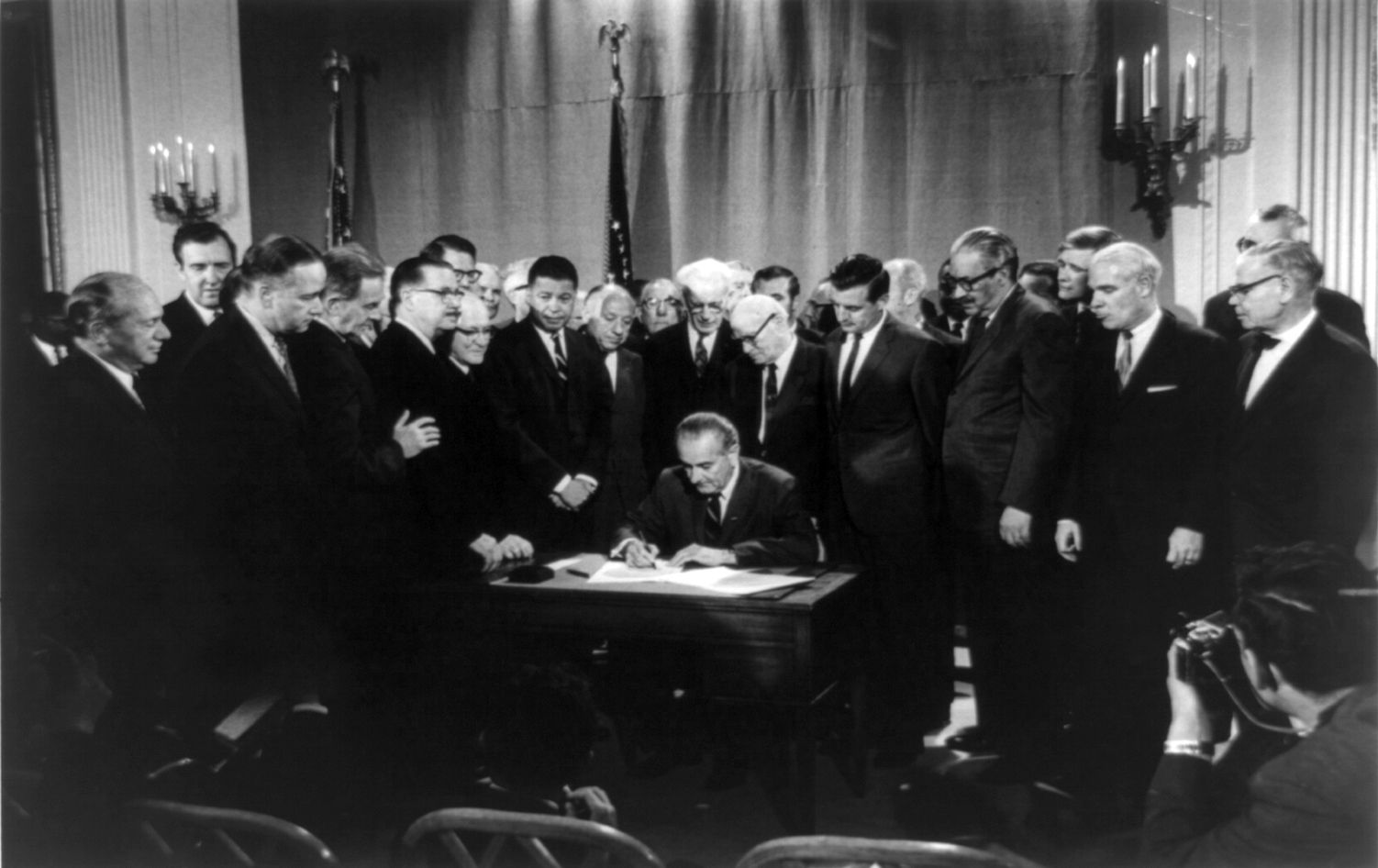
A century later, the federal government expanded these protections. The Federal Fair Housing Act, contained in Title VIII of the Civil Rights Act of 1968, originally prohibited discrimination based on race, color, religion, and national origin.
Congress realized this was incomplete and subsequently layered on new protections:
- The Housing and Community Development Act of 1974 added sex as a protected class.
- The Fair Housing Amendments Act of 1988 added handicap status (disability) and familial status.
Familial status specifically prohibits discrimination against families with children under the age of 18, as well as pregnant women. It is why a landlord cannot legally advertise a complex as "perfect for single professionals" if that phrasing is used to deter families.
Just as important as knowing who is protected is knowing who is not. Under the Federal Fair Housing Act, age, marital status, and occupation are not protected classes. An owner can legally refuse to rent to a college student because of their occupation or age, provided they are not violating another specific state or local law.
Prohibited Discriminatory Practices
The law specifically targets three predatory behaviors in real estate:
- Steering: The illegal practice of directing prospective homebuyers away from or toward specific neighborhoods based on a protected class. (e.g., "I know a neighborhood where you'll fit in better.")
- Blockbusting: The illegal practice of persuading owners to sell housing by predicting the entry of a protected class into the neighborhood. (e.g., "You should sell now before the neighborhood changes and property values drop.")
- Redlining: The illegal practice by lenders or insurers of denying loans or insurance coverage for properties in specific neighborhoods based on discriminatory criteria rather than the applicant's financial qualifications.
Fair Housing Exemptions
While the 1866 Act has no exceptions, the 1968 Fair Housing Act does provide specific, narrow exemptions—provided no discriminatory advertising is used and a real estate licensee is not involved in the transaction. If a licensee is used, these exemptions vanish.
- Single-Family Home Exemption: Applies to the sale or rental of a single-family home owned by an individual who owns three or fewer such homes.
- One-to-Four-Family Dwelling Exemption (The "Mrs. Murphy" Exemption): Applies to the rental of rooms or units in a dwelling of up to four units, but requires the owner to physically reside in one of the units.
- Religious Organizations: Housing operated by religious organizations can be restricted to members of that specific religion, but this exemption requires that the religious organization does not discriminate in accepting its members.
- Private Clubs: May restrict the rental of lodgings to club members, provided the lodgings are not operated for commercial purposes.
- Older Persons Communities: Housing communities are exempt from familial status protections (meaning they can legally exclude children) if either:
- All units (100%) are occupied by persons 62 years of age or older.
- At least 80 percent of the units have at least one occupant who is 55 years of age or older.
Florida Fair Housing and the ADA
State law mirrors the federal standard. The Florida Fair Housing Act is codified in Chapter 760 of the Florida Statutes and prohibits discrimination on the basis of race, sex, disability, nationality, religion, color, and familial status. It is enforced by the Florida Commission on Human Relations.
Parallel to housing laws is the Americans with Disabilities Act (ADA), a federal civil rights law prohibiting discrimination against individuals with disabilities in all areas of public life. The ADA defines a disability as a physical or mental impairment that substantially limits one or more major life activities.
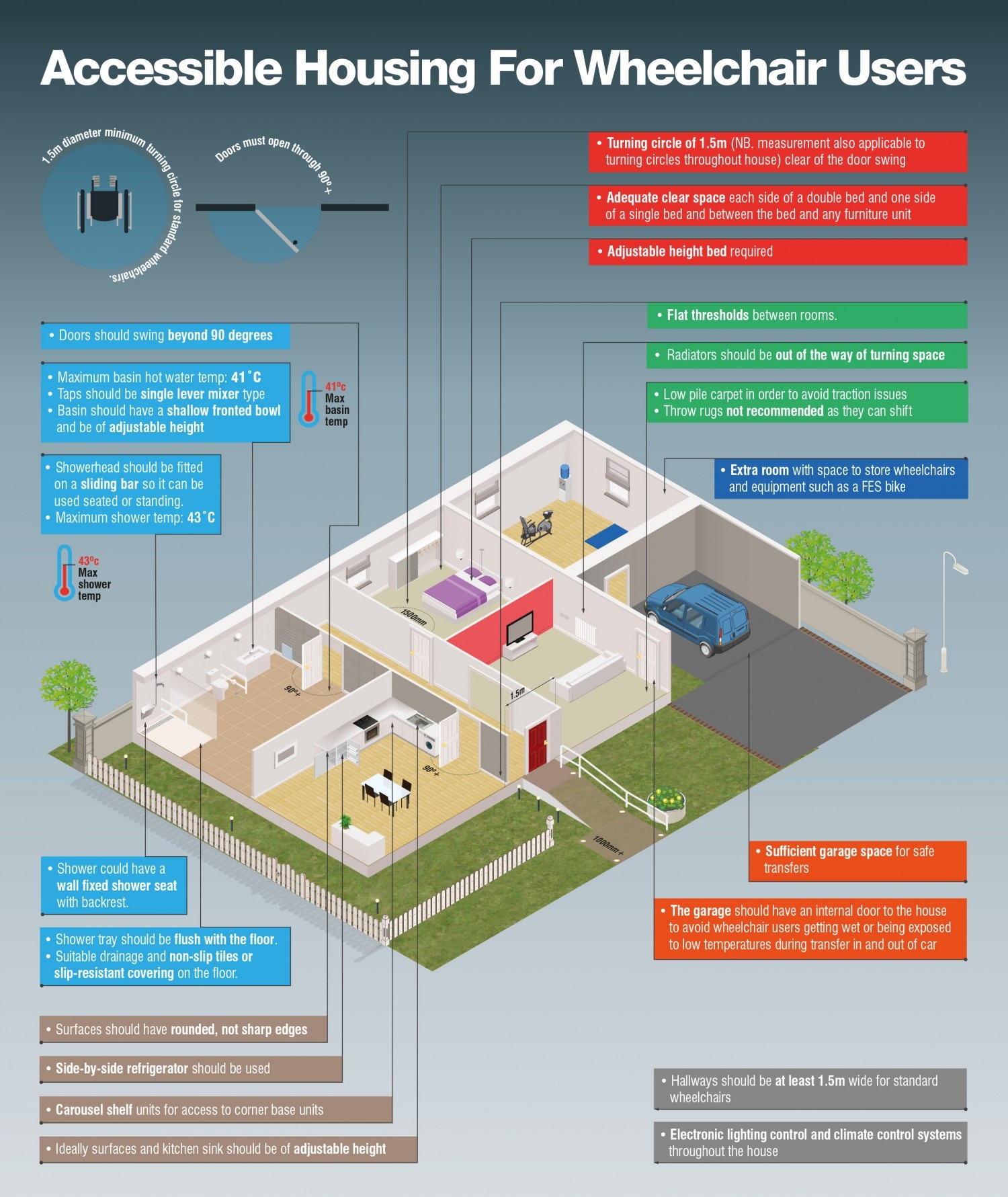
Because real estate brokerage offices are open to the public, they are classified as places of public accommodation under the ADA. Consequently, the ADA requires existing public accommodations to remove architectural barriers if the removal is "readily achievable" (meaning it can be done without much difficulty or expense).
When a tenant signs a lease, money changes hands and temporary property rights transfer. Part II of Chapter 83 of the Florida Statutes, the Florida Residential Landlord and Tenant Act, strictly regulates this relationship to prevent the abuse of those funds and rights.
Handling Security Deposits
A security deposit is not the landlord's money; it is the tenant's money held in trust against potential future damages. Because of this, Florida law dictates precisely how landlords and brokers must handle these funds.
Florida landlords have three options for holding security deposits:
- Separate Non-Interest-Bearing Account: Held in a Florida banking institution. The landlord is prohibited from commingling these funds with personal operating funds.
- Separate Interest-Bearing Account: Held in a Florida banking institution. The landlord cannot commingle funds. The landlord must pay the tenant at least 75 percent of the annualized average interest rate, OR the landlord may choose to pay the tenant 5 percent per year simple interest.
- Surety Bond: The landlord may post a surety bond with the clerk of the circuit court in the county where the property is located. If they use a surety bond, the landlord is legally permitted to commingle tenant deposits with their personal operating funds, but they are required to pay the tenant 5 percent simple interest annually.
Regardless of the method chosen, a Florida landlord must notify the tenant in writing within 30 days of receiving a security deposit regarding the manner in which the funds are being held.
The Broker's Rule: The rules change when a real estate brokerage manages property for a landlord. A brokerage must hold tenant security deposits in a designated escrow account. Real estate brokers are strictly prohibited from posting a surety bond in lieu of placing tenant security deposits in a bank escrow account. To keep the escrow account open and pay banking fees, brokers managing rental properties can keep up to $5,000 of personal funds in a property management escrow account.
Deposit Timelines: Time is of the essence when handling trust funds.
- A real estate sales associate who receives a tenant security deposit must deliver the funds to their employing broker by the end of the next business day.
- The real estate broker must deposit those funds into an escrow account no later than the end of the third business day after the funds were originally received by the brokerage.
Returning the Security Deposit
At the end of a lease, a strict clock begins ticking:
- If the landlord does not intend to make a claim on the funds, they have 15 days to return the tenant's security deposit.
- If the landlord does intend to make a claim, they have 30 days to notify the tenant in writing.
- Upon receiving the landlord's notice of intent to claim, the tenant has 15 days to object in writing.
Warning: A tenant who fails to object to a security deposit claim within 15 days automatically waives the right to contest the landlord's claim, and the landlord may deduct the funds.
Maintenance, Access, and Eviction
The lease agreement represents a dual obligation. Florida landlords are legally obligated to maintain the structural components of a residential rental property in good repair, and they must provide working plumbing facilities and extermination of pests. In return, the tenant is required to comply with all building, housing, and health codes applicable to the property.
While the tenant has a right to quiet enjoyment, a Florida landlord retains the right to enter a rental unit to inspect the premises or make necessary repairs. However, they cannot do so arbitrarily. A landlord must provide the tenant with at least 12 hours of notice prior to entering for repairs. The only exception is a genuine emergency (like a burst pipe), in which case the landlord may enter without notice.
Terminating a Tenancy: If a tenancy is "at will" (no fixed end date), the required notice to terminate depends on how rent is paid:
- Paid weekly: 7 days of notice required.
- Paid monthly: 15 days of notice required.
The Eviction Process: When a lease is violated, the landlord must follow specific statutory steps; they cannot simply change the locks.
| Type of Violation | Required Notice | Description |
|---|---|---|
| Nonpayment of Rent | 3-Day Written Notice | Excludes weekends and legal holidays from its timeframe calculation. The tenant has 3 days to pay or vacate. |
| Curable Noncompliance | 7-Day Notice to Cure | Gives a tenant seven days to correct a lease violation (e.g., unauthorized pets) before the landlord can proceed with an eviction. |
| Severe Noncompliance | 7-Day Notice of Noncompliance (No opportunity to cure) | Used for severe lease violations, such as the intentional destruction of rental property. The tenant must vacate in 7 days. |
If the tenant refuses to leave after the notice period expires, the landlord initiates a formal eviction by filing a complaint for eviction in the county court where the property is located. The tenant then has five days to file a written response to the court.
If the court rules in the landlord's favor, the final step is the issuance of a writ of possession by the clerk of the court. A county sheriff executes this writ by posting a 24-hour notice on the rental premises.
Crucial Concept: The county sheriff is the only official authorized to physically remove a tenant and the tenant's property during an eviction. Landlords who attempt self-help evictions are violating the law.
Conversely, if a rental property becomes uninhabitable due to the landlord's failure to maintain the premises, the tenant may claim constructive eviction, essentially forcing the tenant out through neglect and thereby breaking the lease.
Real estate operates across state lines and involves significant consumer risk. To mitigate this, lawmakers have implemented robust disclosure and solicitation statutes.
Interstate and Florida Land Sales
During the Florida land booms, unseen, swampy lots were frequently sold to out-of-state buyers. To stop this fraud, two major laws were passed:
- The Interstate Land Sales Full Disclosure Act (ILSFDA): A federal law requiring developers of subdivisions containing 100 or more lots to register with the Consumer Financial Protection Bureau. Developers selling 25 or more lots must provide prospective purchasers with a "property report" prior to the signing of a purchase contract.
- If the buyer receives the report before signing, they have a 7-day right to cancel the agreement.
- If the buyer does not receive the report prior to signing, they have the right to cancel the agreement for up to two years.
- The Florida Uniform Land Sales Practices Law: Regulates the sale of subdivided lands located specifically within the state of Florida. It applies to developers selling 50 or more lots.

Telemarketing Regulations
Prospecting via telephone is heavily regulated. Federal telemarketing laws prohibit solicitation calls before 8:00 AM and after 9:00 PM local time.
A common scenario for licensees is calling For Sale By Owner (FSBO) properties.
- Federal law allows a real estate licensee to call a FSBO seller on the national registry only if the licensee represents a potential buyer interested in the property.
- However, Florida telemarketing laws are stricter: they entirely prohibit real estate licensees from soliciting FSBO sellers who are registered on the state Do Not Call list.
Florida maintains this state-specific Do Not Call list administered by the Department of Agriculture and Consumer Services. Violators of the Florida Telemarketing Act can face severe penalties of up to $10,000 per illegal telephone call.
Are there exceptions to the Do Not Call Registry? Yes, based on established business relationships:
- A licensee may legally contact a former client on the national registry for up to 18 months after a transaction is concluded.
- A licensee may legally contact a consumer on the national registry for up to 3 months after the consumer submits an inquiry.
Property Disclosures: Lead, HOAs, and Condos
When selling specific types of properties, mandated disclosures are triggered.
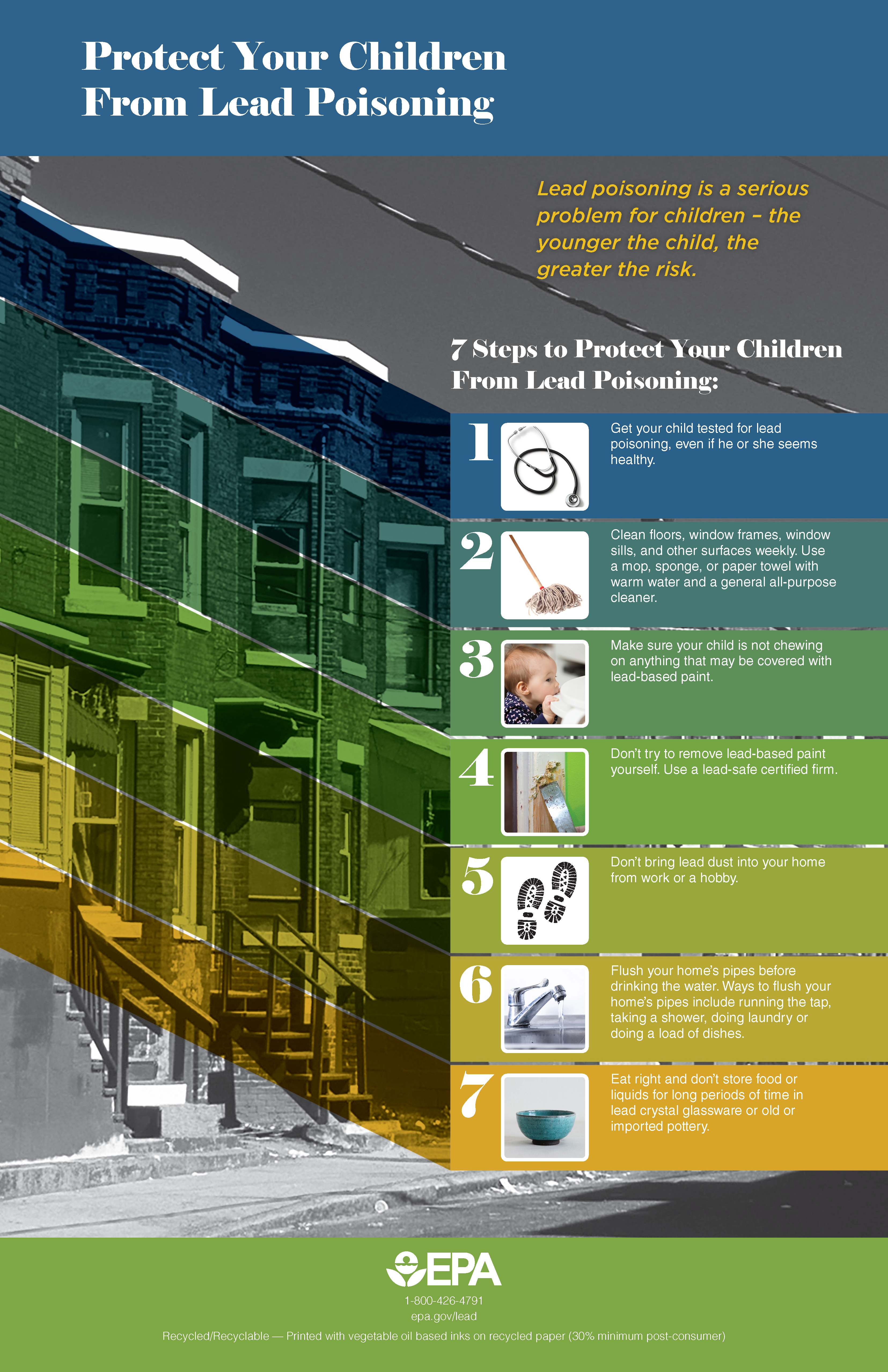
Lead-Based Paint: The Residential Lead-Based Paint Hazard Reduction Act applies to the sale or lease of residential properties constructed before 1978. Under this law:
- Sellers must disclose the presence of any known lead-based paint.
- Buyers and renters must be provided with an Environmental Protection Agency (EPA) pamphlet detailing lead hazards.
- Federal law grants buyers a 10-day window to conduct a lead-based paint inspection.
- Crucial caveat: Sellers are not legally required to conduct testing to find out if there is lead-based paint, nor are they legally required to pay for its removal.
Homeowners' Associations (HOAs): Chapter 720 of the Florida Statutes requires sellers of property subject to a mandatory HOA to provide buyers with a disclosure summary. If this summary is not provided before the buyer signs the contract, the buyer has a three-day right of rescission after receiving it.
Important: The right to void a real estate contract under the Florida Homeowners' Association Disclosure law cannot be waived by the buyer. Any language in a contract attempting to waive this right is void.
Condominiums: Condominium sales carry heavy document requirements to ensure buyers understand the financial health and rules of the association.
- Developers of new residential condominiums must provide buyers with a prospectus if the development contains more than 20 residential units.
- Buyers of new residential condominiums have a 15-day cancellation period after signing the purchase agreement and receiving the required developer documents.
- Buyers of resale residential condominiums have a 3-day cancellation period after signing the purchase agreement and receiving the required condo documents.
The FDUTPA
Finally, acting as a blanket protection over all Florida commerce, we have the Florida Deceptive and Unfair Trade Practices Act (FDUTPA). This statute makes any deceptive acts or unfair methods of competition in commerce illegal. If a licensee engages in bait-and-switch advertising or intentionally misrepresents material facts in a transaction, they are not only facing DBPR disciplinary action but are directly violating the FDUTPA.
Through these mechanisms—Fair Housing, Chapter 83 Landlord-Tenant laws, and stringent disclosure statutes—the state and federal governments engineer trust in the real estate market. As a licensee, your mastery of these boundaries is what separates a liability from a professional.