Florida Homestead, Estates & Condominiums
Not sure you’re ready?
Take the ~3-minute readiness diagnostic and see where you stand.
To understand real estate in Florida is to understand the architecture of time, geography, and legal consequence. When a buyer purchases a home, they are not merely buying wood, concrete, and glass; they are acquiring a bundle of invisible, highly specific legal rights. Florida law takes this universal concept and applies its own unique geometry—layering on unparalleled constitutional protections for homeowners, strict architectural guidelines for condominiums, and precise temporal limits on how property can be held and transferred. As a real estate professional, your job is to make the invisible visible. You must accurately map these rights for your clients, protecting them from catastrophic legal missteps and ensuring they capture every tax benefit the state allows.
In property law, we use time as the ruler to measure ownership. An estate is simply the degree, quantity, nature, and extent of interest a person holds in real property. We divide these interests into two major categories based on their duration: freehold and nonfreehold.
Freehold Estates (Indefinite Duration)
A freehold estate represents property ownership for an indefinite length of time. There is no predetermined expiration date.
- Fee Simple Estate: This is the most comprehensive freehold estate and represents absolute ownership of real property. When your client buys a single-family home to live in forever, they are acquiring a fee simple estate. They hold the complete bundle of rights.
- Life Estate: This is a freehold estate measured by the lifetime of a designated individual. The owner possesses the property fully, but only for as long as that specific person breathes.
Because a life estate must eventually end, the law demands we know where the property goes next.
- If the property ownership reverts to the original grantor upon the death of the life estate owner, we call this an estate in reversion.
- If, instead, the property ownership passes to a designated third party upon the death of the life estate owner, we call that a remainder estate.
Nonfreehold Estates (Leasehold)
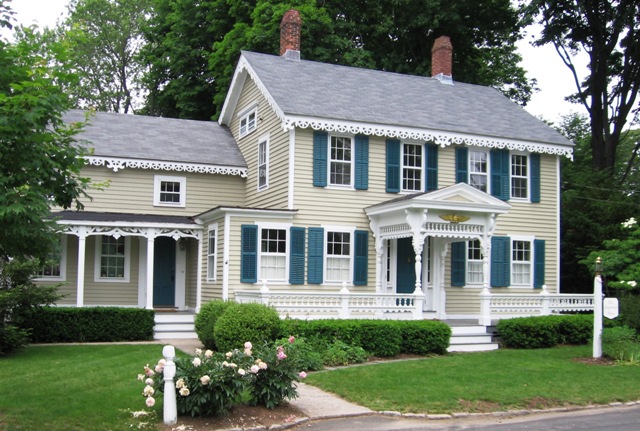
A nonfreehold estate—also known as a leasehold estate—has a known duration and does not involve an ownership interest in the real property. It is a temporary right of possession.
- Estate for Years: Do not let the word "years" trick you. An estate for years is simply a leasehold estate with a specific starting and ending date. Because of its precise boundaries, an estate for years must be created by a written lease agreement.
- Tenancy at Will: This is a leasehold agreement that has no fixed termination date. It continues until either party decides to end it. Under Florida law, a tenancy at will can be terminated by either the landlord or the tenant by providing proper statutory notice.
- Tenancy at Sufferance: This occurs when a tenant stays in possession of a property beyond the ending date of a legal tenancy without the landlord's consent. They are legally "holding over", and their position is highly precarious.
Once you know what kind of estate your client has, you must determine how they hold it with others.
When real property is held by one person, representing sole ownership, it is called an estate in severalty. The word sounds like "several," but think of it as "severed" from all others. Notably, if a married person buys investment property solely in the individual's own name, the property is considered a non-marital asset held in severalty.
When multiple people share the bundle of rights, they engage in concurrent ownership.
Tenancy in Common vs. Joint Tenancy
A tenancy in common is a form of concurrent property ownership by two or more people with no right of survivorship. If one co-owner dies, their fractional share descends to the deceased owner's heirs. It is the default form of co-ownership for unmarried individuals in Florida.
A joint tenancy is entirely different. It is a form of concurrent ownership by two or more people that features the right of survivorship. The right of survivorship dictates that the share of a deceased joint tenant automatically transfers to the surviving co-owners, bypassing the probate process completely.
The Four Unities: To forge the ironclad bond of a Florida joint tenancy, the law requires the presence of four unities: possession, interest, time, and title (PITT). All owners must have an equal right of possession, hold equal ownership interests, acquire their interest at the exact same time, and be named on the exact same title.
Tenancy by the Entireties
Florida law views marriage as a single, indivisible economic unit. A tenancy by the entireties is a special form of joint tenancy reserved exclusively for married couples.
In a tenancy by the entireties, neither spouse can sell or pledge an interest in the property without the other spouse's consent. The property is protected from the debts of just one spouse. Upon the death of one spouse, the surviving spouse automatically receives a fee simple estate by right of survivorship. However, this legal fortress depends entirely on the marriage. If a married couple divorces, a Florida tenancy by the entireties automatically converts to a tenancy in common.
Florida offers some of the most powerful homestead laws in the United States. They serve two entirely different purposes: protecting the physical home from creditors, and protecting the homeowner's wallet from taxes. You must never confuse the two.
1. Protection Against Forced Sale
The Florida Constitution protects a primary residence from forced sale by judgment creditors. If your client faces a catastrophic medical bill or a devastating lawsuit, their home is shielded. This protection survives the death of the owner and inures to the surviving spouse or heirs, ensuring a family is not made homeless by inherited debts.
Furthermore, this shield covers a massive physical footprint. Florida homestead protection covers up to 160 acres of contiguous land if the property is located outside a municipality, and up to one-half acre of land if the property is located inside a municipality. It also protects personal property up to $1,000 in value.
The Exceptions: The shield is not absolute. Florida homestead protection against forced sale does not apply to unpaid property taxes or special assessments. Furthermore, it does not apply to unpaid mortgages, vendor's liens, or construction liens. If you pledge the house as collateral, or if you fail to pay the roofer who fixed it, the home can be taken.
2. The Homestead Tax Exemption
A Florida property owner may claim a homestead tax exemption if the property serves as the permanent residence of the owner or the owner's legal dependent.
To claim this, strict temporal milestones apply. Eligibility for the Florida homestead tax exemption requires the property to be occupied as a primary residence as of January 1 of the tax year. Furthermore, a homeowner must file a homestead tax exemption application by March 1 of the tax year to receive the benefit for that year.
How the Exemption is Calculated:
- The Base Exemption: A base homestead tax exemption of $25,000 applies to the first $25,000 of a Florida property's assessed value. This base exemption reduces the assessed value for all property taxes, including school district taxes.
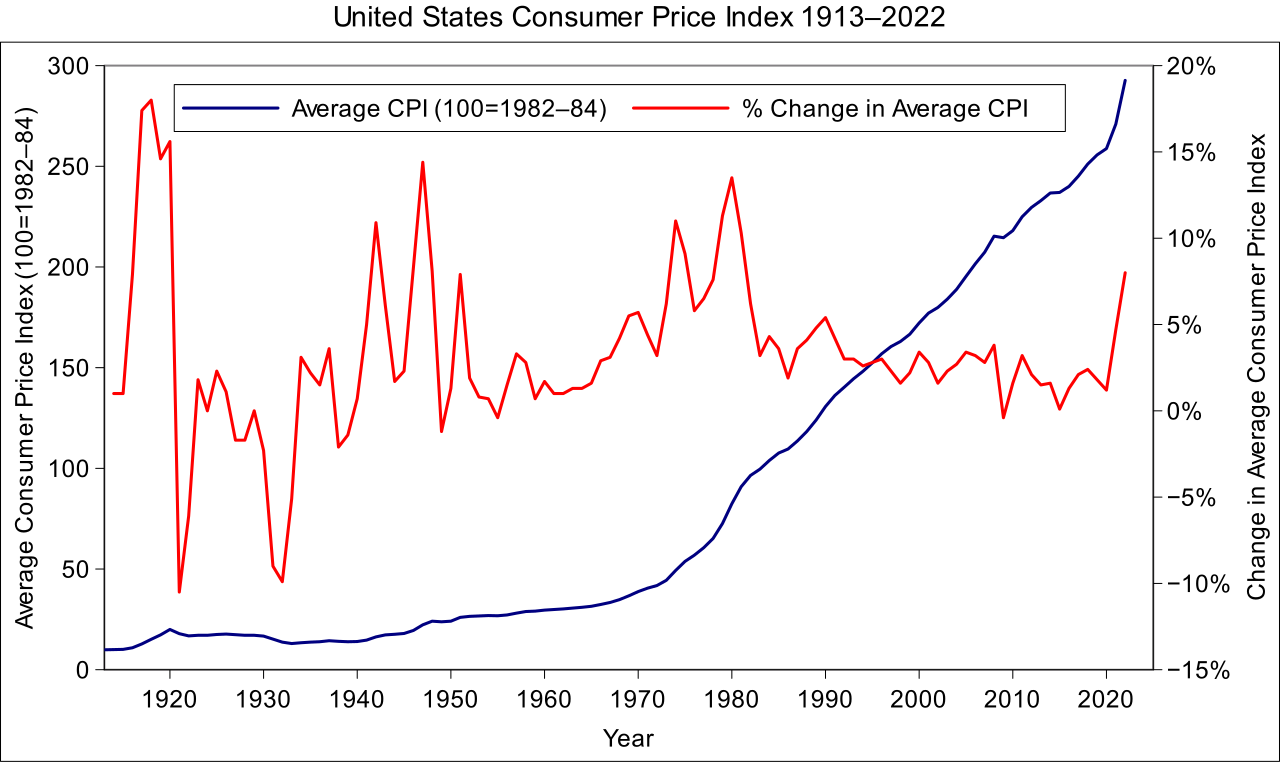
- The Additional Exemption: An additional Florida homestead tax exemption applies to the property's assessed value between $50,000 and $75,000. However, this additional exemption applies only to non-school taxes and does not reduce school district taxes. By statute, this additional Florida homestead tax exemption adjusts annually for inflation based on the Consumer Price Index.
Save Our Homes: Florida prevents residents from being taxed out of their homes due to skyrocketing real estate markets. The Florida Save Our Homes amendment caps the annual increase in assessed value of homesteaded property at 3 percent or the percentage change in the Consumer Price Index, whichever is less. Even better, a Florida homeowner can transfer (port) the Save Our Homes property tax assessment cap to a new primary residence.
Florida is famous for its shared-wall and shared-amenity living. Because buyers share structural integrity and financial destiny with strangers, the state imposes rigid disclosure and cancellation laws.
Condominiums
A Florida condominium is legally created by recording a declaration of condominium in the county public records. This is the birth certificate of the condo.
Once created, the architecture of the association relies on several key documents:
- Articles of Incorporation: These establish the legal existence of a Florida condominium association.
- Bylaws: Condominium bylaws govern the administration and daily operation of a condominium association.
- Frequently Asked Questions (FAQ): A condominium FAQ document informs prospective purchasers about restrictions on the use of condominium property. Condominium restrictions detailed in the FAQ document commonly include highly practical rules regarding unit leasing and pet ownership.
Condominium Disclosures and Safety: If a developer builds 20 or more new residential condominium units, they must prepare a prospectus providing detailed disclosures to prospective buyers. For older, existing structures, safety is paramount. Sellers of resale condominiums must provide buyers with a copy of the most recent Structural Integrity Reserve Study or a statement that the study has not been completed.
Cooperatives
In a cooperative, a corporation holds title to the land and improvements of the entire property. Cooperative owners purchase shares of stock in the corporation rather than receiving a deed to the real estate. They do not own the physical walls; they own shares. In return, a proprietary lease grants a cooperative stock owner the right to occupy a specific unit.
Timeshares
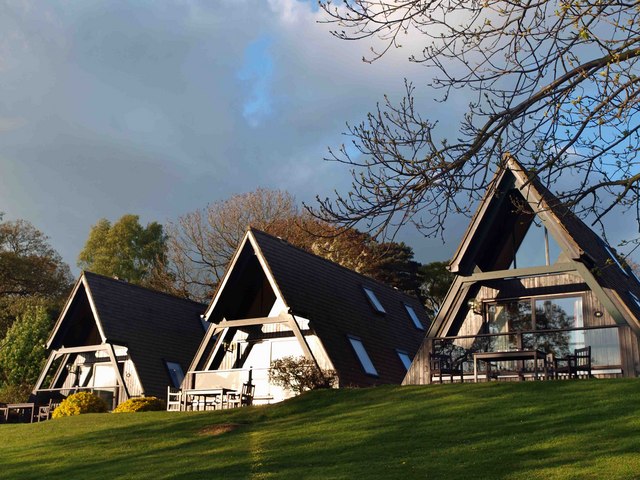
Timeshare ownership involves dividing the use of a single property among multiple owners for specific time periods. There are two distinct legal formats:
- Timeshare Interval Ownership: This provides the buyer with a fractional fee simple ownership interest in the real property. They own a literal piece of the real estate.
- Timeshare Right-to-Use: This provides a leasehold interest allowing usage of the property for a specified number of years. When the clock runs out, the interest returns to the developer.
Mandatory Cancellation Periods (The Right of Rescission)
Because community living involves complex restrictions and long-term financial commitments, Florida law grants buyers a "cooling off" period to review the documents and cancel without penalty. You must memorize these timelines.
| Property Type | Transaction Type | Cancellation Period |
|---|---|---|
| Condominium | New (from Developer) | 15 calendar days after signing and receiving docs |
| Condominium | Resale | 7 business days after receiving docs |
| Cooperative | New (from Developer) | 15 calendar days |
| Cooperative | Resale | 7 business days after receiving docs |
| Timeshare | New | 10 calendar days |
| Timeshare | Resale | 10 calendar days |
Notice the precision: Condominium and Cooperative resales are measured in business days, while new developer purchases and all timeshare transactions are measured in calendar days.
Homeowners' Associations (FS 720)
Finally, for neighborhoods governed by standard HOAs, Florida Statute 720 requires sellers of property subject to a mandatory Homeowners' Association to provide buyers with a disclosure summary. This document details the mandatory assessments and restrictions.
If this is mishandled, the consequences for the seller are severe. A buyer who does not receive a mandatory Homeowners' Association disclosure summary before signing a purchase contract has a 3-day right to cancel the agreement. Crucially, as a matter of strict consumer protection, the buyer's right to cancel a contract due to missing Homeowners' Association disclosures cannot be waived by the buyer.