Florida Real Estate License Law & FREC
Not sure you’re ready?
Take the ~3-minute readiness diagnostic and see where you stand.
Imagine the transfer of real estate in Florida not as a simple exchange of keys for cash, but as the movement of immense tectonic plates of wealth, property rights, and legal liabilities. To prevent catastrophe, this movement requires a precise, unforgiving regulatory framework. As an aspiring Florida real estate sales associate, you are stepping into a heavily structured system designed to protect the public from incompetence and fraud. At the center of this system is Chapter 475, Part I, of the Florida Statutes, the foundational law that governs real estate brokers, sales associates, and schools. Understanding how this law operates—and the agencies that enforce it—is not just about passing a test; it is about knowing the absolute boundaries of your livelihood.
To navigate your career safely, you must first understand the four interlocking sets of rules that govern your daily actions. Think of these as the nested blueprints of your profession.
- Chapter 475, Part I, Florida Statutes: This is your primary operating manual. It establishes the legal framework specifically governing real estate brokers, sales associates, and real estate schools.
- Chapter 455, Florida Statutes: Step back and look at the broader picture. This chapter establishes the general legislative provisions for the Department of Business and Professional Regulation (DBPR). It dictates how all licensed professions in the state operate, from barbers to architects, ensuring standard procedures across the board.
- Chapter 120, Florida Statutes: This is the Administrative Procedure Act. If a licensee ever breaks the rules, this chapter acts as the judicial machinery detailing the procedural and disciplinary process for all Florida licensees. It is the guarantee of due process.
- Chapter 61J2, Florida Administrative Code (F.A.C.): While statutes are passed by the legislature, the day-to-day administrative rules promulgated by the Florida Real Estate Commission (FREC) live here. Chapter 61J2 takes the broad mandates of Chapter 475 and translates them into actionable, specific rules for your daily practice.
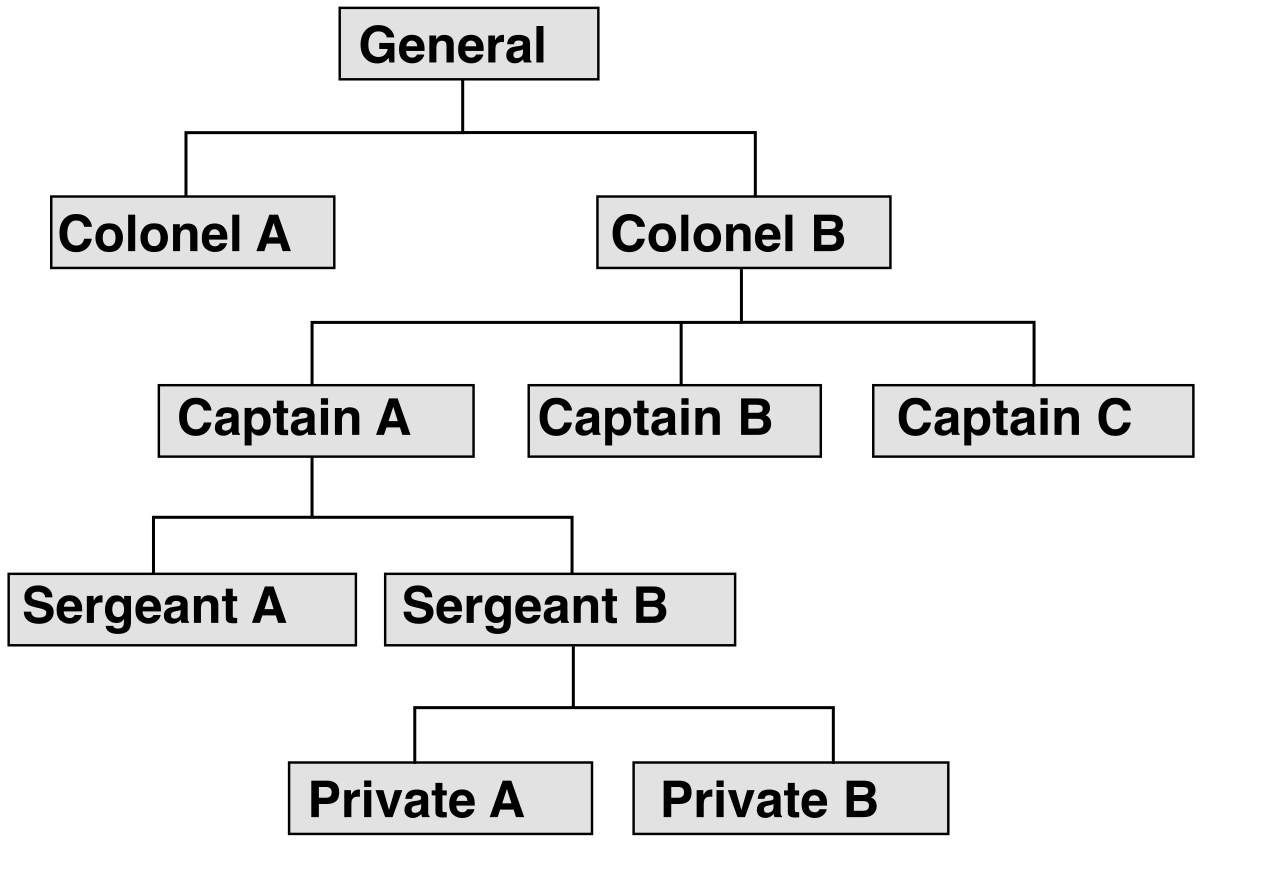
How does the State of Florida actually enforce these laws? It delegates authority through a very specific hierarchy.
The Department and the Division
At the top sits the Department of Business and Professional Regulation (DBPR), the massive umbrella agency that licenses and regulates businesses and professionals across Florida.
Housed within the DBPR is the Division of Real Estate (DRE). The DRE is the operational engine. It provides administrative and ministerial support to the Florida Real Estate Commission. If you need to process an application or update a record, you are interacting with the DRE.
- Location: The Division of Real Estate principal office is located in Orlando, Florida.
- Leadership: The Secretary of the Department of Business and Professional Regulation appoints the Director of the Division of Real Estate. However, as a vital check and balance, the Florida Real Estate Commission must approve the appointment of the Director.
The Florida Real Estate Commission (FREC)
If the DRE is the administrative engine, FREC is the brain. The Florida Real Estate Commission is composed of seven members. These members are not elected; the Governor of Florida appoints all members, and the Florida Senate must confirm these appointments.
FREC members serve four-year terms, and to prevent entrenched power, they may not serve more than two consecutive terms.
To ensure the Commission understands the realities of the market while fiercely protecting the public, the seven seats are strictly allocated by law:
- Four members must be licensed brokers with at least five years of active experience. (The seasoned veterans).
- One member must be a licensed broker or sales associate with at least two years of active experience. (The active practitioner).
- Two members must be consumer members who have never held a real estate license. (The public's voice).
- Age Requirement: At least one member of the Commission must be 60 years of age or older (this can be any of the seven members).
The Powers of FREC
FREC does not possess criminal jurisdiction—they cannot put you in jail—but they hold total dominion over your license. Their authority is divided into three distinct powers:
- Executive Powers: The ability to regulate real estate licensees and the ability to educate real estate licensees. (e.g., publishing newsletters, investigating complaints).
- Quasi-Legislative Powers: The ability to enact administrative rules (which, as we discussed, become Chapter 61J2 of the F.A.C.).
- Quasi-Judicial Powers: The ability to grant or deny license applications and the profoundly important ability to discipline real estate licensees for violations.

How do you get on the playing field? The barriers to entry are designed to ensure competence and accountability.
To obtain a Florida real estate license, an applicant must:
- Be at least 18 years of age.
- Hold a high school diploma or its equivalent.
- Possess a valid United States Social Security number. (This is mandatory to ensure compliance with child support enforcement laws).
A Note on Demographics: Florida is an international hub. The state recognizes this, which is why United States citizenship is not required to obtain a Florida real estate license. Furthermore, Florida residency is not required. You can live in New York, be a citizen of France, and hold a valid Florida real estate license, provided you meet the educational and background requirements.
The Absolute Necessity of Transparency
When filling out your application, radical honesty is required. A Florida real estate license applicant must disclose all criminal convictions, all guilty pleas, and all pleas of nolo contendere (no contest) on the license application. Expunged records must generally be disclosed. Attempting to hide a past mistake is viewed by FREC as an issue of present moral character, which is often grounds for immediate denial.
What do you not need to disclose? A Florida real estate license applicant is not required to disclose minor traffic offenses (like a speeding ticket) on the application.

Once you submit it, remember the clock is ticking: A Florida real estate license application expires two years after the date the Department of Business and Professional Regulation receives it.
Your initial education is only the beginning. Florida utilizes a phased educational model to ensure licensees remain sharp.
Phase 1: Pre-Licensing
The required Florida real estate sales associate pre-license education course consists of 63 hours of instruction. To clear this hurdle, you must pass the end-of-course exam with a passing score of 75 percent or higher. After clearing the course, you must sit for the state licensing exam, where a passing score of 75 percent or higher is also required.
Phase 2: Post-Licensing (The Danger Zone)
Earning the license is an achievement, but keeping it requires immediate attention. A Florida real estate sales associate must complete a 45-hour post-licensing education course before their first license renewal.
WARNING: There is no grace period for this requirement. Failure to complete the 45-hour post-licensing education course causes a Florida real estate sales associate license to become null and void. You do not just pay a late fee; you lose your license entirely and must start over from scratch.
Phase 3: Continuing Education (CE)
Once you survive the first renewal, the pace normalizes. Florida real estate licensees must complete 14 hours of continuing education during every two-year license period after the initial renewal. Because laws and standards change, this 14-hour requirement specifically includes three hours of core law and three hours of business ethics.
Florida recognizes that certain individuals arrive with established expertise or deserve special accommodation.
Mutual Recognition Agreements
Florida has agreements with several states that have equivalent real estate education standards. These agreements allow eligible non-residents to bypass the 63-hour course. Instead, they can obtain a Florida real estate license by passing a 40-question state law exam, focusing only on Florida-specific regulations. A score of 75 percent is required to pass the Florida mutual recognition state law exam.
Critical limitation: Florida residents are not eligible for real estate licensure under mutual recognition agreements. If you move to Florida and establish residency, you must take the full 63-hour course.
Military Exemptions
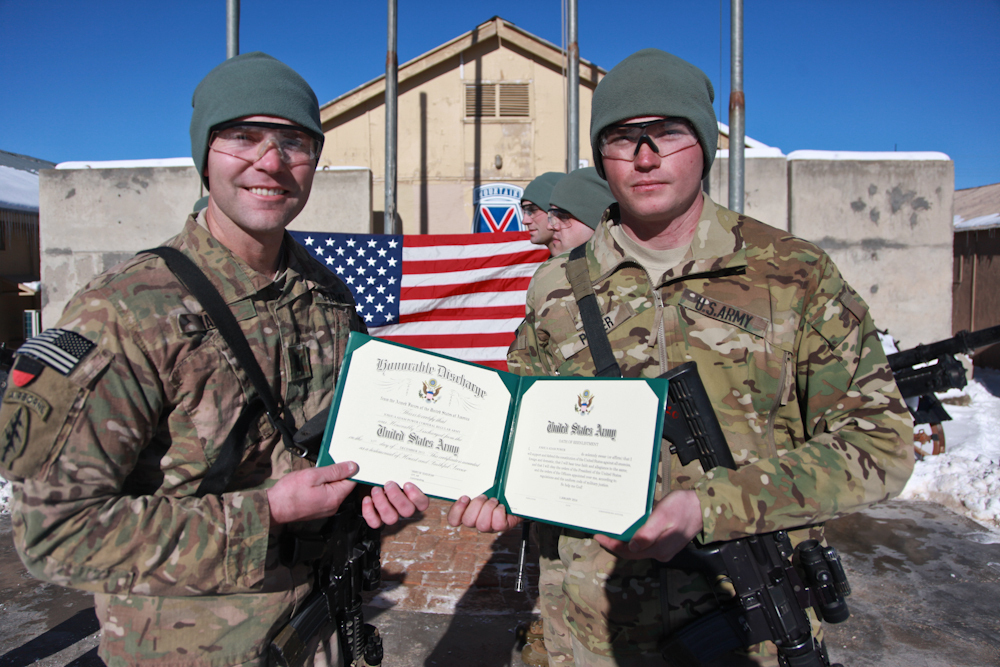
Florida heavily protects the livelihoods of its service members. A Florida real estate licensee who joins the United States Armed Forces is exempt from license renewal requirements during active duty. Even better, the armed forces license renewal exemption extends for two years after a licensee's discharge from active duty. Recognizing the sacrifices made by families, the spouse of a Florida real estate licensee on active military duty receives the same license renewal exemption as the military member.
Under Chapter 475, anyone who performs a real estate service for another person for compensation must be licensed. However, there are highly specific exemptions. Understanding these exemptions clarifies the fundamental purpose of the license law: to protect the public in an agency relationship. If an agency relationship or commission-based structure does not exist, a license may not be required.
Ownership and Salaried Exemptions
- Property Owners: Property owners are exempt from Florida real estate licensure when buying, selling, or leasing their own property. (You don't need a license to sell your own house).
- Business Entity Employees: Salaried employees of a business entity are exempt when selling the entity's property and not receiving a commission. (If a corporation builds houses, its salaried W-2 employees can sell them, provided their pay isn't tied to transactional success).
- Apartment Managers: Salaried managers of apartment communities are exempt when renting units for terms of up to one year.
Professional and Legal Exemptions
Certain professionals handle real estate matters as a necessary byproduct of their primary, highly regulated duties.
- Attorneys-at-Law: Exempt when performing legal duties within the scope of an attorney-client relationship. (Note: An attorney cannot earn a real estate commission without a real estate license).
- Certified Public Accountants (CPAs): Exempt when performing accounting duties within the scope of the accounting profession.
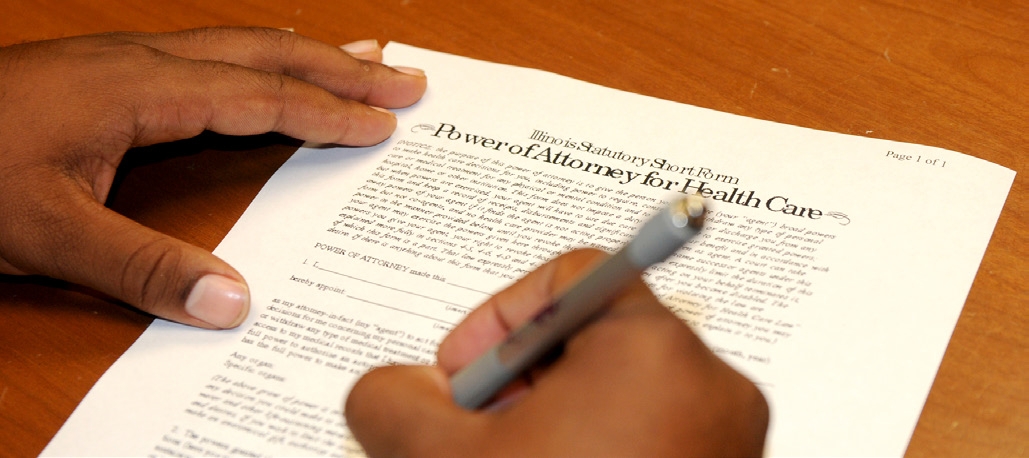
- Attorneys-in-Fact: Exempt when signing documents on behalf of another person under a power of attorney.
Court Appointees and Transients
- Court-Ordered Actions: Persons acting under a court order (like an appointed receiver) are exempt.
- Estate Settlement: Personal representatives settling an estate are exempt.
- Lodging: Hotel and motel clerks are exempt from licensure when renting transient lodging to guests.
The "Referral Fee" Boundary
While exemptions exist, there is a hard line in the sand regarding compensation. A person who receives a fee or commission for referring a real estate client to a broker must hold an active real estate license. You cannot pay a "finder's fee" to an unlicensed friend who introduces you to a buyer. The moment compensation is tied to the successful facilitation or referral of a real estate transaction, Chapter 475 demands an active license.
Understanding these mechanisms—from the statutes governing your behavior, to the authorities sitting in Orlando, down to the exact hours required to maintain your active status—provides the clarity needed to operate safely and effectively in the Florida real estate market. Master the rules of the game before you step onto the field.