Florida Mandatory Disclosures
Not sure you’re ready?
Take the ~3-minute readiness diagnostic and see where you stand.
In Florida real estate, the legal landscape of property disclosure rests on a fundamental asymmetry of information: a seller intimately knows the history and quirks of their structure, while the buyer is an outsider looking at fresh paint and staged furniture.

Historically, the rigid common-law rule of caveat emptor—let the buyer beware—governed these transactions, essentially forcing buyers to assume all hidden risks. That paradigm has entirely collapsed in Florida under the weight of precise judicial rulings and legislative statutes designed to mandate transparency. Today, navigating a Florida residential real estate transaction requires mastering an intricate web of mandatory disclosures, where the omission of a single document can vaporize a contract or trigger severe civil liability for you, the real estate sales associate.
To understand Florida disclosure law, you must understand the 1985 Florida Supreme Court case Johnson v. Davis. This landmark ruling completely rewrote the rules of the game. The Court established a definitive legal duty: Florida sellers must disclose all known facts that materially affect the value of a residential property.

But the law is highly specific in its application. Let’s break down exactly how this duty operates in the real world:
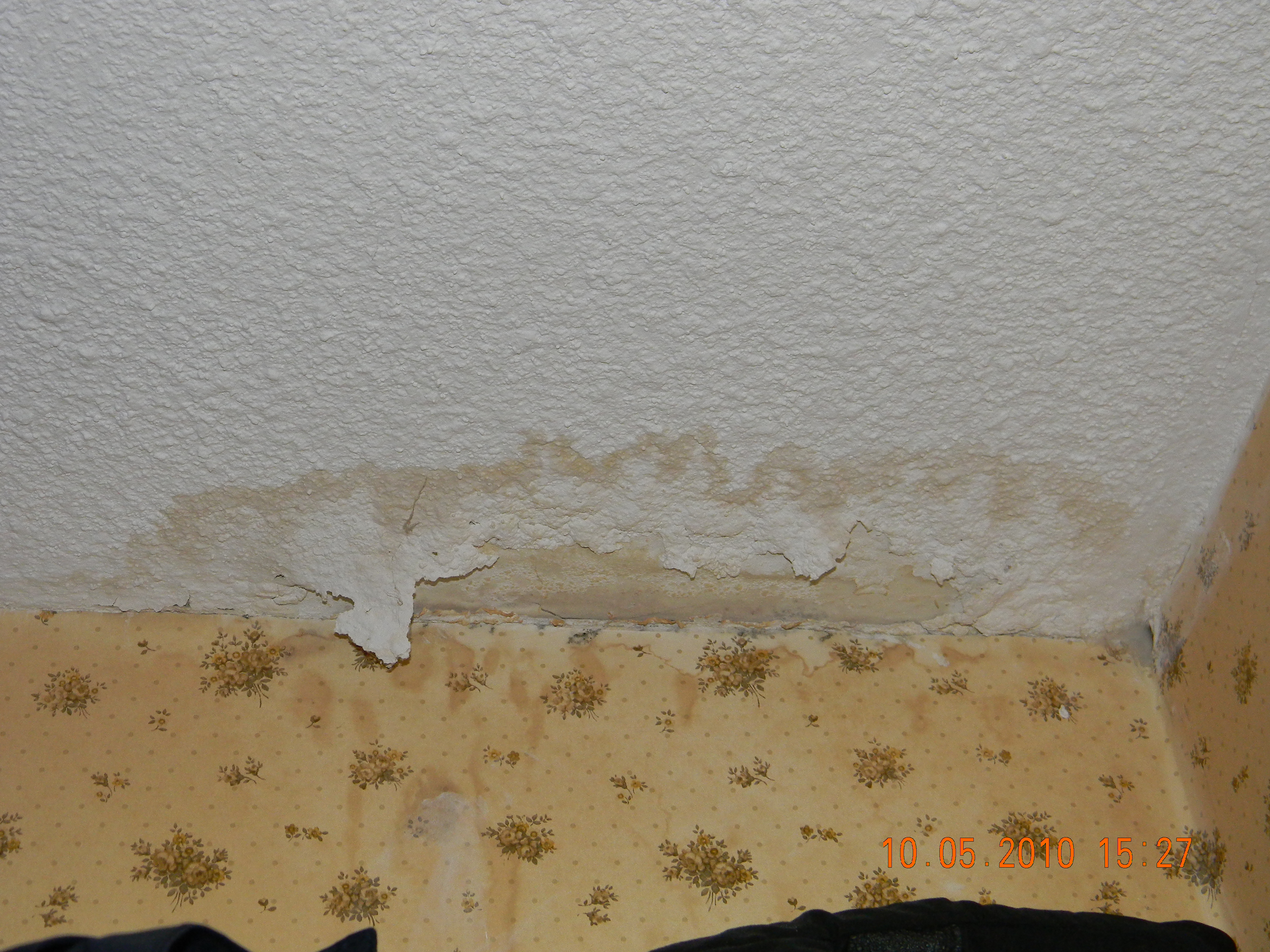
- The Defect Must Be Hidden: The duty to disclose material defects applies only to defects that are not readily observable to the buyer. A seller in Florida is not legally obligated to disclose obvious property defects that are readily observable to a buyer during a normal inspection. If there is a massive, gaping hole in the living room drywall, you don't need a disclosure form for it. If the roof leaks only during heavy July thunderstorms but looks perfect in December, that is a hidden material defect requiring disclosure.
- Actual Knowledge is Required: You cannot disclose what you do not know. Florida sellers are only required to disclose property defects of which the sellers have actual knowledge. The law does not expect a seller to possess the x-ray vision of a structural engineer.
- Shared Liability for Licensees: This is where Johnson v. Davis impacts your career directly. Florida real estate licensees share the legal duty to disclose known material defects to prospective buyers. If your seller tells you, "The guest bathroom floods when you run the dishwasher, but don't tell anyone," you are legally bound to disclose it. Your duty to the law supersedes your seller's desire for secrecy.
The "As-Is" Illusion
One of the most persistent, dangerous myths you will encounter in the field is a seller believing that using an "As-Is" residential contract relieves them of their disclosure obligations. It does not.
The Johnson v. Davis disclosure requirement applies precisely the same even if a residential property is being sold "as is." Using an "As-Is" contract provision merely removes a seller's obligation to pay for the repairs of disclosed or discovered property defects. It is a financial shield against paying for repairs, not a legal shield against hiding the truth.
Professor's Rule of Thumb: "As-Is" means the seller is saying, "I am not fixing this house." It does not mean, "I am allowed to hide the flaws of this house."
Florida law and Federal law intersect to require specific environmental disclosures. Pay close attention to what these disclosures actually compel the parties to do—often, they are purely informational warnings rather than mandates for action.
Radon Gas
Radon is an invisible, odorless, radioactive gas that occurs naturally in the soil. Because it can accumulate indoors, Florida law requires a radon gas warning statement to be included on all real estate sale and purchase contracts. Furthermore, this radon gas disclosure must be provided at the time of executing a rental agreement for any building in Florida.
However, you must clearly explain to your clients what this means:
- The Florida radon disclosure serves solely as an informational warning about the health risks of radon gas.
- Florida law does not require a property seller to conduct radon testing prior to a real estate sale.
- Florida law does not require a property seller to mitigate radon gas if radon is present on the property.

Lead-Based Paint
For residential housing built prior to 1978, Federal law steps in. Lead-based paint disclosures are mandatory for both the sale and the lease of these pre-1978 homes.
- Sellers must disclose the known presence of lead-based paint to prospective buyers.
- Buyers must be granted a 10-day period to conduct an inspection for lead-based paint.
- Because buyers are adults capable of assessing their own risk, a buyer may legally waive the right to conduct this 10-day lead-based paint inspection.
- Similar to radon, property sellers are not legally required to pay for the removal of lead-based paint.
Energy-Efficiency Rating
Florida buyers must receive an information brochure notifying them of the option to get an energy-efficiency rating on the building. The timing matters: this Florida Energy-Efficiency Rating Information Brochure must be provided to a buyer before or at the time of executing a purchase contract. However, Florida law does not mandate that a buyer or seller actually obtain an energy-efficiency rating on a property.
Buyers are often stunned by the carrying costs of Florida real estate. The legislature created mandatory disclosures to prevent this "sticker shock," giving buyers a clear picture of future financial obligations.
The Homeowners' Association (HOA) Disclosure
If a property requires mandatory association membership, Florida law is absolutely unforgiving. Buyers must receive a Homeowners' Association disclosure summary.
- The Timing: It must be provided to a buyer before the buyer executes the contract for sale.
- The Warning: The disclosure must inform the buyer of required assessments and, crucially, the risk of foreclosure for nonpayment.
- The Right to Void: If this disclosure was not provided before signing, the buyer may void the purchase contract within three days of receiving it. If the document is never received, the buyer's right to void the contract extends all the way until the closing date.
- Non-Waivable: A buyer cannot legally waive the right to void a contract if a mandatory Homeowners' Association disclosure is absent.
Mechanics of Voiding: A buyer who wishes to void a purchase contract due to a missing HOA disclosure cannot just walk away; they must provide written notice to the seller or the seller's agent.
Property Tax Disclosure
Due to Florida's "Save Our Homes" amendment, a long-term owner's assessed property value is capped, keeping their property taxes artificially low. When the property is sold, the cap is removed, and taxes are recalculated based on current market value.
To prevent buyers from mistakenly budgeting based on the seller's low tax bill, Florida law requires a property tax disclosure summary to be included in or attached to residential purchase contracts.
- It explicitly warns buyers not to rely on the seller's current property tax amount to predict future taxes.
- It informs buyers that a change in property ownership triggers a reassessment that could result in higher taxes.
- It mandates that prospective buyers should contact the county property appraiser's office for valuation information.
Community Development Districts (CDD)
A Florida Community Development District is a local, special-purpose government framework authorized to manage and finance community infrastructure (like neighborhood roads, water systems, and amenities). Sellers must provide a specific written disclosure if a property is located within a CDD. This disclosure warns buyers that district assessments are in addition to standard county and city property taxes.
Active Building Code Violations
Selling a Florida property does not clear a pending building code violation. The violation attaches to the land, not just the owner. Therefore:
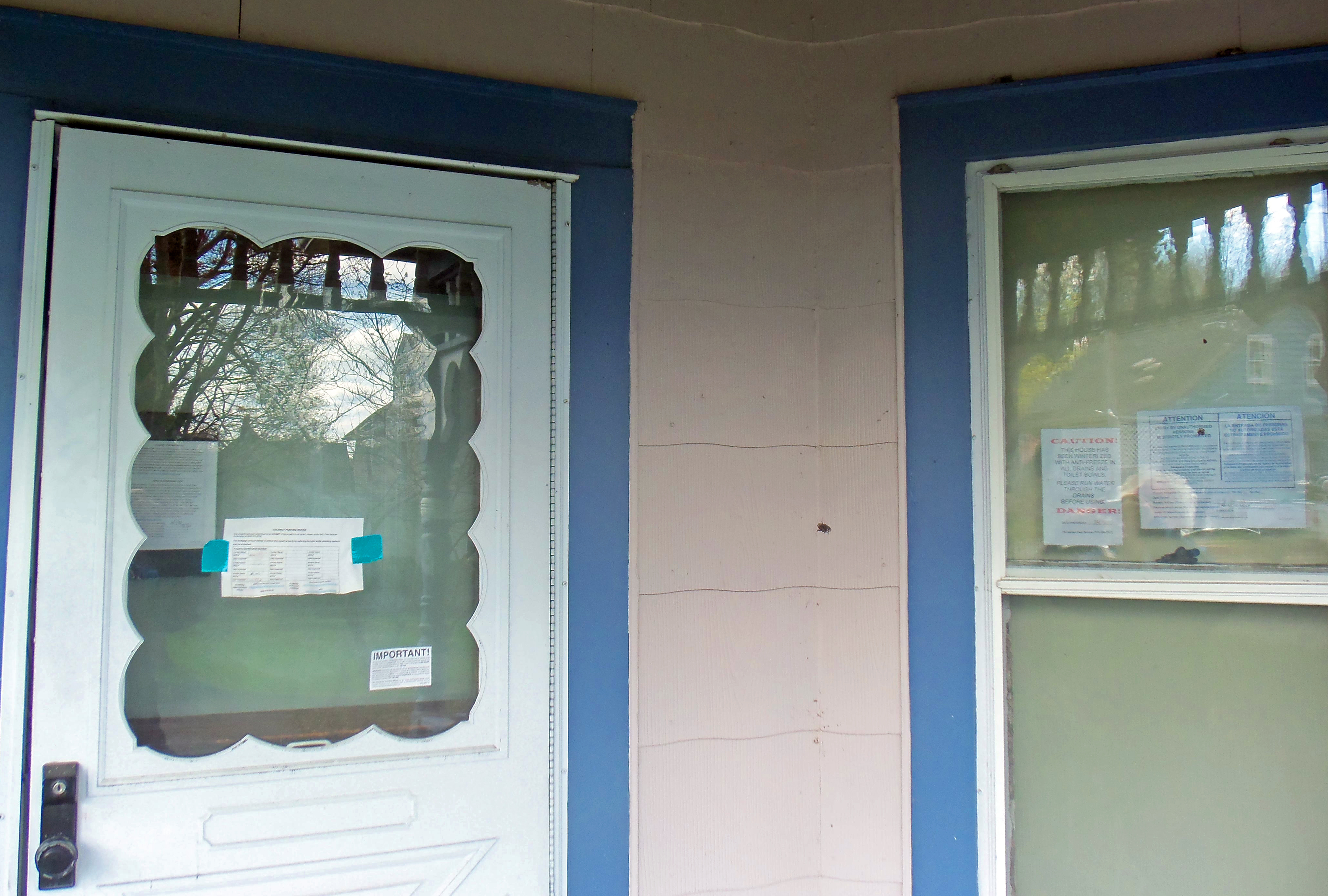
- A Florida seller cited for an unresolved building code violation must disclose the specific violation in writing to a buyer before closing.
- The buyer of a Florida property with an unresolved building code violation becomes legally responsible for compliance.
- The seller must actively notify the government: A seller with an active building code violation must provide the code enforcement agency with the name and address of the new owner within five days of title transfer.
Coastal Construction Control Line (CCCL)
Florida fiercely protects its beaches. Properties located seaward of the Coastal Construction Control Line require a specific written disclosure prior to contract execution. This disclosure warns buyers that the property is subject to strict coastal construction regulations and potential beach erosion risks.
Flood Disclosures
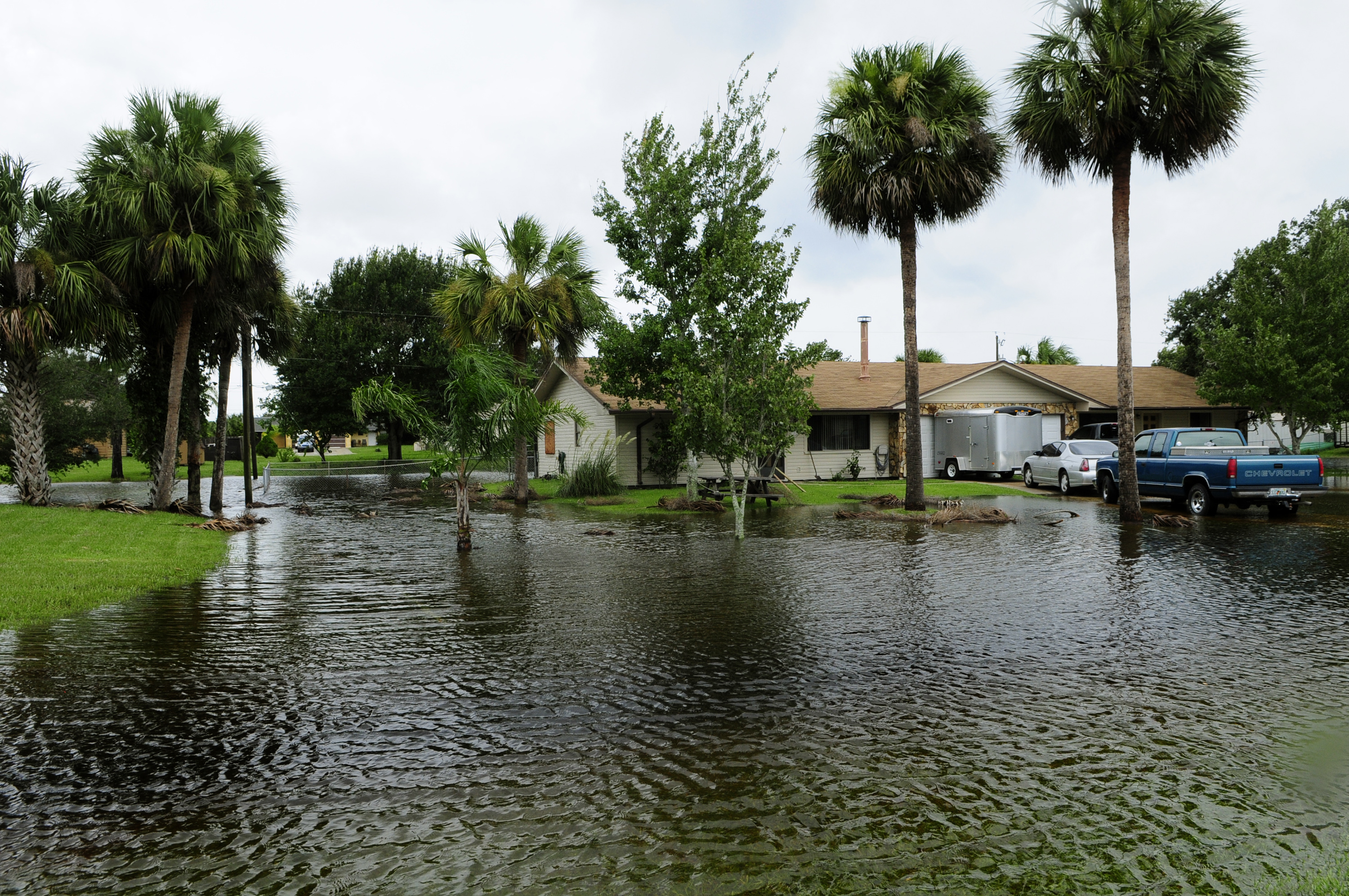
Water intrusion is a primary risk in Florida. Consequently, Florida law requires a mandatory written flood disclosure for residential real estate sales, which must be provided to the purchaser at or before the time the sales contract is executed.
- The seller must disclose whether they have ever filed an insurance claim for flood damage on the property.
- The seller must disclose whether they have ever received federal assistance for flood damage on the property.
- The disclosure explicitly warns buyers that standard homeowner's insurance policies do not cover flood damage. (Note for property managers: Florida law also mandates flood history disclosures for residential leases with a term of one year or longer).
Condominium ownership involves purchasing airspace and a share of common elements, bound by complex association rules. The required disclosures depend entirely on whether the condo is a resale or a brand-new unit from a developer.

| Property Type | Required Documents | Cancellation Period |
|---|---|---|
| Resale Condominium | 1. Declaration of Condominium<br>2. Articles of Incorporation<br>3. Association Bylaws<br>4. Most recent year-end financial information<br>5. Frequently Asked Questions (FAQ) document | 3-business-day right to cancel a contract after receiving all required documents. |
| New Condominium (Developer) | Public Offering Statement | 15-day right to cancel a contract after receiving the statement. |
Sometimes, buyers care deeply about psychological stigmas attached to a property. Florida law, however, draws a very rigid line separating physical facts from psychological stigmas.
In Florida, the occurrence of a homicide, suicide, or death on a property is legally classified as an immaterial fact. Therefore, Florida sellers and real estate licensees are not legally required to disclose that a homicide or suicide occurred on a property. You are selling the structural integrity of the real estate, not its ghost stories.
Even more strictly governed is the medical privacy of former occupants. An HIV or AIDS diagnosis of a prior property occupant is legally classified as an immaterial fact and is highly protected by fair housing privacy laws. As a result, Florida law strictly prohibits real estate licensees from disclosing whether a previous property occupant had HIV or AIDS. Doing so violates both state law and federal fair housing statutes.
Finally, as a real estate professional, you must disclose your role to the consumer. How are you representing them?
Under Florida Statutes Chapter 475, a transaction broker relationship is the presumed default representation in Florida. Because it is the default, it does not require a written disclosure.
However, if you deviate from this default, paperwork is mandatory:
- Chapter 475 requires specific written disclosures for single agent and no brokerage relationships in residential transactions.
- To ensure compliance and auditability, the Florida Real Estate Commission (FREC) requires brokers to retain these residential brokerage relationship disclosure documents for five years.
- Crucial exam point: Brokers must retain these brokerage relationship disclosures for five years even if the residential transaction fails to close. The requirement is tied to the relationship established, not the success of the transaction.
When you sit down for your exam, remember that Florida's disclosure framework is designed with a simple philosophy: eliminate surprise. Whether it is a hidden material defect, an aggressive HOA, a soaring property tax bill, or the legal relationship you hold with your client, Florida law demands that the cards be placed face-up on the table.