Real and Personal Property Conveyances
Not sure you’re ready?
Take the ~3-minute readiness diagnostic and see where you stand.
When a seller packs their moving truck, the invisible legal line between what they can take and what must stay behind is drawn by the precise definitions of property. As a real estate professional, you are not merely selling wood, concrete, and soil; you are facilitating the transfer of distinct legal classifications of rights and matter. A disputed washing machine or a missing custom chandelier might seem trivial, but in the eyes of the law, these disputes challenge the very foundation of what was actually conveyed. Understanding property boundaries requires looking beyond the surveyor’s stakes and into the physical and legal nature of the items residing within those boundaries.

To grasp real estate transactions, we must first divide the physical world into two rigid legal categories: real property and personal property.
Real property is not just dirt and lumber. It is a three-dimensional concept that includes the physical surface of the earth, stretching down to the center of the globe and up into the sky. Crucially, real property includes man-made improvements permanently attached to the land, such as a foundation or a house. But it goes beyond the physical. Real property includes the underlying bundle of legal rights associated with ownership—the rights to possess, control, enjoy, exclude, and dispose of the land.
Personal property, by contrast, consists of all property that is easily movable. It is the furniture, the clothing, the freestanding refrigerator. The defining characteristic of personal property is that it is not permanently affixed to the land or buildings.
Nomenclature Note: On the licensing exam, you will frequently see two formal legal terms used interchangeably for personal property: chattel and personalty. Think of the word chattel as related to cattle—assets that can wander off or be driven away.
In physics, a substance changes state when energy is applied—water freezes into ice, or boils into steam. In property law, objects change state through physical acts combined with human intent.
Severance is the legal act of converting real property into personal property. It is the act of separation. For example, cutting down a growing tree is an example of severance. While rooted in the earth, the tree is part of the real estate. The moment the chainsaw severs the trunk, the resulting timber instantly becomes personal property.

Conversely, annexation is the legal act of converting personal property into real property. If you purchase a sapling in a plastic bucket from a hardware store, that sapling is personal property (chattel). Planting a tree in the ground is an example of annexation. The moment its roots are packed into the soil, it crosses the legal threshold and becomes real property.
The most heavily litigated disputes in residential real estate revolve around fixtures.
A fixture is an item that was originally personal property, but through the process of annexation, has become an item permanently attached to land or a building. Because of this attachment, a fixture is legally classified as real property and automatically transfers to the buyer unless explicitly excluded in the contract.
But how permanent is "permanent"? If a seller unscrews a $5,000 custom mirror from the dining room wall, did they steal real property, or simply pack up their personalty? When disputes arise, courts use the MARIA test to determine if a disputed item is a fixture or personal property.
| Letter | Factor | Explanation |
|---|---|---|
| M | Method of attachment | How permanently is the item attached? Can it be removed without causing substantial damage to the surrounding structure? |
| A | Adaptability of the item to the real estate | Was the item custom-built or specially adapted for this specific property? (e.g., custom storm windows or built-in bookshelves). |
| R | Relationship of the parties | What is the relationship between the disputing parties? Courts generally favor a buyer over a seller, and favor a tenant over a landlord in fixture classification disputes. |
| I | Intention of the person annexing the item | Did the person installing the item intend for it to remain permanently? Intention is the most heavily weighted factor in the MARIA fixture test. |
| A | Agreement between the parties | What does the contract say? A written agreement explicitly classifying an item overrides all other tests. |
Warning: Never rely on the MARIA test to save a transaction. If there is any doubt whether an item is a fixture, address it explicitly in the purchase agreement.
The rules of physics bend under extreme gravity, and the rules of fixtures bend in commercial real estate.
Trade fixtures are items installed by a commercial tenant for business purposes. Imagine a tenant leasing retail space to open a pizzeria. They bolt massive commercial ovens into the concrete floor and install heavy ventilation hoods. Under the normal residential rules, bolting an oven to a foundation would be annexation, creating a real property fixture belonging to the landlord.
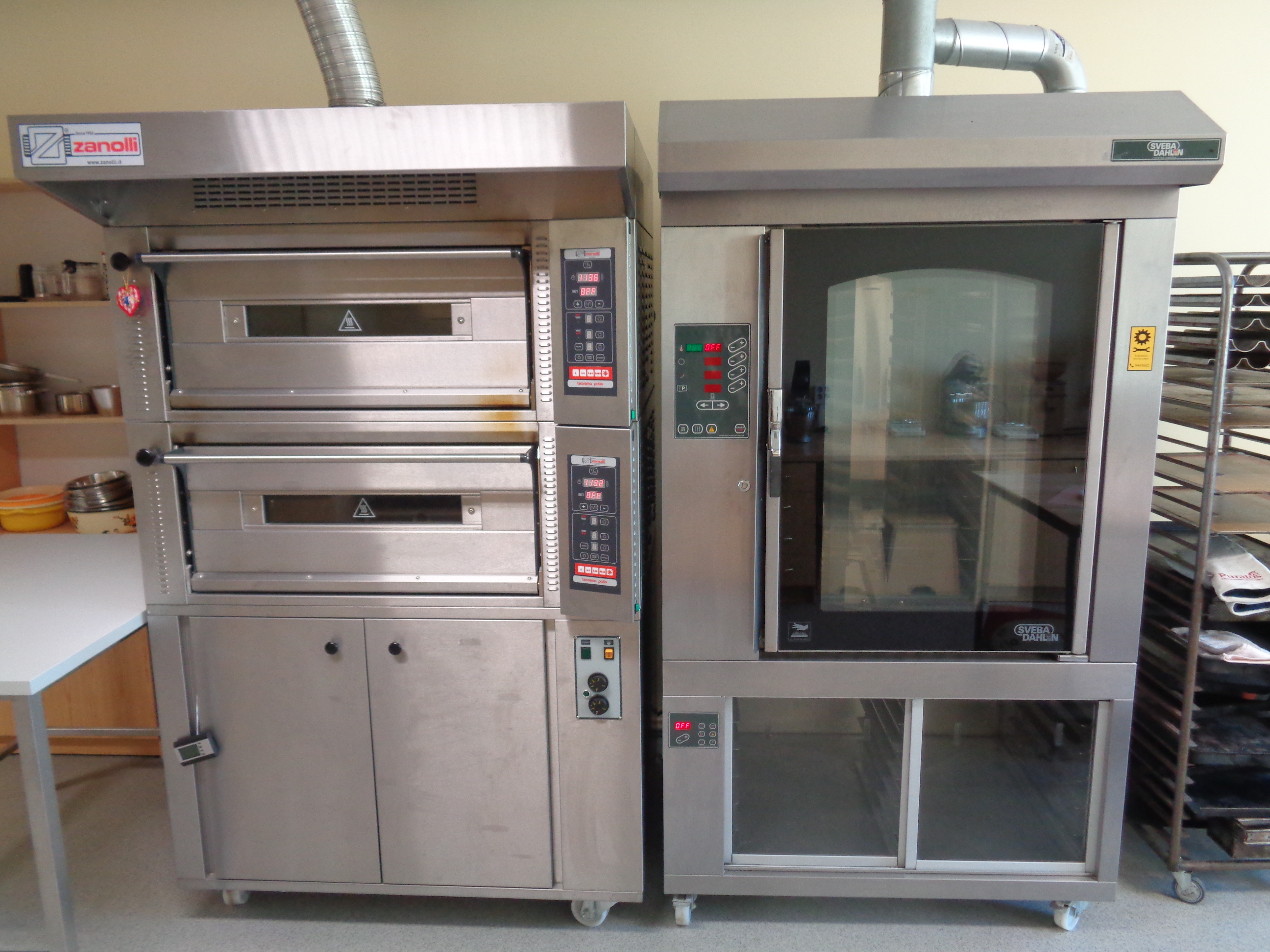
But because the law wants to encourage commerce, trade fixtures are legally classified as personal property. The pizzeria owner can pack up those ovens when the lease ends. However, the law demands equity: a commercial tenant must repair any property damage caused by removing a trade fixture.
If the tenant vacates and abandons their ovens, what happens? Trade fixtures left behind after a lease expires become the property of the landlord. The landlord does not purchase them; they absorb them through accession, which is the legal process of a landlord acquiring ownership of abandoned trade fixtures.
Plant life occupies a unique space in property law, categorized purely by human cultivation.
Fructus naturales (fruits of nature) are trees and shrubbery that do not require annual cultivation. Think of an apple orchard or ancient oak trees. Because they grow continuously without annual planting, fructus naturales are legally classified as real property. They transfer automatically with the land.
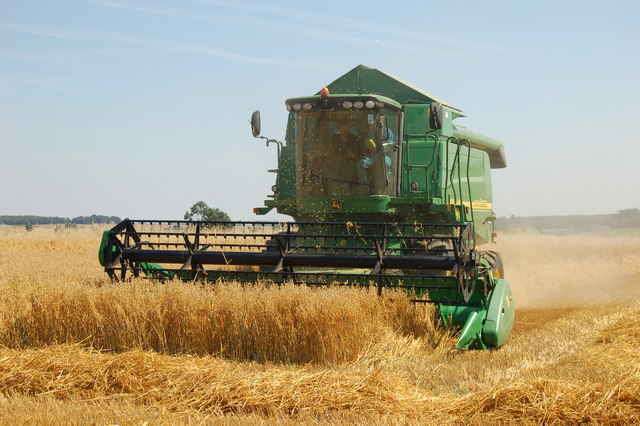
However, agriculture creates a different scenario. Emblements are growing crops that require annual cultivation, such as corn, wheat, or soybeans. Because they are the product of annual labor and industry, the law uses the Latin term fructus industriales. Despite being deeply rooted in the soil, emblements are legally classified as personal property.
This leads to a fascinating legal quirk vital for rural transactions: a former property owner retains the right to re-enter the land to harvest previously planted emblements. If a farmer sells their land in July, but the corn they planted isn't ready to harvest until October, the farmer has the right to cross the new buyer's property line in October to reap the literal fruits of their labor.
Not all real property is physical. An appurtenance is a right or privilege associated with the land. Think of it as a legal "attachment" rather than a physical one. It is a benefit that rides along with the property.
Property easements are common examples of real estate appurtenances—such as the right to drive across a neighbor's driveway to access your landlocked parcel. In urban environments, deeded parking spaces are common examples of real estate appurtenances.
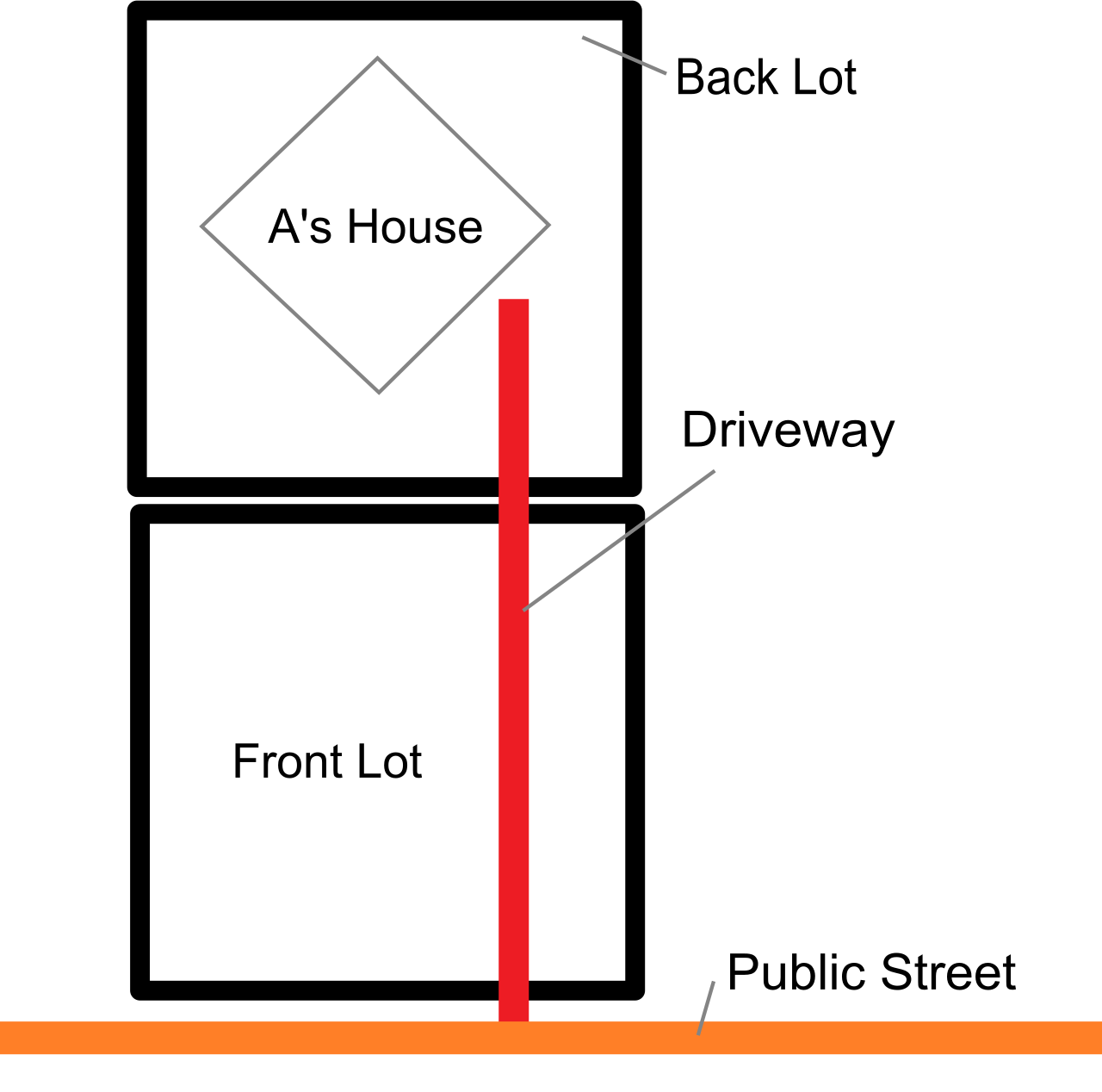
Because they are inextricably tied to the land, appurtenances automatically transfer to the new owner upon conveyance of the real property. When you sell the condo, the deeded parking spot goes with it, whether the contract mentions the parking spot or not.
The modern manufactured home is a shape-shifter in property law. When it rolls off the factory floor and travels down the highway on its own chassis, a manufactured home is initially considered personal property. Because it is chattel, a manufactured home is conveyed with a bill of sale prior to permanent affixation, just like a car.
However, its legal classification can transform. A manufactured home becomes real property when permanently anchored to an approved foundation. Once that physical annexation occurs, and the chassis/wheels are removed, it ceases to be personalty and is treated identically to a traditional site-built home under the law.
The legal distinction between real and personal property ultimately dictates the paperwork required to execute a transaction. You cannot use the same legal instrument to sell a plot of land that you use to sell a tractor.
- Real Property: Real property is conveyed from one party to another through a legal document called a deed. To be valid, a deed must be properly executed to transfer real property ownership. Crucially, because land boundaries are permanent, real property conveyances must include a formal legal description of the land (such as metes and bounds, or lot and block), not merely a street address.
- Personal Property: A bill of sale is the legal document used to transfer ownership of personal property.
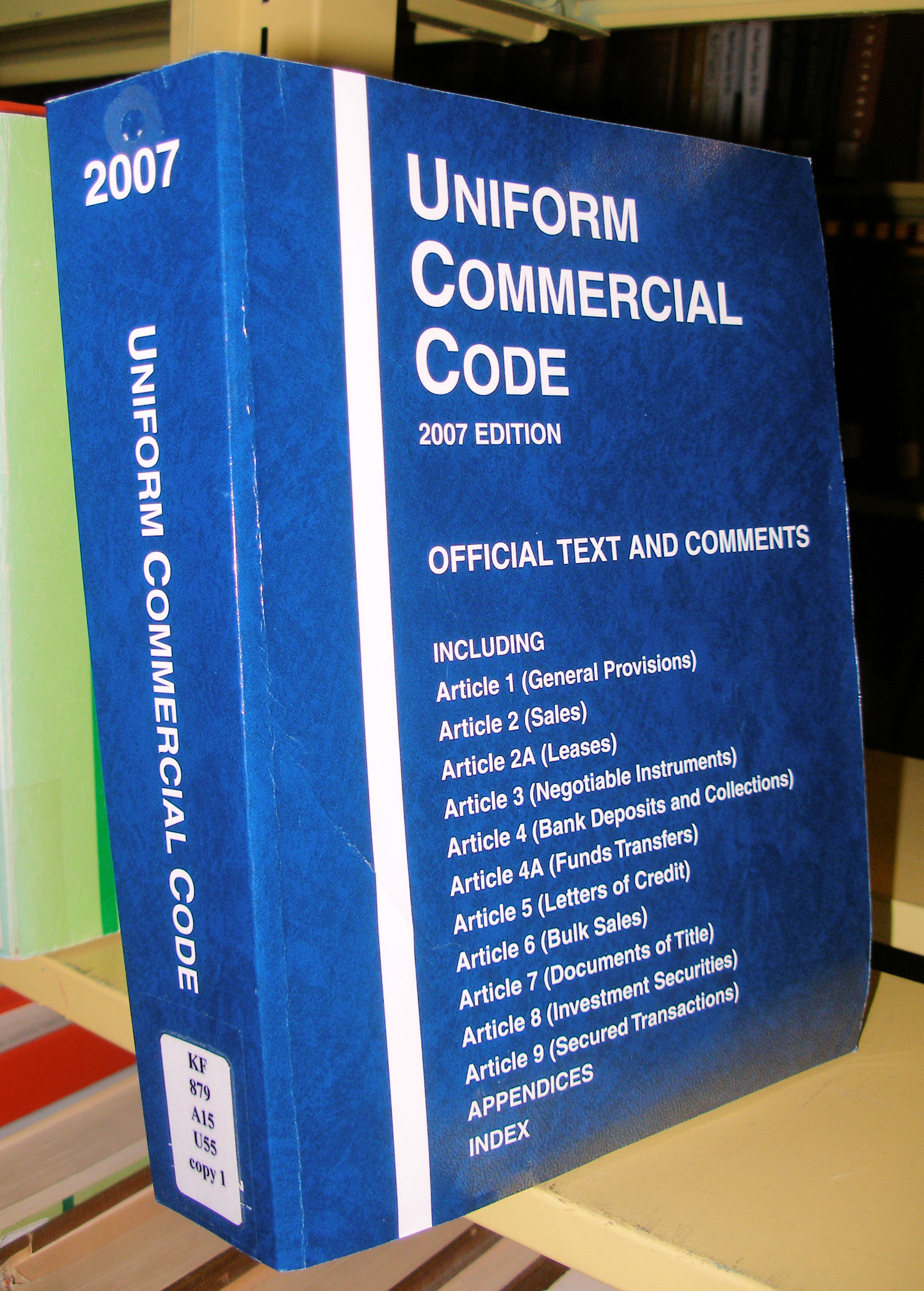
The legal frameworks governing these two realms are equally distinct. The Statute of Frauds requires real estate conveyance contracts to be in writing to be legally enforceable. Oral agreements to sell land are void in the eyes of the court. Conversely, The Uniform Commercial Code regulates the transfer of personal property, providing a standardized set of rules for the sale of goods and chattel across state lines.
Summary Comparison of Conveyance
| Property Type | Legal Classification | Conveyance Document | Governing Law |
|---|---|---|---|
| Real Property | Land, permanent improvements, appurtenances, fructus naturales | Deed (Requires formal legal description) | Statute of Frauds (Must be in writing) |
| Personal Property | Chattel, personalty, trade fixtures, emblements | Bill of Sale | Uniform Commercial Code (UCC) |
Understanding the precise differences in these conveyances ensures that when the keys are finally handed over, the buyer receives exactly what they paid for—no less, and no more.