MA Landlord-Tenant Law & Rentals
Not sure you’re ready?
Take the ~3-minute readiness diagnostic and see where you stand.
When a landlord hands a set of keys to a tenant, they are not merely granting access to a physical structure; they are transferring temporary dominion over a piece of the Earth. In Massachusetts, this transfer is governed by a profoundly strict legal architecture designed to correct the inherent power imbalance between property owners and renters. For a real estate salesperson, understanding this architecture is not just about passing an exam—it is about keeping your clients out of court. Massachusetts heavily favors the tenant, and a landlord’s failure to observe exact statutory procedures transforms routine management errors into devastating financial liabilities.

We are going to dissect the life cycle of a tenancy, from the precise arithmetic of move-in costs to the thermodynamics of habitability, and finally to the strict mechanics of eviction and short-term rentals.
Imagine a landlord attempting to mitigate every conceivable risk by front-loading fees. They want a security deposit, a cleaning fee, a pet fee, and perhaps an "administrative" fee. In many states, the free market governs this. In Massachusetts, it is explicitly illegal.
A Massachusetts landlord may only charge a new tenant for four exact things at the inception of a tenancy:
- The first month's rent
- The last month's rent
- A security deposit (which absolutely cannot exceed the equivalent of one month's rent)
- The cost of a new lock and key

Crucial Rule: A Massachusetts landlord cannot charge a pet fee or cleaning fee at the beginning of a residential tenancy. Any attempt to disguise extra move-in capital under creative names violates state law.
Furthermore, cash transactions require immediate documentation. A Massachusetts landlord must provide a tenant with a receipt immediately upon receiving any rent paid in cash.
Think of a security deposit not as the landlord's money, but as radioactive material held in trust. It is highly regulated, and mishandling it causes catastrophic legal fallout. A Massachusetts tenant's security deposit remains the property of the tenant and is legally protected from the landlord's creditors. Even if the landlord declares bankruptcy, the tenant's deposit remains untouched.
Because it is the tenant's money, a Massachusetts landlord must deposit a tenant's security deposit into a separate bank account. It cannot be commingled with operating funds. Furthermore, this Massachusetts security deposit must be held in an interest-bearing bank account, and the bank holding the funds must be located within the Commonwealth of Massachusetts.
The Dual-Receipt System
The moment a security deposit changes hands, the clock starts ticking on strict documentation requirements:
- The Immediate Receipt: A Massachusetts landlord must provide a tenant with a receipt immediately upon receiving a security deposit. This receipt must include the exact amount, the date received, its intended use, the name of the person receiving the money, and a description of the property.
- The 30-Day Receipt: Once the money is banked, the landlord must provide the tenant with a second receipt within thirty days of receiving the funds. This thirty-day Massachusetts security deposit receipt must indicate the bank name, the bank location, and the specific account number where the funds are held.
The Mathematics of Interest
If a Massachusetts landlord holds a security deposit for one year or longer, they must pay the tenant annual interest. The required interest rate for a Massachusetts security deposit is five percent per year or the actual rate paid by the bank, whichever is less.
This rule also applies to prepaid rent: a Massachusetts landlord must pay annual interest on a tenant's last month's rent if the landlord holds the funds for one year or longer. If a landlord neglects to cut this annual interest check, the law empowers the tenant to balance the ledger themselves: a Massachusetts tenant may deduct unpaid security deposit or last month's rent interest from their next rent payment if the landlord fails to pay the annual interest.
The Statement of Condition
To scientifically measure changes in the property, the law requires a baseline. A Massachusetts Statement of Condition describes the physical condition of the rental property and lists any existing damage at the start of the tenancy.
A Massachusetts landlord must provide a written Statement of Condition to a tenant upon receiving a security deposit. If the statement was not provided exactly upon receiving the deposit, a Massachusetts landlord must provide it within ten days after a tenancy begins. Once handed over, a Massachusetts tenant has exactly fifteen days from receiving the Statement of Condition to either agree with the statement or submit a separate, amended list of existing damages.
End of Tenancy: The 30-Day Window and Treble Damages
When the tenancy ends, the landlord's accounting must be swift and precise. A Massachusetts landlord must return a tenant's security deposit, minus any lawful deductions, within thirty days after the end of the tenancy.
Lawful Deductions: A Massachusetts landlord may deduct unpaid rent, unpaid taxes, and the cost of repairing damage caused by the tenant from a security deposit. Unlawful Deductions: A Massachusetts landlord cannot deduct the cost of repairing normal wear and tear from a tenant's security deposit. The natural degradation of a home through ordinary human living is the cost of doing business.
If the landlord retains any portion of the deposit for damages, a Massachusetts landlord must provide an itemized list of damages sworn under the pains and penalties of perjury.
Why does all this exactitude matter? Because a Massachusetts landlord who improperly handles a security deposit may be liable to the tenant for treble damages (three times the deposit amount), court costs, and attorney's fees. Furthermore, the administrative burden outlasts the tenant: a Massachusetts landlord must retain security deposit records for two years after the end of a tenancy.
The Massachusetts State Sanitary Code establishes the minimum legal standards of fitness for human habitation in residential properties. You cannot contract out of human biology; therefore, landlords must provide environments capable of sustaining life comfortably.
Heating Requirements
The State Sanitary Code heating season runs continuously from September 15th through May 31st. However, micro-climates matter, and a Massachusetts local Board of Health has the authority to alter the start and end dates of the heating season for its specific jurisdiction.
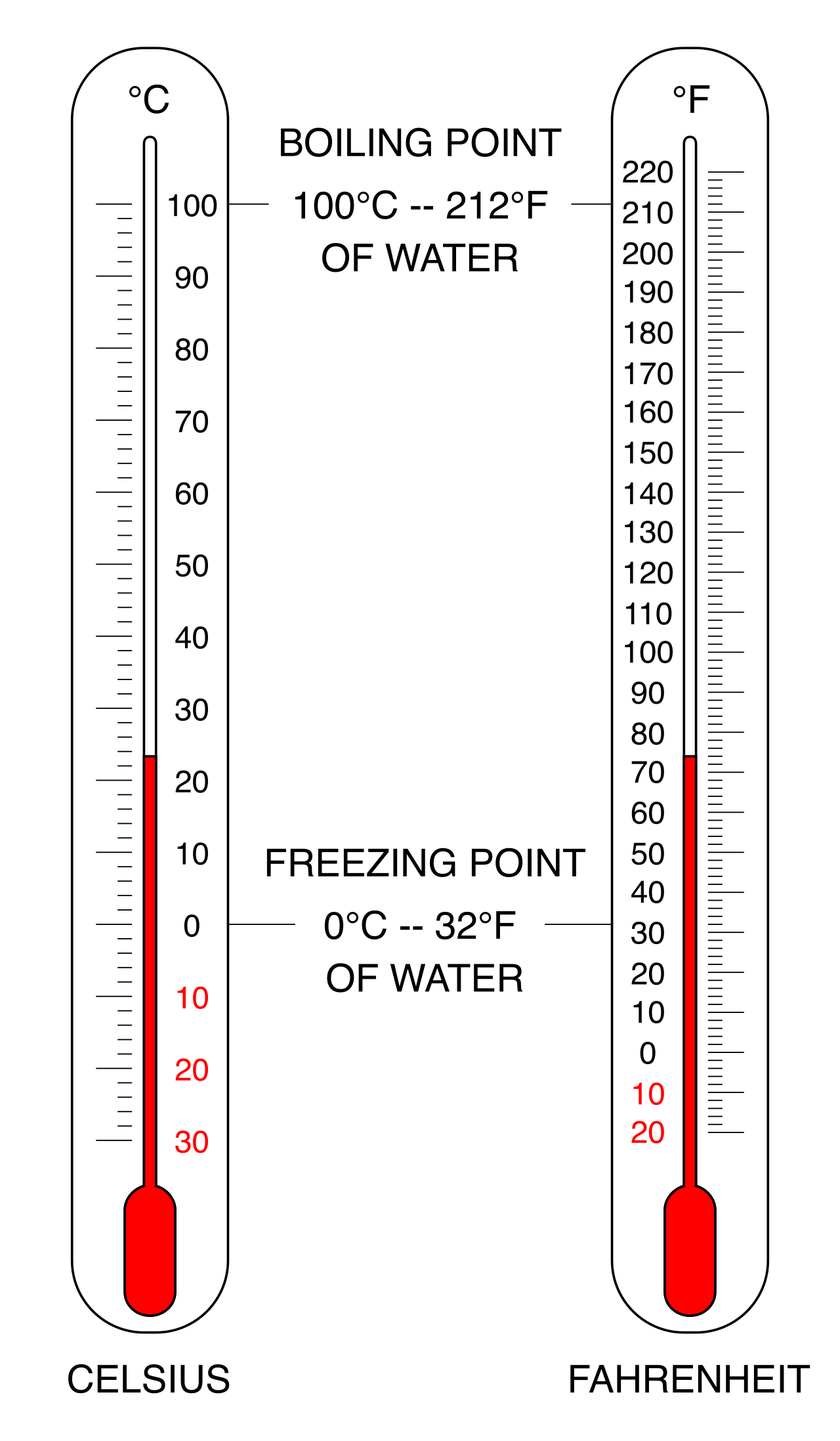
During the heating season, landlords must guarantee specific thermodynamic baselines:
| Time of Day | Minimum Required Temperature |
|---|---|
| 7:00 AM – 11:00 PM | At least 68 degrees Fahrenheit |
| 11:01 PM – 6:59 AM | At least 64 degrees Fahrenheit |
Maximum Limit: The Massachusetts State Sanitary Code prohibits heating systems from causing any room to exceed 78 degrees Fahrenheit.
Utilities and Metering
A Massachusetts landlord is legally responsible for paying the heating fuel and electricity for a rental unit by default. The exception? A Massachusetts tenant can be held responsible for paying their own heating fuel and electricity if explicitly agreed upon in a written lease.
However, there is a physical constraint: a Massachusetts landlord cannot require a tenant to pay for electricity or gas unless the tenant's unit is separately metered. You cannot force a tenant to pay a fraction of a master bill based on square footage estimates.
Essential Appliances
The Massachusetts State Sanitary Code requires landlords to provide a kitchen sink, cooktop, oven, and refrigerator by default. A Massachusetts landlord is only exempt from providing these kitchen appliances if a written rental agreement explicitly requires the tenant to provide them.
Snow Removal and Extermination
Responsibility shifts depending on the geometry of the building—multi-unit vs. single-family.
Snow Removal: A Massachusetts landlord is generally responsible for snow removal from common areas and exterior exits. However, a Massachusetts tenant leasing an entire single-family home may be held responsible for snow removal if stated in a written lease.
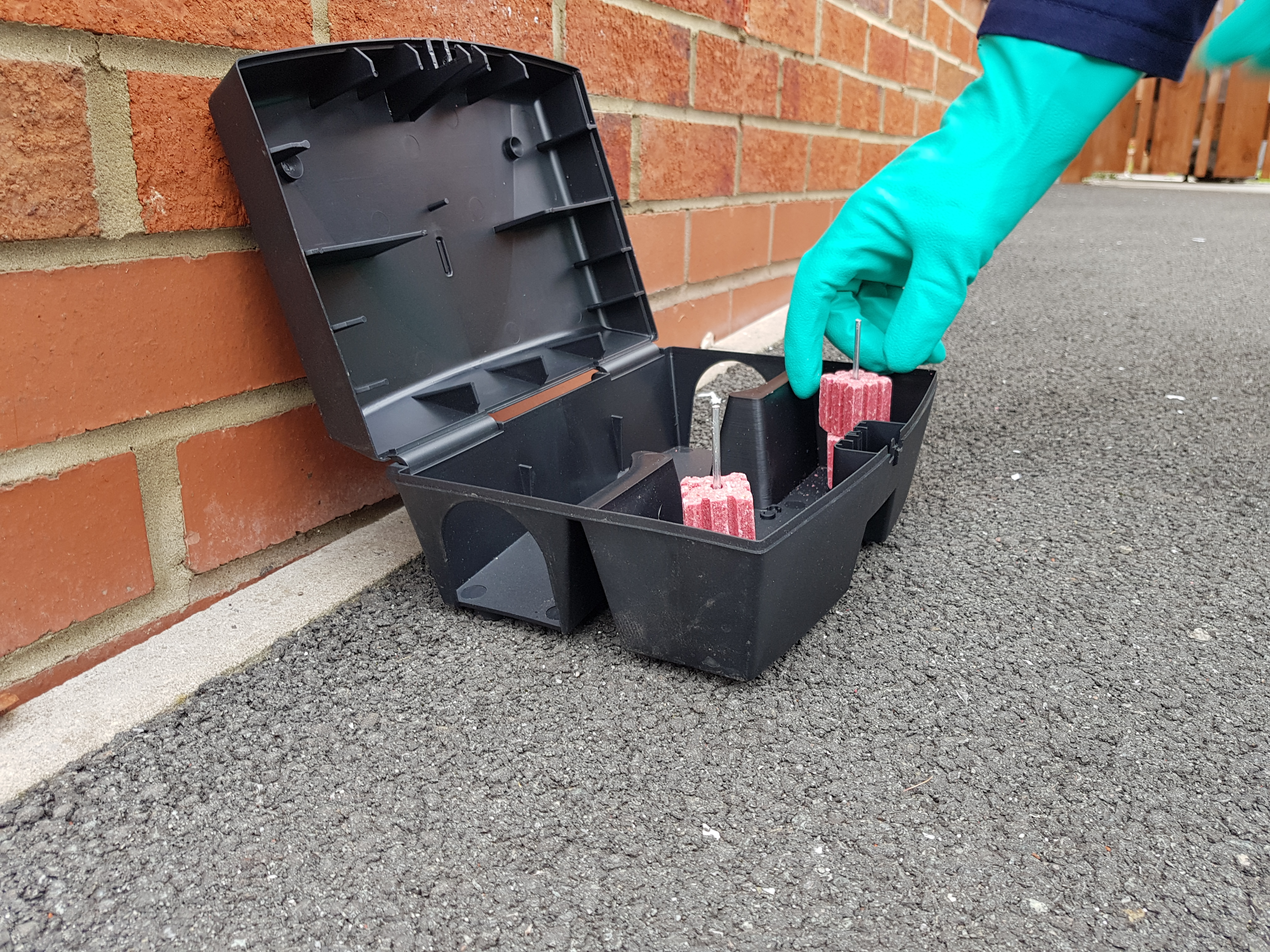
- Multi-Unit: A Massachusetts landlord is responsible for exterminating insects and rodents in a residential building with two or more units.
- Single-Family: A Massachusetts landlord is responsible for exterminating pests in a single-family home if the infestation existed prior to the tenant taking occupancy. Conversely, a Massachusetts tenant in a single-family home is responsible for exterminating insects and rodents if the infestation begins after occupancy.
When the legal relationship breaks down, the dissolution must follow strict statutory timelines. A Massachusetts landlord cannot legally perform a self-help eviction by changing the locks or removing a tenant's belongings without a court order. The legal system must be utilized.
To begin the eviction process for non-payment of rent, a Massachusetts landlord must serve a tenant with a fourteen-day Notice to Quit.
For tenancies without a fixed end date, a Massachusetts landlord must provide a notice period of at least thirty days to terminate a tenancy at will. There is a proportional caveat: if the rental period for a Massachusetts tenancy at will is longer than thirty days (for example, rent is paid every 45 days), the termination notice must equal the length of the rental period.
The modern landscape of real estate includes Airbnb, VRBO, and vacation cottages. Massachusetts defines a short-term rental as an occupied property that is not a hotel or lodging house, rented for thirty-one or fewer consecutive days.
To bring these transactions into the light, Massachusetts short-term rental operators must register their rental properties with the Massachusetts Department of Revenue. Once registered, Massachusetts requires short-term rental operators to collect and remit state and local room occupancy excise taxes.
There is a precise carve-out for the casual host: a Massachusetts short-term rental property rented for fourteen or fewer days in a calendar year is exempt from collecting room occupancy excise taxes. However, do not confuse tax exemption with bureaucratic invisibility—a Massachusetts short-term rental property rented for fourteen or fewer days in a calendar year must still be registered with the state.
Finally, because high turnover introduces high risk, Massachusetts short-term rental operators must maintain at least one million dollars ($1,000,000) in liability insurance to cover each short-term rental. Conveniently for operators utilizing modern technology, a Massachusetts short-term rental operator may satisfy the liability insurance requirement through a master policy provided by a hosting platform.