MI Agency — Designated Agency, Dual Agency & the Transaction Coordinator
Not sure you’re ready?
Take the ~3-minute readiness diagnostic and see where you stand.
In the complex mechanics of property transfer, representing a client’s financial interests requires absolute clarity about who is legally bound to work for whom. The fundamental question underlying every real estate showing, negotiation, and signed contract is not about the physical structure of a house; it is about the invisible lines of allegiance that dictate your professional behavior. In Michigan, these allegiances are strictly legislated under the Occupational Code (Article 25). The state does not permit consumers to guess whose side you are on, nor does it allow licensees to operate as free agents. To master Michigan agency law, you must understand the legal architecture of the brokerage, the precise moment a consumer must be warned about your loyalties, and the structural variations of representation you will use every single day.
To understand your role in a real estate transaction, you must first understand your relationship with your broker. The law views a brokerage not as a loose collective of independent contractors, but as a rigid hierarchy with the employing broker at the apex.
As a new licensee, a Michigan real estate salesperson can only hold one active license with one employing broker at a time. You are functionally an extension of this entity. Consequently, a Michigan real estate salesperson acts as an agent of their employing broker, tasked with carrying out the broker’s duties to the public.
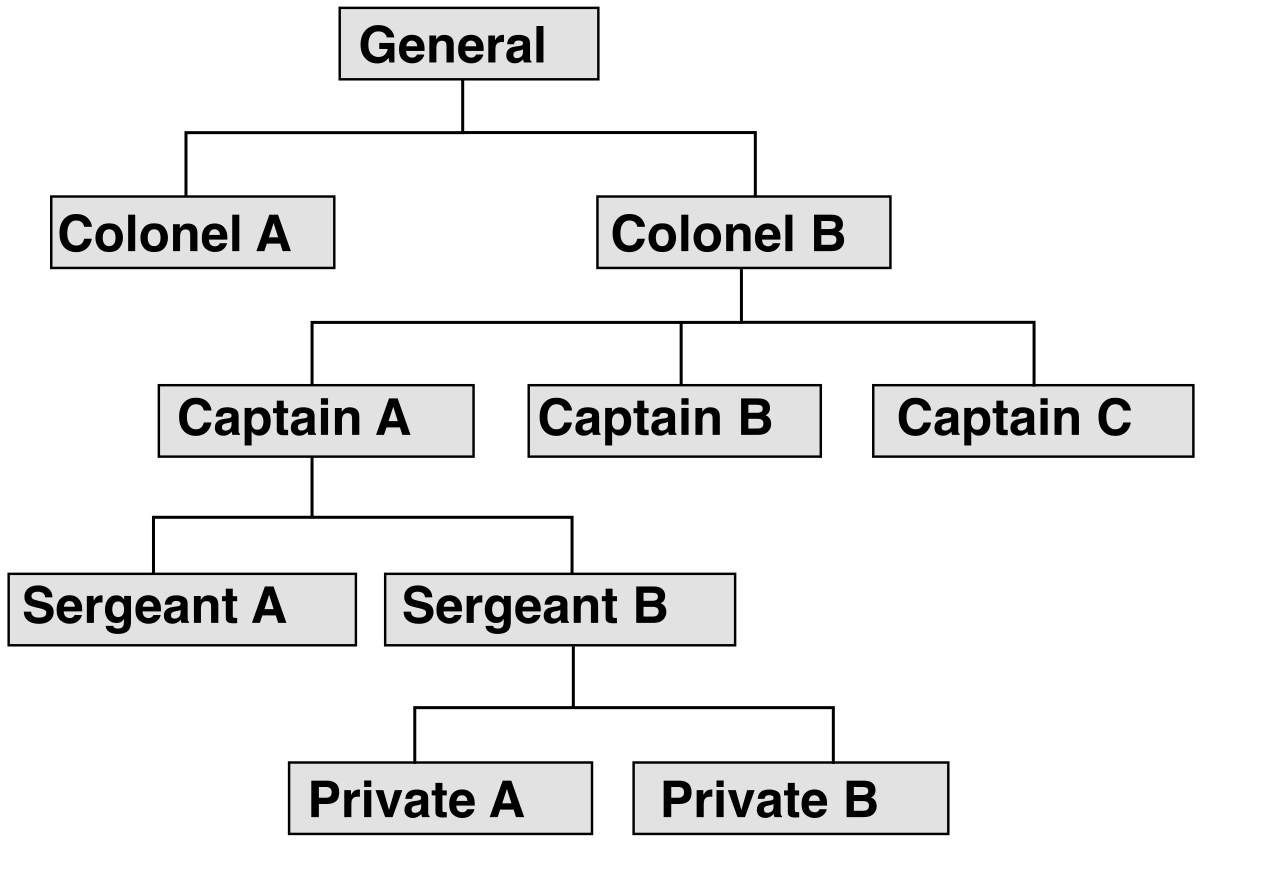
Because of this strict chain of command, all real estate activities performed by a Michigan salesperson must be conducted under the name and supervision of their employing broker. This hierarchy extends directly to how money changes hands. To prevent side deals and ensure broker oversight, a Michigan real estate salesperson cannot accept compensation directly from a client. Instead, a Michigan real estate salesperson must receive all compensation directly from their employing broker. If a client attempts to hand you a $1,000 bonus check at the closing table for your hard work, you must refuse it and instruct them to direct all payments to your brokerage.
This hierarchical tether is strong, but it is not permanent. Should you decide to move your business to a different firm, the state maintains a strict digital chain of custody. If a Michigan real estate salesperson transfers to a new broker, the new broker must apply for the license transfer through the state licensing portal.
If the broker-salesperson relationship is the engine of your business, the service provision agreement is the fuel. By definition, a service provision agreement is a written contract establishing an agency relationship between a Michigan real estate broker and a client.
Notice the specific wording: the contract is between the broker and the client. Because you act merely as an agent of your broker, a Michigan service provision agreement is the property of the employing broker rather than the individual salesperson. If you leave your brokerage tomorrow, your listings do not automatically pack up and leave with you; they remain legally bound to your former broker.
There are two primary flavors of these contracts you will encounter daily:
- A listing agreement is a specific type of Michigan service provision agreement, utilized when representing a seller.
- A buyer agency agreement is a specific type of Michigan service provision agreement, utilized when representing a buyer.
To protect the public from perpetual, inescapable contracts, Michigan law dictates strict formatting requirements for these agreements:
- Definite Expiration: All Michigan service provision agreements must include a definite expiration date. There can be no ambiguity about when the contract ends.
- No Auto-Renewals: Michigan law prohibits the use of automatic renewal clauses in service provision agreements. A contract cannot contain a clause stating, "This agreement will automatically renew for 30 days unless canceled." If a client wishes to extend the relationship, a new agreement or a written extension must be signed.
- Civil Rights Compliance: Real estate is a highly regulated public accommodation. All Michigan service provision agreements must contain an anti-discrimination clause compliant with the Elliott-Larsen Civil Rights Act. This landmark Michigan law protects classes such as age, marital status, and weight, in addition to federal protections.

Imagine a prospective buyer walks into an open house. They love the property, and in their excitement, they turn to you and say, "I'm pre-approved for $400,000, but I'm going through a messy divorce and I must secure a home by next week."
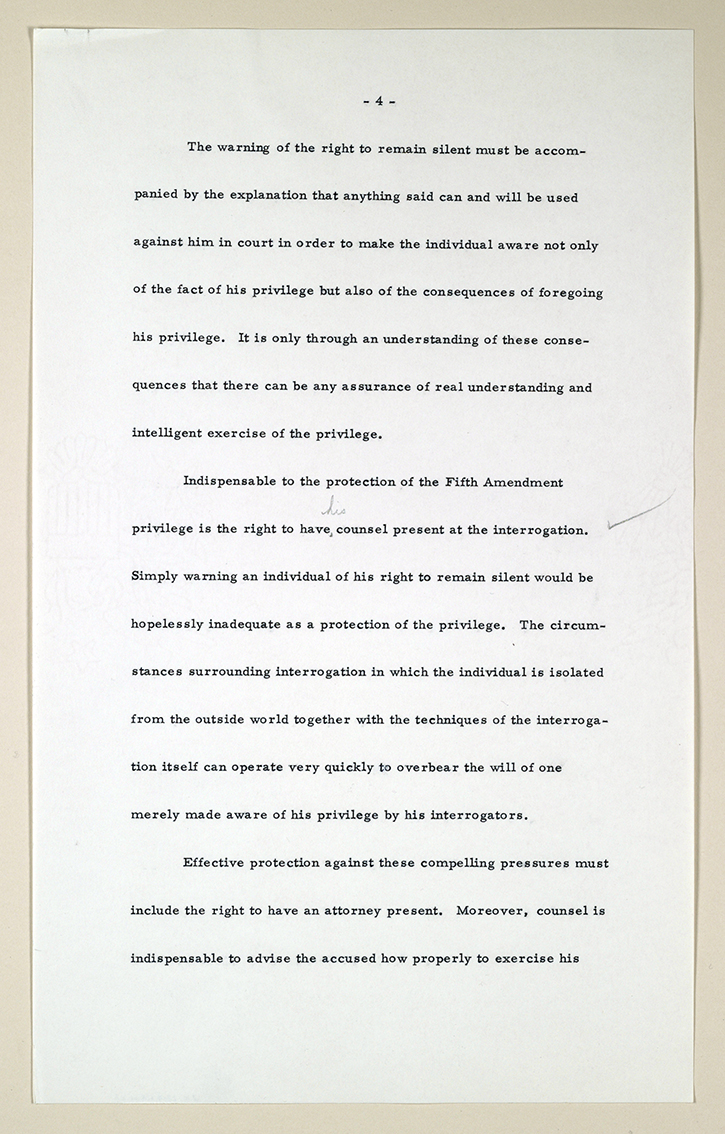
If you are the seller's agent, the buyer has just made a catastrophic error. You are legally bound to share that vital negotiating intelligence with your seller. To prevent this exact scenario, Michigan enforces a strict "Miranda Rights" equivalent for real estate.
Michigan law requires real estate licensees to provide a written agency disclosure to a prospective buyer or seller.
The Rule of Timing
The most critical aspect of this disclosure is when it occurs. The Michigan agency disclosure form must be provided before a prospective buyer or seller discloses any confidential information to a licensee. You must interrupt a consumer who is about to overshare and hand them this document.
The Nature of the Document
Do not confuse the disclosure with a contract.
- The Michigan agency disclosure form is a required notification rather than a binding contract.
- Merely handing a consumer this paper and explaining it does not create an agency relationship between a licensee and a consumer. It simply informs the consumer of their legal options (seller's agent, buyer's agent, dual agent, or transaction coordinator) and indicates whom you currently represent in the context of that specific property.
- To prove you fulfilled your legal duty, a Michigan real estate licensee must obtain the signature of the potential client acknowledging receipt of the agency disclosure form.
Exam Tip: If a question asks how an agency relationship is formed, the answer is a Service Provision Agreement. If a question asks how the public is warned about who represents whom, the answer is the Agency Disclosure.
Michigan allows multiple frameworks for handling a real estate transaction. As an engaging professional, you must know how to adapt your legal role to the situation at hand.
1. Dual Agency: Walking the Tightrope
Dual agency occurs when a real estate broker or salesperson represents both the buyer and the seller in the same transaction.
Because of the extreme conflict of interest (the seller wants the highest price, the buyer wants the lowest), Michigan law permits dual agency only with the informed and written consent of all parties to the transaction.
When you act as a dual agent, you are essentially put in a legal straitjacket regarding negotiations. You must abandon your role as an advocate and become a neutral mediator. The law mandates three strict prohibitions:
- A dual agent in Michigan cannot disclose to the buyer that the seller will accept a price lower than the asking price.
- A dual agent in Michigan cannot disclose to the seller that the buyer will pay a price higher than the offered price.
- A dual agent in Michigan must not disclose any confidential information about either party without written permission.
2. Designated Agency: The Internal Firewall
Historically, if an agent at a large 500-agent brokerage represented a seller, and a completely different agent at the same brokerage represented the buyer, the entire brokerage was forced into a dual agency situation. This was cumbersome and legally risky. Michigan solved this by authorizing Designated Agency.
Designated agency is a Michigan brokerage arrangement where a broker names specific agents to represent specific clients.
Think of designated agency as building impenetrable firewalls between agents sitting at adjacent desks.
- A designated agency agreement in Michigan prevents other agents in the same brokerage from having an agency relationship with that specific client.
- Therefore, a designated agency arrangement allows two different agents in the same Michigan brokerage to represent opposing sides of a transaction without creating a dual agency at the agent level. Each client receives full, undivided fiduciary representation from their specific agent.
However, the employing broker sits above these firewalls. In a Michigan designated agency arrangement, the employing broker is considered a dual agent if their designated agents represent both the buyer and the seller in the same transaction. Because the broker oversees both sides, a Michigan broker must protect the confidential information of clients from unauthorized agents within the brokerage when employing a designated agency model. They cannot leave sensitive files sitting out where the opposing agent might see them.
3. The Transaction Coordinator: The Neutral Administrator
Sometimes, parties don't want or need representation; they just want a professional to handle the paperwork. Perhaps a buyer is purchasing a home directly from a relative, or you are writing an offer for a buyer on a "For Sale By Owner" property where the seller refuses to hire an agent.
Enter the Transaction Coordinator. A transaction coordinator is a Michigan real estate licensee who facilitates a transaction without acting as an agent for either the buyer or the seller.

Because there is no agency relationship, a Michigan transaction coordinator does not owe fiduciary duties to any party in the transaction. You are a neutral facilitator—much like a referee or a switchboard operator.
Consequently, a Michigan transaction coordinator cannot negotiate on behalf of the buyer or the seller. If a party asks, "What should I counteroffer?", you must reply, "I cannot advise you on price; I can only write down the number you choose."
Despite this lack of advocacy, you are not absolved of professional standards. A Michigan transaction coordinator must perform administrative tasks honestly and competently despite lacking an agency relationship. You must still fill out the forms correctly, route documents to title companies efficiently, and ensure the basic mechanics of the transfer are handled with professional care.
Summary Comparison: Representation Models
| Feature | Single Agency (Buyer or Seller) | Dual Agency | Designated Agency | Transaction Coordinator |
|---|---|---|---|---|
| Who is Represented? | One party exclusively. | Both parties simultaneously. | One party exclusively (by a specific agent). | Neither party. |
| Fiduciary Duties? | Yes, full advocacy. | Limited (neutral mediation). | Yes, full advocacy by the designated agent. | None. |
| Negotiation Allowed? | Yes, robustly. | No price/terms negotiation against either side. | Yes, against the other side. | No negotiation whatsoever. |
| Requires Written Consent? | Yes (Service Provision Agreement). | Yes (Informed Written Consent from all). | Yes (Designated Agency Agreement). | Yes (Status selected on Disclosure). |