NC Landlord-Tenant Law — Rental Agreements & Security Deposits
Not sure you’re ready?
Take the ~3-minute readiness diagnostic and see where you stand.
The foundation of property management in North Carolina rests on a profound, non-negotiable exchange: the transfer of a habitable space for strictly regulated financial consideration. A real estate broker stepping into this dynamic does not merely collect rent; they assume a rigid fiduciary architecture dictated by state statute. Mastering this framework requires understanding the precise legal tension between a landlord's absolute duty to maintain a property, a tenant's behavioral obligations, and a broker's uncompromising mandate to protect the funds entrusted to them.
In physics, you cannot negotiate with gravity. In North Carolina property management, you cannot negotiate with the Residential Rental Agreements Act.

This law establishes a foundational rule: the North Carolina Residential Rental Agreements Act requires landlords to provide fit and habitable premises. You cannot contract your way out of this. A North Carolina landlord's legal duty to provide fit and habitable premises cannot be waived by any lease terms—even if the tenant explicitly agrees to rent the unit "as-is."
What does "fit and habitable" actually mean in practice? The law is incredibly specific. North Carolina landlords must:
- Comply with all current building codes.
- Comply with all current housing codes.
- Maintain all electrical systems in good working order.
- Maintain all plumbing systems in good working order.
- Maintain heating systems in good working order.
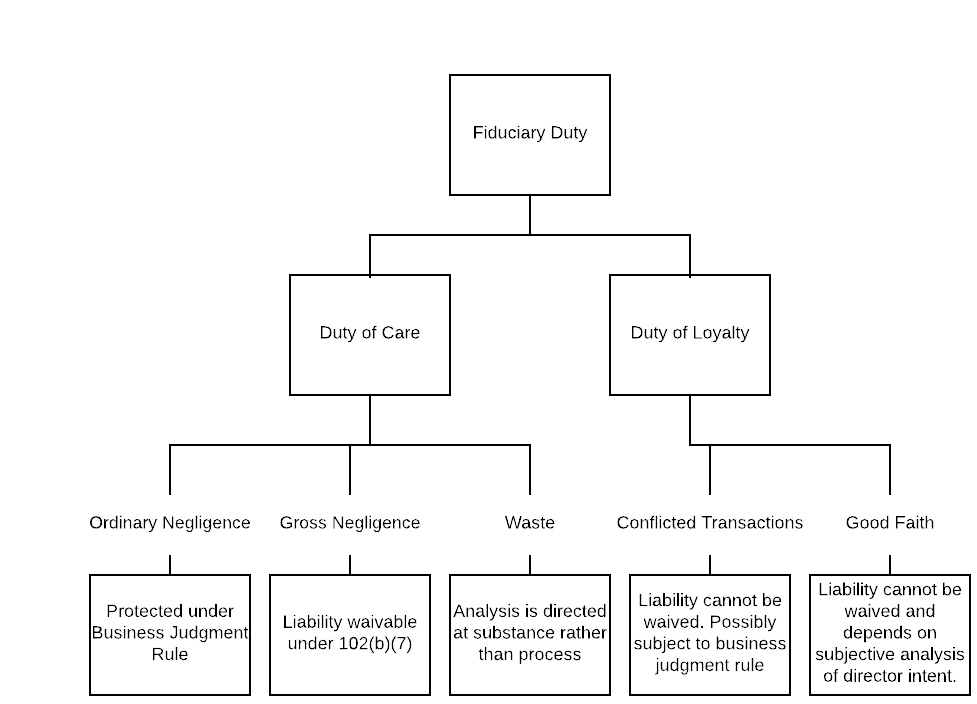
- Maintain air conditioning systems in good working order (if AC is provided).
The Alarm Battery Dance
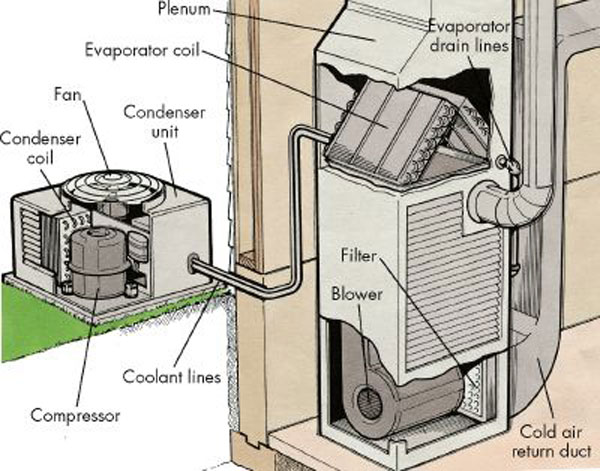
Life safety equipment operates on a strict timeline of responsibility. North Carolina landlords must provide operable smoke alarms in residential rental properties. Furthermore, if the property contains fossil-fuel appliances (like a gas stove or furnace), North Carolina landlords must provide operable carbon monoxide alarms in rental properties.
Who keeps them powered? The state divides the labor right at the threshold of move-in:
- The Landlord's Duty: North Carolina landlords are required to install new batteries in smoke alarms at the beginning of a tenancy. Likewise, North Carolina landlords are required to install new batteries in carbon monoxide alarms at the beginning of a tenancy.
- The Tenant's Duty: North Carolina tenants are responsible for replacing batteries in smoke alarms during the course of the tenancy, as well as replacing batteries in carbon monoxide alarms during the course of the tenancy.
The Tenant's Side of the Equation
Habitability is a two-way street. While the landlord provides the mechanical baseline, the tenant must not destroy the environment. North Carolina tenants must keep the leased premises safe and keep the leased premises clean. When they generate waste, North Carolina tenants must dispose of all garbage in a safe manner, and dispose of all garbage in a clean manner.
Imagine a scenario you will see constantly: the HVAC system dies in July. The tenant is furious and threatens to stop paying rent until the air conditioning is fixed.
Can they do this? Absolutely not. North Carolina tenants cannot unilaterally withhold rent due to a landlord's failure to make property repairs. Rent withholding is not a do-it-yourself remedy; a North Carolina tenant can only withhold rent legally if authorized by a court order.
Conversely, the landlord cannot punish a vocal tenant. If a tenant repeatedly demands the HVAC be fixed, North Carolina law strictly prohibits landlords from evicting a tenant in retaliation for the tenant requesting repairs.
When a tenant moves in, they hand over a security deposit. This is not the landlord's bonus money; it is the tenant's money held in trust against future defaults. The North Carolina Tenant Security Deposit Act rigidly limits how much you can take, where you can put it, and what you can spend it on.
Statutory Deposit Limits
The maximum amount you can collect scales mathematically with the duration of the lease.
| Lease Term | Maximum Permitted Security Deposit |
|---|---|
| Week-to-week | The North Carolina Tenant Security Deposit Act limits security deposits for week-to-week tenancies to two weeks' rent. |
| Month-to-month | The North Carolina Tenant Security Deposit Act limits security deposits for month-to-month tenancies to one and a half months' rent. |
| Longer than month-to-month (e.g., an annual lease) | The North Carolina Tenant Security Deposit Act limits security deposits for leases longer than month-to-month to two months' rent. |
Where Does the Money Go? Bonds vs. Trust Accounts
If a property owner is managing their own duplex without a license, an unrepresented North Carolina landlord can use a bond to secure tenant security deposits.
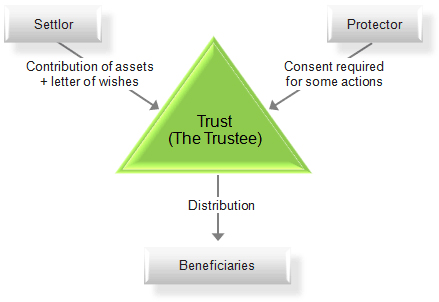
However, as a licensed professional, you operate under stricter physics. North Carolina real estate brokers managing rental property cannot use a bond to secure tenant security deposits. Instead, North Carolina real estate brokers managing rental property must deposit all tenant security deposits into a designated trust account.
Permitted Deductions (And the Wear-and-Tear Trap)
When the tenant moves out, what can you deduct from their deposit?
- Allowed: North Carolina tenant security deposits may be used to cover unpaid rent.
- Allowed: North Carolina tenant security deposits may be used to repair property damage beyond normal wear and tear.
- Allowed: North Carolina tenant security deposits may be used to cover unpaid utility bills left by the tenant.
The Golden Rule of Deductions: North Carolina tenant security deposits cannot be used to cover normal wear and tear on the property. Faded paint, worn carpet traffic patterns, or minor scuffs are the cost of doing business as a landlord, not a bill for the departing tenant.
The Ticking Clock of Accounting
When the tenant hands back the keys, a statutory timer begins.
- 30-Day Rule: North Carolina landlords must provide an itemized accounting of security deposit deductions within 30 days of the tenancy termination. Simultaneously, a North Carolina landlord must refund any unused portion of a security deposit within 30 days of the tenancy termination.
- The Interim Exception: What if a tenant punches a hole in the wall, and the contractor can't finish the repair or provide the final invoice within 30 days? A North Carolina landlord may issue an interim security deposit accounting within 30 days of the tenancy termination. However, an interim security deposit accounting is only permitted in North Carolina if the exact repair costs cannot be determined within 30 days.
- The Final Deadline: If you issued an interim accounting, a North Carolina landlord must provide a final security deposit accounting within 60 days of the tenancy termination.
Pet Fees and Legally Protected Animals
Many landlords fear the damage pets can cause. To offset this risk, North Carolina landlords may charge a reasonable, non-refundable pet fee.
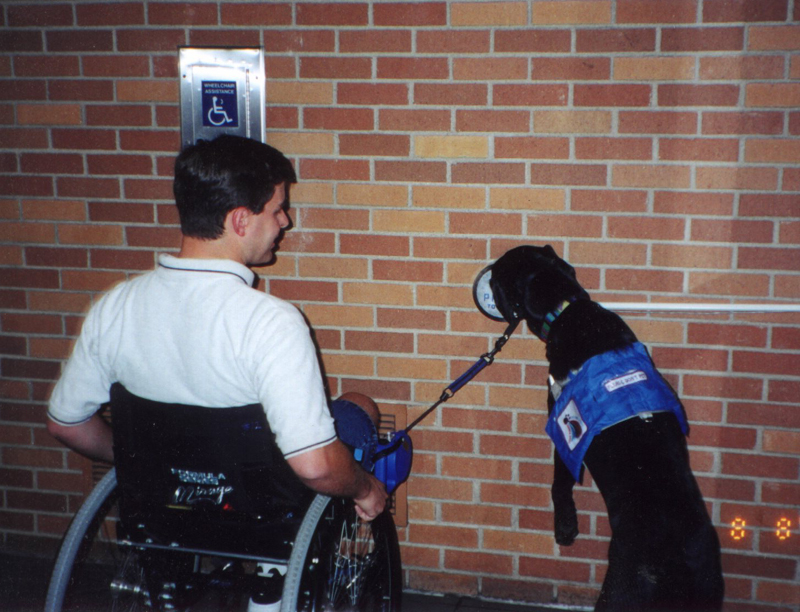
Notice the word pet. A disabled individual's guide dog is not a pet; it is a life-saving tool. Consequently, North Carolina landlords cannot charge a pet fee for legally protected service animals. Likewise, North Carolina landlords cannot charge a pet fee for legally protected assistance animals (such as emotional support animals verified by a medical professional).
The Math of Late Rent Fees
When a tenant misses rent, the penalties are capped by a strict statutory formula. You cannot arbitrarily charge a $50 late fee.
First, a grace period applies: North Carolina landlords can only charge a late fee if the rent is at least five days late. Once the rent is five days late, the fee depends on the size of the rent:
- North Carolina landlords can charge a maximum late rent fee of $15 if that amount is greater than 5% of the monthly rent.
- North Carolina landlords can charge a maximum late rent fee of 5% of the monthly rent if that amount is greater than $15.
(Example: If rent is $1,000, 5% is $50. Since $50 is greater than $15, the max late fee is $50. If rent is $200, 5% is $10. Since $15 is greater than $10, the max late fee is $15.)
Breaching the Lease and the Duty to Mitigate
If a tenant breaks a 12-month lease in month three and abandons the property, the landlord cannot simply sit back, leave the property empty, and sue the tenant for the remaining nine months of rent. A North Carolina landlord must make a reasonable effort to re-rent the property to mitigate damages if a tenant breaches the lease.
When the landlord-tenant relationship fails entirely, there is only one legal pathway to reclaim the property. Summary ejectment is the exclusive legal eviction process in North Carolina.
The Absolute Prohibition on "Self-Help"
Landlords are often tempted to take matters into their own hands. The law forbids this with extreme prejudice. North Carolina strictly prohibits self-help eviction methods.
- A North Carolina landlord cannot legally change the locks to remove a residential tenant.
- A North Carolina landlord cannot legally shut off utilities to force a residential tenant to vacate.
The Judicial Process
Instead of vigilantism, landlords must follow a defined judicial sequence:
- Filing: Summary ejectment lawsuits in North Carolina are filed in small claims court.
- The Hearing: Summary ejectment lawsuits in North Carolina are heard by a magistrate.
- The Appeal Period: If the magistrate rules for the landlord, the tenant is not immediately thrown out. A North Carolina tenant has 10 days to appeal a magistrate's summary ejectment decision.
- The Writ: Once the appeal period expires, a North Carolina landlord obtains a Writ of Possession to legally finalize a summary ejectment.
- The Execution: The landlord still cannot physically remove the tenant. Only the county sheriff can execute a Writ of Possession to physically remove a North Carolina tenant.
Brokers operate under the stringent oversight of the North Carolina Real Estate Commission. When you manage property, you are handling OPM—Other People's Money. The rules here are unforgiving.
The Property Management Agreement
Your authority to act must be established immediately and explicitly. North Carolina real estate rules require all property management agreements to be in writing from the inception of the relationship. To be perfectly clear: North Carolina property management agreements cannot be oral at any time.
This document serves as your operational blueprint. By law, a North Carolina real estate property management agreement must explicitly specify the management fee structure. Furthermore, a North Carolina real estate property management agreement must define the broker's authority to handle security deposits.
The Trust Account Mandate
When a broker touches client funds, those funds must be completely insulated from the brokerage's operating cash. A North Carolina broker must deposit all trust monies into a designated trust account.
Where must this account live?
- North Carolina real estate trust accounts must be located in a federally insured depository institution.
- North Carolina real estate trust accounts must be housed in a depository institution lawfully doing business in North Carolina.
- To prevent the bank from seizing tenant funds to cover the brokerage's debts, North Carolina tenant security deposit trust accounts must be clearly designated as a trust or escrow account in the bank records.
The Timeline of Deposit and the Broker-in-Charge
When rent or deposits arrive, the clock starts ticking.
- A North Carolina broker must deposit tenant security deposits into a trust account within three banking days following receipt.
- Similarly, a North Carolina broker must deposit rent payments into a trust account within three banking days following receipt.
If you are a provisional broker, you are essentially a supervised apprentice. You do not hold onto checks. A North Carolina provisional broker must immediately deliver all received trust monies to their broker-in-charge.
Why? Because the buck stops with the firm's leadership. The broker-in-charge is ultimately responsible for the supervision of a North Carolina real estate trust account, and the broker-in-charge is ultimately responsible for the management of a North Carolina real estate trust account.

Operational Buffer and Records
Banks charge service fees (check printing, monthly maintenance). You cannot use tenant money to pay these fees. Therefore, North Carolina brokers may keep up to $100 of personal or company money in a trust account to cover bank service charges.
Finally, the Commission demands a paper trail. A North Carolina broker must maintain trust account records for three years. If an auditor walks into your firm, you must be able to prove, to the penny, whose money is sitting in that account and exactly how it has been handled over the last 36 months.