NJ Disclosures, Consumer Fraud & the Consumer Protection Enhancement Act
Not sure you’re ready?
Take the ~3-minute readiness diagnostic and see where you stand.
A real estate transaction is fundamentally an exercise in information asymmetry. The seller knows the basement floods every spring; the buyer only sees a freshly painted floor. As a New Jersey real estate licensee, your legal and ethical mandate is to bridge that gap. You are not merely a matchmaker of buyers and properties; you are a strict steward of facts. The New Jersey Real Estate Commission, the Consumer Fraud Act, and the recent Consumer Protection Enhancement Act all converge on one governing principle: the consumer must know exactly what they are buying, and exactly who is representing them, before they sign on the dotted line.

Here is how New Jersey law engineers transparency in the marketplace.
Underneath the paint and drywall, every house is a system of physical facts. Sellers must accurately disclose material information about the physical condition of the property.
To formalize this, the law requires a property condition disclosure statement, which is a formal document detailing known defects of a residential property. Recently, the Real Estate Consumer Protection Enhancement Act made this standard even stricter: the Act mandates that sellers provide a fully completed property condition disclosure statement, and this mandatory property condition disclosure statement must be provided before buyers are legally bound by a sales contract.
Material vs. Latent Defects
The seller's disclosure obligation applies specifically to material defects that are not readily apparent to a prospective buyer.
A material defect is a significant issue that would affect an ordinary buyer's decision to purchase a property, or an issue that would significantly affect the price a buyer is willing to pay for a property.
But what about the things nobody can see? A cracked foundational beam hidden behind a finished basement wall is a latent defect—hidden structural issues that are not discoverable by an ordinary visual inspection. Sellers must proactively disclose known latent defects to prospective buyers.
The Licensee’s Independent Duty
You, the real estate licensee, owe an independent duty to disclose all known material defects to prospective buyers. You must proactively disclose known latent defects to prospective buyers as well.
You cannot hide behind a seller's silence. If a seller explicitly requests that the defect information be kept confidential, you must disobey that request—licensees must disclose material defects even if the seller demands secrecy. Your duty to the truth supersedes your duty of confidentiality regarding physical defects.
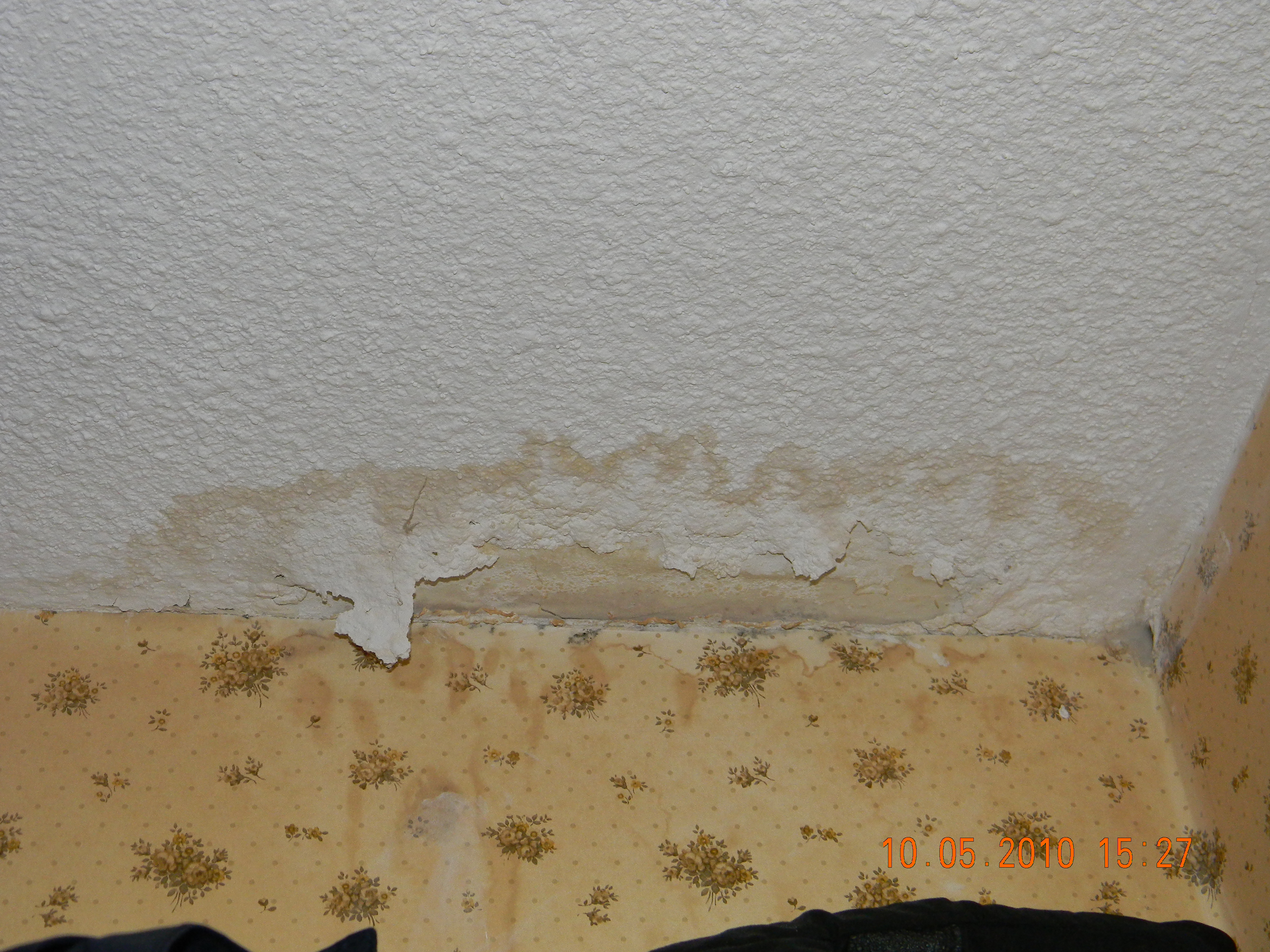
Furthermore, you are not only liable for failing to disclose a material defect if you knew about the issue; a licensee is liable for failing to disclose a material defect if the licensee should have reasonably known about the issue. If there is a massive water stain on the ceiling, you cannot simply look away and claim ignorance of a roof leak.
The New Jersey Consumer Fraud Act (CFA) is the ultimate hammer in consumer protection. The CFA applies strictly to the business practices of real estate licensees, explicitly prohibiting deceptive business practices in connection with the sale of real estate, as well as fraudulent advertisements regarding real estate.
The CFA draws a vital distinction between what you say and what you fail to say:
| Violation Type | Definition & Liability Standard | CFA Requirement for Liability |
|---|---|---|
| Affirmative Misrepresentation | A false statement made directly to a consumer. | Strict Liability: A licensee is liable even if the licensee genuinely believed the false statement was true. |
| Omission of Material Fact | Leaving out crucial information that a buyer should know. | Intent Required: Violates the CFA only if the licensee knew the hidden fact AND acted with the intent to deceive. |
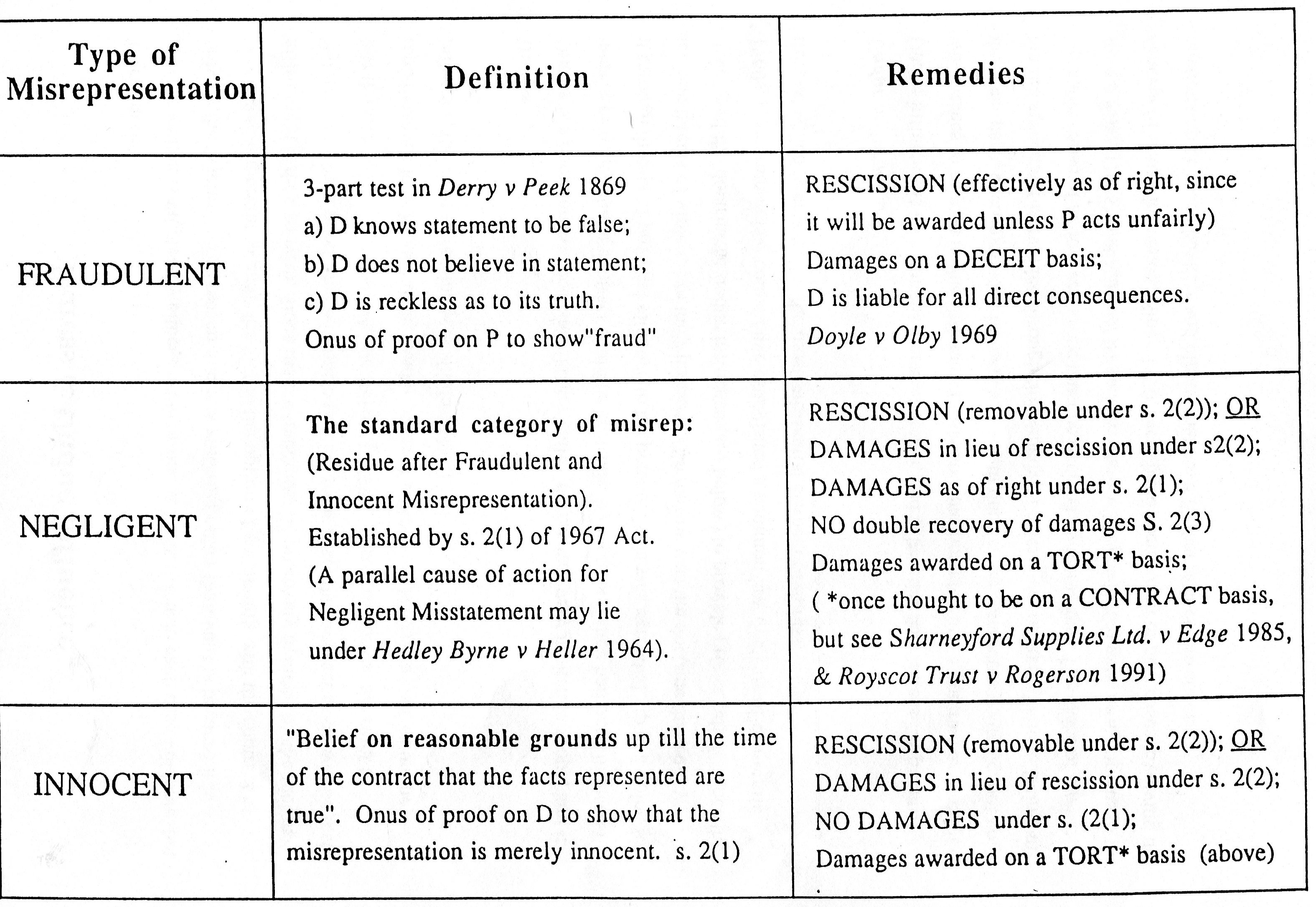
Think of strict liability for affirmative misrepresentations like a speeding ticket: it doesn't matter if you thought the speed limit was 65 MPH; if you were going 75 MPH in a 55 MPH zone, you are liable. If you tell a buyer, "This property is zoned for commercial use," and it is not, you are liable under the CFA, even if the seller lied to you and you believed them.

The penalties are devastating. A violator of the New Jersey Consumer Fraud Act can be ordered by a court to pay treble damages, which equal three times the actual financial loss suffered by the plaintiff. Furthermore, the violator can be ordered by a court to pay the plaintiff's attorney fees. If your misrepresentation costs a buyer $30,000, you could be on the hook for $90,000 plus their legal bills.
Not all issues with a property are physical. Some exist in the neighborhood, or solely in the human mind.
Psychological Impairments
A psychological impairment is a non-physical condition affecting a property's reputation. The classic example is a murder having occurred on a property.
Because this is not a physical defect, New Jersey real estate licensees are not legally obligated to proactively disclose psychological impairments to buyers. However, you cannot lie. If a buyer directly asks about a psychological impairment, the licensee must answer truthfully if the licensee knows the factual history.
Off-Site Conditions
The New Residential Construction Off-Site Conditions Disclosure Act regulates how builders notify buyers of surrounding environmental factors (like nearby toxic waste sites or airports).
- New Construction: Sellers of new construction must provide buyers with a notice regarding the availability of off-site condition lists. The municipal clerk's office maintains lists of identified off-site environmental conditions for new construction buyers.
- Resale Transactions: In residential resale transactions, sellers and real estate licensees are not legally required to actively investigate off-site conditions. Instead, residential resale contracts must include a standard notification clause regarding off-site conditions. The standard off-site conditions clause advises buyers to independently consult the municipal clerk's office for environmental information.
Megan's Law
Megan's Law requires convicted sex offenders to register with local law enforcement agencies, and the county prosecutor's office maintains the Megan's Law registry for public inquiries.
As a real estate licensee, you must step completely out of this process. New Jersey real estate licensees are legally prohibited from investigating the presence of registered sex offenders in a neighborhood, and are legally prohibited from disclosing the presence of registered sex offenders in a neighborhood.
Instead, real estate contracts must include a standard provision informing buyers about the Megan's Law registry. Licensees must instruct buyers to independently contact the county prosecutor for any Megan's Law inquiries.

The New Home Warranty
To protect consumers from shoddy new construction, the New Home Warranty and Builders' Registration Act requires all builders of new homes in New Jersey to register with the Department of Community Affairs. Registered builders must provide a mandatory home warranty for all newly constructed residential homes.
This mandatory new home warranty provides coverage for up to 10 years, tiered by severity:
- One Year: The mandatory new home warranty covers general workmanship defects for a period of one year.
- Two Years: Covers plumbing and electrical system defects for a period of two years.
- Ten Years: The 10-year period of the mandatory new home warranty specifically covers major structural defects.
Taking effect on August 1, 2024, the New Jersey Real Estate Consumer Protection Enhancement Act fundamentally changed how agents contract with the public.
Previously, oral agreements or implied agency could blur lines. Now, the Consumer Protection Enhancement Act mandates that all licensed real estate brokers provide written brokerage service agreements to all clients. Written brokerage service agreements are required for sellers, and equally, written brokerage service agreements are required for buyers.
These agreements remove all ambiguity. A brokerage service agreement must:
- Clearly outline the specific services the brokerage will provide to the client.
- Explicitly state the duration of the agency relationship.
- Include a statement declaring that real estate compensation is fully negotiable.
Designated Agency
Before the CPEA, if two agents in the same brokerage represented the buyer and the seller in the same transaction, the entire firm was forced into Dual Agency, severely limiting the advocacy each agent could offer.
The Consumer Protection Enhancement Act permits the use of designated agency in New Jersey residential real estate transactions. Designated agency allows two different agents under the same brokerage firm to represent different parties in the same transaction.
- Consent: Designated agency requires the informed written consent of the buyer and the informed written consent of the seller.
- Advocacy: In a designated agency relationship, an appointed agent owes full fiduciary duties exclusively to the appointed agent's specific client. They can aggressively negotiate against the other agent in their own office.
- The Broker's Role: In a designated agency scenario, the broker-of-record acts strictly as a neutral supervisor. A broker-of-record in a designated agency scenario cannot advocate for either the buyer or the seller.
Open House Transparency
To prevent buyers from accidentally spilling their negotiation secrets to an agent working for the seller, the Consumer Protection Enhancement Act requires prominent agency disclosure signage to be displayed at all open houses. Open house disclosure signage must clearly identify the agency relationship the host licensee holds with the property seller.
Before you can legally represent anyone, you must explain the menu of representation options. The Consumer Information Statement is a mandatory document outlining the different types of agency relationships available in a New Jersey real estate transaction.
Timing is critical. Licensees must provide the Consumer Information Statement to a consumer before any confidential information is discussed, and before the consumer's motivation to buy or sell is discussed. If they start telling you their maximum budget, you are already too late.
The CIS outlines the following operating modes:
- Seller's Agent: Owes absolute fiduciary duties exclusively to the property owner.
- Buyer's Agent: Owes absolute fiduciary duties exclusively to the prospective purchaser.
- Disclosed Dual Agent: Represents both the buyer and the seller in the exact same transaction. A disclosed dual agent must obtain the written, informed consent of both parties before acting in a dual agency capacity. Because you represent competing interests, a disclosed dual agent cannot advance the financial interests of one party at the expense of the other party (e.g., you cannot advise the buyer on how low the seller will go).
- Transaction Broker: Works with a buyer or seller without functioning as a legally bound agent for either party. A transaction broker does not owe fiduciary duties to any party in the real estate transaction. Instead, a transaction broker serves solely as a neutral manager of the real estate transaction process—like a referee ensuring the paperwork flows smoothly, without caring who "wins" the negotiation.