NJ Landlord-Tenant Law, Security Deposits & Rentals
Not sure you’re ready?
Take the ~3-minute readiness diagnostic and see where you stand.
When a property owner signs a residential lease, they are effectively trading their immediate right to possession for a stream of income. The tenant, in return, acquires a fundamental human necessity: shelter. Because the stakes in this transaction are incredibly high—involving both the protection of an expensive capital asset and the stability of a person’s home—New Jersey imposes a strict framework of laws to mediate the relationship. For a real estate licensee, understanding this framework is not merely about passing an exam; it is about safely navigating the legal minefield of property management, avoiding devastating financial penalties for your clients, and safeguarding your own license.

To master New Jersey landlord-tenant law, we must dissect it into four distinct operational phases: the holding of collateral (security deposits), the disclosure of rights (Truth-in-Renting), the termination of the relationship (eviction), and the strict accounting required when a broker manages the transaction.
Think of a security deposit as a hostage. The money does not belong to the landlord; it is merely held in captivity to guarantee the tenant's performance under the lease. Because the landlord is holding someone else’s money, the New Jersey Security Deposit Act tightly regulates the collection, handling, and eventual return of these funds.
Collection Limits and Increases
To prevent landlords from creating impossibly high financial barriers to entry, the state caps how much collateral can be demanded. Landlords are prohibited from charging a residential security deposit that exceeds one and one-half months' rent.
This hard cap cannot be circumvented by creative labeling. For example, a pet deposit is legally classified as part of the total security deposit in New Jersey. Therefore, the combined total of a pet deposit and a standard residential security deposit cannot exceed that one and one-half months' rent ceiling.
Over time, as rent goes up, the landlord is exposed to greater risk. Consequently, landlords can request an annual increase in the security deposit. However, an annual increase to a security deposit cannot exceed 10 percent of the current deposit amount.
Crucial Distinction: A security deposit is collateral, not rent. If a tenant fails to pay the required deposit, a landlord cannot treat an unpaid security deposit as unpaid rent.
Holding the Funds: The Mechanics of Trust
Because the security deposit belongs to the tenant, it must be kept entirely sterile from the landlord's own wealth. Landlords must deposit security deposit funds into a separate, interest-bearing bank account. They are strictly prohibited from commingling security deposit funds with their personal money.
If a landlord operates on a large scale and receives security deposits for 10 or more rental units, the state dictates exactly where the money must go: the landlord must invest the funds in an insured money market fund or a variable rate account.
Transparency is mandatory. Within 30 days of receiving the security deposit, the landlord must notify the tenant in writing of the bank name and the account type holding the funds.
Because the principal belongs to the tenant, the interest generated by that principal also belongs to the tenant. The interest earned on a residential security deposit legally belongs to the tenant, and the landlord must pay the accrued security deposit interest to the tenant in cash or credit the interest toward rent annually.
The Return of the Deposit and Penalties
The true test of the Security Deposit Act occurs when the lease ends.
- Standard Return: A landlord must return a tenant's security deposit within 30 days after the termination of a residential lease.
- Emergency Return: If the tenant is displaced by fire or flood, the timeline compresses drastically. A landlord must return a tenant's security deposit within 5 days.

If the landlord retains any portion of the deposit to cover physical damage to the unit or unpaid rent, they cannot simply hand over a reduced check. The landlord must provide an itemized list of any damages deducted from the security deposit upon the return of the remaining deposit funds.
Why this matters: The penalties for violating these return rules are engineered to be painful. If a landlord wrongfully withholds a security deposit, the tenant can sue the landlord for double the wrongfully withheld amount. Furthermore, the prevailing tenant can recover attorney fees and court costs. Licensees must educate their owner-clients about this "double damages" rule to prevent expensive emotional decisions at the end of a lease.
Transfers and Exemptions
If a property is sold, the collateral must travel with the asset. The landlord must transfer all security deposits and accrued interest to the new owner, and crucially, they must notify the tenants of the security deposit transfer to the new owner.
Not all properties are subject to the Security Deposit Act.
- Seasonal Rentals: Seasonal rentals of 125 consecutive days or less are totally exempt.
- Owner-Occupied: Owner-occupied rental properties with two or fewer rental units are automatically exempt. However, the law provides a fascinating loophole for the tenant: a tenant in an exempt owner-occupied property can invoke the Security Deposit Act protections simply by providing a 30-day written notice to the landlord.
The state of New Jersey operates on the premise that a fair contract requires both parties to understand the rules. Furthermore, it recognizes that local markets require local economic controls.
The Truth-in-Renting Act
To combat legal ignorance, the New Jersey Department of Community Affairs publishes the Truth-in-Renting booklet. This document details the legal rights and responsibilities of landlords and tenants in plain language.
Landlords are legally required to distribute a copy of the Truth-in-Renting booklet to every new residential tenant. Timing matters: the booklet must be distributed to the tenant at or before move-in. In addition to individual distribution, landlords must post the Truth-in-Renting statement in a prominent public place on the rental property.
The Act acts as an unbreachable shield. The Truth-in-Renting Act prohibits lease provisions that attempt to waive a tenant's statutory rights. Even if a tenant willingly signs a lease saying "I forfeit my right to a legal eviction process," that clause is null and void.
Applicability and Exemptions: The Truth-in-Renting Act applies generally to residential leases with a duration of at least one month. However, it contains specific exemptions that frequently appear on licensing exams:
- Commercial leases are entirely exempt from the Truth-in-Renting Act.
- Dwelling units in rental premises containing not more than two units are exempt.
- Owner-occupied premises of not more than three dwelling units are exempt.
Rent Control
While the state heavily regulates deposits and evictions, it does not dictate how much rent can be charged or raised statewide. Rent control in New Jersey is determined by local municipal ordinances rather than statewide legislation. A licensee must always check the local laws of the specific township or city where the property is located.
In a free market, when a contract expires, the relationship ends. New Jersey residential real estate is not a purely free market.
The New Jersey Anti-Eviction Act restricts the removal of residential tenants to specific statutory grounds. A residential landlord can only evict a tenant for established good cause. Shockingly for many new investors, a landlord cannot evict a residential tenant simply because the lease term has expired. If the tenant wishes to stay and continues to pay rent, they generally have the right to do so unless a specific statutory ground for removal exists. Furthermore, foreclosure of a residential property is generally not considered good cause to evict a residential tenant.
Established Good Cause
What constitutes good cause to force a tenant out?
- Financial Failure: Nonpayment of rent constitutes good cause.
- Pattern of Delay: Habitual late payment of rent constitutes good cause.
- Physical Harm: Destruction of the landlord's property constitutes good cause.
- Social Harm: A tenant's disorderly conduct that destroys the peace and quiet of other tenants constitutes good cause.
- Market Removal: A landlord permanently retiring a building from residential use constitutes good cause.
The Absolute Ban on Self-Help
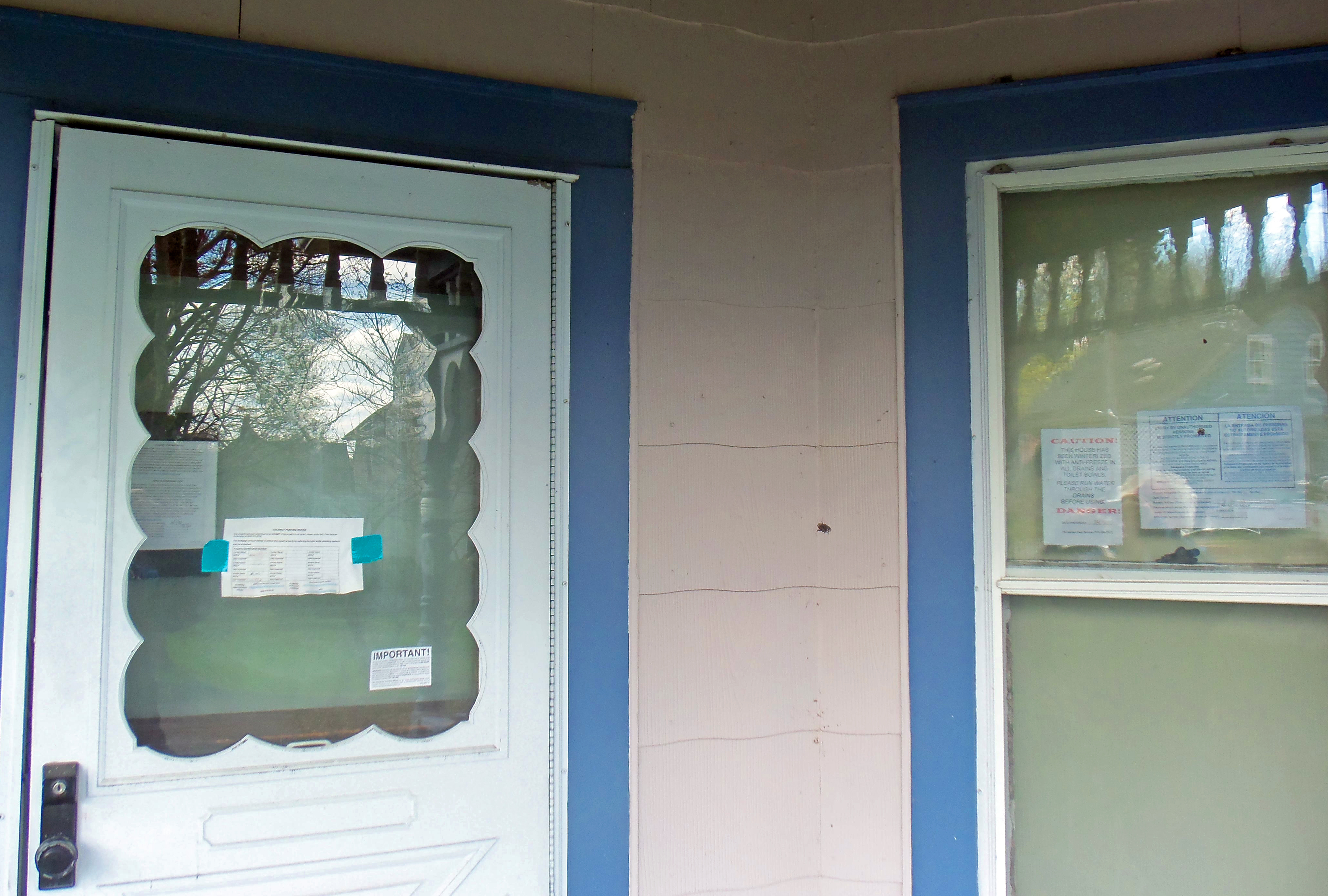
When a tenant stops paying rent, human nature urges the landlord to take matters into their own hands. In New Jersey, this is a crime. Self-help evictions are completely illegal in the state.
- Locking a tenant out of a rental unit without a court order is an illegal self-help eviction.
- Shutting off utilities to force a tenant to leave is an illegal self-help eviction.
To remove a tenant legally, the landlord must rely on the judicial system. A legal eviction requires the landlord to first obtain a Judgment for Possession from the Superior Court. Even then, the landlord cannot personally throw the tenant out; they must subsequently obtain a Warrant of Removal from the Superior Court, which is executed by a court officer.
When a real estate broker steps into the shoes of a property manager or handles rental transactions, they become a fiduciary. They are handling Other People's Money (OPM), and the New Jersey Real Estate Commission (NJREC) rules surrounding this are exacting and unforgiving.
Before a broker can manage a single unit, they must enter into a written property management agreement with an owner. Handshake deals are regulatory suicide.
Trust and Escrow Accounts
When a real estate broker collects rent, security deposits, or any other client funds, they must hold all collected rent monies in a designated escrow or trust account. Speed is mandated: a broker must deposit rental funds into an escrow or trust account within five business days of receipt.
The cardinal sin of real estate accounting is mixing client money with business money. Brokers are strictly prohibited from commingling property management funds with their operating accounts. There is exactly one highly limited exception: brokers are permitted to maintain a nominal amount of personal funds in a trust account strictly to cover bank service charges.
Accounting and Record-Keeping
If a broker manages units for various landlords, they cannot just throw all the money into a giant pool and guess who owns what. A broker managing multiple rental properties must maintain a separate accounting ledger for each individual property owner.
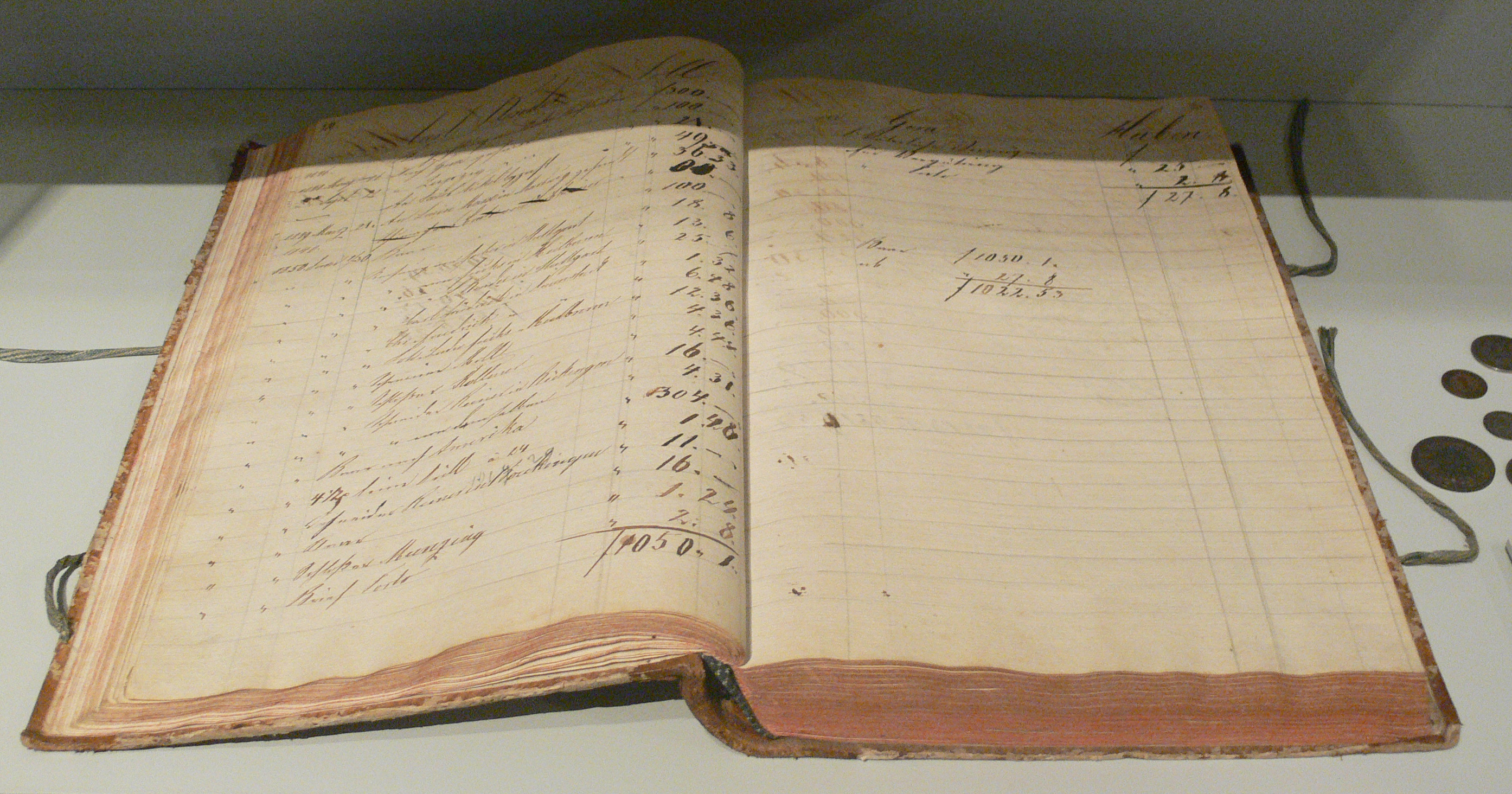
Memory fades, but audits do not. Brokers must retain copies of all property management financial records for six years.
Control of the Funds: Signatories and Withdrawals
Because trust accounts hold the public's money, the Commission tightly controls who has the power to move it.
- The broker of record must be a designated signatory on all brokerage escrow and trust accounts.
- In the case of a solo operation, sole proprietor brokers must be a designated signatory.
Can a broker delegate this power? Yes, but only to specific licensed professionals under their supervision. Actively licensed real estate salespersons and actively licensed broker-salespersons can be designated as additional signatories on a broker's trust account.
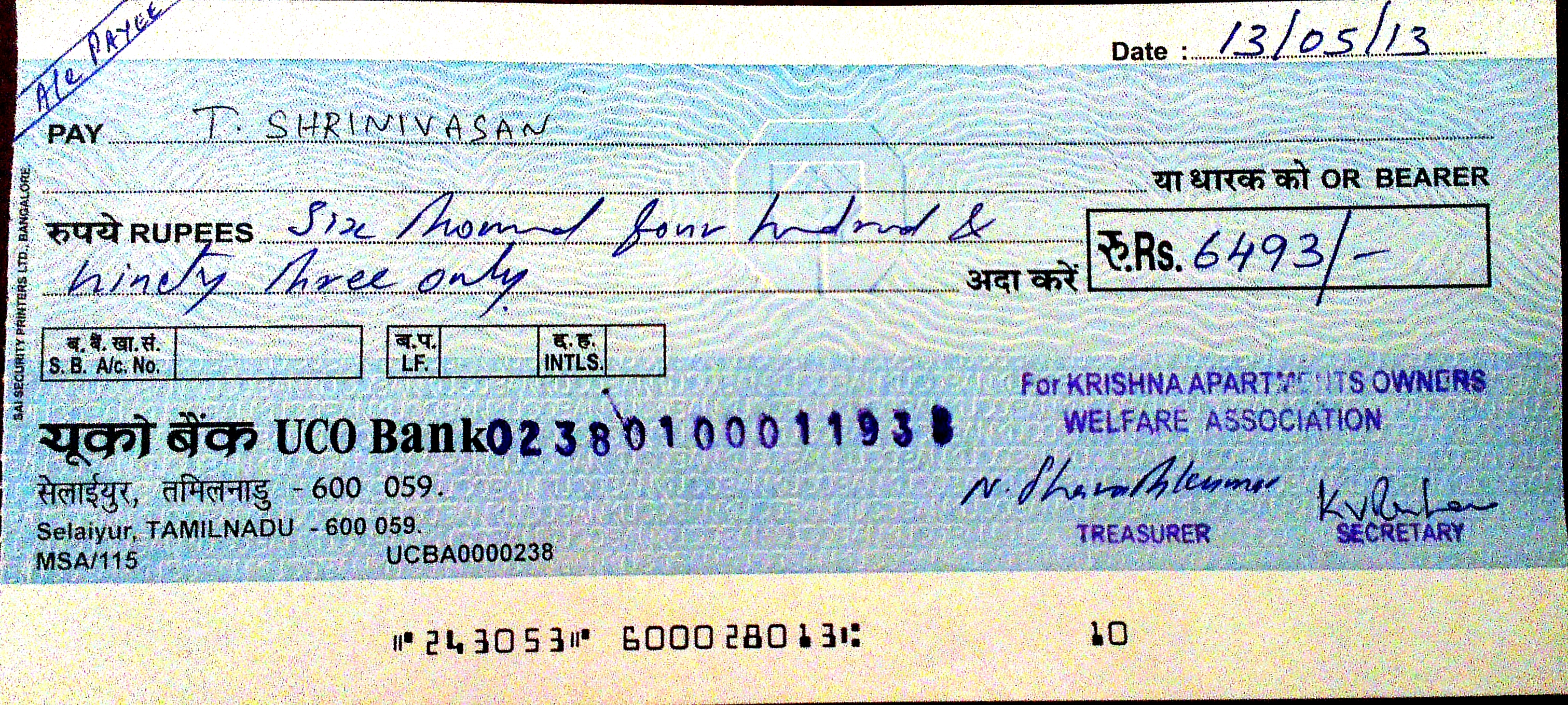
Finally, the Commission demands a perfectly traceable paper trail for every dollar that leaves a trust account. For this reason, withdrawals from a property management trust account must never be made payable to cash. Trust account withdrawals must be made by authorized bank transfer or by a check payable to a specific named payee.
Understanding these rules ensures you protect the owner's asset, respect the tenant's rights, and shield your real estate license from the severe consequences of mishandling the public's trust.