Closing Costs and Adjustments
Not sure you’re ready?
Take the ~3-minute readiness diagnostic and see where you stand.
A real estate closing is fundamentally an exercise in physics—specifically, the transfer of mass and energy. In our field, the "mass" is the physical property, and the "energy" is the capital. When a seller transfers a title to a buyer, the transaction is never as simple as exchanging a set of keys for a briefcase of cash. Instead, closing a property sets off a cascading sequence of financial obligations, taxes, adjustments, and fees that must be perfectly balanced on a mathematical ledger. For a New York real estate salesperson, mastering this ledger is not an accounting exercise; it is the core of your fiduciary duty. Your clients will rely on you to predict exactly how much money they need to bring to the table, or exactly how much they will walk away with. Misunderstanding these mechanics leads to blown deals, furious clients, and failed exams.
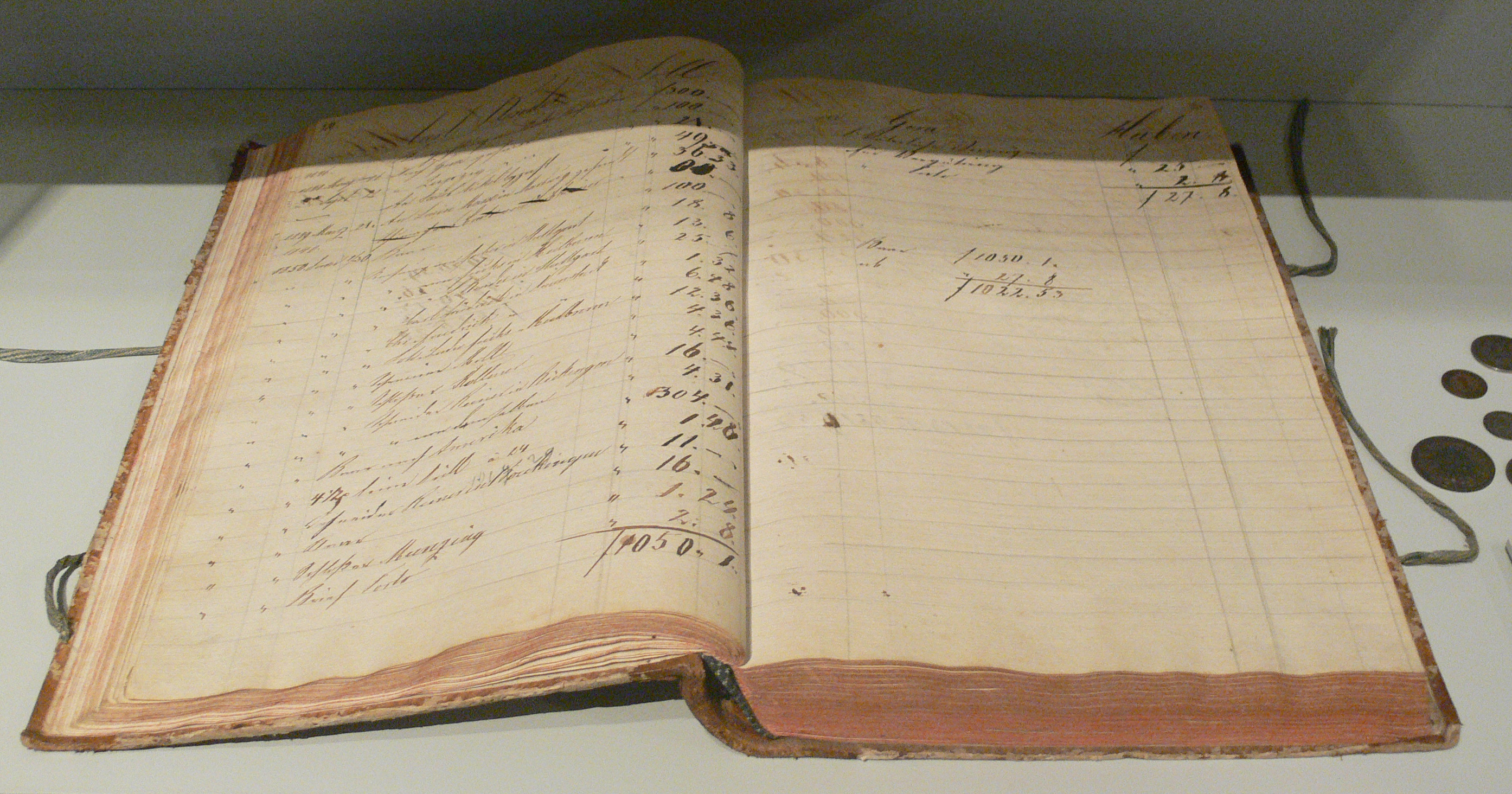
To understand closing costs, we must first look at the instrument used to track them. At the culmination of every real estate transaction, the parties are presented with a Closing Disclosure.
Closing Disclosure: A standard settlement form that transparently itemizes all closing costs, adjustments, and final financial obligations for both the buyer and the seller.
Think of the Closing Disclosure as the final autopsy of the transaction's finances. Every single dollar moving through the escrow account is categorized as either a debit or a credit.
- A debit on a closing statement represents an amount owed by a party. It is an outflow of capital.
- A credit on a closing statement represents an amount owed to a party. It is an inflow of capital.
If you understand how debits and credits function, you can reconstruct any closing scenario from first principles. Let us break down the specific forces acting on the seller and the purchaser.
For the seller, the closing table is about clearing the slate. They must pay to market the property, clear their debts, and satisfy the state's tax requirements before they can transfer a clean title.
1. The Cost of Representation
In a New York real estate transaction, the seller typically pays the real estate broker's commission. This is usually the largest single closing cost for the seller, functioning as a debit on their side of the Closing Disclosure, drawn directly from the sale proceeds.
2. Clearing the Debt
A seller cannot pass along a property burdened by their own debt. The seller must pay off any existing mortgages on the property at or before closing. But simply wiring the payoff amount to the bank is not enough. The public record must reflect that the debt is gone. Therefore, the seller pays a recording fee to record the satisfaction of the existing mortgage with the county clerk. This removes the lien and frees the title.
3. Transfer Taxes and the Flip Tax
The privilege of transferring real property in New York comes with a toll. New York State imposes a real estate transfer tax on the seller. The mathematics of this tax are precise and frequently tested: The New York State real estate transfer tax rate is two dollars (\$2) for every five hundred dollars (\$500) of the final purchase price. (Mathematically, this equates to 0.4% of the sale price).
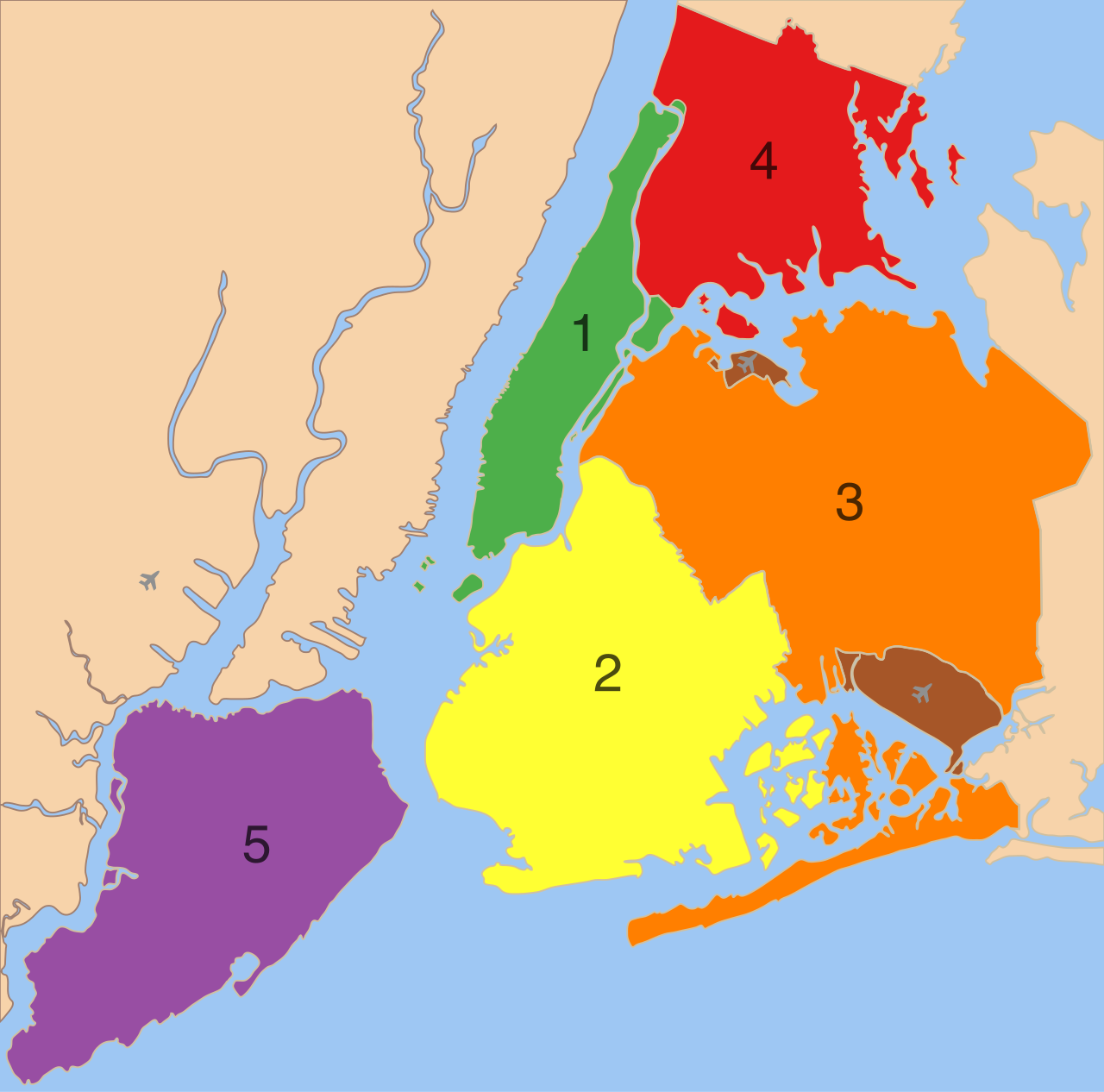
Geography adds further complexity. If you are operating within the five boroughs, New York City imposes a local real property transfer tax on residential sales. This means a Brooklyn or Manhattan seller is paying both the state and the city for the right to sell.
Finally, we must consider the unique structure of New York housing. If your seller is transferring shares in a cooperative building, cooperative apartments often charge a flip tax upon the sale of the unit. Despite the name, this is less of a government "tax" and more of a private transfer fee paid into the building's reserve fund to maintain the cooperative's financial health. A flip tax in a cooperative transaction is most commonly paid by the seller.

While the seller is paying to leave, the purchaser is paying to enter. A buyer's closing costs are entirely centered around due diligence, securing leverage (mortgages), and protecting their newly acquired asset.
1. Due Diligence: Appraisals and Inspections
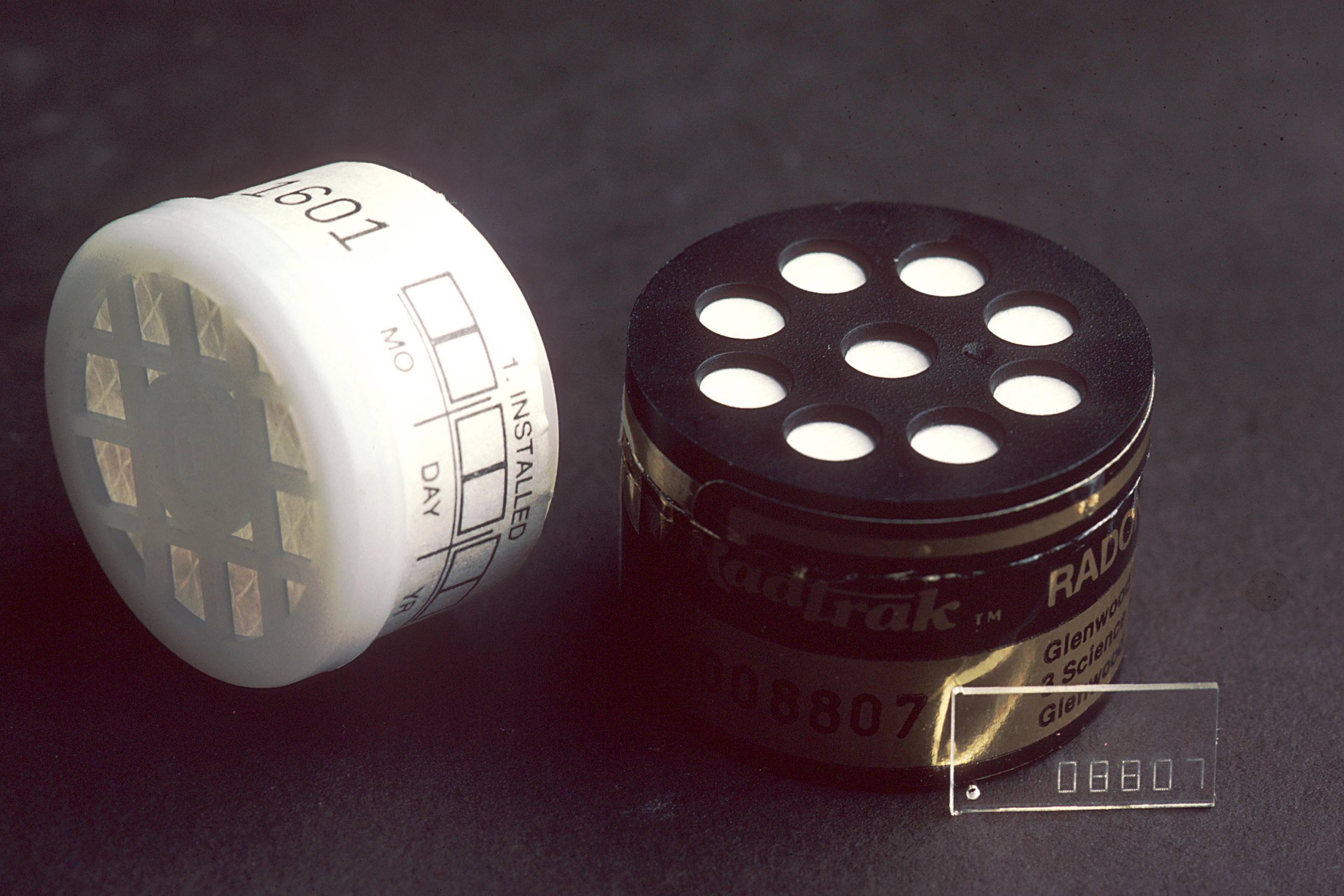
Before a buyer commits hundreds of thousands of dollars to an asset, they must verify its condition and value. The purchaser pays for any optional or required physical home inspections (such as structural, pest, or radon inspections).
If the buyer is using leverage, the bank will demand its own verification. The purchaser typically pays for the property appraisal required by the mortgage lender. The bank wants to ensure the collateral is worth the loan amount, but they make the buyer foot the bill for that assurance.
2. The Title Insurance Shield
Real estate titles can be messy. Forged documents, long-lost heirs, or unpaid contractor liens can act as financial landmines hidden in the property's history. To mitigate this, we use title insurance.
There are two distinct types of title policies:
- An owner's title insurance policy protects the purchaser against financial loss from defects in the property's title.
- A lender's title insurance policy protects the mortgage lender against financial loss from defects in the property's title.
Who pays for these protective shields? The purchaser pays the premium for the owner's title insurance policy at closing. Furthermore, because the golden rule of finance dictates that he who holds the gold makes the rules, the purchaser pays the premium for the lender's title insurance policy at closing as well. The bank requires the protection, but the buyer absorbs the cost.
3. The Price of Leverage: Mortgage Fees
When a buyer finances a purchase, they incur an entire ecosystem of additional fees. A purchaser obtaining a mortgage must pay loan origination fees to the lender at closing. This compensates the bank for the administrative work of underwriting the loan.
You might assume the buyer and the bank are on the same team. They are not. The bank will hire its own legal representation to ensure the loan documents are drafted flawlessly to protect the bank's interests. Who pays for the bank's lawyer? The purchaser typically pays the bank attorney fees in a financed real estate transaction.
Furthermore, just as the state taxes the transfer of property, it taxes the creation of debt. New York imposes a mortgage recording tax on the purchaser when a new mortgage is created. This is a significant closing cost that cash buyers completely avoid.
4. Recording the Future
Just as the seller paid to record the satisfaction of their old mortgage, the buyer must pay to announce their new ownership to the world. The purchaser pays a recording fee to officially record the new deed with the county clerk, and if they financed the purchase, the purchaser pays a recording fee to officially record the new mortgage with the county clerk.
5. The Mansion Tax
New York maintains a specialized tax aimed at high-value real estate. New York imposes a Mansion Tax on residential property sales of one million dollars (\$1,000,000) or more. This is a 1% tax on the entire purchase price, and it applies to houses, condos, and co-ops. Crucially, while transfer taxes are usually the seller's burden, the purchaser traditionally pays the New York Mansion Tax.
If you freeze a property in time on closing day, you will find that certain ongoing bills have been paid into the future, while others have been accumulating in the past. We must balance this timeline.
Proration: The mathematically precise allocation of ongoing property expenses (like taxes, utilities, and maintenance) between the buyer and the seller at closing based on the exact date of transfer.
Prepaid Expenses (The Seller's Future)
Imagine a seller pays their annual property taxes in January, but sells the house in June. The seller has paid for six months of taxes during which the buyer will actually live in the home.
In this scenario, property taxes paid in advance by the seller are credited to the seller at closing. Because a credit is an inflow of money, the seller is effectively being reimbursed. Conversely, those same property taxes paid in advance by the seller are debited to the buyer at closing. The buyer owes the seller for those remaining six months.
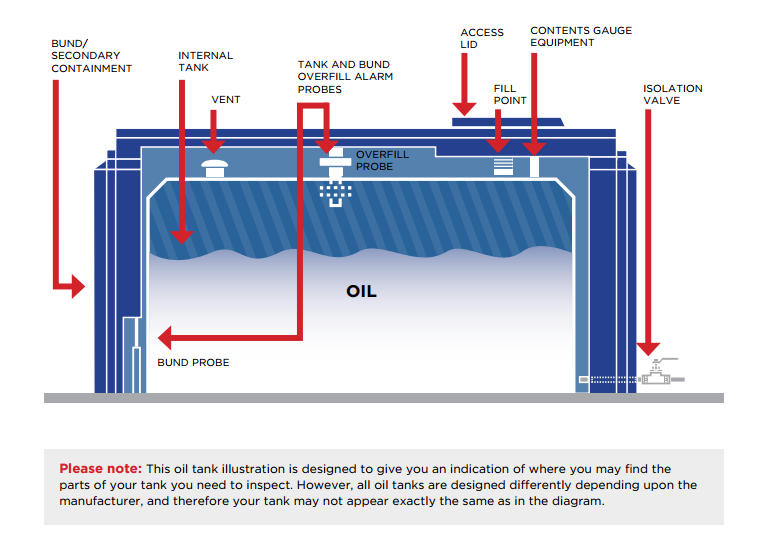
Consider a more tangible example: heating oil. If a house uses an oil boiler, the seller might leave a 500-gallon tank full of fuel that they already purchased. Heating oil remaining in a property's tank at closing is typically credited to the seller. The buyer is essentially buying the remaining oil from the seller at the closing table.
Arrears (The Seller's Past)
Sometimes the reverse happens. Utilities are often billed after they are consumed. If the seller has been running the tap for three months but the bill hasn't been paid by closing day, the buyer should not inherit that debt. Therefore, unpaid water bills are debited to the seller at closing. The seller owes this money, so it is deducted from their proceeds to clear the slate.
While buyers and sellers are essentially opponents on the Closing Disclosure—one's debit is often the other's credit—there is one cost category where they behave identically.
Because New York is an attorney-closing state, real estate agents do not draft contracts or facilitate the actual legal transfer of title. Lawyers do. Therefore, both the buyer and the seller typically pay their own respective real estate attorney fees at closing.
Understanding closing costs is about recognizing the narrative behind the numbers. The seller pays to sever their ties to the property—clearing debt, paying agents, and paying transfer taxes. The buyer pays to establish their new roots—inspecting the asset, borrowing money, protecting the title, and paying the Mansion Tax. Adjustments and prorations simply ensure that neither party pays for the other's time in the home. Master this financial anatomy, and you will navigate the closing table with the confidence of a true New York real estate professional.