Dual Agency and Transaction Roles
Not sure you’re ready?
Take the ~3-minute readiness diagnostic and see where you stand.
The structural integrity of a real estate transaction relies on a delicate tension between distinct, opposing interests. The seller seeks the highest possible price; the buyer seeks the lowest; the lender seeks to mitigate risk while funding the purchase. When these roles remain independent, the system regulates itself. However, when a single professional attempts to represent the structural interests of both the property transfer and the financing mechanism, the foundational stability of the fiduciary relationship collapses. This collapse creates a profound legal and ethical paradox that New York State law meticulously regulates through precise disclosure requirements.
To understand the conflict of dual agency, we must first isolate the precise mechanics of a mortgage broker. In the complex plumbing of real estate finance, a mortgage broker serves as a financial intermediary connecting real estate buyers with mortgage lenders.
They are the matchmakers of the financial world, entirely distinct from the banks themselves. Mortgage brokers do not use personal or corporate funds to originate real estate loans. Instead, their role is purely administrative and negotiatory.
If you are a real estate agent guiding a buyer through a home tour, you are negotiating the physical asset. If you wish to legally negotiate the mortgage loan terms for that same buyer, you cannot simply switch hats; you must hold a entirely separate mortgage loan originator (MLO) license. Mortgage brokers and mortgage loan originators in New York are strictly licensed and regulated by the New York State Department of Financial Services (DFS).
The Lifecycle of Brokerage Services
When a licensed individual acts as a mortgage broker, they execute a highly specific sequence of events:
- The Dossier: The mortgage broker gathers financial documentation from the buyer—tax returns, pay stubs, bank statements—to assemble a complete loan package.
- The Pitch: The mortgage broker submits the assembled loan package to prospective lenders for formal underwriting approval.
- The Prize: The broker assists the buyer in obtaining a formal loan commitment letter. This document is the ultimate prerequisite required for the real estate closing to proceed.
- The Payout: For facilitating a real estate loan, the mortgage broker earns an origination fee, typically calculated as a percentage of the loan amount or a flat rate (e.g., $1,500).
Crucial Distinction: The mortgage broker acts as a conduit. Because they do not lend their own money, the mortgage broker does not make the final credit or lending decision in a real estate transaction. The lender retains total authority over underwriting approval.
A severe dual agency conflict of interest arises when a real estate licensee acts as both the real estate agent and the mortgage broker in the same residential transaction.
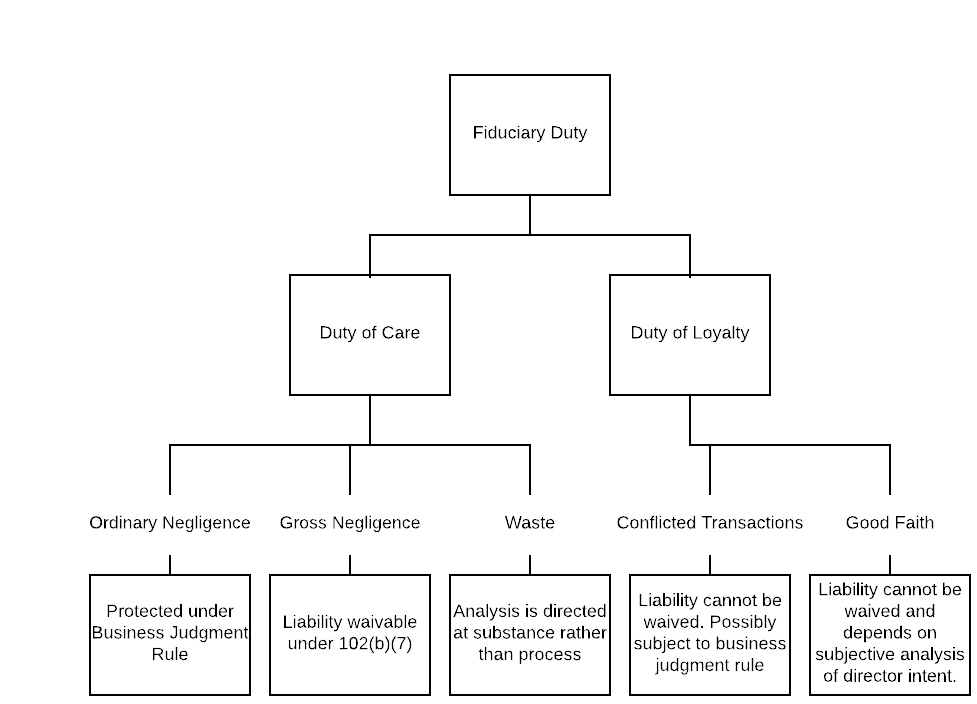
Why is this a conflict? Fiduciary duty requires an agent to operate with absolute, undivided allegiance to their client's best interests. In real estate, the seller wants to close quickly and securely. The buyer wants the best possible terms on their debt. Operating simultaneously as a real estate agent and a mortgage broker structurally prevents the professional from offering the full range of fiduciary duties to the clients.
If a buyer's financing hits a snag, the agent-broker now has a vested interest in the origination fee, the real estate commission, and the seller's timeline. The motivations become inextricably tangled. Because the stakes in housing are so deeply personal and financially massive, these specific New York mortgage broker dual agency disclosure requirements apply specifically to residential real estate transactions.
New York does not outright ban this dual role, but it demands absolute transparency. The governing mechanism is Title 3 Section 38.12 of the New York Codes, Rules and Regulations, which strictly governs dual agency transaction disclosures for mortgage brokers.
The law requires that all parties understand the physics of the transaction before they are bound by it.
The Rule of First Substantive Contact
Timing is everything in real estate law. A real estate agent acting as a mortgage broker in a residential transaction must disclose the dual role at the first substantive contact with the borrower. You cannot wait until the loan package is assembled; the moment the conversation shifts from casual real estate chatter to the substantive negotiation of financing, the disclosure must be triggered.
Furthermore, a mortgage broker acting as a dual agent must disclose an intention to place loan applications with three or fewer lenders at this exact same moment—the first substantive contact. If the broker is only shopping the buyer's dossier to a tiny, limited pool of lenders, the buyer has the right to know their options are being artificially restricted.
Execution and Retention of the Disclosure Form
The execution of the New York mortgage broker dual agency disclosure form is an absolute prerequisite to action.
- Who must sign? The form must be signed by both the buyer and the seller.
- When must they sign? Before the agent provides any mortgage broker services.
- How can they sign? The modern real estate market moves quickly. Fortunately, the New York mortgage broker dual agency disclosure allows digital signatures legally recognized as binding under New York State law.
Once executed, the paperwork does not simply vanish into a filing cabinet. Under the stringent rules of the New York Banking Law, a mortgage broker is required to maintain a copy of the signed dual agency disclosure form for at least three years.
What exactly does this mandatory form say? It is not merely a bureaucratic checkbox; it is a legally enforced waiver of rights.
The New York mortgage broker dual agency disclosure form explicitly warns clients about the forfeiture of the right to undivided loyalty. By signing the form, both parties acknowledge that the professional guiding them cannot act with absolute, singular dedication to either side.
To ensure clients are making an informed compromise, the document aggressively outlines their alternatives.
| Client | Mandatory Disclosure Right | Purpose |
|---|---|---|
| The Buyer | The form must inform the buyer of the buyer's right to use an independent mortgage broker. | Protects the buyer from feeling coerced into using the agent's financial services simply because they are using their real estate services. |
| The Seller | The form must inform the seller of the seller's right to engage an exclusive real estate broker. | Protects the seller from an agent who might prioritize a buyer's precarious loan approval (to capture the origination fee) over finding a more qualified buyer. |
Finally, because the forfeiture of fiduciary loyalty is a significant legal shift, the form contains a specific clause advising clients to consult an attorney before consenting to the dual agency relationship.
Why This Matters at the Closing Table
As an aspiring real estate professional, you must view disclosures not as hurdles, but as the very foundation of your professional liability. If you attempt to wear both the real estate hat and the mortgage broker hat without executing the Title 3 Section 38.12 disclosures at first substantive contact, you jeopardize the entire transaction. You risk not only your commissions and origination fees but the validity of your licenses under the Department of Financial Services and the Department of State.
Mastering the boundary between these two vital roles ensures that when your clients arrive at the closing table, the only surprises are pleasant ones.