Mortgage Definition and Mechanics
Not sure you’re ready?
Take the ~3-minute readiness diagnostic and see where you stand.
When a client purchases a $500,000 property in New York with a 20% down payment, they walk away from the closing table with the keys, the absolute right to paint the walls, and the freedom to host a barbecue in the backyard. Yet, a financial institution provided 80% of the capital for this transaction. This arrangement—where a buyer commands total physical control over an expensive physical asset while a bank holds the ultimate financial trump card—is governed entirely by the mechanics of a mortgage.
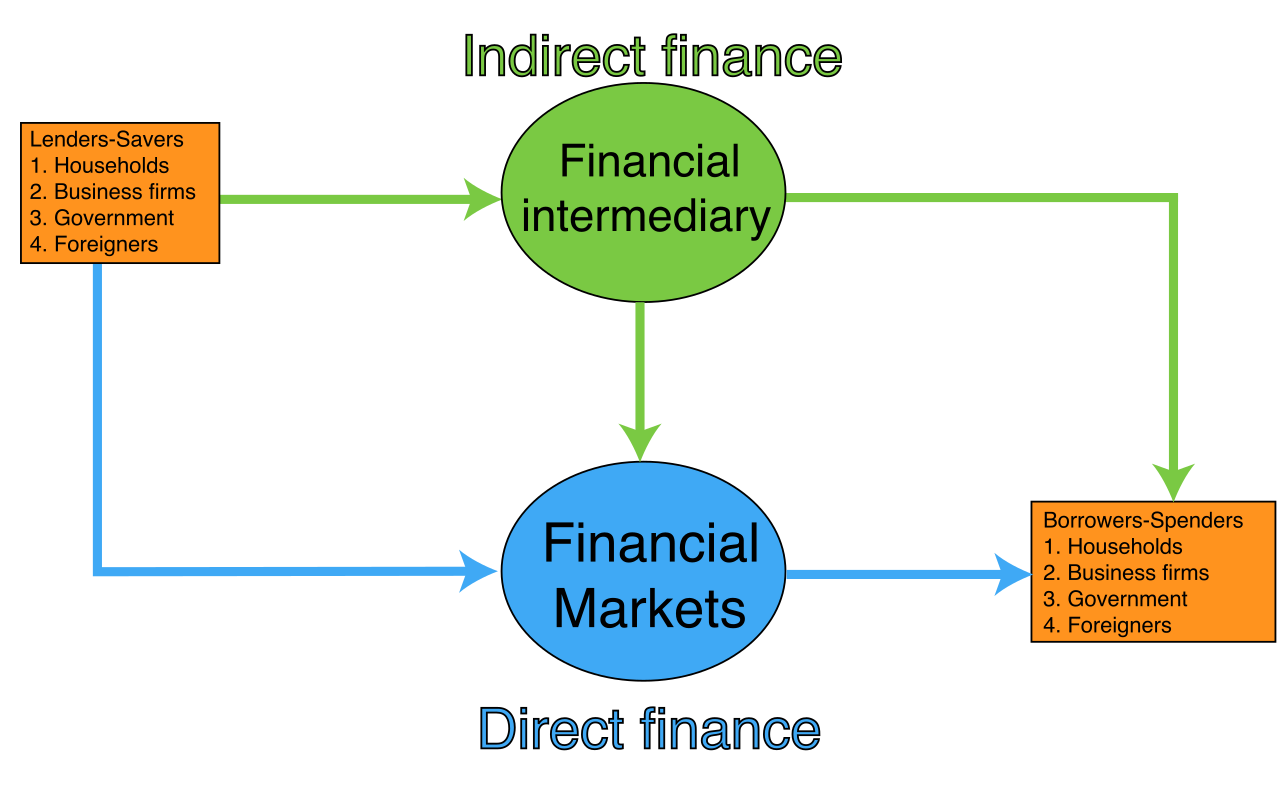
Understanding these mechanics is not simply a matter of passing a licensing exam; it is the fundamental vocabulary required to explain to a client exactly what they are signing. If you cannot explain to a buyer how their debt is secured, or explain to a seller how their current debt will be cleared, you cannot safely guide them through a real estate transaction.
A common misconception among first-time homebuyers is that the "mortgage" is the loan itself. It is not. Real estate finance relies on two distinct documents working in tandem: the promise to pay, and the collateral backing up that promise.
The Promissory Note (The Promise)
To borrow money, the buyer signs a promissory note. This document serves as the primary evidence of a financial debt.
Promissory Note: A written promise to repay a specified sum of money under exact, agreed-upon terms. It establishes the personal liability of the borrower to repay the loan.
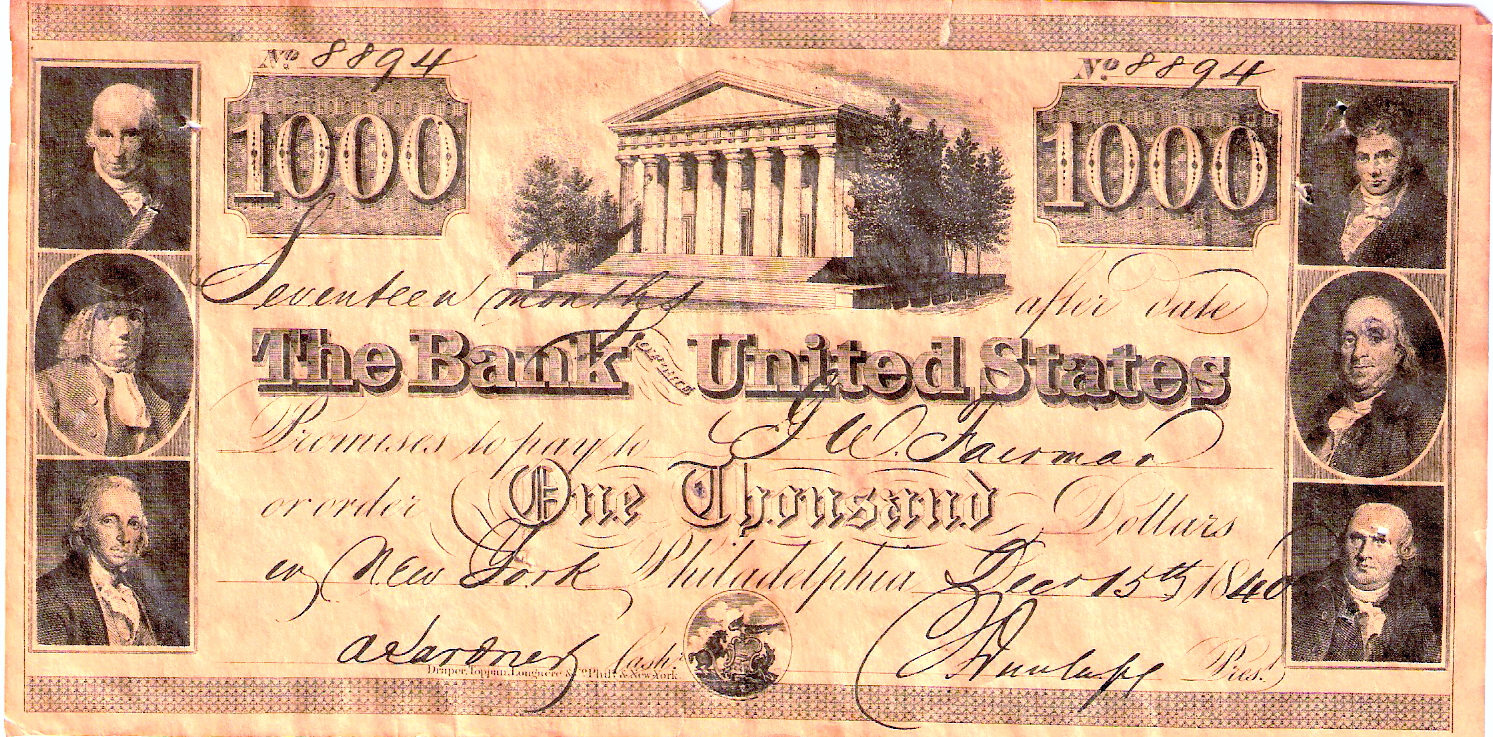
If a borrower defaults, the promissory note is the legal instrument that allows the lender to pursue the borrower's personal assets. Because it represents a foundational financial obligation, a promissory note is often referred to as a bond in real estate finance.
The Mortgage (The Collateral)
The promissory note alone is just a piece of paper; it is an unsecured promise. To convince a bank to lend hundreds of thousands of dollars, the borrower must pledge the physical real estate as security for the loan. This pledge is the mortgage.
It is crucial to get the terminology straight, as it often runs counter to everyday language:
- The mortgagor is the borrower who pledges the property as security for a loan.
- The mortgagee is the lender who receives the mortgage lien as security for the debt.
Think of the "-or" and "-ee" suffixes. The grantor gives, the grantee receives. The bank gives the cash, but the borrower gives the mortgage to the bank. Therefore, a mortgage document must be signed by the mortgagor to be valid. The bank does not sign the mortgage; they are merely receiving it.
When your client buys a house with a mortgage, who actually "owns" the house?
Different states answer this question differently. New York operates as a lien theory state for real estate mortgages.
In a lien theory state, the borrower retains legal title to the mortgaged property. The bank does not own the house. Because the borrower holds the legal title, the borrower retains the right to possess the property during the mortgage term. Furthermore, the borrower retains the right to sell the mortgaged property to a third party whenever they choose.
So what does the bank have? A mortgage creates a voluntary, specific lien against real property.
- Voluntary: The borrower willingly signs it.
- Specific: It attaches only to that specific piece of real estate, not to the borrower's car or bank accounts.
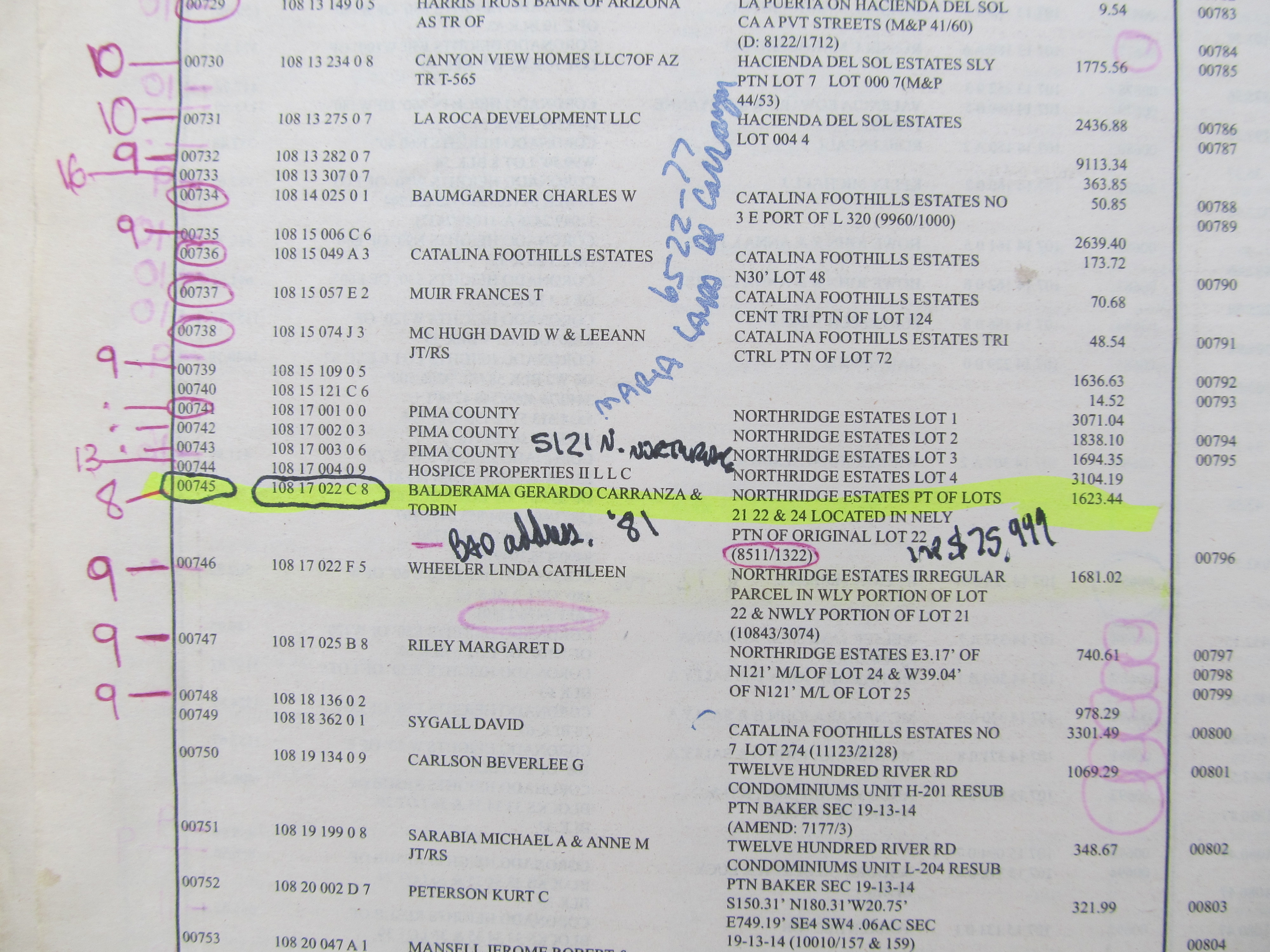
To protect this lien from other creditors, a mortgage instrument is recorded in the county where the real estate is located. Why does this matter? Because recording a mortgage establishes the priority of the lender's lien against the property. If the property is eventually sold or foreclosed upon, the recorded date dictates who gets paid first.
When your buyer finally moves in, they will begin making monthly payments. You must be able to explain exactly where their money is going.
The PITI Payment
The acronym PITI stands for Principal, Interest, Taxes, and Insurance. PITI represents the four main components of a typical monthly mortgage payment:
| Component | Description |
|---|---|
| Principal | The principal component of a mortgage payment refers to the portion of the payment that actually reduces the outstanding loan balance. |
| Interest | The interest component of a mortgage payment is the fee charged by the lender for borrowing the money. |
| Taxes | The taxes component of a mortgage payment involves money collected by the lender to pay the borrower's annual property taxes. The lender holds this in an escrow account to ensure the local government gets paid, preventing tax liens that could supersede the bank's mortgage lien. |
| Insurance | The insurance component of a mortgage payment includes homeowners insurance premiums collected by the lender, ensuring the collateral is protected against fire or destruction. |
(Note: While lenders charge interest, they cannot charge whatever they want. Usury laws establish the maximum legal interest rate that a lender can charge on a real estate loan, protecting consumers from predatory lending).
Buying Down the Rate: Discount Points
Sometimes, a buyer wants a lower monthly interest payment. To achieve this, borrowers pay discount points to lower the ongoing interest rate on a mortgage loan.
Discount points are upfront fees paid directly to the lender at closing. The math is beautifully simple: one discount point costs exactly one percent of the total loan amount. If your client takes out a $400,000 loan and wants to buy two discount points to lower their rate, they will bring $8,000 to the closing table strictly for those points.
Building Wealth: Property Equity
As the years go by and the client makes their PITI payments, a silent mathematical shift occurs.
Property equity is the difference between the current market value of a property and the outstanding mortgage balance. A borrower builds equity in the property as the principal balance of the mortgage loan decreases over time. (They also build equity if the broader market value of the property rises, which is why real estate is a powerful wealth-building tool).
A mortgage is essentially a legal rulebook for the loan. The following clauses are critical to understand, as they dictate what happens when the property is sold, paid off, or neglected.
The Alienation Clause (Due-on-Sale)
Remember that the borrower retains the right to sell the property. However, an alienation clause requires the borrower to pay the entire loan balance if the property is sold or transferred.
Because of this trigger, an alienation clause is also commonly known as a due-on-sale clause. Practically, this means that selling a mortgaged property typically requires satisfying the outstanding mortgage debt at the closing table. The buyer's funds are first used to pay off the seller's mortgage, and the seller walks away with the remaining equity.
The Defeasance Clause and Satisfaction
What happens when the borrower finally makes their last payment, or pays off the debt at the closing table? The mortgage contains a defeasance clause, which requires the lender to execute a satisfaction of mortgage once the loan is completely paid off.
Satisfaction of Mortgage: A legal document proving that a mortgage debt has been fully paid.
However, simply holding this piece of paper is not enough. A satisfaction of mortgage must be recorded in the public records to clear the lender's lien from the property title. If your client pays off their mortgage but forgets to record the satisfaction document, a future title search will still show an active lien, paralyzing a future sale.
The Acceleration Clause
If a borrower stops paying, the lender does not want to sue them month after month for each missed $2,000 payment. Instead, the mortgage includes an acceleration clause. An acceleration clause allows the lender to demand immediate payment of the entire loan balance upon borrower default. If the borrower misses payments, the bank "accelerates" the loan to maturity, demanding the full $400,000 instantly.
When a borrower defaults, the acceleration clause is triggered, and the borrower cannot pay the massive outstanding balance, the lender has only one recourse left.
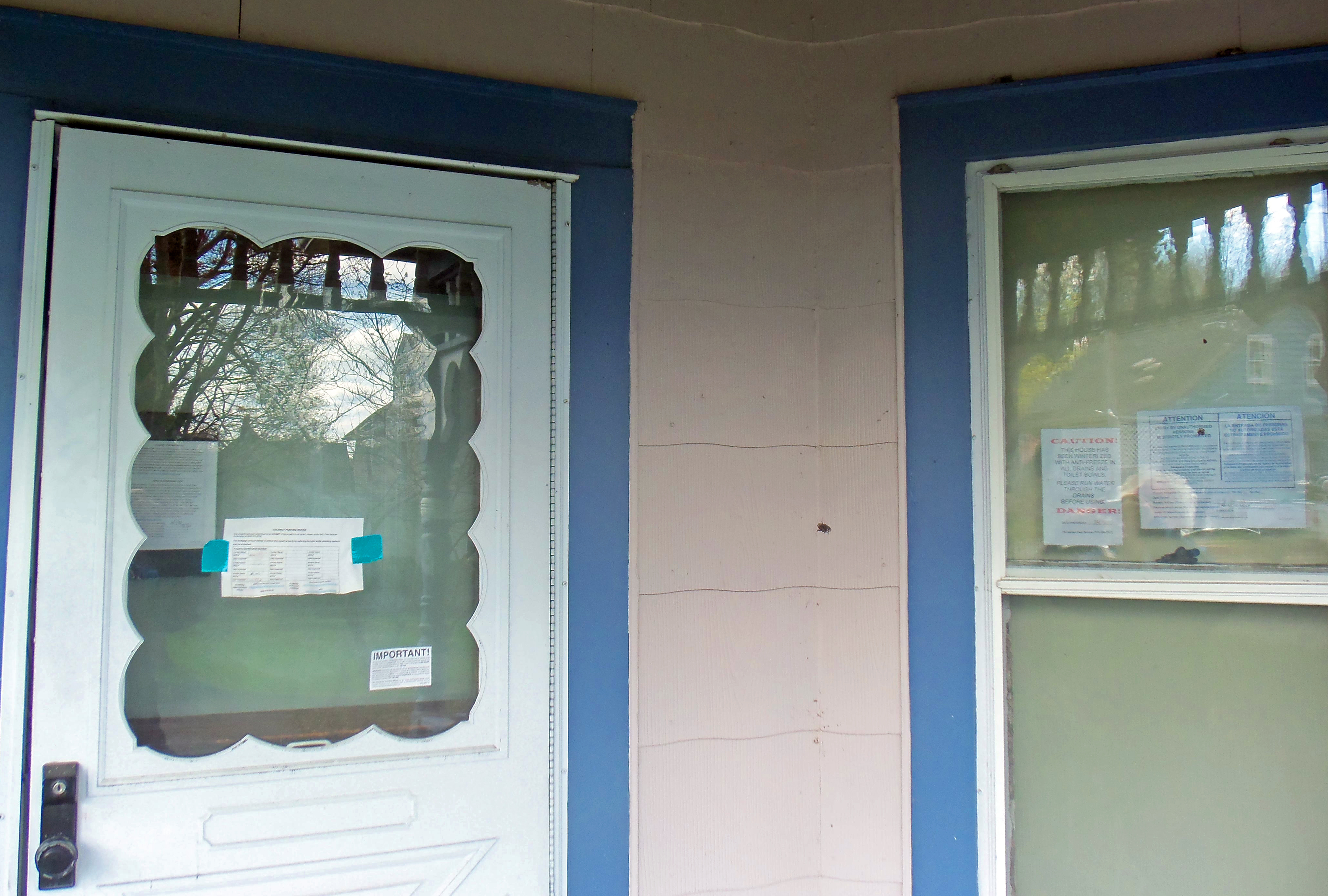
Foreclosure is the legal process a lender uses to recover the balance of a defaulted loan. Because the promissory note was secured by the physical real estate, foreclosure involves forcing the sale of the asset used as the collateral for the defaulted loan.
However, because New York is a lien theory state where the borrower holds the actual legal title, the bank cannot simply change the locks and seize the property. New York requires a judicial foreclosure process for residential mortgages.
Judicial Foreclosure: A legal procedure requiring the lender to file a lawsuit in court to initiate the sale of the property.
The bank must prove to a judge that the borrower defaulted on the note and that the mortgage allows for the sale of the asset. The court will then order a public auction. The proceeds of that forced sale go toward satisfying the unpaid principal, interest, and legal fees.
Understanding this sequence—from the promissory note to the PITI payment, to the equity built or the foreclosure suffered—gives you a complete map of real estate finance. It allows you to sit beside your client at the closing table, point to the dense stacks of legal paper, and explain confidently exactly how their rights are protected and what obligations they are assuming.