Duties of a Mortgagor
Not sure you’re ready?
Take the ~3-minute readiness diagnostic and see where you stand.
In New York real estate, a mortgage is fundamentally a paradox of possession and control. When a buyer closes on a property—whether it is a historic brownstone in Brooklyn or a single-family home in Syracuse—they are handed the keys and the deed. They hold the legal title. Yet, hovering over that title is a powerful, silent partner: the lending institution. The financial architecture that allows an individual to control a multi-million-dollar asset with a fraction of their own capital relies entirely on a strict set of covenants known as the duties of the mortgagor. Understanding these duties requires untangling the precise legal mechanism by which a promise to pay is transformed into an enforceable, physical claim against earth and brick.
For the aspiring New York real estate salesperson, mastering these duties is not just about passing an exam. It is about understanding the very mechanics of property finance so you can expertly guide your clients through the weight of the documents they will sign at the closing table.

To understand the duties involved, we must first correctly identify the actors. Real estate terminology often trips up new professionals because the suffixes "-or" and "-ee" seem counterintuitive until you analyze the flow of action.
- The mortgagor is the borrower in a real estate finance transaction.
- The mortgagee is the lender in a real estate finance transaction.
Why is the borrower the mortgagor? Because the borrower is the one giving the pledge. The mortgagor pledges real estate as collateral for a mortgage loan. In return, the lending institution (the mortgagee) receives the mortgage instrument as security for the real estate debt.
New York operates under a "lien theory" of mortgages. This means that the mortgagor retains legal ownership rights to the real estate while the mortgage remains active. The bank does not own the home; the borrower does. However, the mortgage instrument creates a lien on the real estate to enforce the mortgagor's contractual duties. This lien acts as an invisible, legal tripwire: if the borrower violates the terms of the agreement, the lender has the right to seize the collateral.
| Actor | Role | Action Provided | What They Hold |
|---|---|---|---|
| Mortgagor | Borrower | Pledges property as collateral | Legal title and possession of the property |
| Mortgagee | Lender | Provides the capital | The mortgage instrument and a lien on the property |
The specific legal duties of a mortgagor are explicitly detailed in the mortgage instrument. These documents are notoriously thick, but the primary financial duties of a mortgagor are often summarized by the acronym PITI.
The acronym PITI stands for Principal, Interest, Taxes, and Insurance. Let us examine the legal obligations embedded within this acronym, as well as the additional financial duties required to protect the lender's position.
1. Repayment of the Secured Debt (Principal and Interest)
A primary legal obligation of a mortgagor is to repay the debt secured by the mortgage. Secured debt repayment typically involves making scheduled payments of principal and interest to the lender. The principal pays down the actual borrowed amount, while the interest is the cost of borrowing of that capital.
2. Paying Taxes and Special Assessments
A mortgagor has a legal duty to pay all property taxes levied against the mortgaged real estate. Furthermore, a mortgagor has a legal duty to pay all special assessments levied against the mortgaged real estate (such as a municipal charge for newly installed sidewalks or sewer lines).
Why is the lender so deeply concerned with the borrower paying their local tax bills? The answer lies in the hierarchy of legal claims. Unpaid property taxes can result in a municipal tax lien on the real estate. Under the law, a municipal tax lien takes legal priority over a lender's mortgage lien.
If a homeowner in Westchester County fails to pay their $18,000 annual property tax bill, the county can foreclose on the home, completely wiping out the bank's mortgage lien in the process. The lender's multi-hundred-thousand-dollar security simply vanishes.
3. Maintaining Property Insurance
A mortgagor must maintain adequate property insurance on the mortgaged real estate.
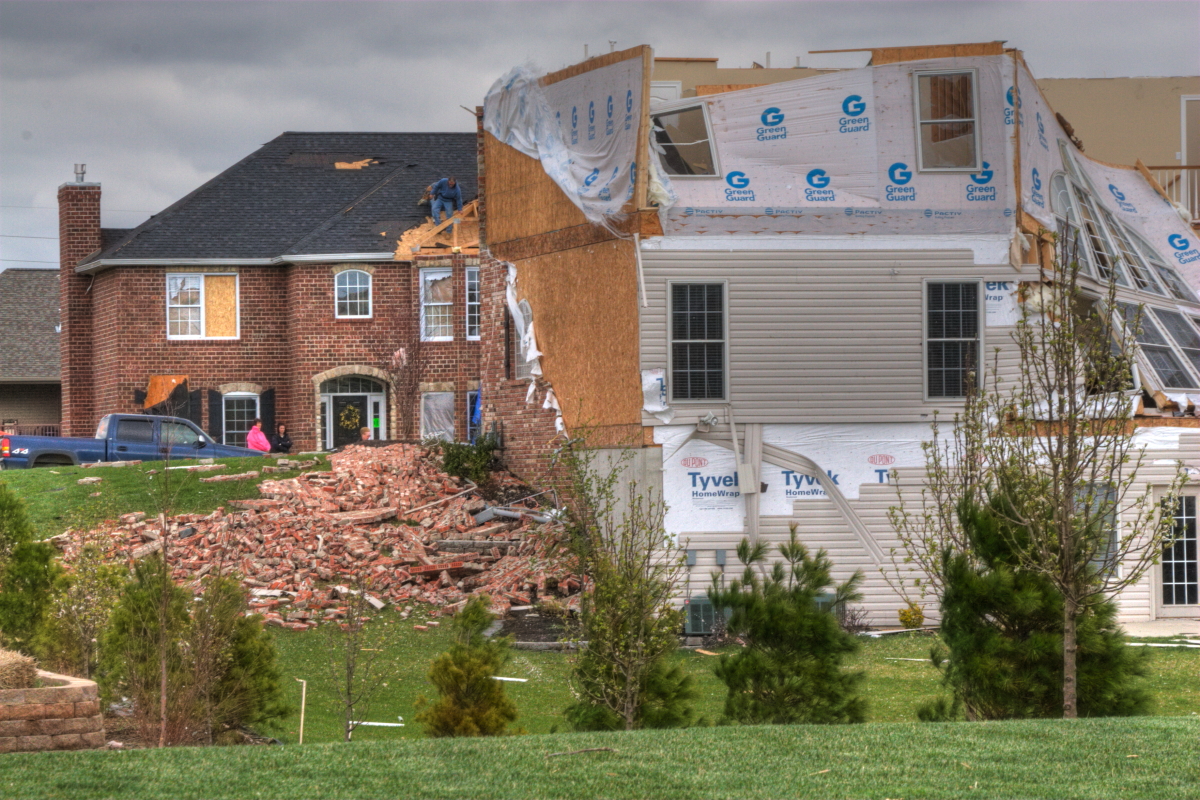
A mortgage is secured by physical collateral. If a house burns to the ground, the borrower's "property" is suddenly reduced to a vacant lot of ash, which is rarely worth enough to cover the outstanding loan. Property insurance protects the lender's financial interest against physical damage to the collateral. If a disaster strikes, the insurance payout ensures the lender can recover their capital.
The Escrow Solution
Because unpaid taxes can subordinate the lender's lien, and uninsured fires can destroy the lender's collateral, lenders refuse to leave these duties to chance. Consequently, lenders frequently require property taxes and insurance premiums to be paid into a dedicated escrow account.
Instead of trusting the homeowner to save up for an annual tax bill or insurance premium, the lender collects a fraction of these costs every single month alongside the principal and interest payment. The lender then holds these funds in escrow and pays the tax assessor and the insurance broker directly, guaranteeing the collateral remains safe and their lien position remains supreme.
A mortgage often spans 15 to 30 years. Over that time, the lender relies entirely on the premise that the physical house will remain valuable enough to justify the loan. Therefore, the mortgagor's duties extend far beyond writing a monthly check.
The Duty of Repair
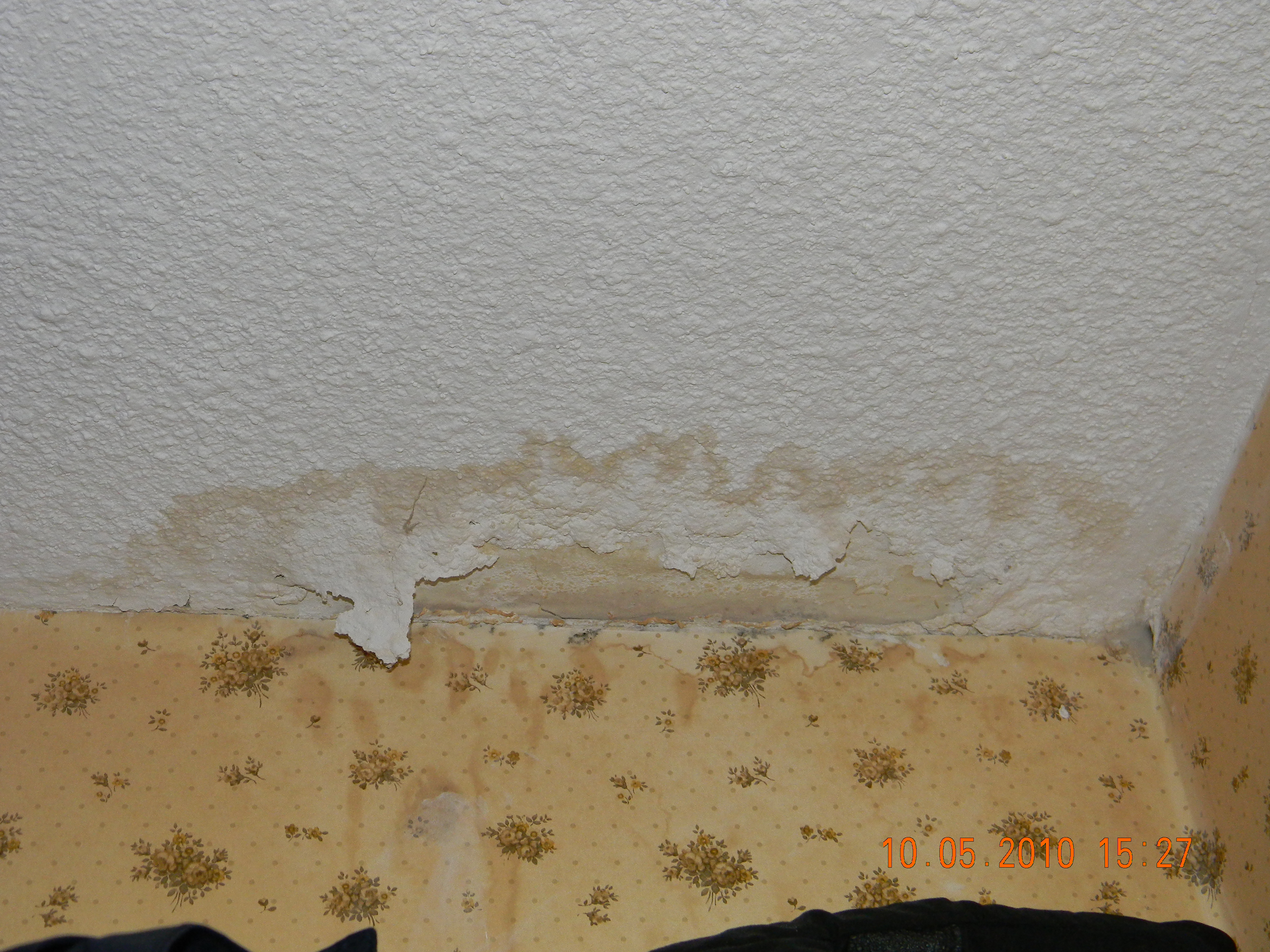
A mortgagor has a legal duty to keep the mortgaged property in good physical repair. Proper property maintenance ensures the collateral retains sufficient value to cover the outstanding loan balance. If a borrower allows a roof leak to fester for five years, rotting the framing and destroying the drywall, the home's market value will plummet. If the borrower subsequently stops making payments, the lender will be left foreclosing on a dilapidated asset worth far less than the owed debt.
The Prohibition of Waste
In the legal context of real estate, neglecting a property has a specific, actionable name.
Waste is a legal term for any destructive action or severe neglect that significantly diminishes a property's value.
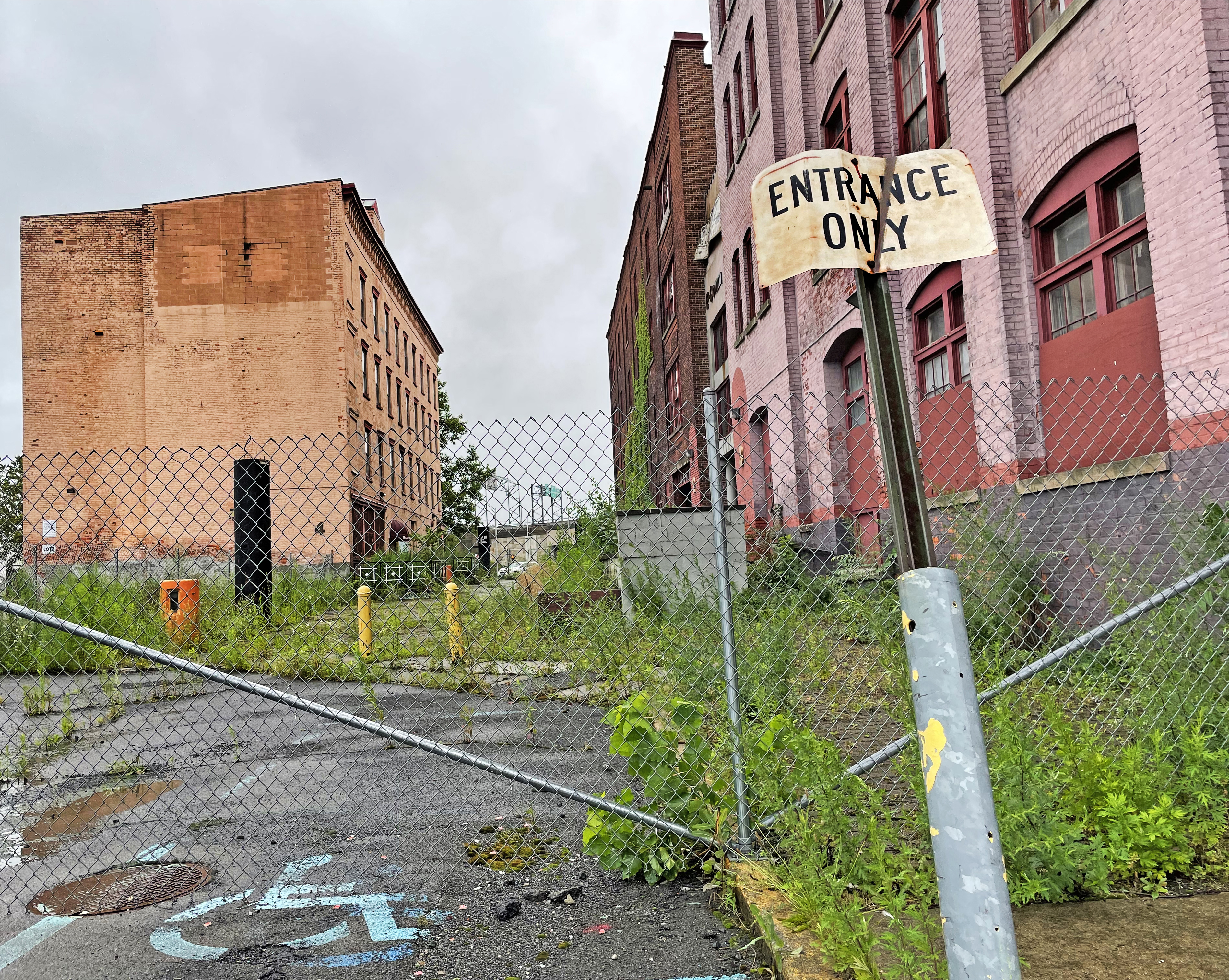
A mortgagor must avoid committing waste on the mortgaged real estate. Waste can be active (stripping the copper plumbing out of the walls to sell for scrap) or passive (refusing to heat the home in a New York winter, causing the pipes to freeze and flood the foundation).
Major Structural Alterations
Borrowers often assume that because they hold the deed, they can renovate their property however they see fit. However, a mortgagor must obtain the mortgagee's permission before making major structural alterations to the mortgaged property.
Even if a homeowner believes that ripping out a central load-bearing wall to create an "open concept" floor plan will increase the home's value, the lender views this as an extreme risk to their collateral. If the renovation goes wrong, the home could become structurally unsound and unsellable. Thus, major architectural shifts require the lender's sign-off.

The covenants of a mortgage are not mere suggestions; they are rigid contractual boundaries.
Failing to fulfill any duty specified in the mortgage document constitutes a legal default. Most laypeople assume that a default only occurs when a borrower stops making their monthly principal and interest payments. As a real estate professional, you must understand that a default can be triggered by any breach of the mortgagor's duties. If a borrower makes every single PITI payment on time, but decides to undertake a massive, unpermitted structural demolition without the lender's permission, they are in default.
A mortgagor default gives the lender the legal right to initiate foreclosure proceedings. Foreclosure allows the lender to pursue the sale of the mortgagor's real estate to satisfy the unpaid debt. Because the mortgage instrument created a lien on the property at the moment of closing, the lender possesses the legal authority to force the property onto the auction block, recover their capital, and sever the borrower's ownership rights once and for all.
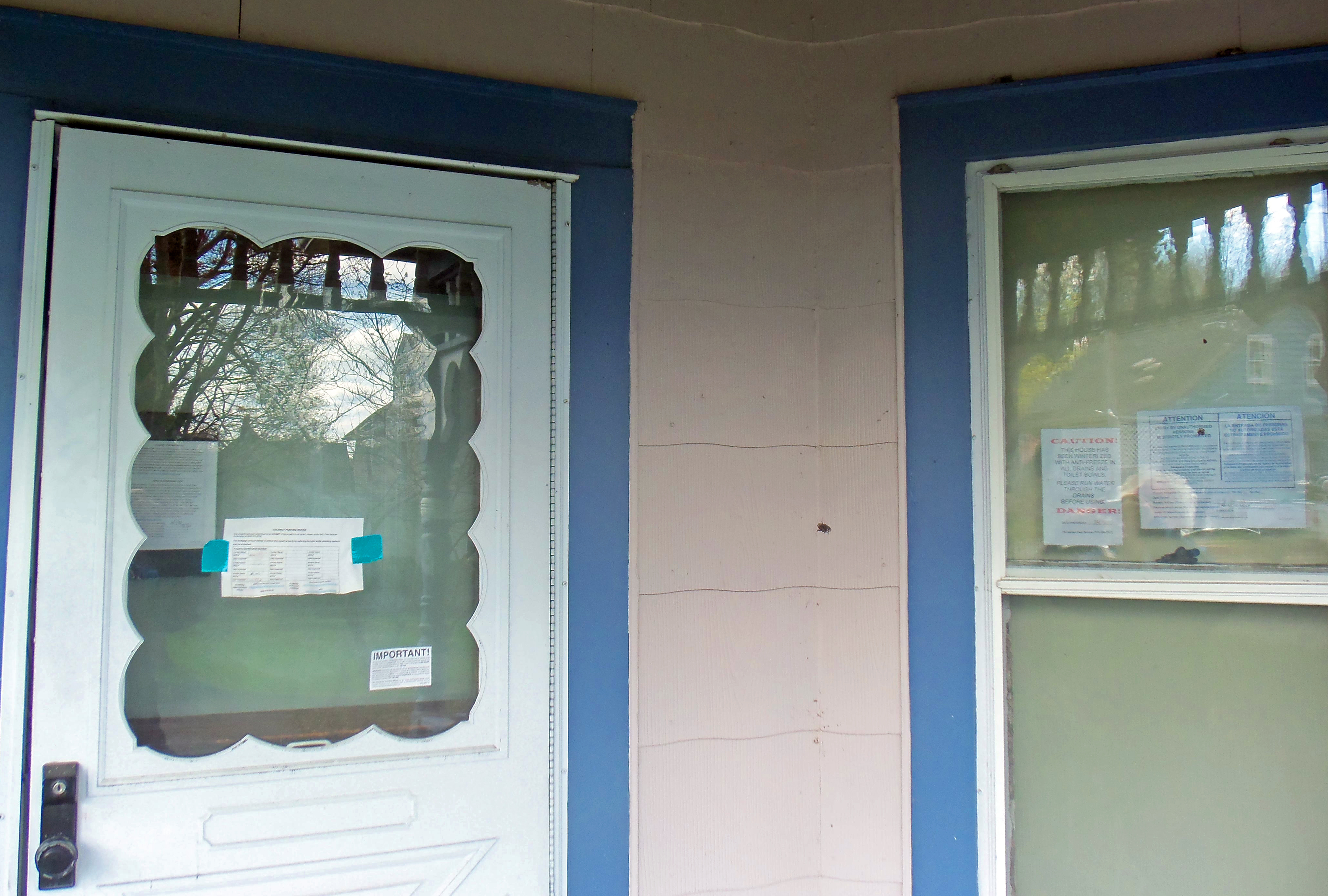
When you represent a buyer, you are guiding them toward an immense transfer of wealth and responsibility. Understanding the duties of a mortgagor ensures you can articulate exactly what is expected of them long after the closing attorney packs up their briefcase, empowering your clients to successfully navigate the long-term realities of property ownership.